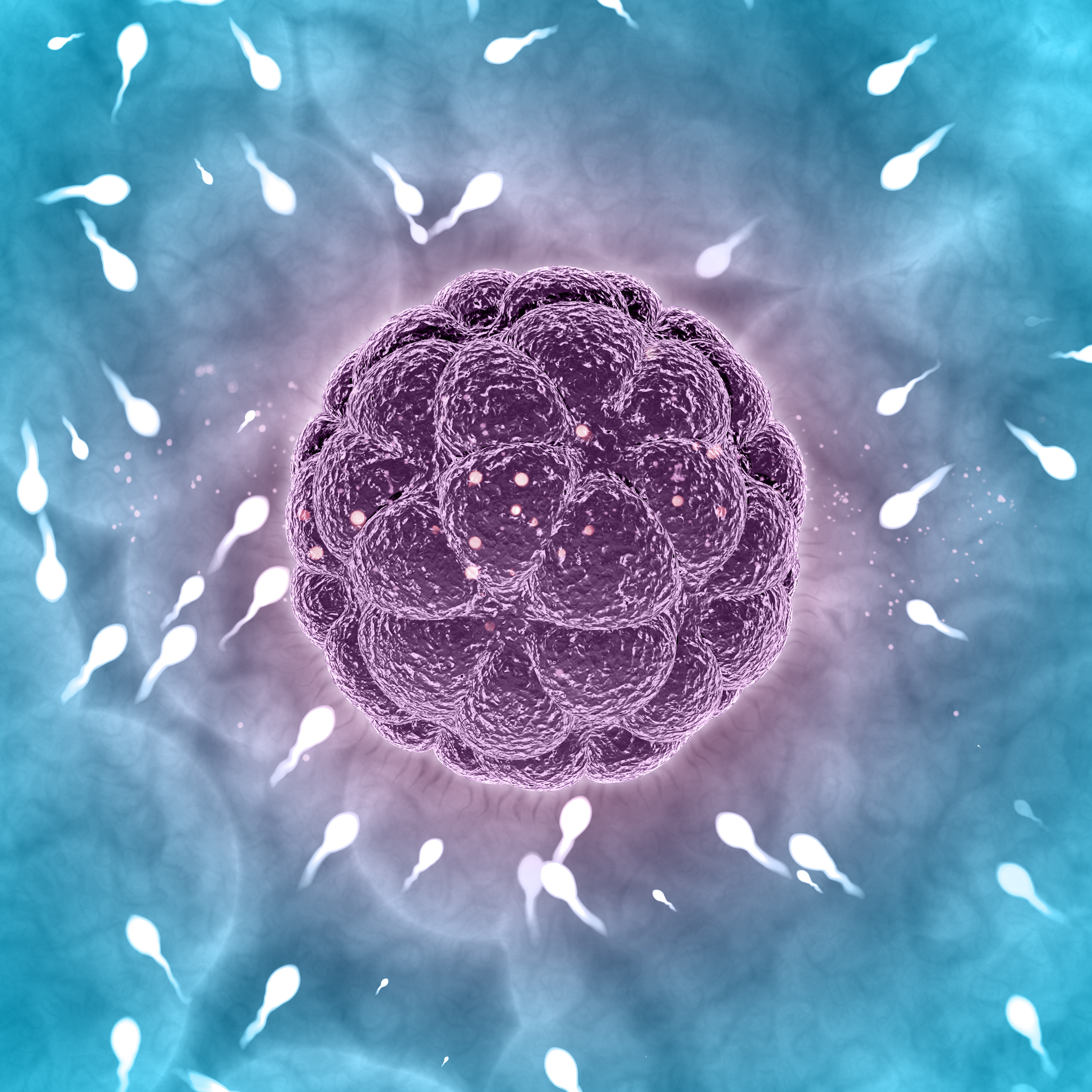
5 Foods Proven to Boost Sperm Motility and Count
5 Foods Proven to Boost Sperm Motility and Count
5 Foods Proven to Boost Sperm Motility and Count
Healthy sperm are essential for successful fertilization, and their quality is shaped by your daily habits, nutrition, and environment. Here’s a simple, science-backed guide to understanding and boosting sperm health.
Healthy sperm are essential for successful fertilization, and their quality is shaped by your daily habits, nutrition, and environment. Here’s a simple, science-backed guide to understanding and boosting sperm health.
Healthy sperm are essential for successful fertilization, and their quality is shaped by your daily habits, nutrition, and environment. Here’s a simple, science-backed guide to understanding and boosting sperm health.
01/12/2025
01/12/2025
01/12/2025
Understanding sperm and its functions is fundamental to grasping how fertility works. Sperm are the male reproductive cells responsible for fertilizing the female egg. Their primary roles include mobility, integrity, and morphology, all of which influence your chances of conception. Healthy sperm can navigate the female reproductive tract effectively, reach the egg, and fertilize it, making sperm quality a key factor in male fertility.
Factors Affecting Sperm Count and Quality
Various factors can influence sperm health, including lifestyle choices, environmental exposures, and overall health. Stress, smoking, excessive alcohol consumption, impaired sleep, and high stress levels can all negatively affect sperm motility and count. Additionally, processed foods, trans fats, caffeine, and exposure to environmental toxins can damage sperm DNA integrity and reduce overall sperm quality.
Importance of Nutrition and Lifestyle on Male Fertility
What you eat and how you live directly impact your sperm health. Nutrient-rich foods provide essential vitamins and minerals, like zinc and antioxidants, which protect sperm from oxidative stress and improve their motility and morphology. Lifestyle changes, including managing stress, exercising regularly, and avoiding harmful substances, can significantly boost fertility chances. A balanced approach to nutrition and habits creates an environment conducive to healthy sperm production and function.
Foods Proven to Boost Sperm Count and Motility
Zinc-Rich Foods (Oysters, Pumpkin Seeds, Meat)
Zinc is crucial for sperm production and testosterone levels. Oysters are famously rich in zinc, but pumpkin seeds and lean meats like chicken and beef are excellent sources too. Zinc helps improve sperm volume and morphology, which are critical for successful fertilization.
Antioxidant-Rich Foods (Dark Chocolate, Pomegranates, Berries)
Antioxidants combat oxidative stress, a major threat to sperm DNA integrity. Dark chocolate contains flavonoids, while pomegranates and berries are packed with vitamin C and polyphenols that protect sperm from free radical damage, thereby enhancing motility and viability.
Vitamin and Mineral Sources (Spinach, Broccoli, Citrus Fruits, Whole Grains)
Vitamins like C and folate support sperm DNA health and overall function. Leafy greens like spinach and broccoli are rich in folate and vitamin C, while citrus fruits boost vitamin C levels. Whole grains provide nutrients that support hormone balance and energy required for healthy sperm production.
Healthy Fats (Walnuts, Fatty Fish like Salmon and Sardines, Brazil Nuts)
Essential fatty acids, especially omega-3s, improve sperm motility. Walnuts and fatty fish like salmon and sardines deliver these fats, helping to enhance sperm quality. Brazil nuts are also a good source of selenium, a key antioxidant for protecting sperm DNA.
Herbal and Ayurvedic Supplements (Ashwagandha, Fenugreek, Mucuna Pruriens)
Herbal supplements like ashwagandha, fenugreek, and mucuna pruriens have shown promise in increasing testosterone levels and improving sperm parameters. These natural remedies can help balance hormones, reduce stress, and boost overall fertility.
Foods and Substances to Avoid That Harm Sperm Health
Reducing intake of processed meats, trans fats, caffeine, and alcohol is essential. These substances can cause oxidative stress, hormone imbalance, and damage to sperm DNA, decreasing their viability and fertility potential. Avoiding environmental toxins and excess heat sources like hot tubs can further protect your sperm health.
Lifestyle Habits to Support Healthy Sperm (Exercise, Stress Management, Sleep)
A healthy lifestyle enhances sperm quality. Regular exercise helps maintain a healthy weight and reduces stress, but avoid overtraining as it can lower testosterone. Managing stress through mindfulness and ensuring 7–8 hours of quality sleep promotes hormonal balance, supporting optimal sperm production.
Frequently Asked Questions About Increasing Sperm Count
Can diet alone improve sperm health? Combining a nutritious diet with healthy lifestyle habits offers the best results, but diet plays a vital foundational role.
How long does it take to see improvements? Sperm development cycles take about 64 days, so consistent changes may show effects within 2–3 months.
Are supplements necessary? Supplements can support, but they are most effective when combined with diet and lifestyle modifications. Always consult a healthcare professional before starting new supplements.
Conclusion
Empowering yourself with the right knowledge about nutrition and lifestyle is transformative. Remember, the journey to better sperm health and fertility is a step-by-step process. Small, consistent changes in eating habits and habits can significantly improve your chances of conception. You have the power to nurture your body—trust in the science, be gentle with yourself, and take confident, informed action.
Understanding sperm and its functions is fundamental to grasping how fertility works. Sperm are the male reproductive cells responsible for fertilizing the female egg. Their primary roles include mobility, integrity, and morphology, all of which influence your chances of conception. Healthy sperm can navigate the female reproductive tract effectively, reach the egg, and fertilize it, making sperm quality a key factor in male fertility.
Factors Affecting Sperm Count and Quality
Various factors can influence sperm health, including lifestyle choices, environmental exposures, and overall health. Stress, smoking, excessive alcohol consumption, impaired sleep, and high stress levels can all negatively affect sperm motility and count. Additionally, processed foods, trans fats, caffeine, and exposure to environmental toxins can damage sperm DNA integrity and reduce overall sperm quality.
Importance of Nutrition and Lifestyle on Male Fertility
What you eat and how you live directly impact your sperm health. Nutrient-rich foods provide essential vitamins and minerals, like zinc and antioxidants, which protect sperm from oxidative stress and improve their motility and morphology. Lifestyle changes, including managing stress, exercising regularly, and avoiding harmful substances, can significantly boost fertility chances. A balanced approach to nutrition and habits creates an environment conducive to healthy sperm production and function.
Foods Proven to Boost Sperm Count and Motility
Zinc-Rich Foods (Oysters, Pumpkin Seeds, Meat)
Zinc is crucial for sperm production and testosterone levels. Oysters are famously rich in zinc, but pumpkin seeds and lean meats like chicken and beef are excellent sources too. Zinc helps improve sperm volume and morphology, which are critical for successful fertilization.
Antioxidant-Rich Foods (Dark Chocolate, Pomegranates, Berries)
Antioxidants combat oxidative stress, a major threat to sperm DNA integrity. Dark chocolate contains flavonoids, while pomegranates and berries are packed with vitamin C and polyphenols that protect sperm from free radical damage, thereby enhancing motility and viability.
Vitamin and Mineral Sources (Spinach, Broccoli, Citrus Fruits, Whole Grains)
Vitamins like C and folate support sperm DNA health and overall function. Leafy greens like spinach and broccoli are rich in folate and vitamin C, while citrus fruits boost vitamin C levels. Whole grains provide nutrients that support hormone balance and energy required for healthy sperm production.
Healthy Fats (Walnuts, Fatty Fish like Salmon and Sardines, Brazil Nuts)
Essential fatty acids, especially omega-3s, improve sperm motility. Walnuts and fatty fish like salmon and sardines deliver these fats, helping to enhance sperm quality. Brazil nuts are also a good source of selenium, a key antioxidant for protecting sperm DNA.
Herbal and Ayurvedic Supplements (Ashwagandha, Fenugreek, Mucuna Pruriens)
Herbal supplements like ashwagandha, fenugreek, and mucuna pruriens have shown promise in increasing testosterone levels and improving sperm parameters. These natural remedies can help balance hormones, reduce stress, and boost overall fertility.
Foods and Substances to Avoid That Harm Sperm Health
Reducing intake of processed meats, trans fats, caffeine, and alcohol is essential. These substances can cause oxidative stress, hormone imbalance, and damage to sperm DNA, decreasing their viability and fertility potential. Avoiding environmental toxins and excess heat sources like hot tubs can further protect your sperm health.
Lifestyle Habits to Support Healthy Sperm (Exercise, Stress Management, Sleep)
A healthy lifestyle enhances sperm quality. Regular exercise helps maintain a healthy weight and reduces stress, but avoid overtraining as it can lower testosterone. Managing stress through mindfulness and ensuring 7–8 hours of quality sleep promotes hormonal balance, supporting optimal sperm production.
Frequently Asked Questions About Increasing Sperm Count
Can diet alone improve sperm health? Combining a nutritious diet with healthy lifestyle habits offers the best results, but diet plays a vital foundational role.
How long does it take to see improvements? Sperm development cycles take about 64 days, so consistent changes may show effects within 2–3 months.
Are supplements necessary? Supplements can support, but they are most effective when combined with diet and lifestyle modifications. Always consult a healthcare professional before starting new supplements.
Conclusion
Empowering yourself with the right knowledge about nutrition and lifestyle is transformative. Remember, the journey to better sperm health and fertility is a step-by-step process. Small, consistent changes in eating habits and habits can significantly improve your chances of conception. You have the power to nurture your body—trust in the science, be gentle with yourself, and take confident, informed action.
Understanding sperm and its functions is fundamental to grasping how fertility works. Sperm are the male reproductive cells responsible for fertilizing the female egg. Their primary roles include mobility, integrity, and morphology, all of which influence your chances of conception. Healthy sperm can navigate the female reproductive tract effectively, reach the egg, and fertilize it, making sperm quality a key factor in male fertility.
Factors Affecting Sperm Count and Quality
Various factors can influence sperm health, including lifestyle choices, environmental exposures, and overall health. Stress, smoking, excessive alcohol consumption, impaired sleep, and high stress levels can all negatively affect sperm motility and count. Additionally, processed foods, trans fats, caffeine, and exposure to environmental toxins can damage sperm DNA integrity and reduce overall sperm quality.
Importance of Nutrition and Lifestyle on Male Fertility
What you eat and how you live directly impact your sperm health. Nutrient-rich foods provide essential vitamins and minerals, like zinc and antioxidants, which protect sperm from oxidative stress and improve their motility and morphology. Lifestyle changes, including managing stress, exercising regularly, and avoiding harmful substances, can significantly boost fertility chances. A balanced approach to nutrition and habits creates an environment conducive to healthy sperm production and function.
Foods Proven to Boost Sperm Count and Motility
Zinc-Rich Foods (Oysters, Pumpkin Seeds, Meat)
Zinc is crucial for sperm production and testosterone levels. Oysters are famously rich in zinc, but pumpkin seeds and lean meats like chicken and beef are excellent sources too. Zinc helps improve sperm volume and morphology, which are critical for successful fertilization.
Antioxidant-Rich Foods (Dark Chocolate, Pomegranates, Berries)
Antioxidants combat oxidative stress, a major threat to sperm DNA integrity. Dark chocolate contains flavonoids, while pomegranates and berries are packed with vitamin C and polyphenols that protect sperm from free radical damage, thereby enhancing motility and viability.
Vitamin and Mineral Sources (Spinach, Broccoli, Citrus Fruits, Whole Grains)
Vitamins like C and folate support sperm DNA health and overall function. Leafy greens like spinach and broccoli are rich in folate and vitamin C, while citrus fruits boost vitamin C levels. Whole grains provide nutrients that support hormone balance and energy required for healthy sperm production.
Healthy Fats (Walnuts, Fatty Fish like Salmon and Sardines, Brazil Nuts)
Essential fatty acids, especially omega-3s, improve sperm motility. Walnuts and fatty fish like salmon and sardines deliver these fats, helping to enhance sperm quality. Brazil nuts are also a good source of selenium, a key antioxidant for protecting sperm DNA.
Herbal and Ayurvedic Supplements (Ashwagandha, Fenugreek, Mucuna Pruriens)
Herbal supplements like ashwagandha, fenugreek, and mucuna pruriens have shown promise in increasing testosterone levels and improving sperm parameters. These natural remedies can help balance hormones, reduce stress, and boost overall fertility.
Foods and Substances to Avoid That Harm Sperm Health
Reducing intake of processed meats, trans fats, caffeine, and alcohol is essential. These substances can cause oxidative stress, hormone imbalance, and damage to sperm DNA, decreasing their viability and fertility potential. Avoiding environmental toxins and excess heat sources like hot tubs can further protect your sperm health.
Lifestyle Habits to Support Healthy Sperm (Exercise, Stress Management, Sleep)
A healthy lifestyle enhances sperm quality. Regular exercise helps maintain a healthy weight and reduces stress, but avoid overtraining as it can lower testosterone. Managing stress through mindfulness and ensuring 7–8 hours of quality sleep promotes hormonal balance, supporting optimal sperm production.
Frequently Asked Questions About Increasing Sperm Count
Can diet alone improve sperm health? Combining a nutritious diet with healthy lifestyle habits offers the best results, but diet plays a vital foundational role.
How long does it take to see improvements? Sperm development cycles take about 64 days, so consistent changes may show effects within 2–3 months.
Are supplements necessary? Supplements can support, but they are most effective when combined with diet and lifestyle modifications. Always consult a healthcare professional before starting new supplements.
Conclusion
Empowering yourself with the right knowledge about nutrition and lifestyle is transformative. Remember, the journey to better sperm health and fertility is a step-by-step process. Small, consistent changes in eating habits and habits can significantly improve your chances of conception. You have the power to nurture your body—trust in the science, be gentle with yourself, and take confident, informed action.
- Izana Team
- Izana Team
- Izana Team
our journal
our journal
our journal
More insights for you.
More insights for you.
More insights for you.
Explore more reflections, guidance, and practical tools to support your growth and well-being.
Explore more reflections, guidance, and practical tools to support your growth and well-being.
Explore more reflections, guidance, and practical tools to support your growth and well-being.
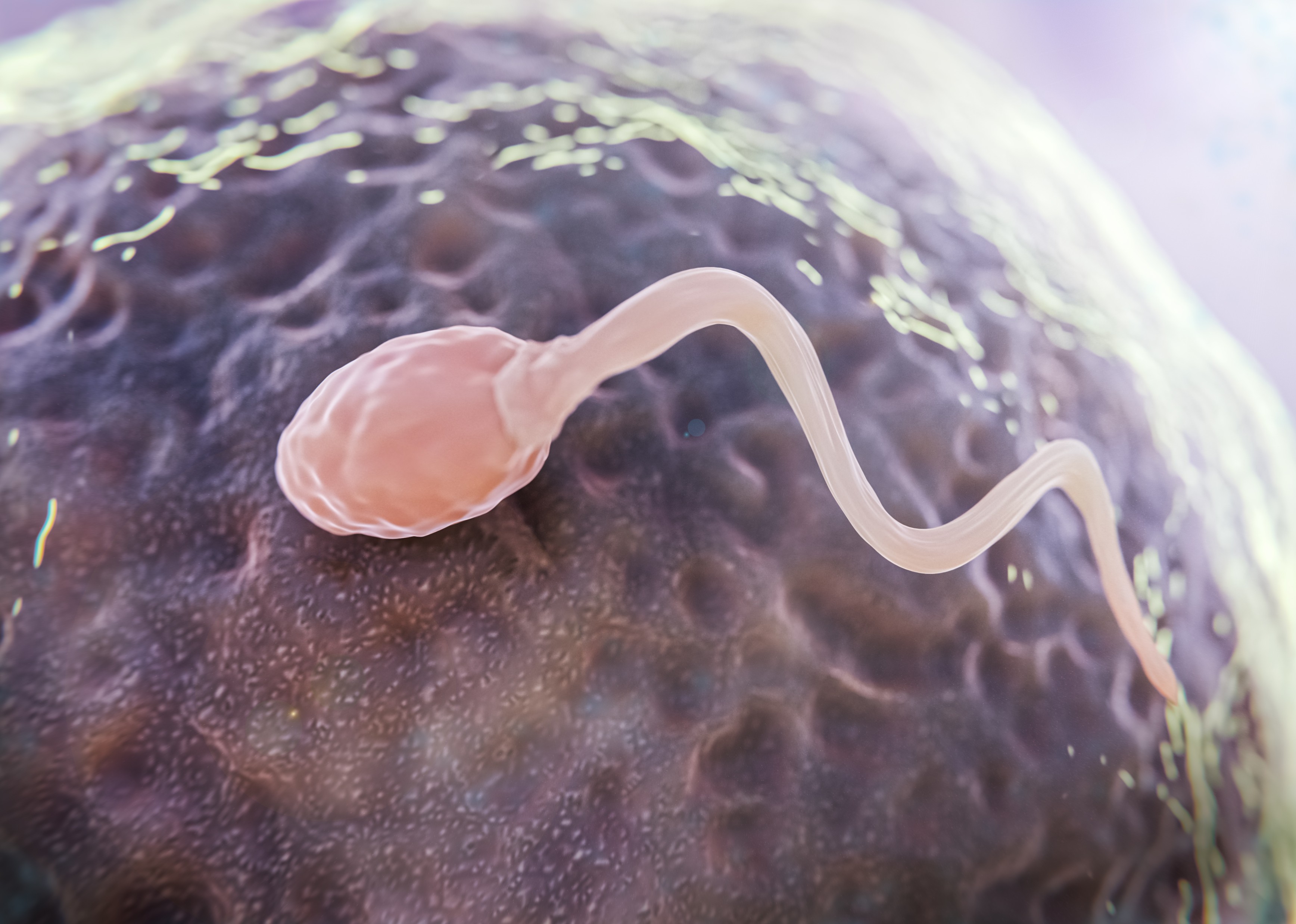
A semen analysis is one of the simplest, most insightful steps in understanding male reproductive health. Here’s a clear, supportive guide to what it measures and what your results actually mean.
A semen analysis is one of the simplest, most insightful steps in understanding male reproductive health. Here’s a clear, supportive guide to what it measures and what your results actually mean.
A semen analysis is one of the simplest, most insightful steps in understanding male reproductive health. Here’s a clear, supportive guide to what it measures and what your results actually mean.

Your questions.
Answered.
Evaluating Izana for your practice?
These answers cover the questions clinics usually ask.
How does Izana fit into a clinic’s existing workflow?
Izana works alongside your current consultation and treatment process. Patients complete assessments digitally before or during care, and clinicians receive structured insights without changing medical protocols or adding staff burden.
How does Izana fit into a clinic’s existing workflow?
Izana works alongside your current consultation and treatment process. Patients complete assessments digitally before or during care, and clinicians receive structured insights without changing medical protocols or adding staff burden.
Does Izana replace doctor consultations or counselling?
Does Izana replace doctor consultations or counselling?
No. Izana is a clinical support system, not a replacement for medical judgement. It standardizes lifestyle and fertility related counselling so doctors can focus on diagnosis and treatment decisions.
How does Izana support IVF outcomes before and during treatment?
How does Izana support IVF outcomes before and during treatment?
Izana addresses modifiable lifestyle and male fertility factors before treatment begins and continues structured guidance during stimulation and treatment phases, supporting better patient readiness and adherence throughout care.
Is Izana suitable for both female and male fertility assessment?
Is Izana suitable for both female and male fertility assessment?
Yes. Izana includes dedicated female, male, and couple level assessments. This helps clinics systematically include male fertility in counselling and reduces imbalance in infertility discussions.
What kind of data do doctors and clinics receive?
What kind of data do doctors and clinics receive?
Clinics receive clear, actionable summaries highlighting risk areas, counselling priorities, and readiness indicators. Izana avoids raw data overload and presents information designed for fast clinical review.
Is Izana compliant with medical ethics and clinical standards?
Is Izana compliant with medical ethics and clinical standards?
Izana is built as a decision support and counselling aid, grounded in peer reviewed fertility and nutrition research. It does not provide diagnosis or treatment recommendations and can be aligned with each clinic’s protocols.
Your questions.
Answered.
Evaluating Izana for your practice?
These answers cover the questions clinics usually ask.
How does Izana fit into a clinic’s existing workflow?
Izana works alongside your current consultation and treatment process. Patients complete assessments digitally before or during care, and clinicians receive structured insights without changing medical protocols or adding staff burden.
How does Izana fit into a clinic’s existing workflow?
Izana works alongside your current consultation and treatment process. Patients complete assessments digitally before or during care, and clinicians receive structured insights without changing medical protocols or adding staff burden.
Does Izana replace doctor consultations or counselling?
Does Izana replace doctor consultations or counselling?
No. Izana is a clinical support system, not a replacement for medical judgement. It standardizes lifestyle and fertility related counselling so doctors can focus on diagnosis and treatment decisions.
How does Izana support IVF outcomes before and during treatment?
How does Izana support IVF outcomes before and during treatment?
Izana addresses modifiable lifestyle and male fertility factors before treatment begins and continues structured guidance during stimulation and treatment phases, supporting better patient readiness and adherence throughout care.
Is Izana suitable for both female and male fertility assessment?
Is Izana suitable for both female and male fertility assessment?
Yes. Izana includes dedicated female, male, and couple level assessments. This helps clinics systematically include male fertility in counselling and reduces imbalance in infertility discussions.
What kind of data do doctors and clinics receive?
What kind of data do doctors and clinics receive?
Clinics receive clear, actionable summaries highlighting risk areas, counselling priorities, and readiness indicators. Izana avoids raw data overload and presents information designed for fast clinical review.
Is Izana compliant with medical ethics and clinical standards?
Is Izana compliant with medical ethics and clinical standards?
Izana is built as a decision support and counselling aid, grounded in peer reviewed fertility and nutrition research. It does not provide diagnosis or treatment recommendations and can be aligned with each clinic’s protocols.
Your questions.
Answered.
Evaluating Izana for your practice?
These answers cover the questions clinics usually ask.
How does Izana fit into a clinic’s existing workflow?
Izana works alongside your current consultation and treatment process. Patients complete assessments digitally before or during care, and clinicians receive structured insights without changing medical protocols or adding staff burden.
How does Izana fit into a clinic’s existing workflow?
Izana works alongside your current consultation and treatment process. Patients complete assessments digitally before or during care, and clinicians receive structured insights without changing medical protocols or adding staff burden.
Does Izana replace doctor consultations or counselling?
Does Izana replace doctor consultations or counselling?
No. Izana is a clinical support system, not a replacement for medical judgement. It standardizes lifestyle and fertility related counselling so doctors can focus on diagnosis and treatment decisions.
How does Izana support IVF outcomes before and during treatment?
How does Izana support IVF outcomes before and during treatment?
Izana addresses modifiable lifestyle and male fertility factors before treatment begins and continues structured guidance during stimulation and treatment phases, supporting better patient readiness and adherence throughout care.
Is Izana suitable for both female and male fertility assessment?
Is Izana suitable for both female and male fertility assessment?
Yes. Izana includes dedicated female, male, and couple level assessments. This helps clinics systematically include male fertility in counselling and reduces imbalance in infertility discussions.
What kind of data do doctors and clinics receive?
What kind of data do doctors and clinics receive?
Clinics receive clear, actionable summaries highlighting risk areas, counselling priorities, and readiness indicators. Izana avoids raw data overload and presents information designed for fast clinical review.
Is Izana compliant with medical ethics and clinical standards?
Is Izana compliant with medical ethics and clinical standards?
Izana is built as a decision support and counselling aid, grounded in peer reviewed fertility and nutrition research. It does not provide diagnosis or treatment recommendations and can be aligned with each clinic’s protocols.