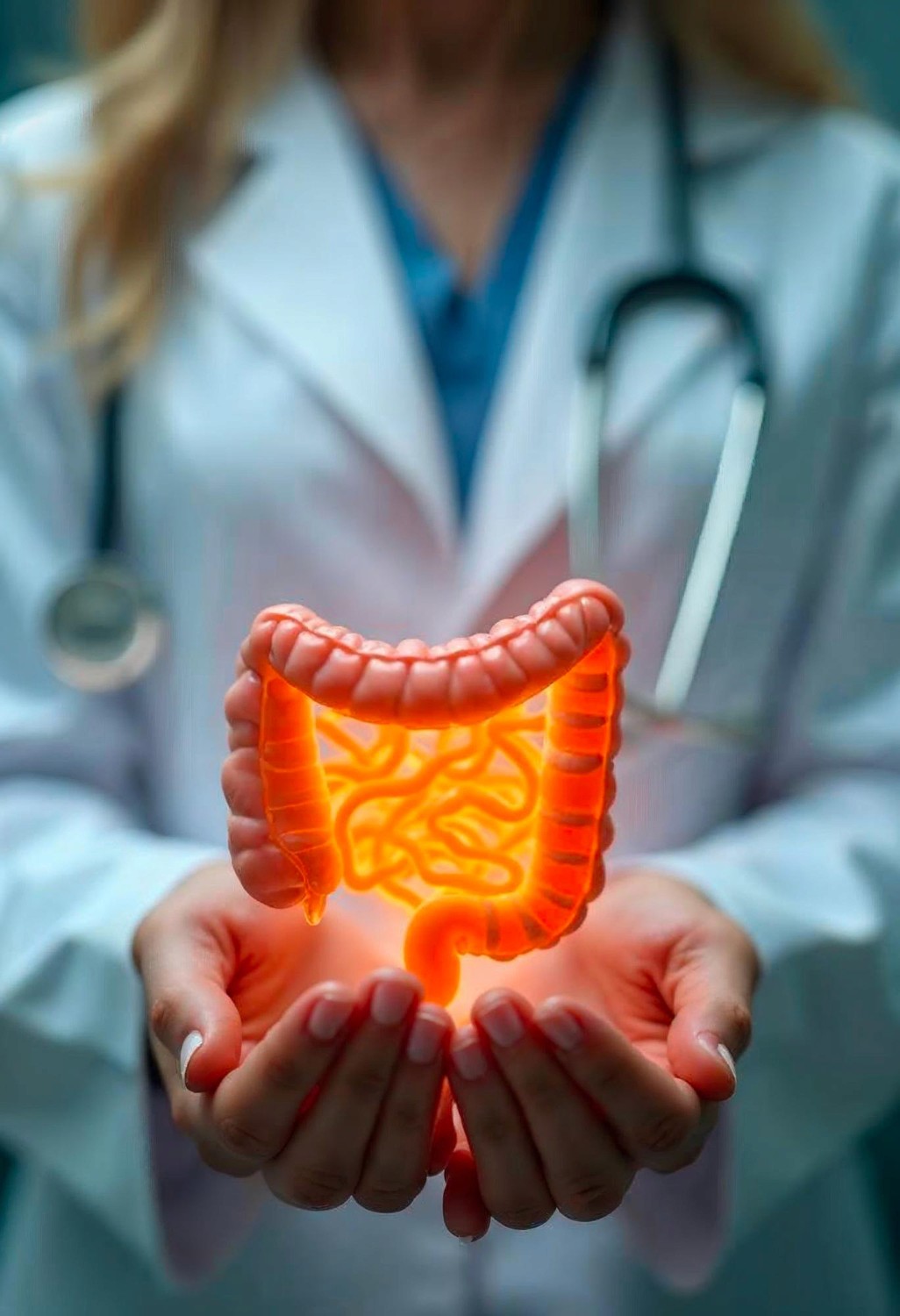
Is There a Link Between Gut Health and Fertility?
Is There a Link Between Gut Health and Fertility?
Is There a Link Between Gut Health and Fertility?
Emerging science reveals an intriguing and vital connection: your gut health may play a surprisingly influential role in your fertility. Let’s explore this fascinating relationship, grounded in evidence, with compassion and clarity.
Emerging science reveals an intriguing and vital connection: your gut health may play a surprisingly influential role in your fertility. Let’s explore this fascinating relationship, grounded in evidence, with compassion and clarity.
Emerging science reveals an intriguing and vital connection: your gut health may play a surprisingly influential role in your fertility. Let’s explore this fascinating relationship, grounded in evidence, with compassion and clarity.
August 5, 2025
August 5, 2025
August 5, 2025
Understanding the Gut Microbiome and Its Role in Fertility
The gut microbiome refers to the vast community of trillions of microorganisms—bacteria, viruses, fungi—that reside primarily in our intestines. These tiny organisms are essential for digestion, nutrient absorption, immune regulation, and even hormone production. Think of your gut microbiome as a bustling metropolis: its balance is crucial for overall health—including fertility. Disruptions, known as microbiota dysbiosis, can have ripple effects beyond digestion, influencing reproductive processes and outcomes.
How Gut Health Affects Female Fertility
Hormonal Balance and Estrogen Metabolism
Estrogen, a key hormone in female fertility, is significantly affected by gut health. The gut microbiota contains enzymes like beta-glucuronidase, which influence estrogen metabolism. When gut bacteria are balanced, they help regulate estrogen levels, ensuring proper ovulation and menstrual regularity. Conversely, microbiota dysbiosis can lead to impaired estrogen metabolism, potentially causing hormonal imbalances that hinder conception.
Immune System Regulation and Inflammation
A healthy gut supports a balanced immune response. Chronic inflammation and immune dysregulation are known contributors to conditions like endometriosis and infertility. An imbalanced microbiome can promote systemic inflammation, disrupting the uterine environment necessary for implantation and pregnancy.
Impact on Conditions like PCOS and Endometriosis
Polycystic Ovary Syndrome (PCOS) and endometriosis are common reproductive challenges associated with inflammation and hormonal imbalance. Recent studies link microbiota dysbiosis to these conditions. For example, women with PCOS often exhibit reduced gut microbial diversity, which can worsen insulin resistance and androgen levels, further impairing fertility.
The Gut-Brain-Fertility Axis and Stress
Stress influences gut health through the gut-brain axis—a communication network involving neural, hormonal, and immune pathways. Elevated stress can alter gut microbiota composition, increasing intestinal permeability (“leaky gut”) and inflammatory responses. Healing this axis can help reduce stress-related fertility issues, fostering a healthier environment for conception.
Gut Health and Male Fertility
The Gut-Testis Axis and Hormonal Regulation
In men, the gut microbiome influences testosterone levels via the gut-testis axis. A balanced microbiome supports optimal hormonal production, which is vital for sperm development and libido. Dysbiosis can disrupt this communication, leading to hormonal imbalances that diminish sperm quality.
Nutrient Absorption and Sperm Quality
Nutrients like zinc, selenium, and antioxidants are critical for sperm health. The gut microbiota aids in absorbing these nutrients efficiently. When gut health is compromised, nutrient absorption declines, negatively affecting sperm motility, morphology, and overall fertility.
Oxidative Stress and Its Effects on Sperm
Oxidative stress damages sperm DNA and reduces motility. A healthy gut can help mitigate oxidative stress by supporting the body’s antioxidant defenses. Conversely, dysbiosis may increase oxidative damage, impairing male fertility.
The Gut Microbiome’s Influence Across Pregnancy
Microbiome Changes During Pregnancy
Pregnancy itself prompts shifts in the maternal microbiome, supporting immune tolerance and nutrient transfer. A resilient gut microbiome can enhance pregnancy outcomes and reduce risks such as gestational diabetes and preeclampsia.
Effects on Placental and Neonatal Outcomes
The maternal gut microbiome influences placental health and neonatal immunity. Microbiota diversity during pregnancy correlates with healthy birth weights and reduced neonatal infections.
Factors That Disrupt Gut Health and Fertility
Diet, Antibiotics, Stress, and Environmental Toxins
Modern lifestyles expose us to factors that disturb gut balance. Diets high in processed foods, excessive antibiotics, chronic stress, and environmental toxins can all diminish microbiota diversity, heightening the risk of fertility challenges.
Strategies to Optimize Gut Health for Fertility
Diet: Probiotics, Prebiotics, and Balanced Nutrition
Eating a nutrient-rich, diverse diet full of fiber, fermented foods, and prebiotics supports beneficial bacteria. Supplementing with probiotics can restore balance, but it's best to consult with a healthcare professional to tailor this approach.
Stress Management and Lifestyle Modifications
Practices like mindfulness, yoga, and adequate sleep reduce stress hormones that can negatively affect gut and reproductive health.
Supplementation and Medical Interventions
In some cases, targeted supplements such as omega-3s, vitamin D, and specific probiotics may be beneficial. Fecal microbiota transplantation (FMT) is emerging as a potential therapy for severe dysbiosis, though further research is needed.
Future Perspectives and Research on Gut-Fertility Connection
Ongoing studies are exploring probiotics, diet modifications, and personalized microbiome therapies to improve fertility. This promising research paves the way for integrative treatments that consider the microbiome as a vital component of reproductive health.
Conclusion: Nurturing Gut Health to Support Fertility
Understanding your gut microbiome is akin to understanding a hidden garden within your body—nurture it, and you support the fertile ground for conception and pregnancy. Small lifestyle changes can have profound effects, empowering you to take charge of your reproductive journey with confidence and compassion.
Remember, every body is unique. Listening to yours, seeking personalized advice, and fostering gut health are steps towards realizing your dreams of parenthood. Let’s walk this path together—bold, informed, and hopeful.
Understanding the Gut Microbiome and Its Role in Fertility
The gut microbiome refers to the vast community of trillions of microorganisms—bacteria, viruses, fungi—that reside primarily in our intestines. These tiny organisms are essential for digestion, nutrient absorption, immune regulation, and even hormone production. Think of your gut microbiome as a bustling metropolis: its balance is crucial for overall health—including fertility. Disruptions, known as microbiota dysbiosis, can have ripple effects beyond digestion, influencing reproductive processes and outcomes.
How Gut Health Affects Female Fertility
Hormonal Balance and Estrogen Metabolism
Estrogen, a key hormone in female fertility, is significantly affected by gut health. The gut microbiota contains enzymes like beta-glucuronidase, which influence estrogen metabolism. When gut bacteria are balanced, they help regulate estrogen levels, ensuring proper ovulation and menstrual regularity. Conversely, microbiota dysbiosis can lead to impaired estrogen metabolism, potentially causing hormonal imbalances that hinder conception.
Immune System Regulation and Inflammation
A healthy gut supports a balanced immune response. Chronic inflammation and immune dysregulation are known contributors to conditions like endometriosis and infertility. An imbalanced microbiome can promote systemic inflammation, disrupting the uterine environment necessary for implantation and pregnancy.
Impact on Conditions like PCOS and Endometriosis
Polycystic Ovary Syndrome (PCOS) and endometriosis are common reproductive challenges associated with inflammation and hormonal imbalance. Recent studies link microbiota dysbiosis to these conditions. For example, women with PCOS often exhibit reduced gut microbial diversity, which can worsen insulin resistance and androgen levels, further impairing fertility.
The Gut-Brain-Fertility Axis and Stress
Stress influences gut health through the gut-brain axis—a communication network involving neural, hormonal, and immune pathways. Elevated stress can alter gut microbiota composition, increasing intestinal permeability (“leaky gut”) and inflammatory responses. Healing this axis can help reduce stress-related fertility issues, fostering a healthier environment for conception.
Gut Health and Male Fertility
The Gut-Testis Axis and Hormonal Regulation
In men, the gut microbiome influences testosterone levels via the gut-testis axis. A balanced microbiome supports optimal hormonal production, which is vital for sperm development and libido. Dysbiosis can disrupt this communication, leading to hormonal imbalances that diminish sperm quality.
Nutrient Absorption and Sperm Quality
Nutrients like zinc, selenium, and antioxidants are critical for sperm health. The gut microbiota aids in absorbing these nutrients efficiently. When gut health is compromised, nutrient absorption declines, negatively affecting sperm motility, morphology, and overall fertility.
Oxidative Stress and Its Effects on Sperm
Oxidative stress damages sperm DNA and reduces motility. A healthy gut can help mitigate oxidative stress by supporting the body’s antioxidant defenses. Conversely, dysbiosis may increase oxidative damage, impairing male fertility.
The Gut Microbiome’s Influence Across Pregnancy
Microbiome Changes During Pregnancy
Pregnancy itself prompts shifts in the maternal microbiome, supporting immune tolerance and nutrient transfer. A resilient gut microbiome can enhance pregnancy outcomes and reduce risks such as gestational diabetes and preeclampsia.
Effects on Placental and Neonatal Outcomes
The maternal gut microbiome influences placental health and neonatal immunity. Microbiota diversity during pregnancy correlates with healthy birth weights and reduced neonatal infections.
Factors That Disrupt Gut Health and Fertility
Diet, Antibiotics, Stress, and Environmental Toxins
Modern lifestyles expose us to factors that disturb gut balance. Diets high in processed foods, excessive antibiotics, chronic stress, and environmental toxins can all diminish microbiota diversity, heightening the risk of fertility challenges.
Strategies to Optimize Gut Health for Fertility
Diet: Probiotics, Prebiotics, and Balanced Nutrition
Eating a nutrient-rich, diverse diet full of fiber, fermented foods, and prebiotics supports beneficial bacteria. Supplementing with probiotics can restore balance, but it's best to consult with a healthcare professional to tailor this approach.
Stress Management and Lifestyle Modifications
Practices like mindfulness, yoga, and adequate sleep reduce stress hormones that can negatively affect gut and reproductive health.
Supplementation and Medical Interventions
In some cases, targeted supplements such as omega-3s, vitamin D, and specific probiotics may be beneficial. Fecal microbiota transplantation (FMT) is emerging as a potential therapy for severe dysbiosis, though further research is needed.
Future Perspectives and Research on Gut-Fertility Connection
Ongoing studies are exploring probiotics, diet modifications, and personalized microbiome therapies to improve fertility. This promising research paves the way for integrative treatments that consider the microbiome as a vital component of reproductive health.
Conclusion: Nurturing Gut Health to Support Fertility
Understanding your gut microbiome is akin to understanding a hidden garden within your body—nurture it, and you support the fertile ground for conception and pregnancy. Small lifestyle changes can have profound effects, empowering you to take charge of your reproductive journey with confidence and compassion.
Remember, every body is unique. Listening to yours, seeking personalized advice, and fostering gut health are steps towards realizing your dreams of parenthood. Let’s walk this path together—bold, informed, and hopeful.
Understanding the Gut Microbiome and Its Role in Fertility
The gut microbiome refers to the vast community of trillions of microorganisms—bacteria, viruses, fungi—that reside primarily in our intestines. These tiny organisms are essential for digestion, nutrient absorption, immune regulation, and even hormone production. Think of your gut microbiome as a bustling metropolis: its balance is crucial for overall health—including fertility. Disruptions, known as microbiota dysbiosis, can have ripple effects beyond digestion, influencing reproductive processes and outcomes.
How Gut Health Affects Female Fertility
Hormonal Balance and Estrogen Metabolism
Estrogen, a key hormone in female fertility, is significantly affected by gut health. The gut microbiota contains enzymes like beta-glucuronidase, which influence estrogen metabolism. When gut bacteria are balanced, they help regulate estrogen levels, ensuring proper ovulation and menstrual regularity. Conversely, microbiota dysbiosis can lead to impaired estrogen metabolism, potentially causing hormonal imbalances that hinder conception.
Immune System Regulation and Inflammation
A healthy gut supports a balanced immune response. Chronic inflammation and immune dysregulation are known contributors to conditions like endometriosis and infertility. An imbalanced microbiome can promote systemic inflammation, disrupting the uterine environment necessary for implantation and pregnancy.
Impact on Conditions like PCOS and Endometriosis
Polycystic Ovary Syndrome (PCOS) and endometriosis are common reproductive challenges associated with inflammation and hormonal imbalance. Recent studies link microbiota dysbiosis to these conditions. For example, women with PCOS often exhibit reduced gut microbial diversity, which can worsen insulin resistance and androgen levels, further impairing fertility.
The Gut-Brain-Fertility Axis and Stress
Stress influences gut health through the gut-brain axis—a communication network involving neural, hormonal, and immune pathways. Elevated stress can alter gut microbiota composition, increasing intestinal permeability (“leaky gut”) and inflammatory responses. Healing this axis can help reduce stress-related fertility issues, fostering a healthier environment for conception.
Gut Health and Male Fertility
The Gut-Testis Axis and Hormonal Regulation
In men, the gut microbiome influences testosterone levels via the gut-testis axis. A balanced microbiome supports optimal hormonal production, which is vital for sperm development and libido. Dysbiosis can disrupt this communication, leading to hormonal imbalances that diminish sperm quality.
Nutrient Absorption and Sperm Quality
Nutrients like zinc, selenium, and antioxidants are critical for sperm health. The gut microbiota aids in absorbing these nutrients efficiently. When gut health is compromised, nutrient absorption declines, negatively affecting sperm motility, morphology, and overall fertility.
Oxidative Stress and Its Effects on Sperm
Oxidative stress damages sperm DNA and reduces motility. A healthy gut can help mitigate oxidative stress by supporting the body’s antioxidant defenses. Conversely, dysbiosis may increase oxidative damage, impairing male fertility.
The Gut Microbiome’s Influence Across Pregnancy
Microbiome Changes During Pregnancy
Pregnancy itself prompts shifts in the maternal microbiome, supporting immune tolerance and nutrient transfer. A resilient gut microbiome can enhance pregnancy outcomes and reduce risks such as gestational diabetes and preeclampsia.
Effects on Placental and Neonatal Outcomes
The maternal gut microbiome influences placental health and neonatal immunity. Microbiota diversity during pregnancy correlates with healthy birth weights and reduced neonatal infections.
Factors That Disrupt Gut Health and Fertility
Diet, Antibiotics, Stress, and Environmental Toxins
Modern lifestyles expose us to factors that disturb gut balance. Diets high in processed foods, excessive antibiotics, chronic stress, and environmental toxins can all diminish microbiota diversity, heightening the risk of fertility challenges.
Strategies to Optimize Gut Health for Fertility
Diet: Probiotics, Prebiotics, and Balanced Nutrition
Eating a nutrient-rich, diverse diet full of fiber, fermented foods, and prebiotics supports beneficial bacteria. Supplementing with probiotics can restore balance, but it's best to consult with a healthcare professional to tailor this approach.
Stress Management and Lifestyle Modifications
Practices like mindfulness, yoga, and adequate sleep reduce stress hormones that can negatively affect gut and reproductive health.
Supplementation and Medical Interventions
In some cases, targeted supplements such as omega-3s, vitamin D, and specific probiotics may be beneficial. Fecal microbiota transplantation (FMT) is emerging as a potential therapy for severe dysbiosis, though further research is needed.
Future Perspectives and Research on Gut-Fertility Connection
Ongoing studies are exploring probiotics, diet modifications, and personalized microbiome therapies to improve fertility. This promising research paves the way for integrative treatments that consider the microbiome as a vital component of reproductive health.
Conclusion: Nurturing Gut Health to Support Fertility
Understanding your gut microbiome is akin to understanding a hidden garden within your body—nurture it, and you support the fertile ground for conception and pregnancy. Small lifestyle changes can have profound effects, empowering you to take charge of your reproductive journey with confidence and compassion.
Remember, every body is unique. Listening to yours, seeking personalized advice, and fostering gut health are steps towards realizing your dreams of parenthood. Let’s walk this path together—bold, informed, and hopeful.
— Izana Team
— Izana Team
— Izana Team
our journal
our journal
our journal
More insights for you.
More insights for you.
More insights for you.
Explore more reflections, guidance, and practical tools to support your growth and well-being.
Explore more reflections, guidance, and practical tools to support your growth and well-being.
Explore more reflections, guidance, and practical tools to support your growth and well-being.

Whether you're trying to conceive naturally or through fertility treatments like IVF, understanding how sleep influences your fertility can empower you to optimize your health.
Whether you're trying to conceive naturally or through fertility treatments like IVF, understanding how sleep influences your fertility can empower you to optimize your health.
Whether you're trying to conceive naturally or through fertility treatments like IVF, understanding how sleep influences your fertility can empower you to optimize your health.

For many of us, the journey to parenthood isn't just about the body; it's about navigating the intricate dance between our deepest desires for a family and the demands of a thriving career. We know how incredibly overwhelming it can feel to juggle early morning appointments at fertility clinics, the emotional rollercoaster of treatments, and the relentless expectations of the workplace. You might feel isolated, wondering if you're the only one trying to be a Superwoman – managing client deadlines, team meetings, and ovulation tracking all at once. Let us assure you, you are absolutely not alone. At Izana, we see you. We understand that the path to conception, especially in India's fast-paced professional landscape, can often feel like an uphill battle, fraught with confusion and silent struggles. We believe you deserve a clear, confident path forward, one that honours both your professional aspirations and your heartfelt dreams of building a family. This isn't about choosing one over the other; it's about finding harmony. Let's walk through this together, simplifying the complex science and empowering you with actionable strategies to create a "fertility-friendly" work-life balance that nurtures your reproductive health.
For many of us, the journey to parenthood isn't just about the body; it's about navigating the intricate dance between our deepest desires for a family and the demands of a thriving career. We know how incredibly overwhelming it can feel to juggle early morning appointments at fertility clinics, the emotional rollercoaster of treatments, and the relentless expectations of the workplace. You might feel isolated, wondering if you're the only one trying to be a Superwoman – managing client deadlines, team meetings, and ovulation tracking all at once. Let us assure you, you are absolutely not alone. At Izana, we see you. We understand that the path to conception, especially in India's fast-paced professional landscape, can often feel like an uphill battle, fraught with confusion and silent struggles. We believe you deserve a clear, confident path forward, one that honours both your professional aspirations and your heartfelt dreams of building a family. This isn't about choosing one over the other; it's about finding harmony. Let's walk through this together, simplifying the complex science and empowering you with actionable strategies to create a "fertility-friendly" work-life balance that nurtures your reproductive health.
For many of us, the journey to parenthood isn't just about the body; it's about navigating the intricate dance between our deepest desires for a family and the demands of a thriving career. We know how incredibly overwhelming it can feel to juggle early morning appointments at fertility clinics, the emotional rollercoaster of treatments, and the relentless expectations of the workplace. You might feel isolated, wondering if you're the only one trying to be a Superwoman – managing client deadlines, team meetings, and ovulation tracking all at once. Let us assure you, you are absolutely not alone. At Izana, we see you. We understand that the path to conception, especially in India's fast-paced professional landscape, can often feel like an uphill battle, fraught with confusion and silent struggles. We believe you deserve a clear, confident path forward, one that honours both your professional aspirations and your heartfelt dreams of building a family. This isn't about choosing one over the other; it's about finding harmony. Let's walk through this together, simplifying the complex science and empowering you with actionable strategies to create a "fertility-friendly" work-life balance that nurtures your reproductive health.
Your questions.
Answered.
Evaluating Izana for your practice?
These answers cover the questions clinics usually ask.
How does Izana fit into a clinic’s existing workflow?
Izana works alongside your current consultation and treatment process. Patients complete assessments digitally before or during care, and clinicians receive structured insights without changing medical protocols or adding staff burden.
How does Izana fit into a clinic’s existing workflow?
Izana works alongside your current consultation and treatment process. Patients complete assessments digitally before or during care, and clinicians receive structured insights without changing medical protocols or adding staff burden.
Does Izana replace doctor consultations or counselling?
Does Izana replace doctor consultations or counselling?
No. Izana is a clinical support system, not a replacement for medical judgement. It standardizes lifestyle and fertility related counselling so doctors can focus on diagnosis and treatment decisions.
How does Izana support IVF outcomes before and during treatment?
How does Izana support IVF outcomes before and during treatment?
Izana addresses modifiable lifestyle and male fertility factors before treatment begins and continues structured guidance during stimulation and treatment phases, supporting better patient readiness and adherence throughout care.
Is Izana suitable for both female and male fertility assessment?
Is Izana suitable for both female and male fertility assessment?
Yes. Izana includes dedicated female, male, and couple level assessments. This helps clinics systematically include male fertility in counselling and reduces imbalance in infertility discussions.
What kind of data do doctors and clinics receive?
What kind of data do doctors and clinics receive?
Clinics receive clear, actionable summaries highlighting risk areas, counselling priorities, and readiness indicators. Izana avoids raw data overload and presents information designed for fast clinical review.
Is Izana compliant with medical ethics and clinical standards?
Is Izana compliant with medical ethics and clinical standards?
Izana is built as a decision support and counselling aid, grounded in peer reviewed fertility and nutrition research. It does not provide diagnosis or treatment recommendations and can be aligned with each clinic’s protocols.
Your questions.
Answered.
Evaluating Izana for your practice?
These answers cover the questions clinics usually ask.
How does Izana fit into a clinic’s existing workflow?
Izana works alongside your current consultation and treatment process. Patients complete assessments digitally before or during care, and clinicians receive structured insights without changing medical protocols or adding staff burden.
How does Izana fit into a clinic’s existing workflow?
Izana works alongside your current consultation and treatment process. Patients complete assessments digitally before or during care, and clinicians receive structured insights without changing medical protocols or adding staff burden.
Does Izana replace doctor consultations or counselling?
Does Izana replace doctor consultations or counselling?
No. Izana is a clinical support system, not a replacement for medical judgement. It standardizes lifestyle and fertility related counselling so doctors can focus on diagnosis and treatment decisions.
How does Izana support IVF outcomes before and during treatment?
How does Izana support IVF outcomes before and during treatment?
Izana addresses modifiable lifestyle and male fertility factors before treatment begins and continues structured guidance during stimulation and treatment phases, supporting better patient readiness and adherence throughout care.
Is Izana suitable for both female and male fertility assessment?
Is Izana suitable for both female and male fertility assessment?
Yes. Izana includes dedicated female, male, and couple level assessments. This helps clinics systematically include male fertility in counselling and reduces imbalance in infertility discussions.
What kind of data do doctors and clinics receive?
What kind of data do doctors and clinics receive?
Clinics receive clear, actionable summaries highlighting risk areas, counselling priorities, and readiness indicators. Izana avoids raw data overload and presents information designed for fast clinical review.
Is Izana compliant with medical ethics and clinical standards?
Is Izana compliant with medical ethics and clinical standards?
Izana is built as a decision support and counselling aid, grounded in peer reviewed fertility and nutrition research. It does not provide diagnosis or treatment recommendations and can be aligned with each clinic’s protocols.
Your questions.
Answered.
Evaluating Izana for your practice?
These answers cover the questions clinics usually ask.
How does Izana fit into a clinic’s existing workflow?
Izana works alongside your current consultation and treatment process. Patients complete assessments digitally before or during care, and clinicians receive structured insights without changing medical protocols or adding staff burden.
How does Izana fit into a clinic’s existing workflow?
Izana works alongside your current consultation and treatment process. Patients complete assessments digitally before or during care, and clinicians receive structured insights without changing medical protocols or adding staff burden.
Does Izana replace doctor consultations or counselling?
Does Izana replace doctor consultations or counselling?
No. Izana is a clinical support system, not a replacement for medical judgement. It standardizes lifestyle and fertility related counselling so doctors can focus on diagnosis and treatment decisions.
How does Izana support IVF outcomes before and during treatment?
How does Izana support IVF outcomes before and during treatment?
Izana addresses modifiable lifestyle and male fertility factors before treatment begins and continues structured guidance during stimulation and treatment phases, supporting better patient readiness and adherence throughout care.
Is Izana suitable for both female and male fertility assessment?
Is Izana suitable for both female and male fertility assessment?
Yes. Izana includes dedicated female, male, and couple level assessments. This helps clinics systematically include male fertility in counselling and reduces imbalance in infertility discussions.
What kind of data do doctors and clinics receive?
What kind of data do doctors and clinics receive?
Clinics receive clear, actionable summaries highlighting risk areas, counselling priorities, and readiness indicators. Izana avoids raw data overload and presents information designed for fast clinical review.
Is Izana compliant with medical ethics and clinical standards?
Is Izana compliant with medical ethics and clinical standards?
Izana is built as a decision support and counselling aid, grounded in peer reviewed fertility and nutrition research. It does not provide diagnosis or treatment recommendations and can be aligned with each clinic’s protocols.