
Sperm Health: Lifestyle Changes That Truly Matter
Sperm Health: Lifestyle Changes That Truly Matter
Sperm Health: Lifestyle Changes That Truly Matter
We know that contemplating fertility and understanding sperm health can feel overwhelming, especially with so much conflicting information. The good news is, many factors affecting sperm quality are within your control.
We know that contemplating fertility and understanding sperm health can feel overwhelming, especially with so much conflicting information. The good news is, many factors affecting sperm quality are within your control.
We know that contemplating fertility and understanding sperm health can feel overwhelming, especially with so much conflicting information. The good news is, many factors affecting sperm quality are within your control.
August 6, 2025
August 6, 2025
August 6, 2025
We know that contemplating fertility and understanding sperm health can feel overwhelming, especially with so much conflicting information. The good news is, many factors affecting sperm quality are within your control. Let’s explore what sperm health truly means, why it matters, and what simple, science-backed steps you can take to support your reproductive journey.
What is Sperm Health?
Sperm health refers to the quality of male reproductive cells, which includes aspects like sperm count, motility (movement), and morphology (shape). These parameters are assessed through a semen analysis and give insights into a man's fertility potential. Spermatogenesis, the process of sperm production, occurs in the testes and is influenced by hormones, environmental factors, and lifestyle choices. Healthy sperm are vital for conception, as they need to successfully reach and fertilize the egg.
Why It Matters
Good sperm health is a key factor in male fertility, impacting the chances of conception and successful pregnancy. Poor sperm quality can contribute to infertility, which affects approximately 1 in 6 couples trying to conceive globally—India included. Furthermore, sperm quality can serve as an early indicator of overall health, revealing exposures to toxins or lifestyle habits that may have broader health implications.
Key Risk Factors
Heat Exposure
Exposing the testes to high temperatures—such as prolonged hot baths, saunas, or tight clothing—can impair spermatogenesis. Think of it as turning off the cooling system needed for optimal sperm production.
Negative Lifestyle Habits
Smoking, alcohol consumption, and recreational drug use directly harm sperm quality.
Environmental toxins like BPA, phthalates, pesticides, and heavy metals interfere with hormonal balance and cell function.
Poor diet and obesity lower sperm count and motility, partly due to increased oxidative stress.
Chronic stress and inadequate sleep further disrupt hormonal regulation and spermatogenesis.
Obesity & Poor Diet
Excess weight and a diet lacking in essential nutrients can impair sperm production and quality. Think of your body as a factory—if the machinery isn’t well maintained, the output suffers.
Environmental Toxins
Chemicals like BPA (common in plastics), phthalates, pesticides, and heavy metals adversely affect sperm health by mimicking or disrupting hormones. Minimizing exposure is a crucial step.
Stress & Poor Sleep
Chronic stress and sleep deprivation elevate cortisol levels, which can hinder hormonal functions necessary for healthy spermatogenesis.
How to Improve Sperm Health: 3-Month Lifestyle Reset
Reduce Heat & Toxins
Avoid prolonged heat exposure, opt for loose-fitting underwear, and minimize contact with environmental toxins wherever possible. For example, choosing glass containers over plastic can reduce BPA contact.
Dump Bad Habits
Quitting smoking, limiting alcohol intake, and avoiding recreational drugs are essential. These habits directly impair sperm production and DNA integrity.
Eat Smart
Adopt a diet rich in antioxidants—think Mediterranean-style, with plenty of fruits, vegetables, nuts, and whole grains. Such foods combat oxidative stress, improving sperm motility and morphology.
Exercise & Manage Weight
Regular physical activity helps maintain a healthy weight, improves hormonal balance, and boosts sperm quality. Even moderate exercise like walking or yoga can make a difference.
Sleep & Stress Control
Prioritize quality sleep and practice stress-reducing techniques such as meditation or deep breathing. This helps regulate hormonal activity supporting healthy spermatogenesis.
Consider Supplements
Micronutrients like zinc, selenium, and omega-3 fatty acids are linked to improved sperm parameters. Talk to your healthcare provider before starting any supplements.
Medical Check-Up & Testing
If concerns persist, a semen analysis can provide detailed insights. Conditions like varicocele may require medical treatment. Fertility options like IVF, IUI, or ICSI can also be discussed with specialists.
Frequently Asked Questions (FAQs)
How long does it take to improve sperm health?
It typically takes around 3 months—the duration of a full spermatogenesis cycle—to see significant changes after lifestyle adjustments.
Can age affect sperm quality?
Yes, advancing age can reduce sperm count, motility, and morphology. However, lifestyle factors often have a more immediate impact.
What lifestyle factors harm sperm the most?
Smoking and alcohol
Heat exposure from tight clothing or hot baths
Environmental toxins like BPA and pesticides
Obesity and poor diet
Chronic stress and sleep deprivation
Which foods support sperm health?
Foods rich in antioxidants—like berries, nuts, leafy greens, and oily fish—are excellent choices. They fight oxidative stress and improve sperm parameters.
Should I take supplements?
Supplements like zinc, selenium, and omega-3 can support sperm development. Always consult a healthcare professional before starting any supplementation.
When should I see a doctor about sperm health?
If you’ve been trying to conceive for over a year or have abnormal semen analysis results, it’s time to consult a fertility specialist for personalized guidance.
Remember, understanding your body is the first step towards supporting your fertility. Small, consistent lifestyle changes pave the way for healthier sperm and better chances of conception. We’re here with you on this journey—confident, informed, and compassionate.
We know that contemplating fertility and understanding sperm health can feel overwhelming, especially with so much conflicting information. The good news is, many factors affecting sperm quality are within your control. Let’s explore what sperm health truly means, why it matters, and what simple, science-backed steps you can take to support your reproductive journey.
What is Sperm Health?
Sperm health refers to the quality of male reproductive cells, which includes aspects like sperm count, motility (movement), and morphology (shape). These parameters are assessed through a semen analysis and give insights into a man's fertility potential. Spermatogenesis, the process of sperm production, occurs in the testes and is influenced by hormones, environmental factors, and lifestyle choices. Healthy sperm are vital for conception, as they need to successfully reach and fertilize the egg.
Why It Matters
Good sperm health is a key factor in male fertility, impacting the chances of conception and successful pregnancy. Poor sperm quality can contribute to infertility, which affects approximately 1 in 6 couples trying to conceive globally—India included. Furthermore, sperm quality can serve as an early indicator of overall health, revealing exposures to toxins or lifestyle habits that may have broader health implications.
Key Risk Factors
Heat Exposure
Exposing the testes to high temperatures—such as prolonged hot baths, saunas, or tight clothing—can impair spermatogenesis. Think of it as turning off the cooling system needed for optimal sperm production.
Negative Lifestyle Habits
Smoking, alcohol consumption, and recreational drug use directly harm sperm quality.
Environmental toxins like BPA, phthalates, pesticides, and heavy metals interfere with hormonal balance and cell function.
Poor diet and obesity lower sperm count and motility, partly due to increased oxidative stress.
Chronic stress and inadequate sleep further disrupt hormonal regulation and spermatogenesis.
Obesity & Poor Diet
Excess weight and a diet lacking in essential nutrients can impair sperm production and quality. Think of your body as a factory—if the machinery isn’t well maintained, the output suffers.
Environmental Toxins
Chemicals like BPA (common in plastics), phthalates, pesticides, and heavy metals adversely affect sperm health by mimicking or disrupting hormones. Minimizing exposure is a crucial step.
Stress & Poor Sleep
Chronic stress and sleep deprivation elevate cortisol levels, which can hinder hormonal functions necessary for healthy spermatogenesis.
How to Improve Sperm Health: 3-Month Lifestyle Reset
Reduce Heat & Toxins
Avoid prolonged heat exposure, opt for loose-fitting underwear, and minimize contact with environmental toxins wherever possible. For example, choosing glass containers over plastic can reduce BPA contact.
Dump Bad Habits
Quitting smoking, limiting alcohol intake, and avoiding recreational drugs are essential. These habits directly impair sperm production and DNA integrity.
Eat Smart
Adopt a diet rich in antioxidants—think Mediterranean-style, with plenty of fruits, vegetables, nuts, and whole grains. Such foods combat oxidative stress, improving sperm motility and morphology.
Exercise & Manage Weight
Regular physical activity helps maintain a healthy weight, improves hormonal balance, and boosts sperm quality. Even moderate exercise like walking or yoga can make a difference.
Sleep & Stress Control
Prioritize quality sleep and practice stress-reducing techniques such as meditation or deep breathing. This helps regulate hormonal activity supporting healthy spermatogenesis.
Consider Supplements
Micronutrients like zinc, selenium, and omega-3 fatty acids are linked to improved sperm parameters. Talk to your healthcare provider before starting any supplements.
Medical Check-Up & Testing
If concerns persist, a semen analysis can provide detailed insights. Conditions like varicocele may require medical treatment. Fertility options like IVF, IUI, or ICSI can also be discussed with specialists.
Frequently Asked Questions (FAQs)
How long does it take to improve sperm health?
It typically takes around 3 months—the duration of a full spermatogenesis cycle—to see significant changes after lifestyle adjustments.
Can age affect sperm quality?
Yes, advancing age can reduce sperm count, motility, and morphology. However, lifestyle factors often have a more immediate impact.
What lifestyle factors harm sperm the most?
Smoking and alcohol
Heat exposure from tight clothing or hot baths
Environmental toxins like BPA and pesticides
Obesity and poor diet
Chronic stress and sleep deprivation
Which foods support sperm health?
Foods rich in antioxidants—like berries, nuts, leafy greens, and oily fish—are excellent choices. They fight oxidative stress and improve sperm parameters.
Should I take supplements?
Supplements like zinc, selenium, and omega-3 can support sperm development. Always consult a healthcare professional before starting any supplementation.
When should I see a doctor about sperm health?
If you’ve been trying to conceive for over a year or have abnormal semen analysis results, it’s time to consult a fertility specialist for personalized guidance.
Remember, understanding your body is the first step towards supporting your fertility. Small, consistent lifestyle changes pave the way for healthier sperm and better chances of conception. We’re here with you on this journey—confident, informed, and compassionate.
We know that contemplating fertility and understanding sperm health can feel overwhelming, especially with so much conflicting information. The good news is, many factors affecting sperm quality are within your control. Let’s explore what sperm health truly means, why it matters, and what simple, science-backed steps you can take to support your reproductive journey.
What is Sperm Health?
Sperm health refers to the quality of male reproductive cells, which includes aspects like sperm count, motility (movement), and morphology (shape). These parameters are assessed through a semen analysis and give insights into a man's fertility potential. Spermatogenesis, the process of sperm production, occurs in the testes and is influenced by hormones, environmental factors, and lifestyle choices. Healthy sperm are vital for conception, as they need to successfully reach and fertilize the egg.
Why It Matters
Good sperm health is a key factor in male fertility, impacting the chances of conception and successful pregnancy. Poor sperm quality can contribute to infertility, which affects approximately 1 in 6 couples trying to conceive globally—India included. Furthermore, sperm quality can serve as an early indicator of overall health, revealing exposures to toxins or lifestyle habits that may have broader health implications.
Key Risk Factors
Heat Exposure
Exposing the testes to high temperatures—such as prolonged hot baths, saunas, or tight clothing—can impair spermatogenesis. Think of it as turning off the cooling system needed for optimal sperm production.
Negative Lifestyle Habits
Smoking, alcohol consumption, and recreational drug use directly harm sperm quality.
Environmental toxins like BPA, phthalates, pesticides, and heavy metals interfere with hormonal balance and cell function.
Poor diet and obesity lower sperm count and motility, partly due to increased oxidative stress.
Chronic stress and inadequate sleep further disrupt hormonal regulation and spermatogenesis.
Obesity & Poor Diet
Excess weight and a diet lacking in essential nutrients can impair sperm production and quality. Think of your body as a factory—if the machinery isn’t well maintained, the output suffers.
Environmental Toxins
Chemicals like BPA (common in plastics), phthalates, pesticides, and heavy metals adversely affect sperm health by mimicking or disrupting hormones. Minimizing exposure is a crucial step.
Stress & Poor Sleep
Chronic stress and sleep deprivation elevate cortisol levels, which can hinder hormonal functions necessary for healthy spermatogenesis.
How to Improve Sperm Health: 3-Month Lifestyle Reset
Reduce Heat & Toxins
Avoid prolonged heat exposure, opt for loose-fitting underwear, and minimize contact with environmental toxins wherever possible. For example, choosing glass containers over plastic can reduce BPA contact.
Dump Bad Habits
Quitting smoking, limiting alcohol intake, and avoiding recreational drugs are essential. These habits directly impair sperm production and DNA integrity.
Eat Smart
Adopt a diet rich in antioxidants—think Mediterranean-style, with plenty of fruits, vegetables, nuts, and whole grains. Such foods combat oxidative stress, improving sperm motility and morphology.
Exercise & Manage Weight
Regular physical activity helps maintain a healthy weight, improves hormonal balance, and boosts sperm quality. Even moderate exercise like walking or yoga can make a difference.
Sleep & Stress Control
Prioritize quality sleep and practice stress-reducing techniques such as meditation or deep breathing. This helps regulate hormonal activity supporting healthy spermatogenesis.
Consider Supplements
Micronutrients like zinc, selenium, and omega-3 fatty acids are linked to improved sperm parameters. Talk to your healthcare provider before starting any supplements.
Medical Check-Up & Testing
If concerns persist, a semen analysis can provide detailed insights. Conditions like varicocele may require medical treatment. Fertility options like IVF, IUI, or ICSI can also be discussed with specialists.
Frequently Asked Questions (FAQs)
How long does it take to improve sperm health?
It typically takes around 3 months—the duration of a full spermatogenesis cycle—to see significant changes after lifestyle adjustments.
Can age affect sperm quality?
Yes, advancing age can reduce sperm count, motility, and morphology. However, lifestyle factors often have a more immediate impact.
What lifestyle factors harm sperm the most?
Smoking and alcohol
Heat exposure from tight clothing or hot baths
Environmental toxins like BPA and pesticides
Obesity and poor diet
Chronic stress and sleep deprivation
Which foods support sperm health?
Foods rich in antioxidants—like berries, nuts, leafy greens, and oily fish—are excellent choices. They fight oxidative stress and improve sperm parameters.
Should I take supplements?
Supplements like zinc, selenium, and omega-3 can support sperm development. Always consult a healthcare professional before starting any supplementation.
When should I see a doctor about sperm health?
If you’ve been trying to conceive for over a year or have abnormal semen analysis results, it’s time to consult a fertility specialist for personalized guidance.
Remember, understanding your body is the first step towards supporting your fertility. Small, consistent lifestyle changes pave the way for healthier sperm and better chances of conception. We’re here with you on this journey—confident, informed, and compassionate.
— Izana Team
— Izana Team
— Izana Team
our journal
our journal
our journal
More insights for you.
More insights for you.
More insights for you.
Explore more reflections, guidance, and practical tools to support your growth and well-being.
Explore more reflections, guidance, and practical tools to support your growth and well-being.
Explore more reflections, guidance, and practical tools to support your growth and well-being.
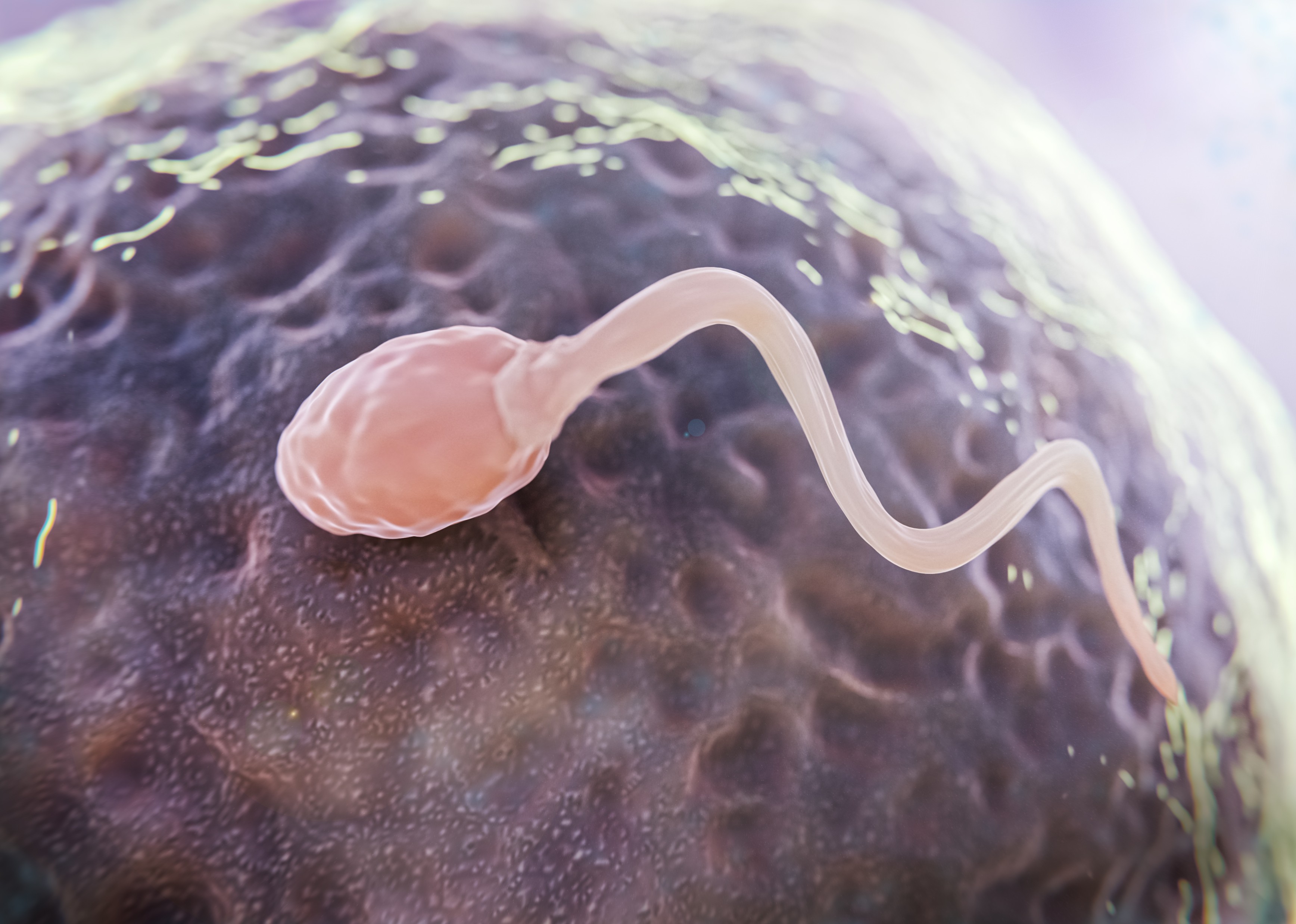
A semen analysis is one of the simplest, most insightful steps in understanding male reproductive health. Here’s a clear, supportive guide to what it measures and what your results actually mean.
A semen analysis is one of the simplest, most insightful steps in understanding male reproductive health. Here’s a clear, supportive guide to what it measures and what your results actually mean.
A semen analysis is one of the simplest, most insightful steps in understanding male reproductive health. Here’s a clear, supportive guide to what it measures and what your results actually mean.

Whether you're trying to conceive naturally or through fertility treatments like IVF, understanding how sleep influences your fertility can empower you to optimize your health.
Whether you're trying to conceive naturally or through fertility treatments like IVF, understanding how sleep influences your fertility can empower you to optimize your health.
Whether you're trying to conceive naturally or through fertility treatments like IVF, understanding how sleep influences your fertility can empower you to optimize your health.
Your questions.
Answered.
Evaluating Izana for your practice?
These answers cover the questions clinics usually ask.
How does Izana fit into a clinic’s existing workflow?
Izana works alongside your current consultation and treatment process. Patients complete assessments digitally before or during care, and clinicians receive structured insights without changing medical protocols or adding staff burden.
How does Izana fit into a clinic’s existing workflow?
Izana works alongside your current consultation and treatment process. Patients complete assessments digitally before or during care, and clinicians receive structured insights without changing medical protocols or adding staff burden.
Does Izana replace doctor consultations or counselling?
Does Izana replace doctor consultations or counselling?
No. Izana is a clinical support system, not a replacement for medical judgement. It standardizes lifestyle and fertility related counselling so doctors can focus on diagnosis and treatment decisions.
How does Izana support IVF outcomes before and during treatment?
How does Izana support IVF outcomes before and during treatment?
Izana addresses modifiable lifestyle and male fertility factors before treatment begins and continues structured guidance during stimulation and treatment phases, supporting better patient readiness and adherence throughout care.
Is Izana suitable for both female and male fertility assessment?
Is Izana suitable for both female and male fertility assessment?
Yes. Izana includes dedicated female, male, and couple level assessments. This helps clinics systematically include male fertility in counselling and reduces imbalance in infertility discussions.
What kind of data do doctors and clinics receive?
What kind of data do doctors and clinics receive?
Clinics receive clear, actionable summaries highlighting risk areas, counselling priorities, and readiness indicators. Izana avoids raw data overload and presents information designed for fast clinical review.
Is Izana compliant with medical ethics and clinical standards?
Is Izana compliant with medical ethics and clinical standards?
Izana is built as a decision support and counselling aid, grounded in peer reviewed fertility and nutrition research. It does not provide diagnosis or treatment recommendations and can be aligned with each clinic’s protocols.
Your questions.
Answered.
Evaluating Izana for your practice?
These answers cover the questions clinics usually ask.
How does Izana fit into a clinic’s existing workflow?
Izana works alongside your current consultation and treatment process. Patients complete assessments digitally before or during care, and clinicians receive structured insights without changing medical protocols or adding staff burden.
How does Izana fit into a clinic’s existing workflow?
Izana works alongside your current consultation and treatment process. Patients complete assessments digitally before or during care, and clinicians receive structured insights without changing medical protocols or adding staff burden.
Does Izana replace doctor consultations or counselling?
Does Izana replace doctor consultations or counselling?
No. Izana is a clinical support system, not a replacement for medical judgement. It standardizes lifestyle and fertility related counselling so doctors can focus on diagnosis and treatment decisions.
How does Izana support IVF outcomes before and during treatment?
How does Izana support IVF outcomes before and during treatment?
Izana addresses modifiable lifestyle and male fertility factors before treatment begins and continues structured guidance during stimulation and treatment phases, supporting better patient readiness and adherence throughout care.
Is Izana suitable for both female and male fertility assessment?
Is Izana suitable for both female and male fertility assessment?
Yes. Izana includes dedicated female, male, and couple level assessments. This helps clinics systematically include male fertility in counselling and reduces imbalance in infertility discussions.
What kind of data do doctors and clinics receive?
What kind of data do doctors and clinics receive?
Clinics receive clear, actionable summaries highlighting risk areas, counselling priorities, and readiness indicators. Izana avoids raw data overload and presents information designed for fast clinical review.
Is Izana compliant with medical ethics and clinical standards?
Is Izana compliant with medical ethics and clinical standards?
Izana is built as a decision support and counselling aid, grounded in peer reviewed fertility and nutrition research. It does not provide diagnosis or treatment recommendations and can be aligned with each clinic’s protocols.
Your questions.
Answered.
Evaluating Izana for your practice?
These answers cover the questions clinics usually ask.
How does Izana fit into a clinic’s existing workflow?
Izana works alongside your current consultation and treatment process. Patients complete assessments digitally before or during care, and clinicians receive structured insights without changing medical protocols or adding staff burden.
How does Izana fit into a clinic’s existing workflow?
Izana works alongside your current consultation and treatment process. Patients complete assessments digitally before or during care, and clinicians receive structured insights without changing medical protocols or adding staff burden.
Does Izana replace doctor consultations or counselling?
Does Izana replace doctor consultations or counselling?
No. Izana is a clinical support system, not a replacement for medical judgement. It standardizes lifestyle and fertility related counselling so doctors can focus on diagnosis and treatment decisions.
How does Izana support IVF outcomes before and during treatment?
How does Izana support IVF outcomes before and during treatment?
Izana addresses modifiable lifestyle and male fertility factors before treatment begins and continues structured guidance during stimulation and treatment phases, supporting better patient readiness and adherence throughout care.
Is Izana suitable for both female and male fertility assessment?
Is Izana suitable for both female and male fertility assessment?
Yes. Izana includes dedicated female, male, and couple level assessments. This helps clinics systematically include male fertility in counselling and reduces imbalance in infertility discussions.
What kind of data do doctors and clinics receive?
What kind of data do doctors and clinics receive?
Clinics receive clear, actionable summaries highlighting risk areas, counselling priorities, and readiness indicators. Izana avoids raw data overload and presents information designed for fast clinical review.
Is Izana compliant with medical ethics and clinical standards?
Is Izana compliant with medical ethics and clinical standards?
Izana is built as a decision support and counselling aid, grounded in peer reviewed fertility and nutrition research. It does not provide diagnosis or treatment recommendations and can be aligned with each clinic’s protocols.