- 1Understand your menstrual cycle's four distinct phases: menstrual, follicular, ovulatory, and luteal, each driven by unique hormone shifts.
- 2Align your diet and exercise with each cycle phase to support hormonal balance and energy levels.
- 3Practice tailored self care and lifestyle adjustments to mitigate symptoms like PMS and boost overall well being.
- 4Track your cycle diligently using simple methods to unlock deeper insights into your body's rhythms.
- 5Empower yourself to take confident action by listening to your body's signals and challenging conventional norms about menstrual health.
A Beginner's Guide to Cycle Syncing Your Life
Feeling like your body has a mind of its own, with unpredictable energy swings, mood shifts, and confusing cravings? Many of us experience this rollercoaster every month, feeling out of sync with our own rhythms. It is an isolating feeling, especially when you are trying to understand your body better, perhaps on a journey to parenthood. We understand this struggle, and we want you to know you are not alone.
Imagine if you could harness the natural power of your menstrual cycle, working with your body instead of constantly fighting against it. This is the essence of cycle syncing: a revolutionary approach to aligning your diet, exercise, and lifestyle with the unique hormonal shifts of your monthly cycle. It is about transforming confusion into clarity and helplessness into empowerment. Let us walk through this together and discover how understanding your hormones can unlock a more balanced and confident you.
- Understand Your Phases: Learn the four distinct stages of your menstrual cycle and their unique hormonal profiles.
- Synchronize Diet & Exercise: Discover specific nutritional and fitness recommendations tailored to each phase to optimize energy and wellbeing.
- Embrace Self Care: Implement lifestyle adjustments to support your body and mind throughout your entire cycle.
- Track for Insight: Use simple methods to monitor your cycle, gaining invaluable knowledge about your body's patterns.
- Empower Your Journey: Challenge conventional norms and take confident, informed steps towards hormonal balance and better health.
Introduction to Cycle Syncing
Cycle syncing is not just a trend; it is a holistic approach to living in harmony with your natural biological rhythms. For too long, women have been expected to maintain a consistent energy level, mood, and productivity, day in and day out, ignoring the powerful hormonal fluctuations that shape our experience. But your body is a symphony of hormones, changing daily, and each phase of your menstrual cycle brings a unique set of strengths and needs.
By understanding these shifts, you can make informed choices about your diet, exercise, work schedule, and social activities. This means leveraging the high energy of one phase for demanding tasks and embracing the need for rest and introspection in another. It is about moving from a one size fits all approach to a personalized understanding of your own unique physiology. We believe this knowledge is a powerful tool for anyone seeking greater wellbeing, improved energy levels, and even support for their fertility journey.
Understanding the Menstrual Cycle Phases
The menstrual cycle is far more than just your period; it is a complex, beautiful dance of hormones preparing your body for potential pregnancy each month. A typical cycle lasts about 21 to 35 days, with day one marking the start of your period. Let us break down the four key phases.
Menstrual Phase: Hormone Levels & Symptoms
This phase typically lasts 3 to 7 days, beginning on the first day of your period. It signifies the shedding of the uterine lining because pregnancy did not occur. Hormonally, both estrogen and progesterone are at their lowest levels. This drop triggers the shedding of the uterine wall. You might experience common period symptoms such as cramping, fatigue, bloating, and sometimes mood swings.
During this time, your body is doing a lot of work. Think of it as a reset button, but one that requires significant energy. It is a time for introspection, rest, and gentle care. We encourage you to honor your body's signals for downtime during this phase.
Follicular Phase: What Happens & Benefits
Following your period, the follicular phase begins, overlapping with your menstrual phase and lasting roughly 7 to 10 days. During this time, the pituitary gland releases Follicle Stimulating Hormone (FSH), which stimulates follicles in your ovaries to mature an egg. As these follicles grow, they produce increasing amounts of estrogen. Estrogen is a wonderful hormone that makes you feel more energetic, focused, and socially confident.
This rise in estrogen can boost your mood, improve your cognitive function, and increase your energy levels. You might find yourself feeling more creative, outgoing, and ready to take on new projects. It is a prime time for planning, learning, and engaging in more challenging activities.
Ovulatory Phase: Peak Fertility & Energy
The shortest phase, lasting only 3 to 5 days, is when fertility is at its peak. As estrogen levels reach their peak, they trigger a surge in Luteinizing Hormone (LH). This LH surge causes the dominant follicle to rupture, releasing an egg from the ovary. This is ovulation. The egg is viable for about 12 to 24 hours after release.
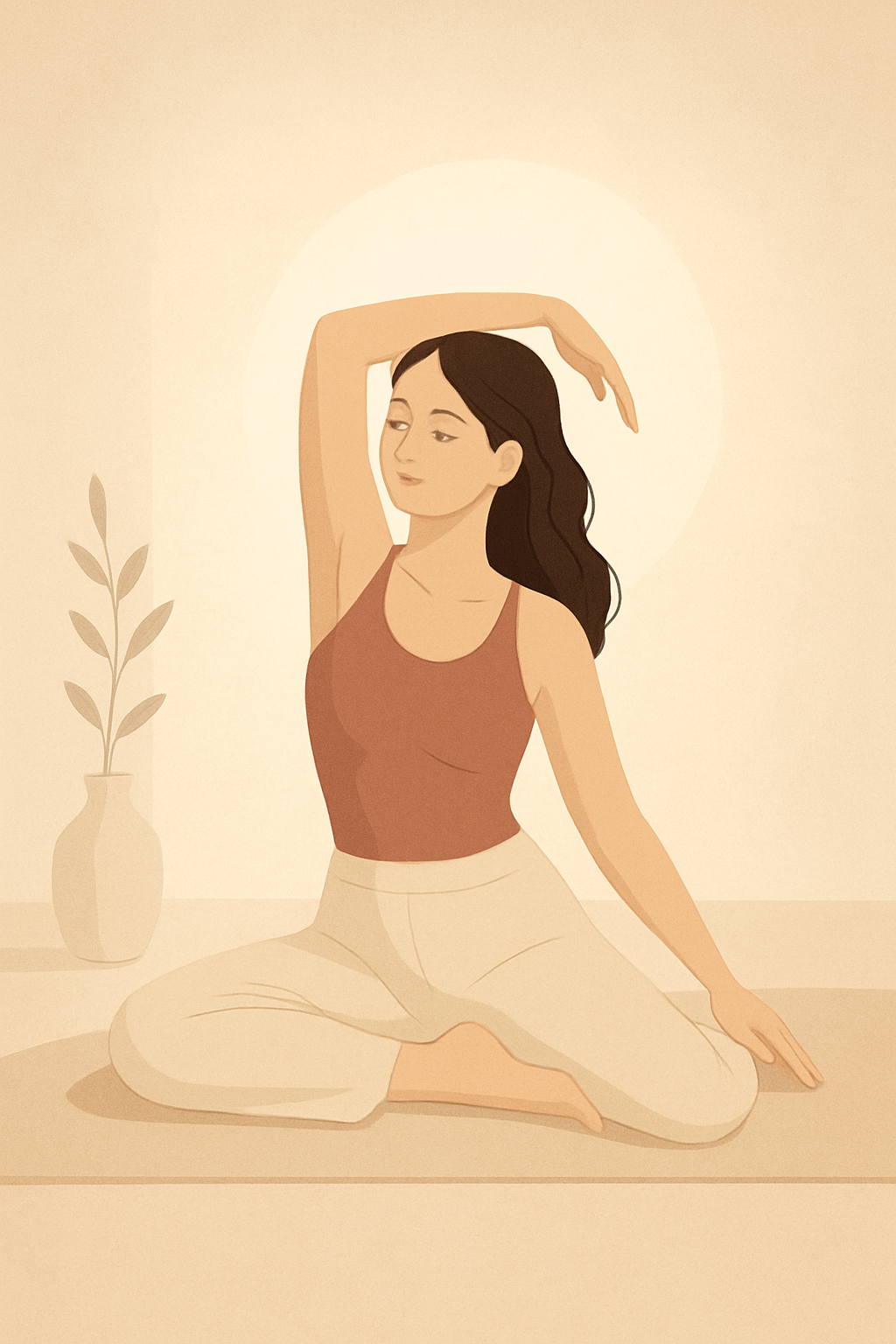
During the ovulatory phase, you often feel your most confident, energetic, and socially vibrant. Your libido may also increase. This is your body at its most outward facing and powerful. If you are trying to conceive, this is your key fertility window. Even if you are not, it is a time to leverage your heightened energy and social prowess.
Luteal Phase: Preparing for Next Cycle & PMS
After ovulation, the luteal phase begins, lasting about 10 to 14 days until your next period. The ruptured follicle transforms into the corpus luteum, which produces progesterone. Progesterone's main role is to thicken the uterine lining and prepare it for a potential pregnancy. If pregnancy does not occur, the corpus luteum breaks down, causing progesterone and estrogen levels to fall, leading to menstruation.
The luteal phase is often associated with premenstrual syndrome (PMS) symptoms like mood swings, irritability, bloating, breast tenderness, and fatigue. The rising progesterone can have a calming effect initially, but the subsequent drop, along with changes in serotonin, can contribute to these challenging symptoms. It is a time for winding down, introspection, and self care as your body prepares for its next cycle.
How to Track Your Cycle
Understanding your unique cycle is the first step to cycle syncing. Thankfully, there are many simple ways to do this:
- Calendar Method: Simply mark the first day of your period as Day 1. Note down key symptoms, energy levels, and moods daily.
- Fertility Tracking Apps: Many apps (like Izana!) help you track your cycle, predict ovulation, and record symptoms. They can provide valuable insights into your patterns.
- Basal Body Temperature (BBT): Taking your temperature every morning before getting out of bed can help confirm ovulation. Your BBT typically rises slightly after ovulation and stays elevated during the luteal phase.
- Cervical Mucus Monitoring: Changes in cervical mucus throughout your cycle can indicate your fertility window. It becomes clear, stretchy, and resembles raw egg whites around ovulation.
- Ovulation Predictor Kits (OPKs): These detect the LH surge that precedes ovulation, giving you a heads up about your most fertile days.
The more consistently you track, the more clearly you will see your body's unique patterns. Remember, every body is different, so what is normal for one person might be different for another. The goal is to learn your normal.
Cycle Syncing Diet Recommendations by Phase
Nutrition is a powerful tool to support your hormonal balance and overall wellbeing throughout your cycle.
- Menstrual Phase:
- Focus: Replenish iron, reduce inflammation, comfort.
- Foods: Iron rich foods like leafy greens, lentils, red meat (if applicable), and dark chocolate. Magnesium rich foods (avocados, nuts, seeds) for cramping. Warming, cooked foods like soups and stews.
- Avoid: Excessive caffeine, processed foods, and high sugar items that can worsen inflammation.
- Follicular Phase:
- Focus: Support estrogen production, energy, and detoxification.
- Foods: Lean proteins, complex carbohydrates (quinoa, oats), fermented foods for gut health (which supports estrogen metabolism), and fresh, vibrant fruits and vegetables.
- Why: Your body is building, so it needs quality nutrients to support follicle growth and increasing energy.
- Ovulatory Phase:
- Focus: Liver support for estrogen metabolism, antioxidants, energy.
- Foods: Cruciferous vegetables (broccoli, cauliflower) for liver support, abundant fresh fruits and vegetables, healthy fats (avocado, nuts, seeds) for hormone production.
- Why: Your estrogen is peaking, so supporting its healthy metabolism is key. These foods also provide sustained energy.
- Luteal Phase:
- Focus: Support progesterone, manage cravings, stabilize blood sugar.
- Foods: Complex carbohydrates to stabilize blood sugar (sweet potatoes, brown rice), magnesium rich foods for PMS relief, B vitamins (leafy greens, eggs) to support progesterone production, and foods rich in tryptophan (turkey, oats) to boost serotonin.
- Why: As progesterone rises, you might experience cravings. Fiber and complex carbs help keep blood sugar steady, reducing mood swings.
Seed Cycling: This popular practice involves consuming specific seeds during different phases to support hormonal balance. For example, flax and pumpkin seeds during the follicular phase to support estrogen, and sesame and sunflower seeds during the luteal phase to support progesterone.
Cycle Syncing Exercise Guidelines by Phase
Your energy levels naturally fluctuate, so why should your workouts always be the same? Aligning your exercise with your cycle can prevent burnout and maximize benefits.
- Menstrual Phase:
- Movement: Gentle, restorative movements.
- Examples: Yin yoga, stretching, walking, light Pilates, rest.
- Why: Your energy is naturally lower, and your body is in a state of release and healing. Pushing too hard can be counterproductive.
- Follicular Phase:
- Movement: Gradually increase intensity and try new things.
- Examples: Strength training, hiking, jogging, dance, group fitness classes.
- Why: Rising estrogen boosts energy and endurance, making it a great time for building strength and trying novel activities.
- Ovulatory Phase:
- Movement: High intensity, peak performance.
- Examples: HIIT (High Intensity Interval Training), power yoga, running, weightlifting, personal best challenges.
- Why: Your energy and strength are at their peak. Leverage this for demanding workouts.
- Luteal Phase:
- Movement: Moderate to low intensity, focus on endurance and mindful movement.
- Examples: Pilates, brisk walking, swimming, cycling, lighter strength training, gentle yoga.
- Why: Progesterone can make you feel more tired. Focus on sustained movement rather than explosive bursts. Towards the end, reduce intensity further to prepare for menstruation.
Lifestyle and Self-Care Tips for Each Phase
Cycle syncing extends beyond just food and fitness; it is about creating a lifestyle that honors your body's innate wisdom.
- Menstrual Phase:
- Self Care: Prioritize rest, journaling, quiet reflection, warm baths, and cozy nights in. Say no to social commitments if you need to.
- Social Life: Lean into solitude or connect with a few close, supportive friends.
- Work: Focus on administrative tasks, organizing, or brainstorming. Avoid high pressure deadlines if possible.
- Follicular Phase:
- Self Care: Plan new projects, learn new skills, try new experiences. Focus on growth and expansion.
- Social Life: Engage in more social activities, meet new people, network.
- Work: Ideal for strategic planning, creative tasks, and starting new initiatives.
- Ovulatory Phase:
- Self Care: Schedule important meetings, presentations, and social events. Embrace your confidence and communication skills.
- Social Life: Host gatherings, go on dates, enjoy being seen and heard.
- Work: Excellent for public speaking, pitching ideas, and collaborations.
- Luteal Phase:
- Self Care: Prioritize self soothing activities, stress management, meal prepping, and setting boundaries. Manage energy carefully to avoid burnout.
- Social Life: Opt for smaller gatherings, spend time with loved ones, or enjoy quiet evenings.
- Work: Focus on detail oriented tasks, wrapping up projects, and reviewing. Prepare for the next cycle's reset.
Common Myths and Misconceptions About Cycle Syncing
As with any evolving wellness concept, cycle syncing comes with its share of myths. Let us clarify a few:
- Myth 1: It is rigid and prescriptive.
- Reality: Cycle syncing is a guide, not a strict set of rules. Your body is unique, and it is about learning to listen to your individual signals. Some days you might feel more energetic than expected during your period, and that is perfectly fine. It is about awareness and adjustment, not perfection.
- Myth 2: It is only for people trying to conceive.
- Reality: While understanding your fertility window is a key benefit, cycle syncing offers profound advantages for anyone with a menstrual cycle, regardless of their family planning goals. It helps with energy management, mood stabilization, PMS relief, and overall hormonal balance.
- Myth 3: You have to follow every single recommendation perfectly.
- Reality: Small, consistent changes make a big difference. Start with one or two areas, like adjusting your workouts or meals during a particular phase, and build from there. The goal is sustainable wellbeing, not overwhelming adherence.
- Myth 4: It will fix all your hormonal problems instantly.
- Reality: Cycle syncing is a powerful tool for optimizing health, but it is not a magic cure for underlying medical conditions like PCOS, endometriosis, or severe hormonal imbalances. It can significantly help manage symptoms and improve overall wellbeing, but it works best in conjunction with medical guidance for specific diagnoses.
Who Can Benefit From Cycle Syncing?
Cycle syncing can be a transformative practice for a wide range of individuals:
- Anyone with a menstrual cycle: Whether you are in your teens, twenties, thirties, or beyond, understanding your cycle can empower you.
- Those experiencing PMS: By supporting your body through the luteal phase, you can often alleviate common symptoms like mood swings, bloating, and fatigue.
- Individuals seeking to optimize fertility: Knowing your fertile window and supporting your body with appropriate nutrition and lifestyle choices can be invaluable on a conception journey.
- People with irregular cycles: While cycle syncing itself might not regularize a very erratic cycle, the tracking aspect can provide crucial data to share with a healthcare provider to understand underlying issues.
- Anyone looking for better energy management: If you constantly feel tired or experience unexplained energy dips, cycle syncing offers a framework to work with your body's natural rhythms.
- Those wanting improved mood and emotional stability: By acknowledging and supporting hormonal shifts, you can foster greater emotional resilience.
Limitations and When to See a Doctor
While cycle syncing is an incredibly empowering practice, it is crucial to understand its limitations. It is a tool for optimizing wellbeing and understanding your body, not a substitute for professional medical advice. We are a trusted friend, but we are also clear about when expert medical attention is needed.
You should consider seeing a doctor if you experience:
- Severely irregular cycles: If your cycles are consistently shorter than 21 days or longer than 35 days, or highly unpredictable.
- Abnormally heavy or prolonged bleeding: Bleeding that soaks through a pad or tampon every hour for several hours, or periods lasting longer than 7 days.
- Severe period pain: Pain that interferes with your daily activities and is not relieved by over the counter pain medication.
- Sudden changes in your cycle: Any abrupt, unexplained shifts in your period's regularity, duration, or flow.
- Symptoms of hormonal imbalance beyond typical PMS: Persistent acne, unexplained weight changes, excessive hair growth, hair loss, or significant mood disturbances.
- Struggling to conceive: If you have been trying to conceive for over a year (or six months if you are over 35) without success, medical evaluation is important.
A healthcare professional can rule out underlying conditions like PCOS, endometriosis, thyroid disorders, or other issues that require specific medical intervention. Cycle syncing can then be a complementary strategy to support your medical treatment.
Conclusion and Encouragement to Listen to Your Body
Embracing cycle syncing is a profound act of self care and empowerment. It is about tuning into the subtle messages your body sends you, day by day, phase by phase. You are not meant to operate at a constant, unvarying pace. Your body is dynamic, intelligent, and deserves to be understood and supported.
By simply becoming aware of your menstrual cycle, you begin to unlock a deeper connection with yourself. You gain the power to make conscious choices about how you nourish your body, how you move, and how you manage your energy. This journey is about reclaiming agency over your reproductive health, challenging the narrative that periods are merely an inconvenience, and instead seeing them as a powerful source of information and strength. We are here to guide you, to simplify the complex, and to empower you every step of the way.
Improve your reproductive health with a personalised plan tailored to your body. When you join Izana, you’re not just choosing a plan. You’re becoming part of a movement that challenges myths, empowers choices, and builds healthier futures. Join the Revolution.