- 1Breathing exercises can immediately activate your parasympathetic nervous system, shifting your body from 'fight or flight' to 'rest and digest' within minutes.
- 2Techniques like 4-7-8 breathing can act as a natural tranquilizer, helping to reduce anxiety and promote relaxation by extending exhalation.
- 3Regular practice, even just 2-5 minutes daily, significantly improves heart rate variability, indicating greater resilience to stress and improved emotional regulation.
- 4Incorporating mindful breathing into routines, like before doctor appointments or during study breaks, offers a portable and immediate tool for anxiety management.
- 5Combining breathwork with progressive muscle relaxation or guided meditation amplifies its effects, providing a holistic approach to managing stress and fostering overall wellbeing.
Breathing Exercises to Calm Your Nerves Before a Doctor's Appointment
We understand that the path to parenthood, or even just navigating routine health check ups, can often come with its own unique set of anxieties. The thought of a doctor's appointment, especially when dealing with fertility concerns, can bring a wave of nervousness, fear, or even overwhelm. It is a completely normal response, and you are not alone in feeling this way. At Izana, we believe in empowering you with tools to navigate these moments with confidence and calm. One of the most powerful and accessible tools at your disposal is your own breath. Let us explore how simple breathing exercises can transform your experience, bringing a sense of peace even in the most stressful situations.
Here is what we will cover:
- Learn how anxiety impacts your breathing and nervous system.
- Discover several effective breathing techniques such as box breathing and 4-7-8 breathing.
- Understand how to integrate mindful breathing into your daily routine.
- Explore complementary relaxation methods like progressive muscle relaxation.
- Gain practical tips for managing anxiety before and during medical appointments.
Understanding the Role of Breathing in Stress and Anxiety
Our breath is much more than just an automatic bodily function. It is a powerful bridge between our mind and body, a direct line to our nervous system. When we experience stress or anxiety, our breathing patterns often change without us even realizing it. We might start taking shallow, rapid breaths from our chest, leading to a feeling of breathlessness or a racing heart. This is our body's ancient fight or flight response kicking in, preparing us for perceived danger. While this response is vital in truly dangerous situations, it can become overactive in everyday stressors, leaving us feeling constantly on edge.
Physiological Effects of Anxiety on Breathing
When anxiety takes hold, your sympathetic nervous system kicks into gear. This system is responsible for the fight or flight response. It triggers a cascade of physiological changes: your heart rate speeds up, blood pressure rises, and your muscles tense. Crucially, your breathing becomes faster and shallower, often leading to hyperventilation. This rapid breathing can throw off the balance of oxygen and carbon dioxide in your blood, which in turn can intensify feelings of panic, dizziness, and further anxiety. It is a feedback loop: anxiety causes altered breathing, which then exacerbates anxiety symptoms.
Conversely, deep, slow breathing activates your parasympathetic nervous system, often called the "rest and digest" system. This system helps to calm your body down, lowering your heart rate, relaxing your muscles, and promoting a sense of peace. By consciously controlling your breath, you can essentially send a signal to your brain that you are safe, allowing your body to switch from a state of alarm to one of calm. This ability to influence your autonomic nervous system through breath is truly empowering.
Importance of Breath Control
The beauty of breath control lies in its immediacy and accessibility. You carry your breath with you everywhere, making it an ever present tool for stress management and anxiety management. Conscious breathing allows you to interrupt the anxiety cycle, preventing it from escalating. It is not about stopping your feelings, but about providing your body with the physiological cues it needs to return to a state of balance. By learning to intentionally shift your breathing patterns, you gain a remarkable degree of control over your internal state, which can make all the difference when facing a potentially stressful event like a doctor's appointment or even exam stress.
This skill also enhances your body's heart rate variability, a key indicator of your nervous system's flexibility and resilience to stress. Higher heart rate variability is associated with better emotional regulation and overall well being. Mastering breath control is a profound act of self care, allowing you to create a sanctuary of calm within yourself, regardless of external circumstances.
Common Breathing Techniques for Stress Relief
Now that we understand the power of our breath, let us explore some practical calming techniques you can easily incorporate into your routine. Remember, consistency is key, so find what resonates with you and practice it regularly.
Deep Breathing / Diaphragmatic Breathing
Often called "belly breathing," deep breathing or diaphragmatic breathing is foundational to many other techniques. It encourages you to breathe from your diaphragm, rather than your chest, promoting fuller oxygen exchange and activating the parasympathetic nervous system.
How to do it:
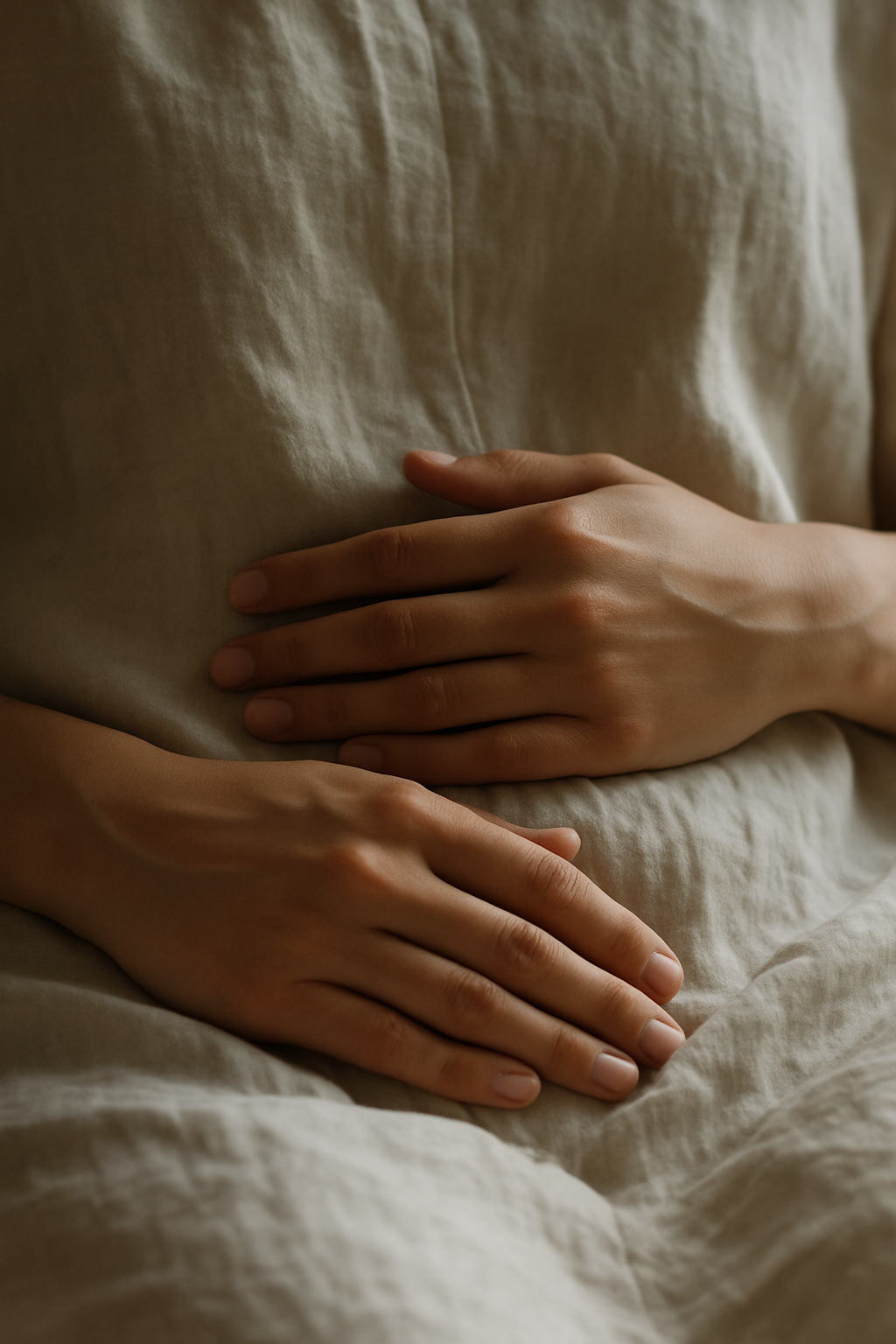
- Lie down or sit comfortably. Place one hand on your chest and the other on your abdomen, just below your rib cage.
- Inhale slowly and deeply through your nose, feeling your abdomen rise. Your chest hand should remain relatively still.
- Exhale slowly through your mouth, gently pressing your abdomen inward to help expel all the air.
- Repeat for 5 to 10 minutes, focusing on the gentle rise and fall of your abdomen.
Box Breathing (Square Breathing)
Box breathing is a simple yet incredibly effective technique used to calm the nervous system and enhance focus. It involves counting to four for each phase of the breath, creating a "box" or "square" pattern.
How to do it:
- Exhale completely to a count of four.
- Hold your breath for a count of four.
- Inhale slowly through your nose to a count of four.
- Hold your breath for a count of four.
- Repeat the cycle for several minutes.
Pursed Lip Breathing
Pursed lip breathing helps to slow down your breathing, making each exhalation longer and more controlled. This can be particularly useful when you feel short of breath or panicky, as it helps keep your airways open longer.
How to do it:
- Relax your neck and shoulder muscles.
- Inhale slowly through your nose for two counts, keeping your mouth closed.
- Pucker your lips as if you are about to whistle or blow out a candle.
- Exhale slowly and gently through your pursed lips for a count of four or more. Your exhalation should be at least twice as long as your inhalation.
- Repeat several times until you feel calmer.
Alternate Nostril Breathing (Nadi Shodhana)
From ancient yogic traditions, alternate nostril breathing is believed to balance the left and right hemispheres of the brain, promoting mental clarity and reducing stress. It is a wonderful relaxation technique for centering yourself.
How to do it:
- Sit comfortably with a straight spine.
- Close your right nostril with your right thumb. Inhale deeply through your left nostril.
- Close your left nostril with your ring finger, releasing your thumb from your right nostril. Exhale slowly through your right nostril.
- Now, inhale through your right nostril.
- Close your right nostril with your thumb, releasing your ring finger from your left nostril. Exhale slowly through your left nostril.
- This completes one cycle. Continue alternating for 5 to 10 minutes.
Breath Focus and Mindfulness Based Breathing
Breath focus is a core component of mindfulness and mindful breathing practices. It involves simply paying attention to the sensation of your breath without trying to change it. This grounds you in the present moment, drawing your attention away from worrying thoughts.
How to do it:
- Find a quiet place to sit or lie down.
- Close your eyes gently if comfortable.
- Bring your full attention to your breath. Notice the sensation of the air entering and leaving your body. Is it cool as it enters, warm as it leaves? What does your belly or chest feel like?
- When your mind wanders, which it inevitably will, gently bring your attention back to your breath without judgment.
- Practice for 10 to 20 minutes daily.
We believe that understanding your body's signals is the first step toward reclaiming your peace. Your breath is always with you, a constant companion on your journey.
Lion's Breath and Humming Bee Breath (Bhramari)
These two techniques offer unique ways to release tension and soothe the nervous system.
Lion's Breath (Simhasana) is an invigorating breath that helps release tension in the face and throat and encourages self expression.
How to do it:
- Sit comfortably.
- Take a deep breath through your nose.
- Open your mouth wide, stick out your tongue, and exhale forcefully with an audible “haaaaa” sound, as if roaring like a lion.
- Gaze upward at your third eye point.
- Repeat 3 to 5 times.
Humming Bee Breath (Bhramari Pranayama) is a wonderfully calming practice that uses the soothing vibration of a humming sound to quiet the mind and reduce stress. It can feel like a gentle internal massage.
How to do it:
- Sit in a comfortable position.
- Close your eyes.
- Place your index fingers on the cartilage between your cheek and ear.
- Take a deep breath in.
- As you exhale, gently press your index fingers and make a steady humming sound, like a bee.
- Feel the vibration throughout your head.
- Continue for 5 to 10 rounds.
4-7-8 Breathing Technique
Developed by Dr. Andrew Weil, the 4-7-8 breathing technique is often described as a natural tranquilizer for the nervous system. It helps reduce stress and promote relaxation, making it excellent for falling asleep or calming pre appointment jitters.
How to do it:
- Sit with your back straight.
- Place the tip of your tongue against the ridge of tissue just behind your upper front teeth, and keep it there throughout the entire breathing exercise.
- Exhale completely through your mouth, making a whoosh sound.
- Close your mouth and inhale quietly through your nose to a mental count of four.
- Hold your breath for a count of seven.
- Exhale completely through your mouth, making a whoosh sound to a count of eight.
- This completes one breath. Inhale again and repeat the cycle three more times for a total of four breaths.
Resonant and Equal Breathing
Resonant breathing, also known as coherent breathing, aims to find your natural resonant frequency, typically around 5 to 6 breaths per minute. This rhythm is optimal for maximizing heart rate variability and promoting deep physiological calm.
How to do it:
- Inhale for a count of 5.
- Exhale for a count of 5.
- Continue this smooth, continuous cycle, gradually finding a rhythm that feels comfortable and natural for you. You can use apps or timers to guide your counts.
Equal breathing (Sama Vritti) simply means making your inhales and exhales the same length. This balances the nervous system and can be deeply calming.
How to do it:
- Inhale for a count of 4 (or 5 or 6, whatever is comfortable).
- Exhale for the same count of 4 (or 5 or 6).
- Focus on making the breath smooth and even, without pauses.
How to Practice Breathing Exercises Safely and Effectively
To truly benefit from these breathing exercises, a little preparation and consistency go a long way. Think of it as creating a calm ritual for yourself.
Preparing Your Environment and Body Posture
Find a quiet, comfortable space where you will not be disturbed. This might be a corner of your room, a peaceful spot in your garden, or even your car before an appointment. Dim the lights if you can, or ensure the lighting is soft. Wear loose, comfortable clothing that does not restrict your breathing. For your body posture, sit upright with a straight but relaxed spine, allowing your diaphragm to move freely. If sitting is uncomfortable, you can lie down on your back with your knees bent and feet flat on the floor.
Recommended Duration and Frequency
For beginners, starting with short sessions of 2 to 5 minutes, once or twice a day, is ideal. As you become more comfortable, gradually increase the duration to 10 to 20 minutes per session. Consistency is more important than length. Daily practice builds resilience and makes it easier to tap into these techniques when you need them most, such as right before a doctor's appointment. Even a few conscious breaths can make a significant difference in a moment of stress.

Gradual Progression and Listening to Your Body
Do not feel pressured to master every technique immediately. Start with one or two that feel most accessible and effective for you. Pay attention to how your body responds. If you feel dizzy or lightheaded, ease up or stop. It is a gentle practice, not a performance. The goal is to cultivate a sense of calm, not to add another layer of stress. Your journey with breathwork is personal, so be patient and kind to yourself as you explore these powerful tools.
Additional Relaxation Techniques to Complement Breathing
While breathing is incredibly powerful, combining it with other relaxation methods can enhance its effects, creating a holistic approach to stress relief.
Progressive Muscle Relaxation
Progressive muscle relaxation (PMR) involves tensing and then relaxing different muscle groups throughout your body. This practice helps you become more aware of physical tension and learn how to release it.
How to do it:
- Find a comfortable position.
- Start with your feet. Tense the muscles in your feet tightly for 5 seconds, then completely relax them, noticing the difference.
- Move up your body, tensing and relaxing each muscle group: calves, thighs, glutes, abdomen, chest, arms, hands, shoulders, neck, and face.
- Focus on the sensation of relaxation as you release each muscle group.
Guided Meditation and Mindfulness
Guided meditation and mindfulness practices often incorporate breath focus as a central element. Listening to a guided audio can help you stay present and learn to observe your thoughts and feelings without judgment. There are many apps and online resources available that offer guided meditations specifically for stress and anxiety, or even for preparing for medical procedures.
Movement Based Relaxation (Yoga, Walking Meditation)
Gentle movement, when approached mindfully, can also be a profound form of relaxation. Practices like yoga combine physical postures, breathing exercises, and meditation to promote harmony between body and mind. Even a simple walking meditation, where you focus on the sensation of your feet on the ground and the rhythm of your breath, can be incredibly grounding and reduce anxiety. The key is to engage with the movement consciously, rather than letting your mind wander into worries.
Managing Anxiety Before and During Stressful Events
Facing a doctor's appointment or any high stakes situation can trigger significant anxiety. Here is how you can proactively use these tools.
Breathing Techniques to Use Before Medical Appointments or Exams
In the hours leading up to your appointment, choose a quiet moment for a 10 to 15 minute session of box breathing or 4-7-8 breathing. These techniques are excellent for calming your nervous system and promoting mental clarity. As you travel to the clinic, you can practice diaphragmatic breathing subtly, placing your hand on your abdomen to ensure deep, steady breaths. If you are preparing for an exam stress, incorporate these breathing patterns into your study breaks to maintain focus and reduce overwhelming feelings.
Tips for Reducing Anxiety in Waiting Rooms and Medical Environments
Waiting rooms can feel like a vortex of anticipation. Here are some quick anxiety management tips:
- Engage your senses: Notice the colors, sounds (without judgment), or a comforting scent if you have one.
- Grounding: Feel your feet on the floor, your body in the chair. This brings you into the present.
- Short breath cycles: Practice pursed lip breathing or a few rounds of equal breathing discreetly. No one needs to know you are practicing.
- Distraction: Read a book, listen to calming music, or engage in a simple puzzle on your phone.
- Positive visualization: Imagine a successful appointment and a positive outcome.
Remember, your body has an innate capacity for calm, and breathwork helps you unlock it. You are taking powerful steps toward supporting your overall well being on your path to parenthood.
When to Seek Professional Help
While breathing exercises and relaxation techniques are incredibly powerful, it is important to recognize their limits. If your anxiety is persistent, overwhelming, or significantly interfering with your daily life, relationships, or your ability to pursue your fertility journey, please consider reaching out to a mental health professional. A therapist, counselor, or doctor can provide personalized strategies, diagnosis, and support, which may include cognitive behavioral therapy (CBT), medication, or other forms of stress relief tailored to your needs. There is immense strength in asking for help, and it is a vital part of taking comprehensive care of yourself.
Frequently Asked Questions
We often hear common questions about integrating breathwork into daily life, so let us address some of them here.
- Q: How quickly do breathing exercises work for anxiety?
- A: Many people experience immediate relief within minutes of practicing conscious breathing. The more regularly you practice, the more effective and quicker the response becomes over time.
- Q: Can breathing exercises help with chronic stress?
- A: Absolutely. Regular practice of breathing exercises can significantly reduce the physiological impact of chronic stress, improve heart rate variability, and enhance your overall resilience to stressors.
- Q: Are there any risks or side effects?
- A: For most people, breathing exercises are safe. However, if you have certain medical conditions, especially respiratory or cardiac issues, it is always best to consult with your doctor before starting new practices. Some people may initially feel lightheaded; if this happens, simply return to your normal breathing and take a break.
- Q: How do I make breathing exercises a habit?
- A: Start small, tie it to an existing habit (like brushing your teeth or your morning tea), use reminders, or find an accountability partner. The key is consistency, even if it is just a few minutes a day. Izana encourages mindful practices that fit seamlessly into your life.
- Q: Can children benefit from breathing exercises?
- A: Yes, children can greatly benefit from simple breathing exercises to manage stress, improve focus, and calm down. Techniques like box breathing or balloon breathing (imagine your belly is a balloon inflating and deflating) can be taught in a fun, engaging way.
Conclusion and Next Steps for Incorporating Breathwork into Daily Life
Navigating the complexities of health and fertility can be an emotional marathon. We have explored the profound impact your breath has on your nervous system and armed you with a variety of powerful breathing patterns to cultivate calm, reduce anxiety, and foster inner peace. From the grounding practice of diaphragmatic breathing to the balancing effects of alternate nostril breathing and the instant calm of 4-7-8 breathing, you now possess a toolkit for stress relief that is always with you.
Remember, this is not just about coping with doctor's appointments; it is about building a foundation of resilience and well being for every aspect of your life. Every conscious breath you take is a step towards greater self awareness and control. You have the power to influence your internal state, to transform moments of overwhelm into opportunities for calm. Embrace these practices as an essential part of your journey, a way to nurture yourself mentally and emotionally.
Are you ready to truly understand and support your body on your path to parenthood? Improve your reproductive health with a personalised plan tailored to your body. When you join Izana, you are not just choosing a plan you are becoming part of a movement that challenges myths, empowers choices, and builds healthier futures. Join the Revolution.