- 1Your body produces four key happy hormones: dopamine for reward and motivation, serotonin for mood stability, oxytocin for bonding, and endorphins for natural pain relief.
- 2Engage in regular physical activity for 10-15 minutes daily to boost endorphins and dopamine, improving mood and reducing stress.
- 3Prioritize sunlight exposure for serotonin and Vitamin D synthesis, and consume foods rich in tryptophan (eggs, nuts) and tyrosine (lean meats, fish) to support neurotransmitter production.
- 4Cultivate social connections, practice mindfulness, and pursue enjoyable activities to stimulate oxytocin and further enhance emotional wellbeing.
- 5While natural methods are powerful, seek professional help for persistent low mood or anxiety, as early intervention can lead to better mental health outcomes.
The Science of "Happy Hormones": How to Boost Serotonin and Dopamine Naturally
In life's intricate dance, especially when you are navigating the often challenging path to parenthood, it is easy to feel overwhelmed, isolated, or simply out of sync. We understand this journey can bring immense emotional weight, and sometimes, it feels like your own body is working against you. But what if we told you that within you lies a powerful internal pharmacy, capable of influencing your mood, energy, and overall wellbeing? We are talking about your "happy hormones" dopamine, serotonin, oxytocin, and endorphins. Understanding these incredible neurotransmitters and how to naturally support their production can be a game changer, offering you a sense of control and peace amidst uncertainty.
At Izana, we believe in empowering you with knowledge. We are here to simplify the complex science and provide you with actionable, evidence based strategies to nurture your mental health and emotional wellbeing. Let us embark on this journey together to understand and harness the power of your happy hormones, fostering a clearer, more confident path forward.
- Understand Your Internal Pharmacy: Learn about the four key happy hormones dopamine, serotonin, oxytocin, and endorphins, and their unique roles in regulating your mood and overall wellbeing.
- Embrace Movement: Discover how regular exercise and physical activity are powerful natural boosters for endorphins and dopamine, enhancing your mood and reducing stress.
- Nourish Your Body and Mind: Explore dietary choices rich in tryptophan and protein, along with the benefits of sunlight exposure for vitamin D, to support optimal hormone production.
- Cultivate Connection: Recognize the profound impact of social bonding, affection, laughter, and mindfulness practices in stimulating oxytocin and promoting relaxation.
- Empower Your Wellbeing: Gain actionable strategies to integrate these natural hormone boosting methods into your daily life, creating a foundation for sustained happiness and resilience.
What Are Happy Hormones?
When we talk about "happy hormones," we are referring to a group of chemical messengers in your brain, known as neurotransmitters, that play crucial roles in regulating your mood, emotions, and overall wellbeing. They are the unsung heroes behind feelings of pleasure, happiness, love, connection, and even pain relief. These powerful compounds are naturally produced by your body and are essential for maintaining mental health and emotional balance. Imagine them as the conductors of your internal orchestra, orchestrating your emotional responses and influencing everything from your sleep patterns to your motivation levels. A balanced production of these hormones contributes significantly to your sense of contentment and resilience, which is particularly vital when navigating the often stressful journey towards conception and parenthood.
The Four Key Happy Hormones
Let us delve deeper into the specific roles of these magnificent four, understanding how each contributes to your overall sense of happiness and wellbeing.
Dopamine – The Reward Hormone
Dopamine is often dubbed the "reward hormone" because it is central to your brain's reward system. It is what drives motivation, makes you feel pleasure, and helps you learn and focus. When you achieve a goal, eat a delicious meal, or experience something new and exciting, your brain releases dopamine, creating a feeling of satisfaction and encouraging you to repeat those actions. This neurotransmitter is crucial not just for short term bursts of happiness but also for long term motivation and the pursuit of goals, including those on your fertility journey. A healthy dopamine balance means you feel more engaged, productive, and optimistic about your efforts.
Serotonin – The Mood Stabilizer
Serotonin is perhaps the most well known of the happy hormones, largely recognized for its role as a mood stabilizer. It influences not just your mood, but also sleep, appetite, digestion, learning ability, and memory. Adequate serotonin levels are linked to feelings of calm, focus, and emotional stability. Conversely, imbalances in serotonin are often associated with feelings of anxiety and depression. Interestingly, a significant portion of your body's serotonin is produced in your gut, highlighting the profound connection between gut health and mental wellbeing. Nurturing your gut can, in turn, help in maintaining healthy serotonin levels.
Oxytocin – The Love Hormone
Oxytocin is the hormone of love, bonding, and social connection. It is released during physical affection, such as hugs, cuddles, and intimacy, as well as during childbirth and breastfeeding. This powerful hormone fosters feelings of trust, empathy, and attachment, strengthening social bonds and reducing stress. Imagine it as the invisible thread that connects us to our loved ones, making us feel safe, secure, and supported. For couples navigating a fertility journey, nurturing oxytocin release through shared intimacy and emotional connection can be incredibly supportive, helping to manage stress and deepen your partnership.
Endorphins – The Natural Painkillers
Endorphins are your body's natural painkillers and mood elevators. Released in response to stress, pain, or vigorous physical activity, they create feelings of euphoria and wellbeing, often described as a "runner's high." These neurotransmitters act similarly to opioid drugs but are entirely natural and beneficial. They help you push through discomfort, reduce feelings of anxiety, and provide a sense of overall contentment. Incorporating activities that trigger endorphin release can be a wonderful way to manage the physical and emotional challenges that may arise on your path to parenthood.
Why Are Happy Hormones Important?
These happy hormones are not just about fleeting moments of joy; they are fundamental to your sustained mental health and overall quality of life. They regulate your stress response, improve sleep quality, enhance cognitive function, and foster stronger social connections. When these hormones are in balance, you are better equipped to handle life's stressors, maintain a positive outlook, and engage meaningfully with the world around you. For those on a conception journey, managing stress and cultivating a positive mental state are paramount, as chronic stress can impact hormonal balance and reproductive health. By understanding and actively boosting these neurotransmitters, you are not just chasing happiness; you are investing in your resilience, your emotional foundation, and ultimately, your wellbeing. This holistic approach empowers you to navigate challenges with greater calm and confidence, knowing you are actively supporting your body and mind.

How to Naturally Boost Happy Hormones
The good news is that you have a significant role to play in encouraging your body to produce more of these beneficial hormones. Small, consistent lifestyle adjustments can lead to profound improvements in your mood regulation and overall happiness. Let us explore some powerful, natural strategies.
Exercise and Physical Activity
Regular physical activity is one of the most effective ways to boost your happy hormones. When you engage in exercise, particularly moderate to intense activities, your body releases a cascade of endorphins, leading to that characteristic feeling of euphoria and reduced pain perception. Exercise also increases dopamine, contributing to feelings of accomplishment and motivation. It does not have to be an intense gym session; even a brisk walk, dancing, yoga, or swimming can make a significant difference. Find an activity you enjoy and make it a consistent part of your routine. Remember, movement is medicine, for both your body and your mind.
Sunlight and Vitamin D
Exposure to natural sunlight is a simple yet powerful way to elevate your mood. Sunlight stimulates the production of serotonin in your brain. Furthermore, sunlight exposure helps your body synthesize Vitamin D, which plays a crucial role in many bodily functions, including mood regulation and hormone balance. Aim for 10 to 15 minutes of direct sunlight exposure each day, especially in the morning, while being mindful of skin protection. For those in India, where sunlight is abundant, this is an easily accessible tool for boosting wellbeing. If sunlight exposure is limited, discuss Vitamin D supplements with a healthcare professional.
Nutrition and Foods That Support Hormone Production
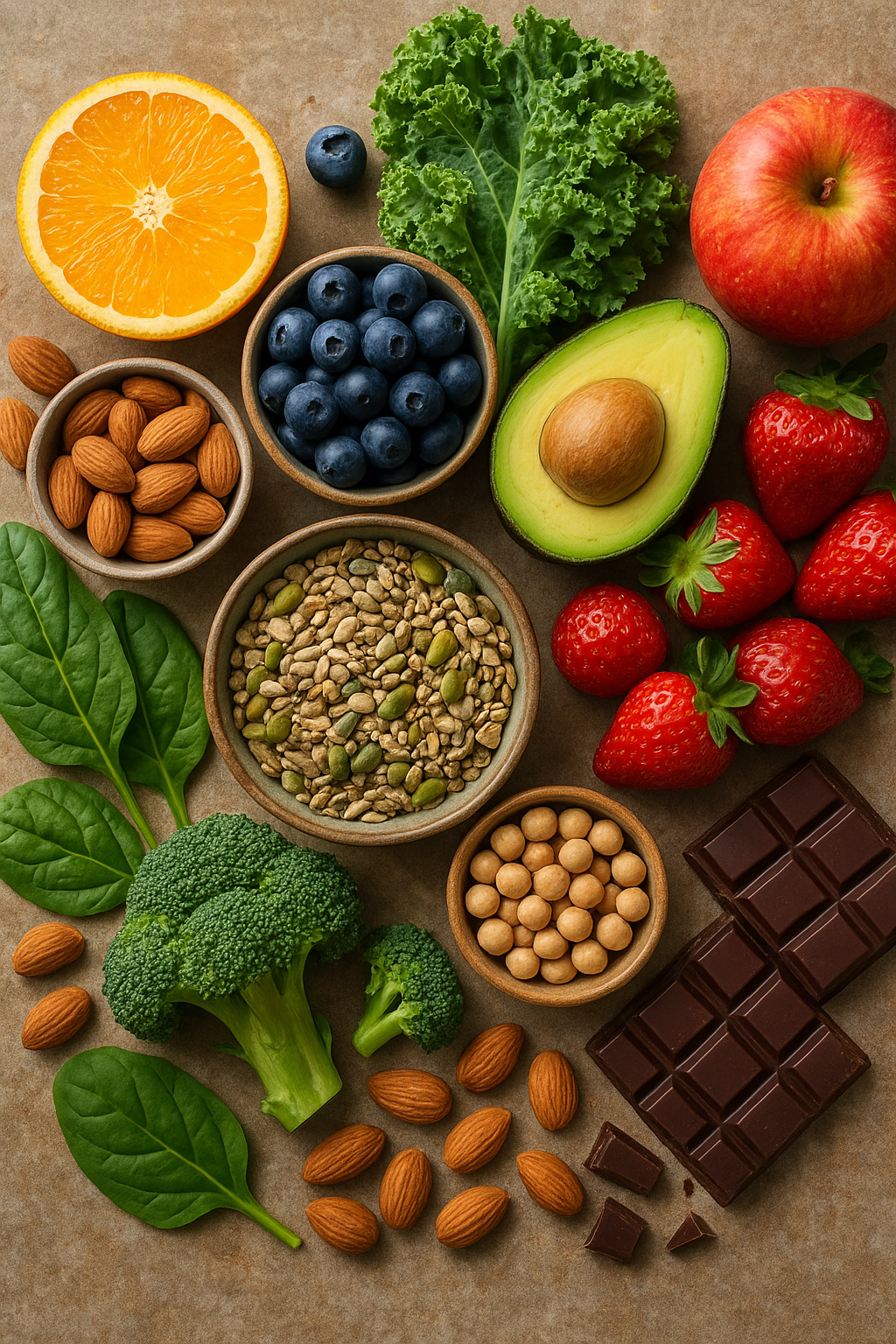
What you eat profoundly impacts your brain chemistry and hormone balance. To boost serotonin, focus on foods rich in tryptophan, an amino acid precursor to serotonin. These include eggs, cheese, turkey, tofu, salmon, nuts, and seeds. Complex carbohydrates, often found in whole grains like brown rice and oats, can help tryptophan reach your brain. For dopamine, protein rich foods such as lean meats, poultry, fish, dairy, and legumes are beneficial as they contain tyrosine, another amino acid precursor. Dark chocolate is also known to stimulate endorphin and serotonin release, offering a delicious mood boost in moderation. Do not forget the importance of gut health, as a healthy gut microbiome supports serotonin production; incorporating probiotics and fiber rich foods like fermented foods, fruits, and vegetables can be incredibly helpful.
Social Connection, Affection, and Pet Interaction
Humans are inherently social creatures, and genuine connection is a potent source of happy hormones, particularly oxytocin. Spending quality time with loved ones, sharing heartfelt conversations, giving and receiving hugs, and engaging in physical affection all stimulate oxytocin release. This fosters feelings of trust, security, and belonging, which are vital for emotional wellbeing. If you have a pet, interacting with them cuddling, playing, or simply being in their presence can also release oxytocin, offering comfort and companionship. Prioritizing social bonding is not just enjoyable; it is a fundamental aspect of nurturing your happy hormones.
Meditation and Mindfulness Practices
In our fast paced world, stress relief is more important than ever. Meditation and mindfulness practices are powerful tools for calming the nervous system, reducing stress hormones like cortisol, and promoting the release of happy hormones. Practicing mindfulness involves focusing on the present moment without judgment, which can significantly improve mood regulation and foster a sense of inner peace. Even short periods of daily meditation, deep breathing exercises, or simply taking a few moments to appreciate your surroundings can make a difference. These practices train your brain to respond to stress more effectively, enhancing your overall wellbeing.
Laughter and Enjoyable Activities
Laughter truly is the best medicine, and there is scientific backing to prove it. A good laugh triggers the release of endorphins, providing immediate stress relief and a sense of lightness. Seek out opportunities for genuine laughter whether it is watching a comedy, spending time with humorous friends, or simply allowing yourself to be playful. Engaging in enjoyable activities, hobbies, and creative expression also plays a crucial role in boosting dopamine. Whether it is painting, playing music, gardening, or reading, pursuing your passions provides a sense of accomplishment and pleasure, reinforcing your brain's reward system.
Massage and Physical Touch
Beyond social affection, professional massage therapy or even self massage can significantly impact your happy hormone levels. Massage is known to reduce cortisol (the stress hormone) and increase oxytocin, serotonin, and dopamine. The gentle pressure and therapeutic touch promote relaxation, ease muscle tension, and enhance feelings of wellbeing. This form of physical touch is a powerful way to stimulate your body's natural feel good chemicals, offering a deeply calming and restorative experience for both mind and body. Consider incorporating regular massage into your self care routine.
Creative Expression and Goal Achievement
Engaging in creative activities, whether it is writing, drawing, cooking, or even problem solving, can be a fantastic way to boost dopamine. The process of creation and the satisfaction of bringing something new into existence trigger your brain's reward circuits. Setting and achieving small, manageable goals also provides a consistent stream of dopamine. On your path to parenthood, breaking down larger goals into smaller, achievable steps and celebrating each milestone can keep your motivation high and your happy hormones flowing. This sense of progress and mastery is incredibly empowering.
Supplements – Pros and Cons
While natural strategies are often the first and best line of defense for boosting happy hormones, some supplements are marketed for mood support. These might include Vitamin D, B vitamins, Omega 3 fatty acids, or herbal remedies like St. John's Wort. While some individuals report benefits, it is crucial to approach supplements with caution. The scientific evidence for many is mixed, and they can sometimes interact with medications or have unwanted side effects. For example, tryptophan supplements can elevate serotonin, but should be used under guidance. We always recommend discussing any potential supplements with a qualified healthcare professional, especially when on a fertility journey, to ensure safety and appropriateness for your unique body and circumstances. Natural methods, consistently applied, often provide the safest and most sustainable path to hormone balance.
When to Seek Professional Help
While cultivating happy hormones through lifestyle changes is incredibly empowering, it is also important to recognize when professional support is needed. If you consistently experience prolonged periods of low mood, persistent sadness, loss of interest in activities you once enjoyed, significant changes in sleep or appetite, or overwhelming anxiety, these could be signs of a more serious mental health condition. Conditions like clinical depression or chronic anxiety often require more than lifestyle adjustments alone. Reach out to a doctor, a therapist, or a mental health professional. They can provide a proper diagnosis, offer tailored guidance, and explore treatment options that may include therapy or medication, if necessary. Remember, seeking help is a sign of strength, and you do not have to navigate these challenges alone. Izana is committed to supporting your holistic wellbeing, which includes encouraging you to seek expert care when needed.
Conclusion: Cultivating Happiness Through Lifestyle
Your emotional landscape is dynamic, influenced by a complex interplay of biology, environment, and lifestyle. By understanding the science of your "happy hormones" dopamine, serotonin, oxytocin, and endorphins, you gain powerful tools to actively participate in your own wellbeing. We have explored a range of natural, evidence based strategies, from embracing physical activity and nourishing your body with nutrient rich foods, to fostering deep social connections and practicing mindfulness. These are not quick fixes, but rather a holistic approach to cultivating sustained happiness, resilience, and emotional balance.
Remember, the journey towards parenthood can be filled with ups and downs. By intentionally integrating these mood boosting practices into your daily life, you are not only enhancing your personal wellbeing but also creating a more supportive internal environment for whatever comes next. You have the power to influence your emotional state, and every small, consistent effort contributes to a richer, more confident, and happier you. Let us walk this path together, transforming understanding into empowerment.
Improve your reproductive health with a personalised plan tailored to your body. When you join Izana, you are not just choosing a plan you are becoming part of a movement that challenges myths, empowers choices, and builds healthier futures. Join the Revolution.