- 1Engage in at least 30 minutes of moderate exercise most days of the week, adapting to your comfort and energy levels.
- 2Incorporate exercises like walking, prenatal yoga, and light strength training using resistance bands or your own body weight.
- 3Prioritize pelvic floor exercises (Kegels) and deep breathing to prepare your body for labor and aid postpartum recovery.
- 4Listen carefully to your body, stay hydrated, and avoid exercises that put you at risk of falling or overheating.
- 5Always consult your healthcare provider before starting any new exercise routine to ensure it is appropriate for your individual pregnancy.
Simple Exercises for a Healthy Pregnancy
Engaging in simple, safe exercises throughout pregnancy offers numerous benefits, from alleviating common discomforts to preparing your body for labor and postpartum recovery. Incorporating activities like walking, yoga, and targeted strength training can significantly enhance your wellbeing and support a healthier pregnancy journey.
- Exercise during pregnancy can reduce back pain and improve sleep.
- Listen to your body and adapt your routine as your pregnancy progresses.
- Focus on pelvic floor and core strength for labor preparation.
- Stay hydrated and avoid exercises that put you at risk of falling or overheating.
- Consult your healthcare provider before starting any new exercise regimen.
Introduction: Why Exercise During Pregnancy Matters
When you are expecting, your body undergoes incredible changes. While rest is important, staying active can be a powerful tool for a healthier and more comfortable pregnancy. We understand that the thought of exercising might feel daunting amidst morning sickness, fatigue, and the countless adjustments your body is making. But fear not, gentle and consistent movement can truly transform your experience.
At Izana, we believe in empowering you with evidence based knowledge and compassionate support. This guide is designed to simplify the world of prenatal exercise, showing you how simple movements can make a profound difference. Think of us as your brilliant, trusted friend, helping you navigate this beautiful journey with confidence and clarity.
Benefits of Exercise During Pregnancy
Regular, appropriate exercise during pregnancy offers a wealth of advantages for both you and your baby. These benefits extend beyond physical wellbeing, positively impacting your mental and emotional health too.
- Reduces back pain: Strengthening core and back muscles helps support your changing posture.
- Improves mood and energy levels: Physical activity releases endorphins, natural mood boosters.
- Promotes better sleep: Exercise can help regulate sleep patterns, combating pregnancy related insomnia.
- Prevents excessive weight gain: Maintaining a healthy weight gain supports overall pregnancy health.
- Prepares for labor: Building stamina and strength can make labor more manageable.
- Lowers risk of gestational diabetes and preeclampsia: Regular activity contributes to better blood sugar control and blood pressure.
- Aids in postpartum recovery: A strong body recovers more efficiently after childbirth.
- Boosts circulation: Helps reduce swelling and varicose veins.
Essential Safety Guidelines
Before beginning any new exercise program, it is crucial to consult your healthcare provider. Every pregnancy is unique, and what is safe for one person may not be for another. Listen to your body and adjust as needed.
- Hydrate: Drink plenty of water before, during, and after exercise.
- Avoid overheating: Dress in layers, exercise in cool environments, and avoid hot baths or saunas.
- Listen to your body: Stop if you feel dizzy, faint, experience pain, or have any vaginal bleeding.
- Avoid exercises with a risk of falling: Steer clear of activities like horseback riding, skiing, or contact sports.
- Modify as pregnancy progresses: Adjust intensity, duration, and type of exercise.
- Avoid lying flat on your back after the first trimester: This can compress a major blood vessel and reduce blood flow to your baby.
- Maintain good posture: Support your growing belly and avoid strain on your back.
First Trimester Exercises (0-13 weeks)
The first trimester can be challenging with fatigue and morning sickness. The key is to start gently and build consistency. Even short bursts of activity can be beneficial.
Safe Pregnancy Exercises First Trimester Include:
- Walking: A fantastic low impact cardiovascular exercise. Aim for 30 minutes most days of the week, even if broken into shorter segments.
- Prenatal Yoga: Focuses on gentle stretching, strengthening, and breathing. Look for classes specifically designed for pregnant women.
- Swimming: The buoyancy of water can relieve pressure on your joints and back.
- Light Strength Training: Use light weights or resistance bands. Focus on major muscle groups with controlled movements. Avoid lifting heavy weights.
- Pelvic Tilts: Lie on your back (only for short periods in the first trimester, or on an incline), gently rock your pelvis to flatten your lower back against the floor, then release. This helps alleviate back pain.
- Cat Cow Stretch: On all fours, gently arch your back on an inhale (cow pose) and round your back on an exhale (cat pose). This improves spinal flexibility.
Remember, it is about maintaining activity, not achieving new fitness goals during this delicate phase.
Second Trimester: Building Strength (14-27 weeks)
Often considered the 'golden' trimester, many women experience a surge in energy and a reduction in morning sickness. This is a great time to build on your fitness foundation and focus on exercises that support your growing body and prepare for labor.
Focus Areas Include:
- Walking/Brisk Walking: Continue with walking, perhaps increasing pace or duration if comfortable.
- Prenatal Yoga and Pilates: These are excellent for building core strength, flexibility, and body awareness, which are crucial for labor.
- Swimming/Water Aerobics: Continue to enjoy the low impact benefits of water based exercises.
- Strength Training with Resistance Bands or Light Weights:
- Wall Push Ups: Stand facing a wall, place hands shoulder width apart on the wall, and gently lean in for a modified push up.
- Squats: Keep your feet shoulder width apart, lower your hips as if sitting in a chair, keeping your back straight. Hold onto a chair for support if needed.
- Leg Lifts: While standing or lying on your side, gently lift one leg to the side or back, engaging your glutes.
- Glute Bridge: Lie on your back (with a pillow under your head to elevate it after the first trimester, or on an incline), bend your knees, and lift your hips off the floor, squeezing your glutes.
- Pelvic Floor Exercises (Kegels): Start practicing these now. Contract the muscles you would use to stop urine flow, hold for a few seconds, then relax. Regular practice strengthens these vital muscles for birth and recovery.
Third Trimester: Preparing for Delivery (28-40 weeks)
As you approach your due date, comfort becomes paramount. Your focus shifts from building strength to maintaining flexibility, easing discomfort, and preparing your body for the birthing process. Listen intently to your body and prioritize rest when needed.
Effective Pregnancy Exercises Third Trimester:
- Walking: Continue with gentle walks. They help keep you mobile and can encourage the baby to descend.
- Prenatal Yoga: Focus on hip opening poses and relaxation techniques.
- Pelvic Tilts and Cat Cow: These remain excellent for easing back discomfort and promoting pelvic mobility.
- Birthing Ball Exercises:
- Gentle Bouncing: Sitting on a birthing ball and gently bouncing can relieve pressure and encourage pelvic opening.
- Pelvic Rocks: Rock your pelvis back and forth or in circles while sitting on the ball. This aids in hip mobility.
- Deep Breathing Exercises: Practice controlled breathing, which is invaluable for managing labor pain and stress.
- Squats (Modified): Use a chair or counter for support. Squats help open the pelvis and strengthen legs.
- Butterfly Stretch: Sit with the soles of your feet together, knees out to the sides. Gently press your knees towards the floor.
Towards the end of pregnancy, it is perfectly normal to scale back on intensity and focus more on comfort and gentle movement. Remember, every movement counts.
Essential Stretching Exercises for Pregnancy
Stretching is key to maintaining flexibility and alleviating common pregnancy aches and pains.
- Neck Rolls: Gently roll your head from side to side, easing tension in the neck and shoulders.
- Shoulder Rolls: Roll your shoulders forwards and backwards to release upper back tension.
- Arm and Chest Stretches: Gently stretch your arms overhead or across your body.
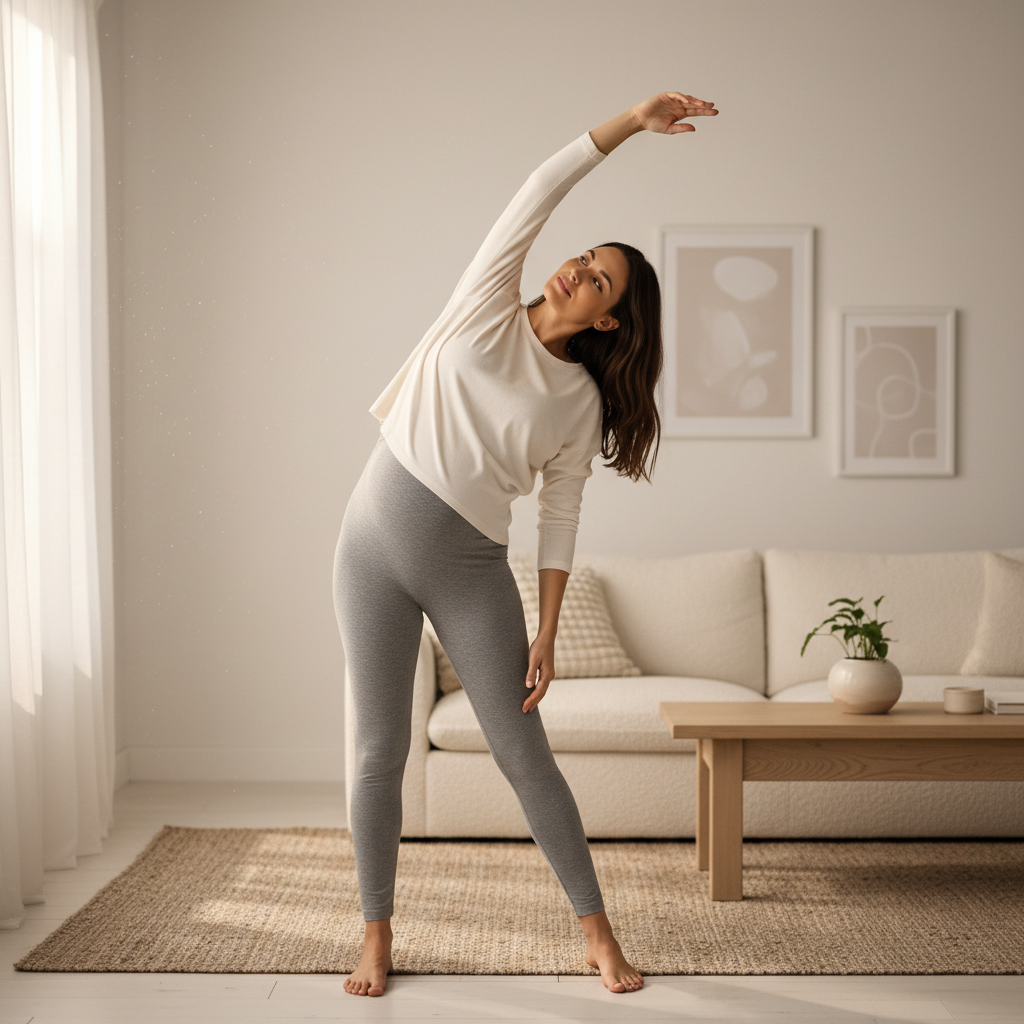
- Side Bends: Stand tall and gently lean to one side, stretching the opposite side of your torso.
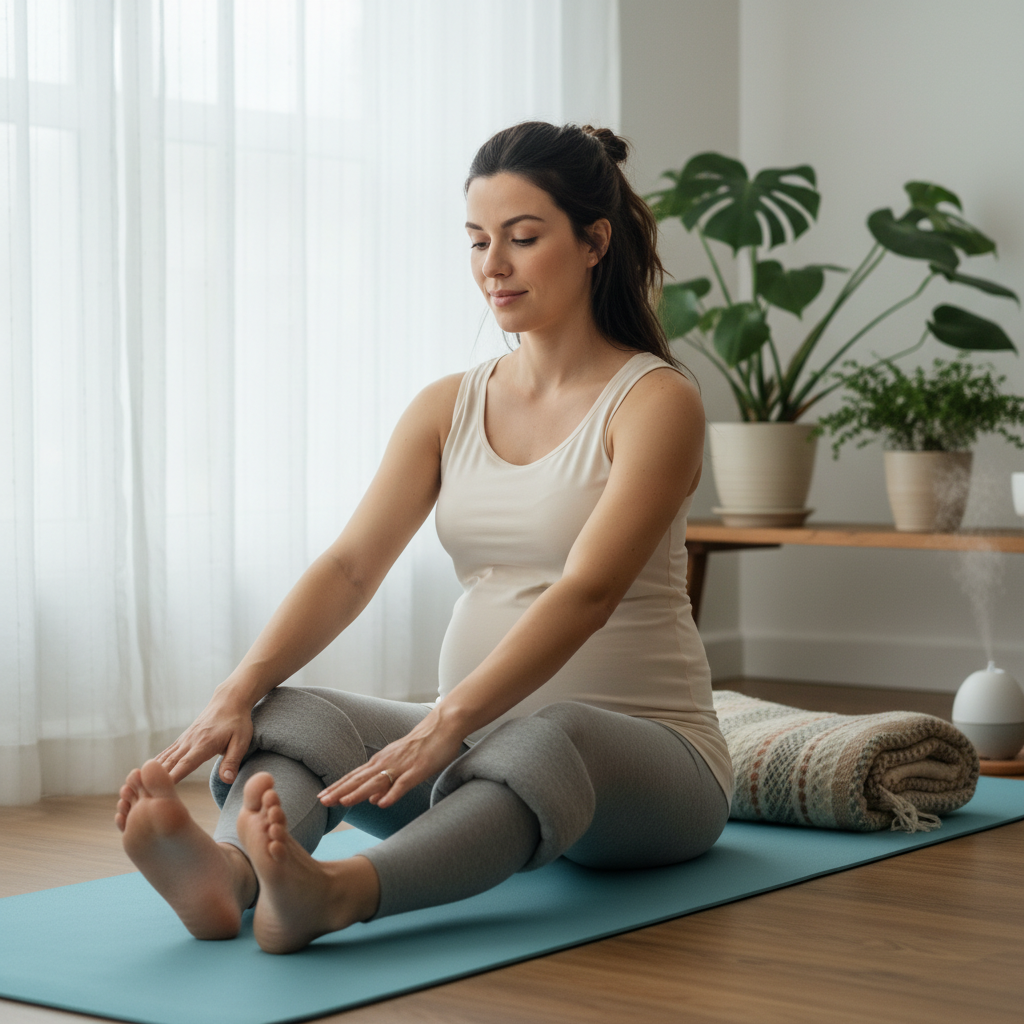
- Hamstring Stretches: Sit on the floor with one leg extended, gently reach for your toes.
- Calf Stretches: Stand facing a wall, place hands on the wall, step one leg back, keeping heel on the floor.
Hold each stretch for 20-30 seconds, breathing deeply, and avoid bouncing.
Creating Your Home Exercise Routine
Consistency is more important than intensity. Aim for 30 minutes of moderate intensity exercise most days of the week, or break it into 10 minute segments throughout the day. Listen to your body and adjust based on your energy levels.
Sample Weekly Schedule:
| Day | Activity | Duration |
|---|---|---|
| Monday | Brisk Walking or Swimming | 30 minutes |
| Tuesday | Prenatal Yoga or Pilates | 30-45 minutes |
| Wednesday | Rest or Gentle Stretching | 15-20 minutes |
| Thursday | Light Strength Training (wall push ups, squats, glute bridge) | 20-30 minutes |
| Friday | Walking or Birthing Ball Exercises | 30 minutes |
| Saturday | Rest or Leisurely Walk | Variable |
| Sunday | Rest or Gentle Yoga | Variable |
When to Modify or Stop
Your body is working incredibly hard during pregnancy. It is vital to recognize warning signs that indicate you need to slow down or stop exercising and consult your healthcare provider immediately.
- Vaginal bleeding or fluid leakage.
- Dizziness or feeling faint.
- Shortness of breath before exertion.
- Chest pain or headaches.
- Muscle weakness affecting balance.
- Calf pain or swelling.
- Uterine contractions.
It is always better to be cautious and seek medical advice if you have any concerns. Your wellbeing and your baby's health are the top priority.
Building Confidence for Labor
Exercise during pregnancy does more than just keep you physically fit; it also builds mental resilience and confidence, qualities that are incredibly valuable during labor and childbirth. By strengthening your core, practicing controlled breathing, and understanding your body's capabilities, you are actively preparing for the marathon of labor.
The consistent effort you put into prenatal exercise translates into better stamina, improved pain coping mechanisms, and a greater sense of control. This empowerment is a gift you give yourself, not just for delivery, but for the journey into motherhood. Remember, every squat, every walk, and every mindful breath is a step towards a more confident and prepared you. Your body is capable, and we at Izana are here to remind you of that strength. Learn more about how Izana supports your journey by visiting Izana: How It Works.
Questions to Ask Your Clinic
- Are there any specific exercises I should avoid given my individual health history?
- What is the recommended heart rate zone for me during exercise?
- How can I best adapt my exercise routine if I experience specific discomforts like pelvic pain?
- When should I consider stopping exercise and resting more?
- Are there any local prenatal exercise classes or resources you recommend?
Sources
- American College of Obstetricians and Gynecologists (ACOG). Physical Activity and Exercise During Pregnancy and the Postpartum Period. Committee Opinion No. 804.
- Gaston A, et al. Exercise during pregnancy: a review of the current evidence. J Obstet Gynaecol Can. 2013 May;35(5):472-478.
- NHS. Exercise in pregnancy.
Improve your reproductive health with a personalised plan tailored to your body. When you join Izana, you are not just choosing a plan, you are becoming part of a movement that challenges myths, empowers choices, and builds healthier futures. Join the Revolution