- 1Identify the main causes of blocked fallopian tubes, including Pelvic Inflammatory Disease and endometriosis.
- 2Understand the key diagnostic tools used to detect tubal blockages, such as Hysterosalpingography (HSG) and laparoscopy.
- 3Explore effective treatment paths, including surgical options like tubal cannulation and advanced assisted reproductive techniques like In Vitro Fertilization (IVF).
- 4Recognise that while natural remedies lack scientific backing for unblocking tubes, a healthy lifestyle supports overall reproductive wellness.
- 5Be aware of the potential risks and complications associated with various treatment options to make informed decisions for your health.
Blocked Fallopian Tubes: Your Guide to Diagnosis and Treatment Options
Receiving news about a potential fertility challenge can feel incredibly isolating and overwhelming. We know the journey to parenthood is often filled with questions, and when it comes to conditions like blocked fallopian tubes, the confusion can feel even greater. You are not alone in navigating this. We are here to simplify the complex, offering you clear, compassionate guidance and the wisdom of science, so you can feel empowered on your path.
Understanding what blocked fallopian tubes mean for your body and your dreams of conception is the first vital step. Let's walk through this together, equipping you with the knowledge to make informed decisions for your reproductive health. Here's a brief overview of what we will cover:
- Fallopian tubes are essential pathways for egg and sperm to meet, and for the embryo to reach the uterus.
- Blockages can arise from various factors such as infections (like Pelvic Inflammatory Disease), endometriosis, or prior surgeries.
- Diagnosis often involves specialised imaging tests like Hysterosalpingography (HSG) or, in some cases, laparoscopy.
- Treatment options range from surgical interventions to assisted reproductive technologies like In Vitro Fertilization (IVF).
- Empowering yourself with knowledge and seeking personalised care is crucial for navigating this aspect of your fertility journey.
What Are Fallopian Tubes?
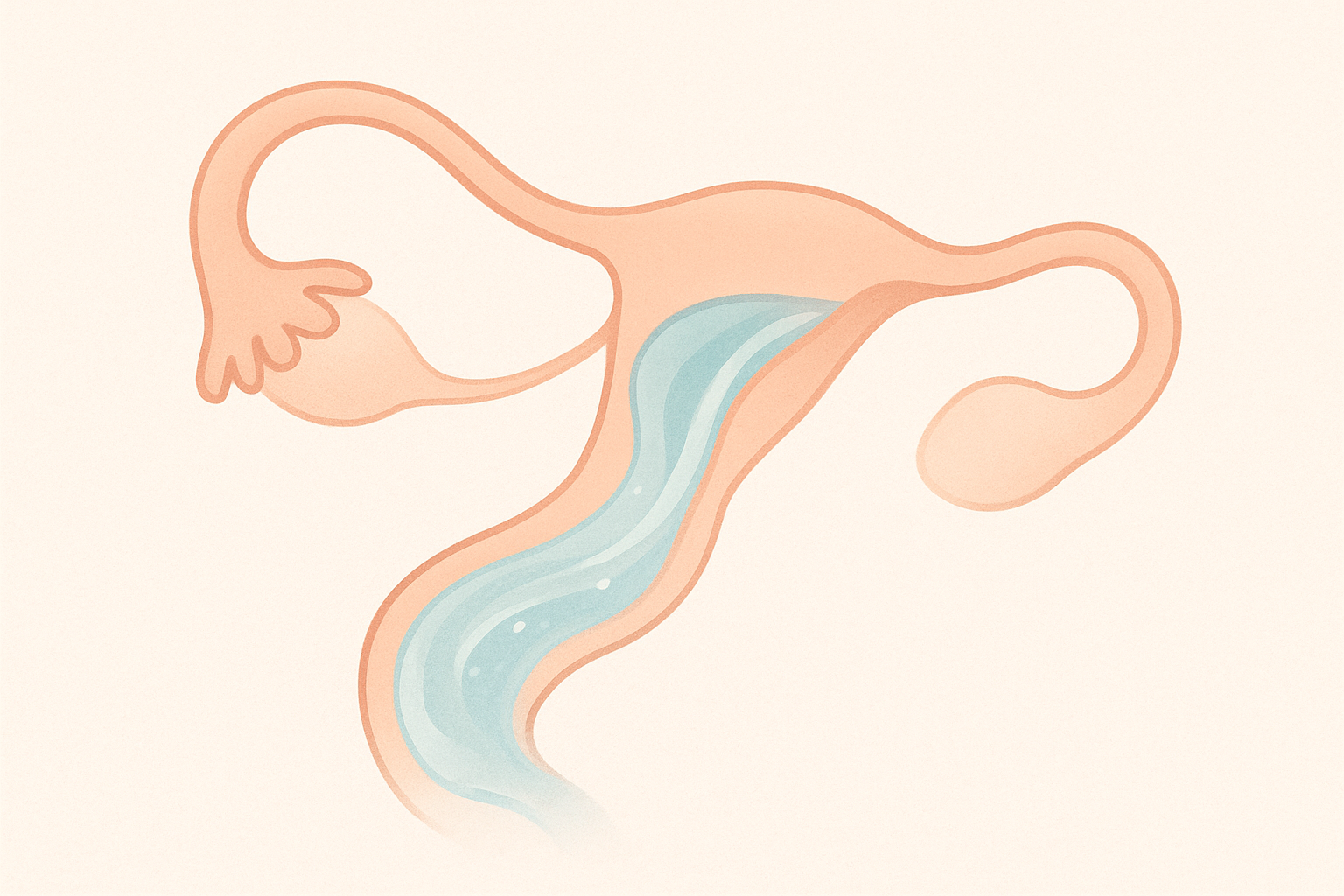
Let's begin by understanding these incredible structures in your body. The fallopian tubes are two delicate, muscular tubes, each about 10 to 14 centimeters long, extending from your uterus to your ovaries. Think of them as vital bridges or pathways. Every month, during ovulation, one of your ovaries releases an egg. The fimbriae, which are finger like projections at the end of the fallopian tube, gently sweep the egg into the tube.
Once inside, the egg begins its journey towards the uterus, propelled by tiny, hair like cilia lining the tube. This is also where fertilisation typically happens. If sperm are present, they travel up the uterus and into the fallopian tube to meet the egg. The fallopian tube is the critical site where sperm and egg unite, leading to conception. After fertilisation, the newly formed embryo continues its journey down the tube, eventually implanting in the uterine wall. When these pathways are blocked, this entire process can be disrupted, impacting your ability to conceive naturally.
What Causes Blocked Fallopian Tubes?
So, what can cause these essential pathways to become obstructed? Blocked fallopian tubes, also known as tubal occlusion or tubal factor infertility, can be caused by a variety of conditions that lead to inflammation, scar tissue formation, or structural damage. It's important to understand these causes to better grasp your diagnosis.
Pelvic Inflammatory Disease (PID)
Pelvic Inflammatory Disease, or PID, is one of the most common culprits behind blocked fallopian tubes. This infection of the female reproductive organs is usually caused by sexually transmitted infections (STIs) such as chlamydia and gonorrhoea, though other bacteria can also be responsible. If left untreated, PID can lead to significant inflammation and scarring within the fallopian tubes, damaging the delicate cilia and causing complete or partial blockages. It is a silent condition for many, meaning you might not even know you have it until you face challenges with conception.
Endometriosis
Endometriosis is a condition where tissue similar to the lining of your uterus grows outside the uterus, often on the ovaries, fallopian tubes, and other pelvic organs. This misplaced tissue can cause inflammation, adhesions (scar tissue), and even cysts (endometriomas) that can physically block the fallopian tubes. Furthermore, the inflammation associated with endometriosis can impair the normal function of the tubes and ovaries, contributing to infertility.
Previous Surgeries and Infections
Prior abdominal surgery, especially those involving the pelvic area such as appendectomies or C sections, can sometimes lead to the formation of scar tissue or adhesions that can kink or block the fallopian tubes. Similarly, any previous pelvic infection, not necessarily PID, can also result in inflammation and subsequent scarring. Even a ruptured appendix or fibroids can sometimes contribute to tubal obstruction by creating adhesions or pressure.
Hydrosalpinx and Other Causes
A specific type of blockage called hydrosalpinx occurs when the end of a fallopian tube near the ovary becomes blocked and fills with fluid. This fluid filled, swollen tube not only creates a physical barrier but also releases fluid that can be toxic to an embryo, potentially reducing the success rates of fertility treatments like IVF. Other less common causes include tuberculosis, particularly prevalent in some parts of India, or congenital anomalies where the tubes do not form correctly. Previous ectopic pregnancy can also damage a tube, increasing the risk of future blockages or repeat ectopic pregnancies.
Understanding these potential causes helps us approach your specific situation with precision and empathy. Each body is unique, and so is the story of its challenges.
Symptoms of Blocked Fallopian Tubes
One of the challenging aspects of blocked fallopian tubes is that they often do not present with obvious symptoms. Many women discover they have a blockage only when they are struggling to conceive and seek fertility investigations. In some cases, however, there can be subtle signs to watch for.
If the blockage is due to Pelvic Inflammatory Disease (PID), you might experience symptoms such as chronic pelvic pain, unusual vaginal discharge, painful periods, pain during intercourse, or fever. Hydrosalpinx might sometimes cause a dull, persistent abdominal pain or an unusual vaginal discharge. However, it is crucial to remember that the absence of these symptoms does not rule out tubal obstruction. The most common "symptom" is simply the inability to get pregnant after a year of trying, or six months if you are over 35.
Diagnosis of Blocked Fallopian Tubes
Accurate diagnosis is paramount to understanding your specific situation and guiding your treatment plan. Because tubal blockages often have no external symptoms, medical professionals rely on specialised tests to visualise the fallopian tubes. Let's explore the primary diagnostic methods.
Hysterosalpingography (HSG)
Hysterosalpingography, or HSG, is a common and usually the first diagnostic test used to check for blocked fallopian tubes. This outpatient X ray procedure involves injecting a special dye through your cervix into your uterus. As the dye fills your uterus and flows into your fallopian tubes, X ray images are taken. If the tubes are open, the dye will spill out into the abdominal cavity, indicating patency. If there is a blockage, the dye will stop flowing at the point of obstruction. While HSG can be uncomfortable, many women describe it as mild to moderate cramping. It provides valuable information about the structure of your uterus and the patency of your tubes.
Sonohysterography and Ultrasound
While standard ultrasound cannot directly confirm blocked fallopian tubes, it can sometimes reveal signs consistent with blockages, such as a hydrosalpinx (a fluid filled fallopian tube). Sonohysterography, also known as saline infusion sonography (SIS), involves injecting saline solution into the uterus and performing an ultrasound. While primarily used to evaluate the uterine cavity, it can sometimes offer indirect clues about tubal patency, though it is not as definitive as HSG for tubal assessment.
Laparoscopy
Laparoscopy is a minimally invasive surgical procedure that is considered the gold standard for diagnosing and, in some cases, treating tubal factor infertility. During a laparoscopy, a small incision is made near your navel, and a thin, lighted scope (laparoscope) is inserted. This allows the surgeon to directly visualise your reproductive organs, including the fallopian tubes, ovaries, and uterus. The surgeon can identify blockages, scar tissue, endometriosis, or other pelvic abnormalities. Dye can also be injected through the cervix to confirm tubal patency during the procedure. While it is a surgical procedure requiring anaesthesia, it offers the most comprehensive assessment and can often address issues found during the same sitting.
Effects of Blocked Fallopian Tubes on Fertility
The impact of blocked fallopian tubes on your fertility journey can be significant. If both fallopian tubes are completely blocked, natural conception is impossible because the sperm cannot reach the egg, and the fertilised egg cannot reach the uterus. If only one tube is blocked, natural conception may still be possible, but your chances are reduced by roughly half, as ovulation might occur from the side with the blocked tube.
Furthermore, even a partial blockage or a hydrosalpinx can hinder fertility. A partial blockage may allow sperm to pass through but impede the embryo's journey, increasing the risk of an ectopic pregnancy where the embryo implants outside the uterus, usually in the fallopian tube itself. Hydrosalpinx fluid can also create a hostile environment for embryos, reducing the success rates of both natural conception and assisted reproductive technologies. This is why a clear diagnosis is so important; it helps us understand the specific challenges your body faces.
Treatment Options
Discovering you have blocked fallopian tubes can feel daunting, but it is important to remember that there are effective treatment options available. The best approach for you will depend on the cause, location, and severity of the blockage, as well as your overall reproductive health and personal preferences. We are here to help you understand each path.
Surgical Treatments (Laparoscopy, Tubal Surgery)
For certain types of blockages, surgical intervention can be a viable option. Often performed via laparoscopy, tubal surgery aims to repair or open the fallopian tubes. Types of tubal surgery include:
- Salpingostomy: If the end of the tube near the ovary is blocked by hydrosalpinx, a salpingostomy creates a new opening.
- Fimbrioplasty: This procedure repairs the fimbriae, the finger like projections that capture the egg, if they are damaged or scarred.
- Tubal reanastomosis: For women who have had a tubal ligation (sterilisation) and wish to reverse it, tubal reanastomosis reconnects the severed parts of the tube.
The success rates of tubal surgery vary widely depending on the extent of the damage, the patient's age, and other fertility factors. While surgery can restore patency, it does not always restore normal function, and there is an increased risk of ectopic pregnancy after tubal repair.
Tubal Cannulation
Tubal cannulation is a less invasive procedure that can be considered for blockages close to the uterus (proximal tubal occlusion). During this procedure, a thin catheter is guided through the uterus and into the fallopian tube to clear the obstruction. It is often performed under X ray or hysteroscopic guidance and can be effective for certain types of blockages, particularly those caused by mucus plugs or minor adhesions. However, it is not suitable for all blockages, especially those further along the tube or caused by significant scarring or hydrosalpinx.
Tubal Ligation Reversal
As mentioned, tubal ligation reversal, or tubal reanastomosis, is a specific type of tubal surgery. For women who previously underwent sterilisation and now wish to conceive, this procedure aims to reconnect the fallopian tubes. Success rates depend on the method of the original ligation, the length of the remaining healthy tube, and the woman's age and ovarian reserve. It is a significant decision and should be discussed thoroughly with your fertility specialist.
Assisted Reproductive Techniques (IVF)
For many individuals and couples facing tubal factor infertility, In Vitro Fertilization (IVF) offers the most promising path to parenthood. IVF bypasses the fallopian tubes entirely. In this process, eggs are retrieved directly from the ovaries, fertilised with sperm in a laboratory setting, and the resulting embryos are then transferred directly into the uterus. IVF is a highly effective treatment for blocked fallopian tubes, especially when surgical repair is not possible, has failed, or carries a high risk of ectopic pregnancy. In cases of hydrosalpinx, a procedure to clip or remove the affected tube (salpingectomy) might be recommended before IVF to improve success rates, as the fluid can negatively impact embryo implantation.

Natural and Complementary Treatments (Discussion and Considerations)
When facing fertility challenges, it is natural to explore all possible avenues, including natural and complementary treatments. You may encounter information about herbal remedies, fertility massages, or specific diets that claim to unblock fallopian tubes. As your trusted guide, we want to provide clarity. Currently, there is no robust scientific evidence to support the claim that natural or complementary treatments can physically unblock fallopian tubes. These blockages are often structural, caused by scar tissue or inflammation that requires medical intervention.
However, adopting a healthy lifestyle, including a balanced diet, regular exercise, stress management techniques like yoga or meditation, and avoiding smoking and excessive alcohol, can certainly improve overall reproductive health and create a more favourable environment for conception, regardless of the treatment path you choose. If you are considering any complementary therapies, it is crucial to discuss them with your healthcare provider to ensure they are safe and do not interfere with conventional medical treatments.
Risks and Complications of Treatments
Like any medical procedure, treatments for blocked fallopian tubes carry potential risks and complications. Being aware of these helps you make fully informed decisions.
- Surgical Treatments: Risks include infection, bleeding, damage to surrounding organs, anaesthesia complications, and the formation of new scar tissue that could lead to re blockage. There is also an increased risk of ectopic pregnancy after tubal reconstructive surgery.
- Tubal Cannulation: While generally safe, risks include uterine perforation, infection, or re blockage.
- IVF: Risks associated with IVF include ovarian hyperstimulation syndrome (OHSS), multiple pregnancies (if more than one embryo is transferred), ectopic pregnancy (though less common than with natural conception or tubal surgery), and the emotional and financial strain of the process.
Your medical team will discuss these risks in detail with you, ensuring you feel confident and prepared for your chosen treatment path. Your safety and well being are always our priority.
Outlook and Prognosis
The prognosis for conceiving with blocked fallopian tubes varies significantly depending on several factors: the cause of the blockage, whether one or both tubes are affected, the extent of the damage, your age, and the specific treatment chosen. While a diagnosis of blocked fallopian tubes can be disheartening, it is important to remember that it is not a dead end for your fertility journey.
With modern medical advancements, many individuals with tubal factor infertility go on to achieve successful pregnancies. IVF, in particular, offers very good success rates for those with blocked fallopian tubes. Even after successful tubal surgery, careful monitoring for ectopic pregnancy is essential. Staying informed, working closely with your fertility specialist, and maintaining a positive outlook are key components of a successful journey.
Prevention and Lifestyle Considerations
While some causes of blocked fallopian tubes are not preventable, such as certain congenital conditions or severe endometriosis, there are proactive steps you can take to reduce your risk of tubal damage:
- Practice Safe Sex: This is paramount to preventing sexually transmitted infections (STIs) that can lead to Pelvic Inflammatory Disease (PID), a major cause of tubal blockage.
- Seek Prompt Treatment for Infections: If you suspect you have an STI or any pelvic infection, seek immediate medical attention. Early and effective treatment can prevent the infection from spreading and causing damage to your fallopian tubes.
- Regular Gynaecological Check ups: Routine visits to your gynaecologist can help detect and manage conditions like endometriosis early.
- Healthy Lifestyle: Maintaining a healthy weight, eating a balanced diet, exercising regularly, and avoiding smoking can support overall reproductive health and may indirectly reduce inflammation throughout the body.
While these steps cannot guarantee prevention, they empower you to take an active role in protecting your reproductive health. You have the power to influence your well being.
Your Path to Parenthood: Confident, Clear, and Supported
We understand that navigating the complexities of blocked fallopian tubes, from diagnosis to treatment, requires resilience and strength. Our mission at Izana is to be your brilliant, trusted friend throughout this journey, providing you with evidence based information, profound empathy, and the empowering belief that you can achieve your dream of parenthood.
Remember, a diagnosis is simply information; it is not a final verdict. With the right knowledge and a dedicated support system, you can make confident choices tailored to your unique body. We are here to challenge the confusion and coldness often found in fertility care, replacing it with clarity and compassion.
Improve your reproductive health with a personalised plan tailored to your body. When you join Izana, you're not just choosing a plan — you're becoming part of a movement that challenges myths, empowers choices, and builds healthier futures. Join the Revolution.