- 1Implement a low glycaemic index Indian diet, prioritizing whole grains like millets and brown rice, to significantly improve insulin sensitivity and manage PCOS symptoms.
- 2Ensure every meal includes a good source of lean protein from dals, legumes, paneer, chicken, or fish to aid satiety, stabilize blood sugar, and support hormonal balance.
- 3Incorporate anti inflammatory healthy fats from flax seeds and specific herbal spices such as turmeric, cinnamon, and fenugreek to combat inflammation common in PCOS.
- 4Combine targeted dietary changes with regular exercise, effective stress management, and adequate sleep to create a holistic approach for comprehensive PCOS symptom management.
- 5Expect gradual but noticeable improvements in symptoms like menstrual regularity and energy levels within 3 to 6 months of consistent adherence to the diet and lifestyle modifications.
A 1-Month PCOS Diet Plan for Indian Women
Receiving a Polycystic Ovary Syndrome (PCOS) diagnosis can feel overwhelming, like a sudden storm cloud on your path to wellness and potentially, parenthood. You might be grappling with irregular periods, unexpected weight changes, stubborn acne, or even challenges in conceiving. We understand the confusion and the isolation that often comes with this journey. It is easy to feel lost amidst conflicting advice, especially when trying to reconcile it with our rich and diverse Indian culinary traditions.
But here is what we want you to know: you are not alone, and you have the power to influence your health. While there is no magic cure for PCOS, nutrition plays a profoundly significant role in managing its symptoms and improving your overall well being. Think of your diet as one of your most potent tools, a way to gently guide your body back into balance.
This guide is designed to be your brilliant, trusted friend, simplifying the science behind a PCOS friendly Indian diet. We will walk you through a clear, actionable plan for one month, helping you make informed choices that nourish your body, regulate your hormones, and empower you on your unique reproductive journey.
- Understanding PCOS: PCOS is a complex hormonal condition that significantly impacts a woman's reproductive health, often involving insulin resistance and hormonal imbalance.
- Diet as a Core Strategy: A well structured diet is not merely about weight loss but a powerful tool for managing PCOS symptoms, regulating hormones, and enhancing fertility.
- Emphasize Low GI, High Protein, Healthy Fats: Focus on incorporating low glycaemic index carbohydrates, sufficient lean protein in every meal, and anti inflammatory healthy fats with beneficial Indian spices.
- Build a Sustainable Plan: Adopt a balanced Indian diet rich in whole grains, fresh vegetables, legumes, and lean proteins, while consciously limiting refined sugars and processed foods.
- Holistic Approach for Better Outcomes: Combine dietary changes with regular exercise, stress management techniques, and quality sleep for comprehensive PCOS symptom management.
Understanding PCOS and PCOD
Let us begin by demystifying PCOS. Polycystic Ovary Syndrome, often referred to as PCOD (Polycystic Ovarian Disease) in common parlance, is a common hormonal disorder affecting women of reproductive age. While the terms are sometimes used interchangeably, PCOS is generally considered a more complex syndrome involving multiple systems in the body, whereas PCOD might imply a less severe condition primarily affecting the ovaries. Regardless of the terminology, the underlying challenges are often similar.
At its core, PCOS is characterised by a hormonal imbalance. Women with PCOS often have higher levels of androgens, which are male hormones. This imbalance can lead to a cascade of symptoms including irregular menstrual cycles, excess hair growth (hirsutism), acne, and the development of small cysts on the ovaries. One of the most significant factors contributing to PCOS symptoms is insulin resistance. This is where your body's cells do not respond effectively to insulin, a hormone that regulates blood sugar. As a result, your body produces more insulin, leading to high insulin levels (hyperinsulinemia) which further exacerbates the androgen excess and disrupts ovulation.
This hormonal disarray can impact various aspects of your health, from your metabolism and weight to your emotional well being and, crucially, your fertility. Irregular ovulation makes it harder to conceive, and the metabolic changes can increase the risk of other health issues down the line. We know this can sound daunting, but understanding what is happening within your body is the first powerful step towards taking control.
Importance of Diet in Managing PCOS
So, what does all this mean for your plate? Diet is not just about counting calories when you have PCOS. It is about actively working with your body to mitigate the underlying hormonal and metabolic imbalances. Think of your diet as a powerful lever to regain balance.
Specifically, a PCOS friendly diet primarily aims to address insulin resistance. By choosing foods that help regulate blood sugar, we can reduce the demand for insulin, thereby lowering insulin levels. This in turn can help to decrease androgen production, regulate your menstrual cycle, and improve the chances of ovulation. For many, managing weight loss or maintaining a healthy weight can significantly alleviate symptoms, and diet is central to this. Beyond insulin, specific foods can reduce inflammation in the body, which is often heightened in individuals with PCOS, further supporting overall hormonal regulation.
You have the power to manage your symptoms through nutrition. This is not about deprivation, but about smart, informed choices that empower your body to heal and thrive. Let us walk through how you can achieve this with delicious, wholesome Indian foods.
Core Principles of a PCOS-Friendly Indian Diet
Navigating a PCOS diet in an Indian context means embracing our rich culinary heritage while making smart adaptations. Here are the core principles that will guide your food choices:
Low Glycaemic Index Carbohydrates
The glycaemic index (GI) measures how quickly a carbohydrate food raises your blood sugar. For someone with PCOS and insulin resistance, choosing low GI foods is crucial. High GI foods cause rapid spikes in blood sugar, prompting the pancreas to release more insulin, which, as we have learned, can worsen PCOS symptoms. Think of insulin resistance like a key that does not quite fit the lock anymore. High GI foods are like forcing that ill fitting key. Low GI foods, on the other hand, release sugar slowly, providing sustained energy without the dramatic insulin response.
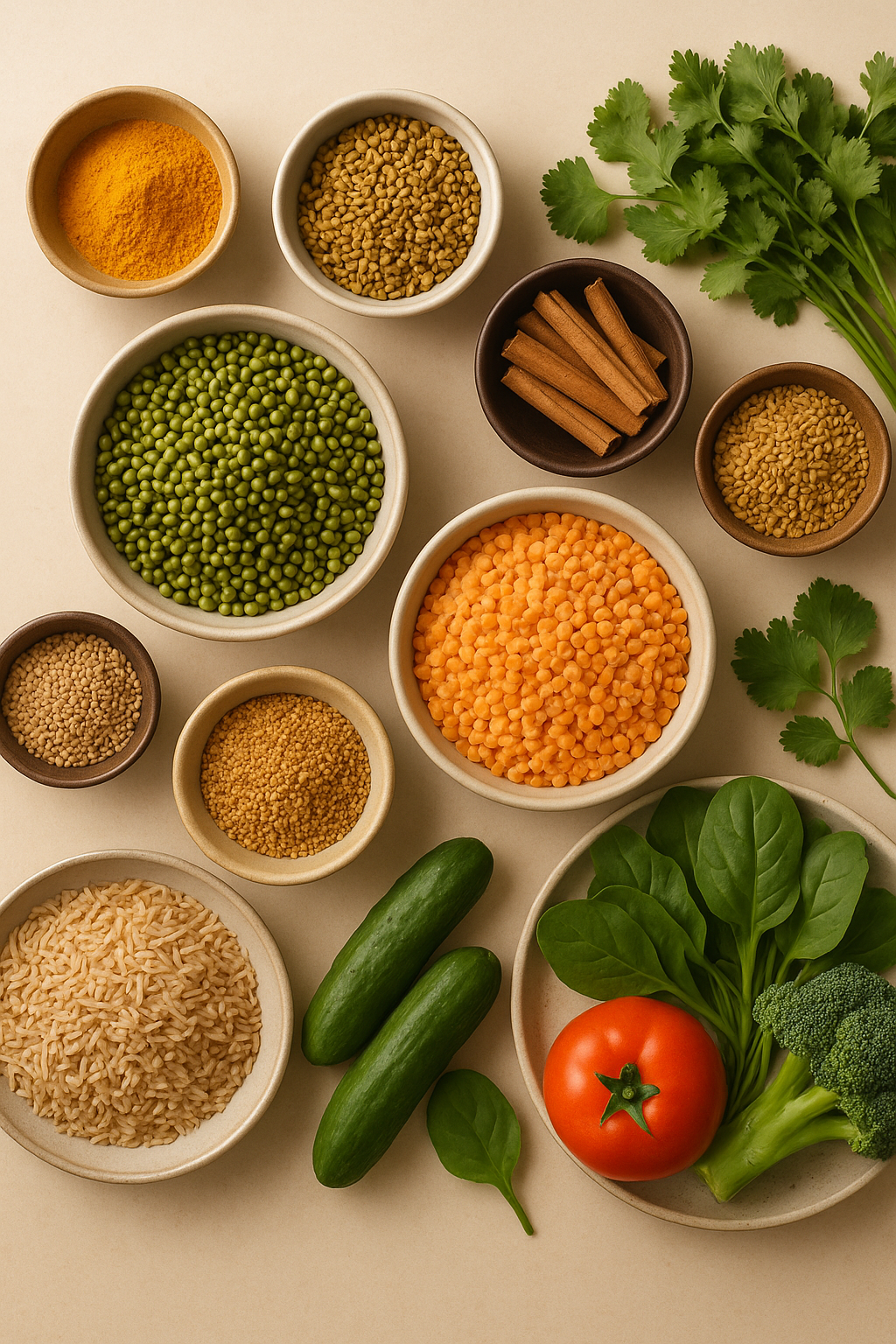
For our Indian diet, this means prioritising whole grains over refined ones. Embrace millets such as ragi, jowar, and bajra, which are ancient grains packed with nutrients and have a lower GI. Brown rice is a fantastic alternative to white rice. Oats, especially steel cut or rolled oats, are also excellent choices. When it comes to bread, opt for whole wheat or multigrain versions sparingly. Focus on carbohydrates that are rich in fiber, as fiber slows down sugar absorption and aids digestion.
Protein Inclusion in Every Meal
Protein is your ally in managing PCOS. Including a good source of protein in every meal is essential for several reasons: it helps you feel fuller for longer, stabilises blood sugar levels, and supports muscle maintenance, which is vital for a healthy metabolism. Protein also has a lower impact on blood sugar compared to carbohydrates.
Fortunately, the Indian diet offers an abundance of excellent protein sources. Think about incorporating various legumes and dals such as moong dal, masoor dal, chana dal, rajma, and chickpeas (chole). Paneer and tofu are versatile vegetarian protein powerhouses. For non vegetarians, lean protein sources like chicken, fish (especially fatty fish rich in Omega 3s), and eggs are highly beneficial. Make an effort to pair your carbohydrates with protein to create a balanced meal that supports steady energy levels.
Anti-Inflammatory Healthy Fats and Spices
Chronic low grade inflammation is often present in women with PCOS, further complicating hormonal balance. Incorporating healthy fats and specific herbal spices can be incredibly beneficial in combating this inflammation and supporting overall metabolic health.
Healthy fats, particularly omega 3 fatty acids, are potent anti inflammatory agents. Sources include flax seeds (alsi), chia seeds, walnuts, and fatty fish like salmon or mackerel. Ghee, when consumed in moderation, also offers beneficial fatty acids. Avoid excessive trans fats and processed vegetable oils. Beyond fats, our Indian spice rack is a treasure trove of healing. Turmeric (haldi) with its active compound curcumin is a powerful anti inflammatory and antioxidant. Cinnamon (dalchini) has been shown to improve insulin sensitivity. Fenugreek seeds (methi dana) can help lower blood sugar levels and may improve menstrual regularity. Flax seeds, beyond their healthy fats, also contain lignans which can help regulate hormone levels. Incorporating these spices generously into your cooking is a delicious way to boost your PCOS management.
Foods to Eat for PCOS
Building on our core principles, let us list the delicious and nourishing foods you should focus on including in your daily Indian diet:
- Whole Grains and Millets: Brown rice, oats (steel cut or rolled), quinoa, ragi, jowar, bajra. These provide complex carbohydrates and fiber.
- Legumes and Dals: All varieties of lentils (masoor, moong, arhar), chickpeas (chole), kidney beans (rajma), black eyed peas (lobia). Excellent sources of protein and fiber.
- Lean Proteins: Chicken breast, fish (especially fatty fish like salmon, mackerel, sardines), eggs, paneer, tofu, tempeh. Essential for satiety and blood sugar control.
- Plenty of Vegetables: Focus on non starchy vegetables. Leafy greens (spinach, kale, methi), broccoli, cauliflower, bell peppers, zucchini, cucumber, tomatoes, gourds (lauki, tori). They are rich in fiber, vitamins, and antioxidants.
- Fruits (in moderation): Berries (strawberries, blueberries), apples, pears, guavas, oranges. Choose low glycaemic index fruits and consume them whole rather than as juices.
- Healthy Fats: Avocados, nuts (almonds, walnuts), seeds (flax seeds, chia seeds, pumpkin seeds, sunflower seeds), olive oil, ghee (in moderation). Provide essential fatty acids and support hormonal balance.
- Herbal Spices: Turmeric, cinnamon, fenugreek, ginger, garlic. Utilise their anti inflammatory and insulin sensitising properties.
- Dairy (in moderation): Opt for low fat dairy or plant based alternatives if dairy causes issues. Curd and buttermilk can be good sources of probiotics.
Foods to Avoid for PCOS
Just as important as knowing what to eat is understanding what to limit or avoid, as these foods can exacerbate insulin resistance and inflammation:
- Refined Carbohydrates: White bread, maida (all purpose flour), white rice (unless consumed in small portions with high protein and fiber), pasta, cookies, cakes, pastries. These cause rapid blood sugar spikes.
- Sugary Drinks: Sodas, packaged fruit juices (even "natural" ones often have high sugar content), sweetened teas and coffees. Liquid sugar is particularly detrimental.
- Processed Foods: Packaged snacks, fast food, processed meats, instant noodles. They are often high in unhealthy fats, sugar, and sodium, and low in nutrients.
- Unhealthy Fats: Trans fats (found in many fried and processed foods), excessive amounts of saturated fats (from red meat, high fat dairy, hydrogenated oils). These can increase inflammation.
- Excessive Red Meat: While lean protein is good, high consumption of red meat, especially processed varieties, has been linked to increased inflammation.
- Alcohol: Best consumed in moderation or avoided, as it can affect blood sugar and liver function.
Sample 7-Day Indian PCOS Diet Plan
This sample plan offers a framework with varied options to inspire your daily meals. Remember, portion control is key, and hydration with plenty of water throughout the day is crucial. This is about making sustainable, healthy choices, not rigid adherence to a strict list. Mix and match according to your preferences and availability, ensuring each meal aligns with the principles of low GI, high protein, and healthy fats.
Breakfast Options
- Moong Dal Cheela: Made with sprouted moong dal, finely chopped vegetables (onions, capsicum, spinach), served with mint chutney.
- Oats Porridge with Nuts and Seeds: Made with rolled oats, water or unsweetened almond milk, topped with a handful of almonds, walnuts, flax seeds, and a sprinkle of cinnamon.
- Vegetable Poha (Brown Rice Poha): Prepared with brown rice poha, lots of vegetables (peas, carrots, beans), turmeric, and a dash of lemon.
- Whole Wheat Upma with Vegetables: Made with whole wheat semolina and a generous amount of vegetables like carrots, peas, and green beans.
- Sprouted Kala Chana Chaat: Boiled sprouted black chickpeas mixed with finely chopped onions, tomatoes, cucumber, green chillies, and lemon juice.
Mid-Morning Snacks
- A handful of almonds or walnuts.
- A small apple or guava.
- A bowl of plain curd (dahi) with a pinch of roasted cumin powder.
- Sprouted moong salad.
- Buttermilk (chaas) without added sugar.
Lunch Options
- Brown Rice with Dal and Sabzi: A moderate portion of brown rice with a bowl of protein rich dal (e.g., masoor dal, chana dal) and a generous serving of vegetable sabzi (e.g., bhindi, lauki, palak).
- Millet Roti with Paneer Bhurji and Salad: One or two rotis made from jowar or bajra flour, served with a spiced paneer scramble and a fresh green salad.
- Grilled Fish/Chicken with Vegetable Stir Fry: Opt for grilled or pan seared fish or chicken breast, accompanied by a vibrant stir fry of broccoli, bell peppers, and snow peas.
- Quinoa Pulao with Rajma: Quinoa cooked with mixed vegetables, served with a bowl of kidney beans curry.
- Besan Cheela (Chickpea Flour Pancake) with Curd: A protein packed pancake made from chickpea flour, served with plain dahi and a side of salad.
Evening Snacks
- Roasted chana (chickpeas).
- Vegetable sticks (cucumber, carrot, capsicum) with hummus.
- Green tea with a small fruit.
- A small bowl of sprouts.
- Hard boiled egg.
Dinner Options
- Vegetable and Dal Soup with Whole Grain Toast: A hearty vegetable soup packed with lentils, served with one slice of whole grain toast.
- Millet Khichdi with Vegetables: A light yet nourishing khichdi made with broken wheat or a millet, and lots of vegetables.
- Paneer or Tofu Sabzi with Jowar Roti: A delicious paneer or tofu dish cooked with minimal oil, served with one jowar roti and a simple cucumber salad.
- Chicken/Fish Curry with Brown Rice: A light, home style chicken or fish curry (avoid creamy, heavy gravies) served with a small portion of brown rice.
- Egg Curry with Vegetable Salad: A simple egg curry with lots of tomatoes and onions, accompanied by a large mixed vegetable salad.
Lifestyle Modifications to Support PCOS Management
While diet is a cornerstone of managing PCOS, it truly shines when combined with holistic lifestyle changes. Think of it as creating a supportive ecosystem for your body.

- Regular Exercise: Incorporating regular physical activity into your routine can significantly improve insulin sensitivity and help with weight management. Aim for a mix of moderate intensity aerobic exercise (like brisk walking, jogging, cycling, or swimming) for at least 30 minutes, five days a week, combined with strength training two to three times a week. Yoga can also be incredibly beneficial, not just for physical fitness but also for stress reduction. The key is consistency and finding an activity you genuinely enjoy.
- Stress Management: We know how stressful the fertility journey can be, and stress itself can worsen hormonal imbalances. Chronic stress elevates cortisol levels, which can impact insulin and androgen levels. Make time for stress reducing activities such as meditation, deep breathing exercises, spending time in nature, pursuing hobbies, or connecting with loved ones. Prioritising mental well being is not a luxury, it is a necessity for PCOS management.
- Adequate Sleep: Sleep is a powerful regulator of hormones. Lack of quality sleep can negatively impact insulin sensitivity and overall hormonal balance. Aim for 7 9 hours of restorative sleep each night. Create a consistent sleep schedule, ensure your bedroom is dark and cool, and limit screen time before bed.
These lifestyle factors work synergistically with your dietary changes, creating a comprehensive approach to empower you in managing your PCOS symptoms effectively.
Frequently Asked Questions about PCOS Diet
Q: Can I reverse PCOS with diet alone?
A: While diet is an incredibly powerful tool for managing PCOS symptoms and improving overall health, it is generally not considered a "cure" for PCOS. It can significantly reduce symptoms, improve hormonal balance, and enhance fertility, but PCOS is a complex condition that often requires a multifaceted approach involving diet, lifestyle changes, and sometimes medical intervention.
Q: Is rice completely forbidden in a PCOS diet?
A: Not necessarily. For our Indian audience, rice is a staple, and the answer is nuanced. White rice has a high glycaemic index, so it is best to opt for brown rice or millets (like jowar or bajra) which have a lower GI. If you do consume white rice, keep portion sizes moderate and always pair it with plenty of protein (dal, paneer, chicken) and fiber rich vegetables to mitigate its blood sugar impact.
Q: How quickly will I see results from a PCOS diet?
A: The timeline for seeing results can vary greatly from person to person. Some individuals may notice improvements in energy levels and reduced bloating within a few weeks. More significant changes, such as improved menstrual regularity or weight management, typically take 3 to 6 months of consistent dietary and lifestyle changes. Patience and consistency are key.
Q: Do I need supplements with a PCOS diet?
A: While a well balanced diet should be your primary focus, certain supplements like Myo inositol, Omega 3 fatty acids, Vitamin D, and Magnesium may be beneficial for some women with PCOS. However, it is crucial to consult with your doctor or a qualified nutritionist before starting any supplements to ensure they are appropriate for your specific needs and do not interact with other medications.
Conclusion and Next Steps
Your journey with PCOS does not have to be one of confusion and isolation. You now have the knowledge and a practical framework to begin making empowering dietary choices. Remember, this one month plan is a starting point, a guide to help you cultivate habits that support your body and its unique needs. Consistency, patience, and a willingness to listen to your body are your greatest assets.
We know that navigating the complexities of reproductive health can feel overwhelming. That is precisely why we exist. To improve your reproductive health with a personalised plan tailored to your body. When you join Izana, you are not just choosing a plan you are becoming part of a movement that challenges myths, empowers choices, and builds healthier futures. Join the Revolution.
Citations
1. Patel, S. (2018). Polycystic Ovary Syndrome (PCOS): An Overview of Treatment Options. Journal of Clinical Medicine Research, 10(12), 768 776. https://www.jocmr.org/index.php/JOCMR/article/view/1922 (Accessed: 2023-10-27)
2. Lim, S. S., Kakadia, R., et al. (2020). Nutritional Strategies for Insulin Resistance in Polycystic Ovary Syndrome: A Systematic Review. Journal of Clinical Endocrinology & Metabolism, 105(3), e1044 e1059. https://academic.oup.com/jcem/article/105/3/e1044/5634125 (Accessed: 2023-10-27)
3. Office on Women's Health. (2021). Polycystic Ovary Syndrome (PCOS). U.S. Department of Health and Human Services. https://www.womenshealth.gov/a-z-topics/polycystic-ovary-syndrome (Accessed: 2023-10-27)