- 1PCOS affects approximately 1 in 5 women, presenting with complex hormonal and metabolic symptoms including irregular periods and excess androgen.
- 2A personalized PCOS management plan combines lifestyle modifications (diet, exercise, stress reduction) with medical treatments tailored to individual symptoms and goals.
- 3Dietary adjustments focusing on low glycemic index, fiber rich foods, and healthy fats are crucial for managing insulin resistance, a key factor in PCOS.
- 4Regular exercise improves insulin sensitivity and helps with weight management, significantly ameliorating PCOS symptoms.
- 5Long term health monitoring is essential due to increased risks of conditions like type 2 diabetes and cardiovascular disease in women with PCOS.
Creating a Personalized PCOS Management Plan
Dealing with Polycystic Ovary Syndrome (PCOS) can feel incredibly overwhelming, a journey often marked by confusion and a sense of isolation. We want you to know you are not alone; millions of women in India and globally navigate this complex condition. At Izana, we understand the emotional rollercoaster and the desperate search for clarity and solutions. This article aims to empower you with the knowledge and tools to create a personalized PCOS management plan that addresses your unique body and symptoms, moving from confusion to confident action.
- PCOS is a complex hormonal disorder affecting many women, characterized by symptoms like irregular periods, excess androgen, and polycystic ovaries.
- Diagnosis involves clinical assessment, blood tests to check hormone levels, and ultrasound imaging.
- Effective management integrates lifestyle changes, including diet, exercise, and stress reduction, often alongside medical treatments.
- Personalized nutrition strategies focus on balancing blood sugar and reducing inflammation, tailored to individual needs.
- Long term well being with PCOS involves consistent monitoring and a holistic approach to address both symptoms and underlying causes.
Creating a personalized PCOS management plan involves a holistic approach, integrating lifestyle changes, medical treatments, and emotional support tailored to your specific symptoms and needs. This empowers you to manage the condition effectively and improve your overall well being.
What is Polycystic Ovary Syndrome (PCOS)?
Polycystic Ovary Syndrome, or PCOS, is a complex hormonal disorder affecting women of reproductive age. It is one of the most common endocrine disorders, affecting approximately 1 in 5 women globally. In India, its prevalence is also significant, with studies indicating varying rates depending on the diagnostic criteria used.
PCOS is characterized by a combination of symptoms involving irregular menstrual cycles, excess androgen hormones (leading to symptoms like acne and hirsutism), and the presence of multiple small cysts on the ovaries, as seen on ultrasound. It is a heterogeneous condition, meaning its presentation can vary widely from one individual to another. Understanding that PCOS is not a one size fits all condition is the first step toward effective personalized management.
The exact cause of PCOS is not fully understood, but it is believed to be a combination of genetic and environmental factors. Insulin resistance, where the body's cells do not respond effectively to insulin, plays a significant role in many women with PCOS, leading to higher insulin levels which can then stimulate the ovaries to produce more androgen hormones. This intricate interplay of hormones and metabolic factors contributes to the diverse range of symptoms experienced by women with PCOS.
What are the common PCOS Symptoms?
PCOS symptoms can be diverse and vary in severity, making it a challenging condition to diagnose and manage. Recognizing these symptoms is crucial for early intervention and personalized care. One of the most common signs is irregular periods or amenorrhea (absence of periods), which occurs due to hormonal imbalances affecting ovulation.
Excess androgen levels can lead to symptoms like hirsutism (excess body hair), acne, and androgenic alopecia (female pattern hair loss). Weight gain and difficulty losing weight are also frequently reported, often linked to insulin resistance. Fatigue, mood swings, anxiety, and depression can also significantly impact daily life.
For those trying to conceive, infertility is a common symptom of PCOS due to irregular or absent ovulation. It is important to remember that not all women with PCOS will experience every symptom, and the severity can fluctuate. Keeping a detailed record of your symptoms can be incredibly helpful for your healthcare provider in forming a diagnosis and tailoring your management plan. Early recognition and a comprehensive approach to managing these symptoms can significantly improve quality of life.
How is PCOS Diagnosed?
Diagnosing PCOS involves a careful assessment of your medical history, a physical examination, and a series of diagnostic tests. There is no single test for PCOS, so healthcare providers typically rely on a combination of criteria known as the Rotterdam criteria. This requires at least two of the following conditions:
- Oligo and/or anovulation (irregular or absent periods).
- Clinical and/or biochemical signs of hyperandrogenism (excess androgen levels, indicated by symptoms like hirsutism or acne, or elevated androgen levels in blood tests).
- Polycystic ovaries on ultrasound (12 or more follicles measuring 2 to 9 mm in diameter or an ovarian volume greater than 10 mL in at least one ovary).
Blood tests are essential for checking hormone levels, including testosterone, luteinizing hormone (LH), follicle stimulating hormone (FSH), and prolactin. Insulin and glucose levels may also be checked to assess for insulin resistance or type 2 diabetes. An ultrasound may be performed to visualize the ovaries and assess for polycystic morphology, though it is important to note that polycystic ovaries on ultrasound alone do not necessarily mean you have PCOS if other criteria are not met. The diagnostic process is designed to rule out other conditions that may present with similar symptoms, ensuring an accurate diagnosis and appropriate management plan. It is a process that requires patience and open communication with your healthcare provider.
What are Comprehensive PCOS Management Approaches?
Comprehensive PCOS management approaches are multifaceted, addressing the various symptoms and underlying hormonal and metabolic imbalances. There is no one size fits all solution for PCOS, emphasizing the need for a personalized strategy. This typically involves a combination of lifestyle modifications, medical treatments, and emotional support.
The primary goal is to alleviate symptoms, reduce the risk of long term complications, and improve overall quality of life. For many, managing insulin resistance is a cornerstone of their personalized plan. This can significantly impact hormonal balance and help regulate menstrual cycles.
Effective management also requires ongoing communication with your healthcare team, including endocrinologists, gynaecologists, dietitians, and mental health professionals. Regular monitoring and adjustments to your plan are often necessary as your body's needs change. Empowering yourself with knowledge about your condition is vital, as it allows you to make informed decisions and actively participate in your care. Izana provides science based guidance and personalized support to help individuals navigate this complex journey, acting as a trusted companion between clinic visits.
What are the Lifestyle Modifications for PCOS?
Lifestyle modifications form the foundation of any effective PCOS management plan. These changes are often the most impactful and empowering steps you can take to manage your symptoms and improve your overall health. These include dietary adjustments, regular physical activity, stress management, and maintaining a healthy weight.
Even a modest weight loss of 5 to 10 percent of your body weight can significantly improve PCOS symptoms, including insulin resistance, irregular periods, and fertility. However, the focus should not solely be on weight, but on adopting sustainable healthy habits that promote hormonal balance and metabolic health.
Understanding that these are not temporary fixes but rather long term commitments to your well being is crucial. These lifestyle changes not only alleviate PCOS symptoms but also reduce the risk of associated health conditions such as type 2 diabetes and cardiovascular disease. Consistent application of these modifications, guided by personalized advice, offers profound benefits.
What Diet and Nutrition is Best for PCOS?
Diet and nutrition play a pivotal role in managing PCOS, especially concerning insulin resistance and hormonal balance. The best diet for PCOS is not a strict regimen but rather a personalized approach focusing on whole, unprocessed foods that help stabilize blood sugar levels.
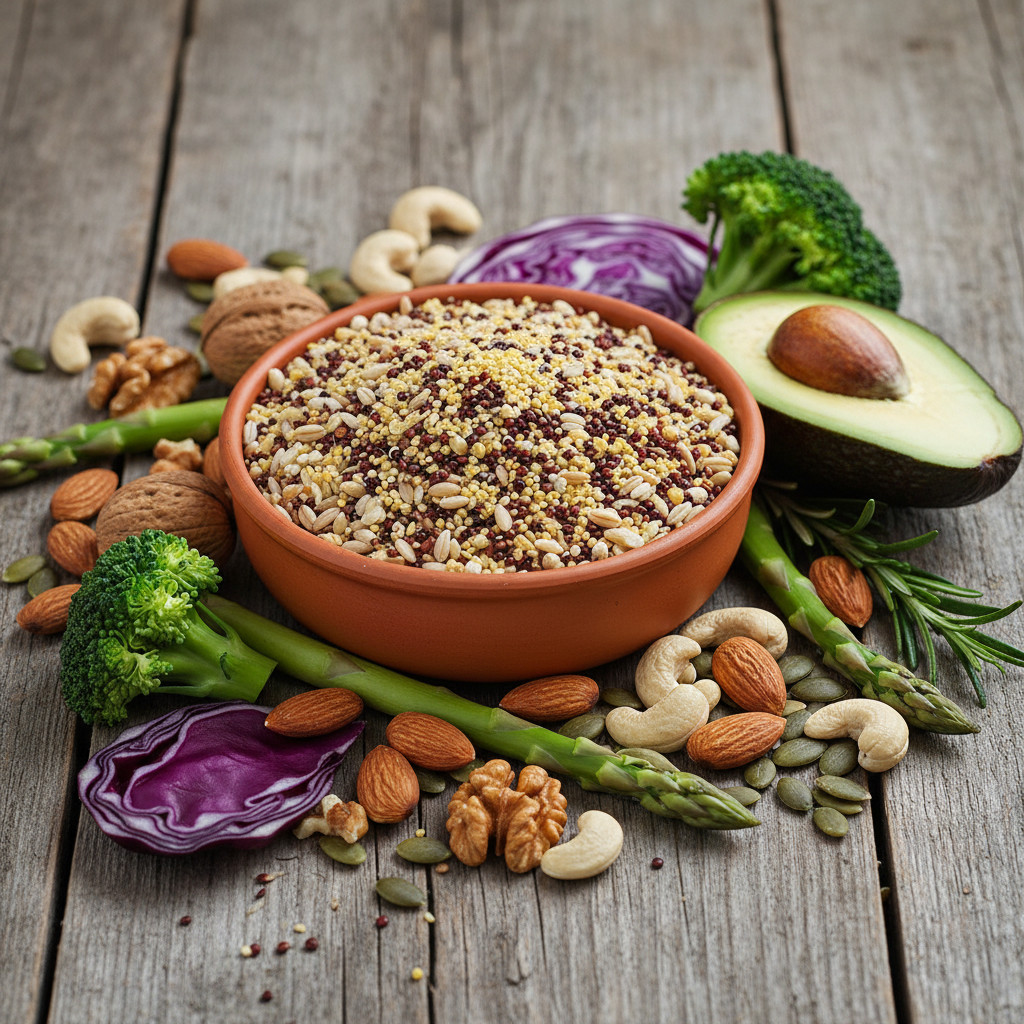
Emphasis should be placed on a low glycemic index diet, rich in fiber, lean proteins, and healthy fats. Whole grains, legumes, fruits, and vegetables are excellent sources of fiber, which can help regulate blood sugar and improve gut health. Reducing intake of refined carbohydrates, sugary drinks, and processed foods is often recommended as these can exacerbate insulin resistance.
For Indian women, incorporating traditional, nutritious ingredients while being mindful of portion sizes and preparation methods can be highly effective. For example, replacing white rice with brown rice, quinoa, or millets can be beneficial. Including sources of healthy fats like ghee in moderation, nuts, and seeds is also important. Consulting with a registered dietitian who understands PCOS and Indian dietary patterns can provide tailored guidance, ensuring your nutritional plan is both effective and sustainable. Remember, small, consistent changes lead to significant improvements in managing your PCOS symptoms, supporting your journey towards hormonal equilibrium and fertility.
How Does Exercise and Physical Activity Help with PCOS?
Regular exercise and physical activity are fundamental to managing PCOS symptoms and improving overall health. Physical activity helps to enhance insulin sensitivity, which is crucial for women with insulin resistant PCOS. When your body is more responsive to insulin, it can better regulate blood sugar levels, reducing the production of excess androgens and ameliorating many PCOS related symptoms.
Exercise also plays a significant role in weight management, which can further improve hormonal balance and menstrual regularity. It is not about intense, punishing workouts, but rather finding activities you enjoy and can sustain consistently. A combination of cardiovascular exercises, such as brisk walking, jogging, cycling, or swimming, and strength training can be particularly beneficial. Strength training helps build muscle mass, which further improves insulin sensitivity.
Aim for at least 30 minutes of moderate intensity exercise most days of the week, or as advised by your healthcare provider. Even small increases in physical activity, like taking the stairs instead of the elevator or going for short walks, can make a difference. Consistency is key, and finding joy in movement will help you integrate it into your lifestyle, supporting your journey towards better PCOS management and enhanced well being.
What is the Role of Stress Management for PCOS?
Stress management is an often overlooked yet critical component of a comprehensive PCOS management plan. Chronic stress can negatively impact hormonal balance, potentially worsening PCOS symptoms. When you are stressed, your body releases hormones like cortisol, which can further contribute to insulin resistance and androgen production.
Implementing effective stress reduction techniques can significantly improve your overall well being and positively influence your hormonal health. Practices such as meditation, deep breathing exercises, and yoga are excellent ways to calm the nervous system and reduce cortisol levels. Even simple activities like spending time in nature, listening to calming music, or engaging in hobbies you enjoy can be powerful stress relievers.
Prioritizing adequate sleep is another vital aspect of stress management, as poor sleep can elevate stress hormones and impair insulin sensitivity. Acknowledging the emotional toll that PCOS can take on your life and actively seeking ways to manage stress is an empowering step towards better health outcomes. Remember, taking care of your mental and emotional health is just as important as managing the physical symptoms of PCOS.
What Medical Treatments and Medications are Available for PCOS?
While lifestyle changes are foundational, medical treatments and medications often play a vital role in managing PCOS symptoms, especially when lifestyle modifications alone are not sufficient. The choice of medication depends on your primary symptoms and reproductive goals.
For irregular periods and hormonal balance, oral contraceptive pills (OCPs) are frequently prescribed. They help regulate menstrual cycles, reduce androgen levels, and improve symptoms like acne and hirsutism. However, they do not address the underlying insulin resistance. When insulin resistance is a concern, medications like metformin are often used. Metformin improves insulin sensitivity, which can lead to more regular ovulation, reduced androgen levels, and sometimes modest weight loss.
If fertility is a primary concern, medications to induce ovulation, such as clomiphene citrate or letrozole, may be prescribed. These help stimulate the ovaries to release eggs. Anti androgen medications can be used to treat severe hirsutism or acne by blocking the effects of androgens. Spironolactone is an example of such a medication.
It is important to discuss all options with your healthcare provider to determine the most appropriate medical treatment plan for your specific needs, considering potential side effects and long term goals. Medication is often most effective when used in conjunction with lifestyle adjustments. You can find more evidence based information on various treatments by visiting Izana Research.

How Does Fertility Management and Support Work for PCOS?
Fertility management and support for women with PCOS can be a challenging but often successful journey. The primary fertility issue in PCOS is anovulation or infrequent ovulation, making conception difficult. The management approach is highly individualized, focusing on restoring regular ovulation.
Initial steps often involve lifestyle modifications, as even a small amount of weight loss can sometimes restore ovulation. If lifestyle changes are not enough, ovulation inducing medications like clomiphene citrate or letrozole are typically the first line of medical treatment. These oral medications help stimulate the release of eggs from the ovaries.
For some women, injectable gonadotropins may be used to further stimulate ovarian follicle development, though this carries a higher risk of multiple pregnancies. In cases where these methods are unsuccessful, assisted reproductive technologies like in vitro fertilization (IVF) may be considered. IVF bypasses the ovulation issue by collecting eggs directly from the ovaries and fertilizing them in a lab. Ovarian drilling, a surgical procedure, is another option for some women, though it is less commonly used now.
Throughout this journey, emotional support is paramount. The unpredictability and emotional toll of infertility can be significant. Izana offers tools and guidance to help you navigate your unique journey, providing support and insights to understand your body better and make informed decisions, working as a companion throughout your reproductive health path. Remember, each step is taken with care and consideration for your unique situation, with your healthcare provider guiding the medical aspects.
What About Supplements and Natural Remedies for PCOS?
Supplements and natural remedies are often explored by women seeking complementary ways to manage their PCOS symptoms. While some have promising research, it is crucial to discuss their use with your healthcare provider to ensure safety and avoid potential interactions with prescribed medications.
Myo inositol and d chiro inositol, often referred to as inositols, are among the most researched supplements for PCOS. They are sugar alcohols that play a crucial role in insulin signaling and have been shown to improve insulin sensitivity, reduce androgen levels, and improve menstrual regularity and ovulation in many women with PCOS. They are often taken together in a specific ratio.
Other supplements that may be beneficial include:
- Vitamin D: Many women with PCOS are deficient in Vitamin D, and supplementation may improve insulin sensitivity, menstrual regularity, and fertility.
- Omega 3 Fatty Acids: Found in fish oil, these can help reduce inflammation, which is often elevated in women with PCOS, and may improve lipid profiles.
- Chromium: This trace mineral can enhance the action of insulin and may help improve insulin resistance.
- Magnesium: Often deficient in those with insulin resistance, magnesium supplementation can improve insulin sensitivity and help with mood regulation.
- N acetylcysteine (NAC): An antioxidant that may improve insulin sensitivity, ovulation rates, and reduce testosterone levels.
Herbal remedies like spearmint tea (shown to reduce hirsutism) and ashwagandha (for stress management) are also popular. Always ensure any supplement or herbal remedy is from a reputable source and consult with your doctor before incorporating it into your routine, especially if you are taking other medications or trying to conceive. While these can offer additional support, they generally complement, rather than replace, established medical and lifestyle interventions.
Why is Long-Term Health Monitoring and Risk Assessment Important for PCOS?
Long term health monitoring and risk assessment are critical components of PCOS management, extending beyond symptom control to address potential associated health complications. Women with PCOS have a higher risk of developing several conditions, making ongoing vigilance essential for proactive health management.
These risks include an increased likelihood of developing type 2 diabetes, often due to persistent insulin resistance. Regular screening for glucose intolerance and diabetes is therefore recommended. Cardiovascular disease risk is also elevated, with factors like high blood pressure, high cholesterol, and obesity occurring more frequently. Monitoring blood pressure and lipid profiles is important.
Due to irregular or absent periods, women with PCOS may also have an increased risk of endometrial hyperplasia and, in some cases, endometrial cancer, stemming from unchecked estrogen exposure without regular shedding of the uterine lining. Therefore, ensuring menstrual regularity, either naturally or through medication, is key. Mental health conditions such as anxiety and depression are also more prevalent, highlighting the need for ongoing psychological support and screening. Regular follow up appointments with your healthcare provider, including annual physicals and specific screenings, are crucial parts of managing these long term risks and ensuring your comprehensive well being. This proactive approach helps mitigate potential complications and supports a healthier future.
Building Your Personalized PCOS Management Plan
Building your personalized PCOS management plan is a journey that requires collaboration with your healthcare team, self awareness, and a commitment to sustainable lifestyle changes. There is no single protocol that works for everyone with PCOS; instead, your plan should be uniquely tailored to your symptoms, health goals, and lifestyle. Begin by understanding your specific symptoms and challenges. Are irregular periods your main concern? Is it weight gain, acne, or fertility? Documenting these details will help your doctor formulate the most effective strategy.
Work closely with a team of healthcare professionals, which may include an endocrinologist, gynaecologist, dietitian, and a mental health expert. They can help you navigate appropriate diagnostic tests, establish a personalized dietary plan, recommend suitable exercise routines, and discuss medical treatments or supplements. Embracing a holistic approach means addressing physical, emotional, and mental aspects of your health. Consider how stress impacts your symptoms and integrate stress reduction techniques. If you're concerned about fertility, your plan will naturally emphasize ovulation induction or other fertility preserving strategies.
Remember that your management plan is not static; it will evolve as your body changes and as new research emerges. Regular follow ups are essential to monitor your progress, adjust treatments, and address any new concerns. Izana is designed to support you in maintaining consistency with your personalized plan between clinic visits, helping you stay on track and empowered. The goal is to gain control over your PCOS, improve your quality of life, and empower you to make informed decisions about your health, leading to a clearer, more confident path to parenthood.
Questions to ask your clinic:
- Based on my symptoms and test results, which diagnostic criteria for PCOS do I meet?
- What are the primary goals for my PCOS management plan, considering my current health and future reproductive goals?
- Can you recommend a registered dietitian or nutritionist specializing in PCOS who can help me develop a personalized meal plan?
- What specific forms of exercise do you recommend for managing my PCOS symptoms, and how often?
- Are there any specific medical treatments or medications you suggest for my condition, and what are the potential side effects?
- What are my fertility options given my PCOS diagnosis, and what are the success rates for each?
- How often should I be screened for associated health risks like type 2 diabetes or cardiovascular disease?
- What resources are available for emotional support and stress management for individuals with PCOS?