- 1Prioritise folic acid rich foods like leafy greens and lentils to prevent neural tube defects.
- 2Increase iron intake through spinach, jaggery, and fortified grains to combat fatigue and support blood volume.
- 3Ensure sufficient calcium from dairy or ragi for strong fetal bone development and maternal bone health.
- 4Eat small, frequent, bland meals to effectively manage common first trimester symptoms like morning sickness.
- 5Consult a nutritionist for personalized guidance, especially with pre existing conditions or specific dietary needs.
Embarking on the journey of pregnancy is a profound experience, often filled with questions, especially regarding nutrition. For expectant mothers in India, crafting a healthy first trimester diet means focusing on essential nutrients like folic acid, iron, calcium, and protein, sourcing them from traditional Indian foods, and ensuring adequate hydration while managing common symptoms like morning sickness. This balanced approach supports both maternal health and crucial early fetal development.
- Prioritise Folic Acid: Crucial for preventing neural tube defects, incorporate greens, lentils, and fortified grains.
- Boost Iron Intake: Combat fatigue with iron rich foods like spinach, jaggery, and whole grains.
- Ensure Calcium & Vitamin D: Essential for bone development, found in dairy, ragi, and sunlight exposure.
- Focus on Protein: Support fetal growth with dals, paneer, eggs, and lean meats.
- Manage Morning Sickness: Opt for small, frequent meals and bland, easy to digest foods.
What is a healthy Indian diet plan for the first trimester?
A healthy Indian diet plan for the first trimester centres on nutrient density, incorporating traditional foods rich in essential vitamins and minerals crucial for early pregnancy. It emphasizes whole grains, pulses, fresh fruits and vegetables, dairy (or fortified alternatives), and lean protein sources. The focus is on providing adequate folic acid, iron, calcium, and protein to support the rapid development occurring in the first 12 weeks.
Why is a healthy diet so important during the first trimester?
The first trimester is a critical period for fetal development, as all major organs and systems begin to form. Nutrient deficiencies during this time can have significant impacts on the baby's growth and health. A balanced diet ensures the mother has sufficient energy and nutrients to support these rapid changes, helping to prevent birth defects and ensuring a healthy start for the baby.
Additionally, proper nutrition helps the mother manage common first trimester symptoms like morning sickness, fatigue, and constipation. It lays the groundwork for a healthier pregnancy overall, reducing the risk of complications later on.
What essential nutrients are vital during the first trimester?
Several nutrients are paramount during the first trimester to support both maternal health and fetal development. These include folic acid, iron, calcium, protein, omega 3 fatty acids, vitamin D, vitamin B6, and zinc. Each plays a distinct role in this crucial developmental stage.
Folic Acid (Folate)
Folic acid is perhaps the most critical nutrient in early pregnancy. It is essential for neural tube formation, which develops into the baby's brain and spinal cord. Adequate intake significantly reduces the risk of neural tube defects.
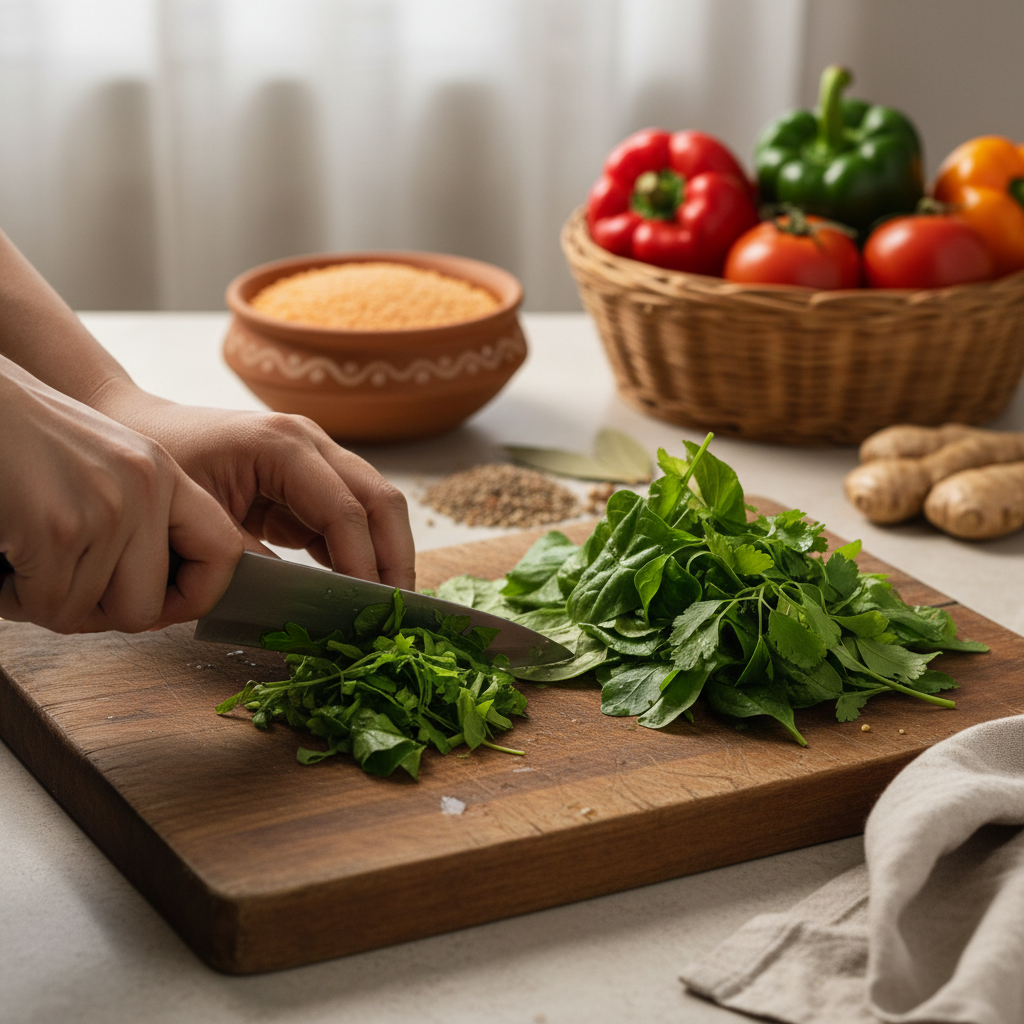
Sources: Dark leafy greens (spinach, methi), lentils (dal), chickpeas, fortified cereals, and citrus fruits.
Iron
Iron is vital for increasing the mother's blood volume and preventing iron deficiency anaemia, a common concern in pregnancy. It also supports oxygen delivery to the baby.
Sources: Spinach, jaggery, dates, whole grains, lentils, red meat (if consumed), and fortified foods. Pairing iron rich foods with Vitamin C can enhance absorption.
Calcium
Calcium is fundamental for the development of the baby's bones, teeth, heart, nerves, and muscles. If the mother's intake is insufficient, the baby draws calcium from her bones.
Sources: Dairy products (milk, paneer, yogurt), ragi (finger millet), sesame seeds, and green leafy vegetables.
Protein
Protein is the building block of life, crucial for the rapid growth of fetal tissues and organs, including the brain. It also supports the expansion of maternal blood volume and tissue development.
Sources: Dals, paneer, eggs, chicken, fish, nuts, and seeds.
A balanced intake of these nutrients ensures optimal development and maternal well being during the first trimester. Izana believes in empowering you with transparent, evidence based information so you can make informed choices about your health journey. To explore more about the science behind fertility and nutrition, you might find valuable insights at Izana Research.
How can I create an Indian diet chart for my first trimester?
Creating an Indian diet chart for your first trimester involves balancing traditional meals with the specific nutritional needs of early pregnancy. It means regular, small, nutrient packed meals to manage morning sickness and provide a steady supply of energy.
1. First Trimester (Week 1 - 12) Sample Meal Plan
The first trimester focuses on nutrient density to support rapid fetal development. Portion sizes will depend on individual needs, but focus on quality.
Early Morning (7:00 AM)
- Ginger tea (for nausea) or a glass of warm water with lemon.
- A handful of almonds or walnuts.
Breakfast (8:30 AM)
- Option 1: Besan cheela with grated paneer and a side of mint chutney.
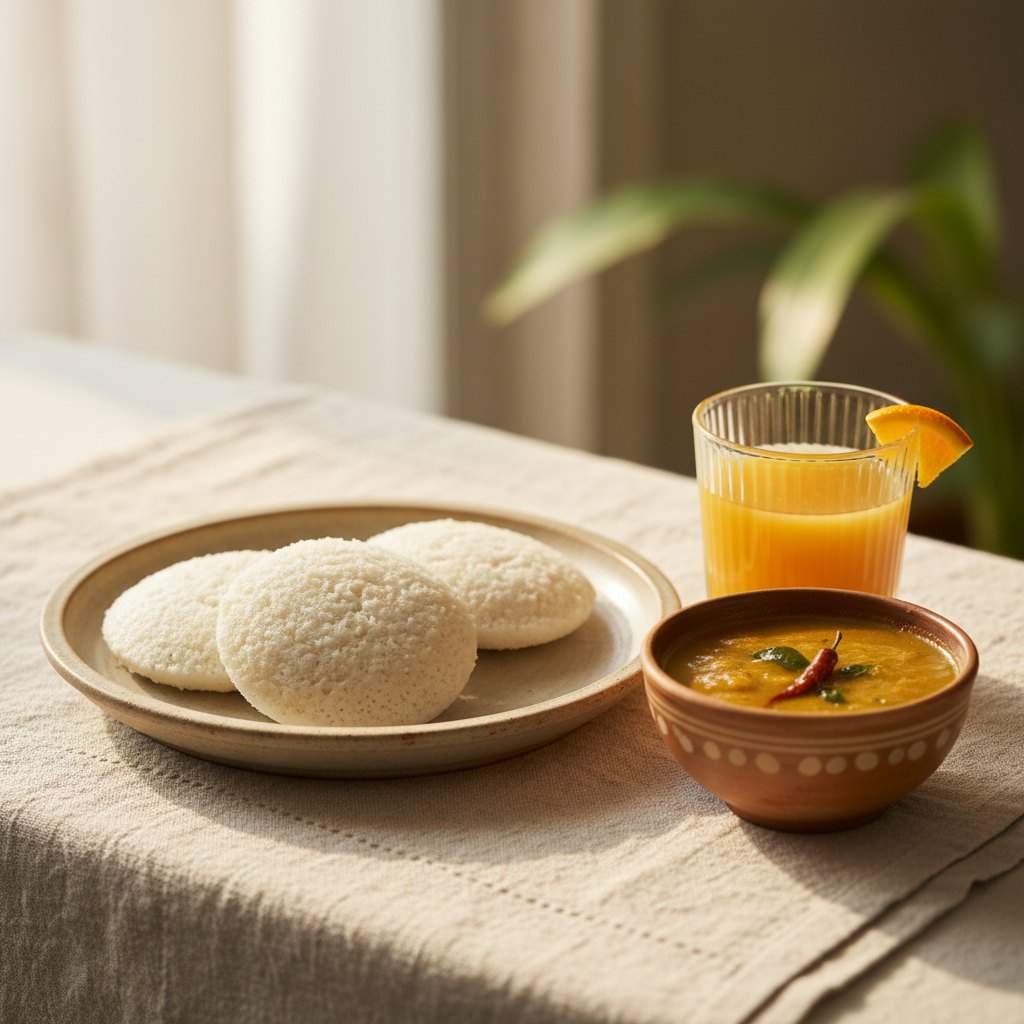
- Option 2: Ragi dosa or idli with sambar and coconut chutney.
- Option 3: Vegetable poha with peanuts and a glass of milk.
Mid-Morning (11:00 AM)
- A bowl of fresh fruit (apple, pear, guava) or a small serving of yogurt/curd.
Lunch (1:00 PM)
- Option 1: Brown rice or whole wheat roti with dal (moong dal or masoor dal), a seasonal vegetable sabzi (e.g., spinach or cluster beans), and a small bowl of curd.
- Option 2: Vegetable pulao with raitaand a mixed bean curry.
Evening Snack (4:00 PM)
- Sprouted moong dal salad or chana chaat.
- A small sandwich with paneer or boiled egg filling.
- A handful of roasted chana.
Dinner (7:30 PM)
- Option 1: Whole wheat roti with a light vegetable curry (e.g., bottle gourd, ridge gourd) and a small serving of grilled fish or chicken (if non-vegetarian).
- Option 2: Vegetable khichdi with plenty of vegetables and a side of curd.
Before Bed (9:30 PM)
- A glass of warm milk (cow's milk or fortified plant milk).
This sample plan provides a framework; listen to your body and adjust as needed, especially when dealing with morning sickness. Smaller, more frequent meals are often better tolerated.
What foods and beverages should I eat during pregnancy?
Focus on a wide variety of nutrient rich foods to support your pregnancy. This includes complex carbohydrates, lean proteins, healthy fats, and plenty of fruits and vegetables.
- Whole Grains: Brown rice, whole wheat atta, oats, ragi, jowar, bajra. These provide sustained energy and fibre.
- Legumes & Pulses: Dal (lentils), chickpeas, kidney beans (rajma), black eyed peas. Excellent sources of protein, fibre, and folic acid.
- Dairy Products: Milk, yogurt, paneer, cheese (pasteurized). Provide calcium and protein.
- Fruits: A wide range of seasonal fruits like apples, bananas, guavas, pomegranates, oranges, and berries. Rich in vitamins, minerals, and antioxidants.
- Vegetables: Plenty of leafy greens (spinach, fenugreek, mustard greens), carrots, broccoli, beetroot, sweet potatoes. Packed with vitamins, minerals, and fibre.
- Lean Proteins: Chicken (skinless), fish (low mercury varieties like salmon, sardines, pomfret), eggs. Crucial for fetal growth.
- Nuts & Seeds: Almonds, walnuts, chia seeds, flax seeds. Provide healthy fats, protein, and essential minerals.
- Healthy Fats: Ghee in moderation, avocado, olive oil.
- Water: Stay well hydrated with plenty of water, fresh fruit juices, and buttermilk.
What foods and beverages should I avoid during pregnancy?
Certain foods and beverages can pose risks during pregnancy and should be avoided or consumed with caution.
- Unpasteurized Dairy Products: Can contain harmful bacteria like Listeria. Ensure all dairy is pasteurized.
- Raw or Undercooked Meat, Poultry, and Eggs: Risk of bacterial infections like salmonella or toxoplasmosis. Cook all animal products thoroughly.
- High Mercury Fish: Such as swordfish, shark, king mackerel, and tilefish. High mercury levels can harm fetal development. Stick to low mercury options like salmon and sardines.
- Processed and Junk Foods: High in unhealthy fats, sugar, and sodium, offering little nutritional value and contributing to excessive weight gain.
- Excessive Caffeine: Limit caffeine intake to less than 200 mg per day (approximately one small cup of filter coffee). High caffeine intake can be linked to miscarriage or low birth weight.
- Alcohol: No amount of alcohol is considered safe during pregnancy. It can lead to Fetal Alcohol Syndrome.
- Unwashed Fruits and Vegetables: May carry parasites or pesticides. Always wash produce thoroughly.
- Certain Herbal Teas: Some herbal teas can be unsafe during pregnancy. Consult your doctor before consuming.
- Papaya & Pineapple (unripe): Unripe papaya contains papain, which can induce contractions. While ripe pineapple is generally safe in moderation, some advise caution due to bromelain.
How can diet help me manage common pregnancy symptoms?
Dietary choices can significantly alleviate common first trimester symptoms, making your journey more comfortable and manageable.
Morning Sickness (Nausea and Vomiting)
- Small, Frequent Meals: Avoid an empty stomach, which can worsen nausea. Eat 5 6 small meals throughout the day.
- Bland Foods: Opt for dry toast, crackers, rice, idli, or other bland foods that are easy to digest.
- Ginger: Ginger tea, ginger ale, or ginger candies can help calm an upset stomach.
- Avoid Trigger Foods: Steer clear of greasy, spicy, or strong smelling foods that might exacerbate nausea.
- Hydration: Sip on water, clear broths, or sports drinks especially after vomiting to prevent dehydration.
Fatigue
- Regular Meals: Maintain steady blood sugar levels by eating consistently.
- Iron Rich Foods: Combat anaemia induced fatigue with spinach, lentils, jaggery.
- Complex Carbohydrates: Brown rice, whole wheat products provide sustained energy.
Constipation
- Fibre Rich Foods: Increase intake of fruits, vegetables, whole grains, and legumes.
- Hydration: Drink plenty of water to help fibre work effectively and soften stools.
- Prunes or Dates: These can be natural laxatives.
Heartburn
- Small Meals: Avoid overfilling your stomach.
- Avoid Trigger Foods: Fatty, spicy, acidic foods (like citrus, tomatoes), and caffeine can worsen heartburn for some.
- Eat Slowly: Give your digestive system time to process food.
Sometimes, despite your best efforts, managing these symptoms can be challenging. Remember that Izana provides support and resources, but it is always important to consult your healthcare provider for medical advice. Our platform is designed to complement your clinic's guidance, offering daily companionship and science backed support, as described on How Izana Works.
What are some healthy eating tips during pregnancy?
- Listen to Your Body: Pregnancy cravings and aversions are common. While prioritizing healthy choices, be gentle with yourself.
- Stay Hydrated: Drink 8 10 glasses of water daily. Hydration is crucial for nutrient transport, preventing constipation, and supporting increased blood volume.
- Eat Small, Frequent Meals: This helps manage morning sickness, heartburn, and keeps your energy levels stable.
- Prioritize Nutrient Density: Choose foods that pack the most nutritional punch.
- Include a Variety of Foods: A diverse diet ensures you get a wide range of vitamins and minerals.
- Wash Fruits and Vegetables Thoroughly: To remove pesticides and harmful bacteria.
- Practice Safe Food Handling: Cook meats and eggs thoroughly, avoid cross contamination.
- Limit Processed Foods, Sugary Drinks, and Excessive Sweets: These offer empty calories and can lead to unhealthy weight gain.
- Consider Supplements: Your doctor may recommend a prenatal vitamin containing folic acid, iron, and other essential nutrients.
What are common pregnancy diet myths and facts?
Navigating nutritional advice during pregnancy can be overwhelming due to many myths. Let's separate fact from fiction.
Myth vs. Fact Table
| Myth | Fact |
|---|---|
| You need to "eat for two." | In the first trimester, you don't need additional calories. In the second and third trimesters, only a moderate increase (around 300 450 extra calories per day) is needed. Focus on nutrient density, not just quantity. |
| All cravings must be satisfied. | While cravings are common, it's important to differentiate between nutritional needs and psychological cravings. Prioritize healthy choices and indulge in small, sensible portions if necessary. |
| Ghee or butter must be consumed in large quantities for an easy delivery. | While healthy fats are important, excessive consumption of ghee or butter won't guarantee an easy delivery and can lead to unhealthy weight gain. Moderation is key. |
| Avoid all spices or "hot" foods. | Many traditional Indian spices are safe and even beneficial in moderation during pregnancy. However, extremely spicy foods might worsen heartburn or indigestion. |
| Consuming saffron will make the baby fairer. | This is a popular myth. A baby's complexion is determined by genetics, not diet. Saffron can be consumed in moderation for its flavour and potential health benefits, but it doesn't change skin colour. |
When should I consult a nutritionist for my pregnancy diet plan?
While general guidelines are helpful, a personalized approach is often best. Consider consulting a nutritionist or a registered dietitian especially if you:
- Have pre existing health conditions like diabetes, PCOS, or thyroid disorders.
- Are expecting multiples (twins, triplets).
- Are a vegetarian or vegan and need guidance on meeting all nutritional requirements.
- Are experiencing severe morning sickness, extreme food aversions, or unusual cravings.
- Have specific dietary restrictions or allergies.
- Are concerned about your weight gain (too little or too much).
- Want a highly individualized meal plan tailored to your lifestyle and preferences.
A nutritionist can provide tailored advice, ensuring you and your baby receive all necessary nutrients while accommodating your specific needs and cultural preferences.
Questions to ask your clinic:
- What specific prenatal vitamins do you recommend, and when should I start taking them?
- Are there any specific dietary restrictions based on my medical history or current health conditions?
- How much weight gain is healthy for me during my first trimester and throughout my pregnancy?
- What are the best strategies for managing my severe morning sickness or other pregnancy related discomforts?
- Should I get tested for any specific nutrient deficiencies, like iron or Vitamin D?
Frequently Asked Questions
Q: What should I eat for breakfast in the first trimester in India?
A: Focus on nutrient density and easy digestibility. Options like vegetable poha, ragi dosa, besan cheela with paneer, or idli with sambar are excellent choices, providing complex carbohydrates, protein, and essential nutrients. Listen to your body and opt for bland choices if experiencing nausea.
Q: How can I manage morning sickness with an Indian diet?
A: Eat small, frequent meals to avoid an empty stomach. Opt for bland, dry foods like crackers, dry toast, or chapati. Ginger (in tea or candies) can help. Avoid strong smelling or greasy foods. Staying hydrated with clear fluids is also crucial.
Q: Is it safe to eat spicy Indian food during pregnancy?
A: Moderation is key. Many traditional Indian spices are safe and some even offer health benefits. However, very spicy foods might worsen heartburn or indigestion, which are common in pregnancy. Listen to your body's tolerance.
Q: What are good sources of folic acid in an Indian vegetarian diet?
A: Excellent vegetarian sources of folic acid include dark leafy greens like spinach and fenugreek, lentils (dals), chickpeas, kidney beans (rajma), broccoli, and fortified cereals. Incorporating a variety of these foods daily is beneficial.
Q: How much water should I drink daily during the first trimester?
A: Aim for 8 10 glasses (approximately 2 2.5 litres) of water daily. Staying well hydrated is essential for preventing constipation, supporting increased blood volume, and overall maternal and fetal health.