- 1Prioritise low glycemic index carbohydrates like whole grains and legumes to manage insulin resistance effectively.
- 2Incorporate high fibre vegetables and anti inflammatory foods such as turmeric and omega 3 rich fish to reduce chronic inflammation.
- 3Focus on lean proteins and healthy fats in every meal to support satiety and stable blood sugar levels.
- 4Limit refined carbohydrates, processed foods, and unhealthy fats to avoid exacerbating PCOS symptoms.
- 5Complement dietary changes with regular exercise, stress management, and good sleep hygiene for comprehensive PCOS management.
Building a PCOS-Friendly Kitchen: Foods to Eat and Avoid
We understand that hearing a PCOS diagnosis can bring a whirlwind of emotions: confusion, frustration, and perhaps a sense of isolation. Many women in India and worldwide feel this way. It's an overwhelming journey, and we want you to know you are not alone. At Izana, we believe in empowering you with clear, science backed information and compassionate support, helping you navigate your path to parenthood with confidence. This journey is yours, and we are here to walk it with you.
Your kitchen can become a powerful tool in managing Polycystic Ovary Syndrome (PCOS). What you choose to eat plays a profound role in balancing hormones, managing weight, and improving overall wellbeing. We are going to explore how specific dietary choices can truly make a difference, transforming your daily meals into steps toward better health and fertility.
- Embrace a Low Glycemic Index Diet: Prioritise whole, unprocessed carbohydrates to stabilise blood sugar and manage insulin resistance, a common challenge in PCOS.
- Focus on Anti Inflammatory Foods: Integrate foods rich in antioxidants and healthy fats to reduce inflammation, which can exacerbate PCOS symptoms.
- Boost Hormonal Balance with Lean Protein and Fiber: Incorporate adequate protein and high fiber vegetables to support satiety, healthy digestion, and androgen regulation.
- Identify and Limit Trigger Foods: Understand which foods, like refined sugars, processed items, and sometimes certain dairy, might worsen your PCOS symptoms.
- Combine Diet with Lifestyle Changes: Remember that exercise, stress management, and good sleep hygiene are equally vital alongside your dietary efforts for holistic PCOS management.
Understanding PCOS and Its Symptoms
Polycystic Ovary Syndrome, or PCOS, is a complex hormonal disorder affecting millions of women globally, including a significant number in India. It is not just about ovarian cysts; it is a metabolic and endocrine condition that impacts many bodily systems. Common symptoms include irregular periods, excess androgen levels (leading to issues like unwanted hair growth and acne), and polycystic ovaries seen on ultrasound. However, the experience of PCOS is incredibly personal and varied.
For many, PCOS can also manifest as challenges with weight management, difficulty conceiving, and increased risk of other health conditions like type 2 diabetes and heart disease. The journey can feel confusing because the symptoms are so diverse and often mimic other conditions. Our goal is to demystify PCOS, providing you with the knowledge to understand what is happening in your body and how you can take proactive steps to manage it.
Role of Diet in Managing PCOS
Diet is not just about losing weight when you have PCOS; it is about managing the underlying mechanisms that drive your symptoms. It is a powerful lever you can pull to influence your hormonal balance, reduce inflammation, and improve your overall metabolic health. Think of your food choices as a prescription for wellbeing, tailored by you. Eating well can directly impact insulin resistance, androgen levels, and even the regularity of your menstrual cycle.
Insulin Resistance and PCOS
Insulin resistance is a cornerstone of PCOS for many women. Imagine your body's cells are like houses, and insulin is the key that opens the door for sugar (glucose) to enter and be used for energy. With insulin resistance, that key does not quite fit the lock anymore. Your body then produces more and more insulin to try and get the sugar into the cells. This excess insulin, known as hyperinsulinemia, is a major player in PCOS. It can stimulate your ovaries to produce more androgens, those male hormones that contribute to symptoms like acne and excess hair. High insulin also makes weight management incredibly challenging.
The good news is that diet is one of the most effective tools to improve insulin sensitivity. By choosing foods that cause a slow, steady rise in blood sugar, you can reduce the demand for insulin, allowing your body to become more responsive to it. This can lead to a cascade of positive effects, from more regular periods to improved fertility outcomes.
Inflammation and Hormonal Balance
Chronic low grade inflammation is often present in women with PCOS and can worsen symptoms. Think of inflammation as a constant smouldering fire within your body that can disrupt delicate hormonal processes. This persistent inflammation can contribute to insulin resistance, disrupt ovulation, and further imbalance your hormone levels, including those androgens we discussed.
A diet rich in anti inflammatory foods can help extinguish this fire. By consciously incorporating foods known for their anti inflammatory properties, you can create an internal environment that supports hormonal balance and reduces the overall burden on your body. This holistic approach helps your body work *with* you, not against you.
Key Components of a PCOS Diet
Building a PCOS friendly kitchen is about stocking it with foods that nourish, balance, and empower your body. It is not about deprivation, but about intelligent, informed choices.
Low Glycemic Index Carbohydrates
When we talk about carbohydrates, the type matters far more than simply cutting them out. Low glycemic index (GI) carbohydrates are digested slowly, leading to a gradual rise in blood sugar and, crucially, a lower insulin response. This is vital for managing insulin resistance. So, what about rice? It is a valid question, and the answer is nuanced. Opt for brown rice, red rice, or parboiled rice over white rice, or consume white rice in moderation with plenty of fibre and protein to slow absorption. Other excellent choices include:
- Whole Grains: Bajra, ragi, jowar, whole wheat roti, quinoa, and oats. These are powerhouses of fibre and nutrients.
- Legumes: Lentils (dal), chickpeas (chana), kidney beans (rajma). They are packed with both protein and fibre, contributing to sustained energy.
These choices help keep your blood sugar stable, reducing the constant demand on your pancreas to produce insulin.
High Fiber Vegetables
Fibre is your best friend when managing PCOS. It slows down sugar absorption, aids digestion, promotes satiety, and helps with weight management. It also plays a role in eliminating excess hormones from the body. Aim for a colourful array of vegetables in every meal. Think about:
- Leafy Greens: Spinach, kale, methi.
- Cruciferous Vegetables: Broccoli, cauliflower, cabbage.
- Other Vegetables: Bell peppers, carrots, cucumbers, tomatoes.
These vegetables are not only rich in fibre but also brimming with vitamins, minerals, and antioxidants that support overall health.
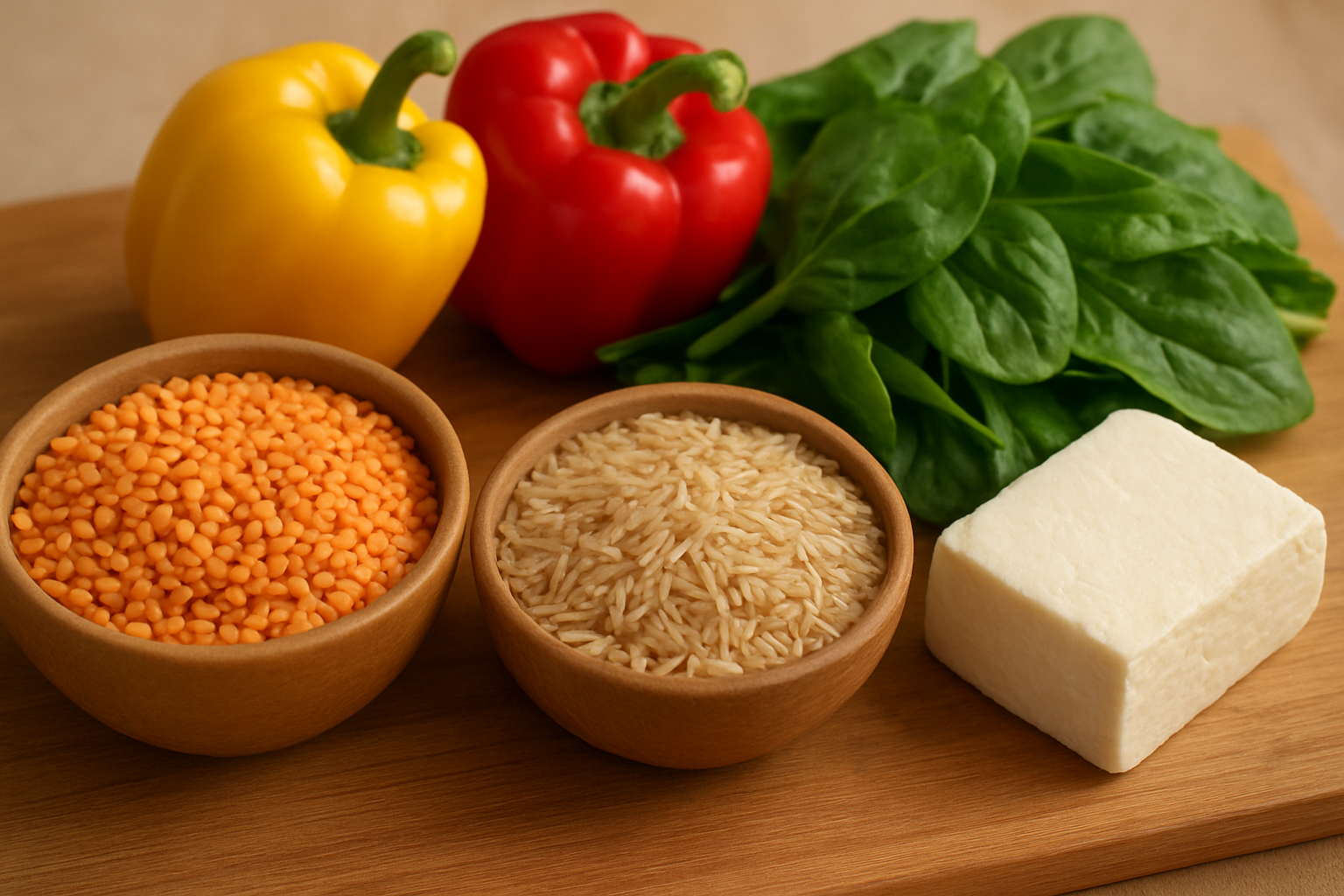
Lean Proteins and Healthy Fats
Protein is essential for muscle repair, satiety, and balancing blood sugar. Healthy fats are crucial for hormone production and reducing inflammation. Together, they create balanced meals that keep you feeling full and your hormones happy.
- Lean Proteins: Chicken breast, fish (especially fatty fish rich in omega 3s), eggs, paneer (in moderation, considering potential dairy sensitivity), tofu, tempeh, and all types of dal/lentils.
- Healthy Fats: Avocados, nuts (almonds, walnuts), seeds (chia, flax, pumpkin), and healthy oils like olive oil and ghee (in moderation). Omega 3 fatty acids, found in fish like salmon and mackerel, are particularly beneficial for reducing inflammation.
Pairing your carbohydrates with protein and healthy fats is a simple yet effective strategy to create balanced meals.
Anti Inflammatory Foods and Herbs
To combat inflammation, stock your kitchen with foods that actively fight it. These are often rich in antioxidants.
- Berries: Blueberries, strawberries, raspberries are packed with antioxidants.
- Turmeric: This golden spice, a staple in Indian cuisine, contains curcumin, a powerful anti inflammatory compound. Incorporate it into your cooking regularly.
- Green Tea & Spearmint Tea: Green tea is rich in antioxidants, while spearmint tea has shown promise in reducing androgen levels.
- Ginger: Another potent anti inflammatory spice.
- Omega 3 Fatty Acids: Beyond fish, consider flaxseeds, chia seeds, and walnuts as plant based sources.
These ingredients not only add flavour but also provide significant therapeutic benefits for managing PCOS.
Foods to Avoid with PCOS
Just as important as what to eat is what to limit or avoid. These foods often contribute to inflammation, insulin resistance, and hormonal imbalance.
Refined Carbohydrates and Sugars
These are the biggest culprits for women with PCOS. They cause rapid spikes in blood sugar and insulin, exacerbating insulin resistance and androgen production. Think of them as fuel for your PCOS symptoms. This includes:
- White bread, white rice (especially without accompanying fibre/protein), maida based products (naan, parathas, biscuits).
- Sugary drinks (sodas, packaged fruit juices).
- Sweets, candies, pastries, and desserts.
Making small, sustainable changes to reduce these can have a profound impact on your energy levels and overall wellbeing.
Processed and Fried Foods
Processed foods are often high in unhealthy fats, sugar, and sodium, all of which contribute to inflammation and weight gain. Fried foods, especially those from outside sources, contain trans fats and unhealthy oils that further fuel inflammation. These include:
- Packaged snacks (chips, namkeens).
- Fast food items (burgers, pizzas, fried chicken).
- Deep fried Indian snacks (samosas, pakoras, jalebi).
Opt for home cooked meals where you control the ingredients and cooking methods.
Dairy and High GI Fruits Nuances
This is where it gets a bit nuanced, as individual responses vary. Some women with PCOS find that dairy can exacerbate their symptoms, potentially due to its impact on insulin like growth factor 1 (IGF 1) or inflammatory responses. It is worth exploring if reducing or temporarily eliminating dairy, including low fat dairy, helps your symptoms. Listen to your body.
Regarding fruits, while fruits are healthy, some high GI fruits can cause a rapid sugar spike. These include mangoes, bananas, and chikoos. You do not need to avoid them entirely, but consume them in moderation, especially when paired with protein or healthy fats to slow sugar absorption. Low GI fruits like berries, apples, pears, and guavas are generally excellent choices.
Sample PCOS Diet Plans and Meal Timings
It is not just about *what* you eat, but *when* and *how* you combine your foods. A balanced plate with protein, healthy fats, and low GI carbs at each meal is key. Intermittent fasting can be a beneficial strategy for some to improve insulin sensitivity, but it is crucial to consult with a healthcare professional before trying it, especially if you are on medication or trying to conceive.
7-Day Indian PCOS Diet Chart
Here is a sample to inspire your meal planning, focusing on traditional Indian foods that fit a PCOS friendly framework:

- Breakfast: Ragi dosa with sambar (no sugar), egg bhurji with spinach, or a bowl of oats with nuts and seeds.
- Mid Morning Snack: A handful of almonds, an apple with peanut butter, or a bowl of mixed berries.
- Lunch: Brown rice or jowar roti with a lentil dal, mixed vegetable subzi, and a small portion of lean chicken or paneer.
- Evening Snack: Roasted chana, a cup of green tea or spearmint tea, or sprouts salad.
- Dinner: Quinoa pulao with mixed vegetables and grilled fish, or vegetable soup with a side of lentil stew.
Remember, this is a template. Adjust portion sizes and specific foods based on your individual needs and preferences. A Mediterranean diet style approach, rich in vegetables, fruits, whole grains, and healthy fats, aligns well with PCOS management.
PCOS Diet for Weight Loss and Pregnancy
For weight management, the principles remain the same: focus on nutrient dense, low GI foods, lean proteins, and healthy fats. Creating a slight calorie deficit through mindful eating and regular exercise will be key. For pregnancy, nutritional needs become even more critical. Ensure you are getting adequate folate, iron, and other essential nutrients from whole foods. Continuing a PCOS friendly diet during pregnancy can help manage gestational diabetes risk and support a healthy pregnancy outcome. Always consult your doctor or a registered dietitian for personalised guidance during this special time.
Lifestyle Changes to Complement the Diet
Diet is a powerful tool, but it is part of a larger picture. For holistic PCOS management, lifestyle changes are equally vital.
Exercise Recommendations
Regular physical activity significantly improves insulin sensitivity, aids in weight management, and boosts mood. You do not need to become a gym enthusiast overnight. Aim for a combination of:
- Moderate Intensity Cardio: Brisk walking, jogging, cycling, dancing for at least 150 minutes per week.
- Strength Training: Twice a week, focusing on major muscle groups. This is excellent for building muscle, which further improves insulin sensitivity.
- Yoga and Pilates: These can help with flexibility, core strength, and stress reduction.
Find activities you enjoy, and make them a consistent part of your routine. Consistency is more important than intensity.
Stress and Sleep Management
Chronic stress can worsen PCOS symptoms by impacting hormone levels, including cortisol, which in turn affects insulin. Finding effective ways to manage stress is crucial. This could include:
- Meditation and mindfulness practices.
- Spending time in nature.
- Deep breathing exercises.
- Engaging in hobbies you love.
Sleep hygiene is another often overlooked aspect. Poor sleep can disrupt hormones, increase insulin resistance, and make weight management harder. Aim for 7 9 hours of quality sleep per night. Create a relaxing bedtime routine, ensure your bedroom is dark and cool, and limit screen time before bed.
Common Myths and FAQs about PCOS Diet
There is a lot of misinformation out there, and it is easy to get confused. Let us clarify some common doubts.
Myth: You have to cut out all carbs. This is not true. The key is to choose the right *kind* of carbohydrates: low GI, high fibre whole grains instead of refined ones. Completely eliminating carbs can be unsustainable and may even deprive your body of essential nutrients.
Myth: Intermittent fasting is a magic cure for PCOS. While intermittent fasting can be beneficial for some in improving insulin sensitivity, it is not a magic cure and may not be suitable for everyone, especially those trying to conceive or with certain medical conditions. Always consult a healthcare provider first.
Myth: All dairy is bad for PCOS. The impact of dairy varies individually. While some women experience symptom improvement by reducing dairy, others tolerate it well. Experiment and observe your own body's response, rather than following a blanket recommendation. Low fat dairy, for instance, might still be problematic for some due to processing.
Navigating PCOS can feel like a maze, but your kitchen is a powerful place to start finding your way. By making conscious, informed food choices, you are not just managing symptoms; you are actively working towards hormonal balance, reduced inflammation, and a clearer path to wellbeing and parenthood. We are with you every step of the way, providing the wisdom of a sage, the empathy of a caregiver, and the empowering spirit of a rebel.
Improve your reproductive health with a personalised plan tailored to your body. When you join Izana, you are not just choosing a plan you are becoming part of a movement that challenges myths, empowers choices, and builds healthier futures. Join the Revolution.
References
- [1] Polycystic Ovary Syndrome (PCOS). Johns Hopkins Medicine. Available at: https://www.hopkinsmedicine.org/health/conditions-and-diseases/polycystic-ovary-syndrome-pcos (Accessed: 2023-10-26).
- [2] Lim, S. S., Davies, M. J., Norman, R. J., & Moran, L. J. (2019). Overweight, obesity and central obesity in women with polycystic ovary syndrome: a systematic review and meta analysis. Human Reproduction Update, 25(6), 616 637. Available at: https://academic.oup.com/humupd/article/25/6/616/5548651 (Accessed: 2023-10-26).
- [3] Gower, B. A., & Chandler‐Lakin, L. D. (2018). The effect of intermittent fasting on glucose and insulin sensitivity in polycystic ovary syndrome. Obesity, 26(11), 1774 1780. Available at: https://onlinelibrary.wiley.com/doi/abs/10.1002/oby.22306 (Accessed: 2023-10-26).