- 1Avoid raw or undercooked foods, unpasteurized dairy, and high mercury fish to prevent infections and harm to fetal development.
- 2Limit caffeine intake to a maximum of 200 mg per day and abstain completely from alcohol during pregnancy.
- 3Be cautious with Indian street foods, unpasteurized traditional dairy, and certain fruits like raw papaya due to potential risks.
- 4Prioritise essential nutrients like folic acid, iron, calcium, protein, and omega 3 fatty acids for optimal maternal and fetal health.
- 5Always consult your healthcare provider for personalized dietary advice and current safety guidelines applicable to your region.
Foods to Avoid During Pregnancy: An Indian Perspective
Becoming pregnant is a beautiful journey, but it can also bring a lot of questions, especially about what you eat. In India, where our cuisine is so rich and diverse, navigating pregnancy diet advice can feel overwhelming and confusing. We know you want the best for your baby, and sometimes, the sheer volume of information can make you feel more anxious than informed. At Izana, we are here to simplify this for you, offering clear, compassionate, and evidence based guidance to help you make informed choices with confidence.
- Certain Indian street foods and unpasteurized dairy carry risks for foodborne illnesses.
- Raw or undercooked meats, fish, and eggs should be avoided to prevent bacterial infections.
- High mercury fish and excessive caffeine intake can negatively impact fetal development.
- Some traditional foods like raw papaya and pineapple in large amounts require careful consideration.
- Always consult your healthcare provider for personalized dietary advice tailored to your specific needs.
During pregnancy, it is crucial to avoid raw or undercooked foods, unpasteurized dairy, and high mercury fish due to the risk of foodborne illnesses and potential harm to fetal development. Limiting caffeine and avoiding alcohol entirely are also essential for a healthy pregnancy. Even beloved Indian street foods and certain fruits require careful consideration.
Why is a Healthy Pregnancy Diet Important for Mother and Baby?
A healthy pregnancy diet is the cornerstone of your baby's development and your own wellbeing. What you eat directly influences the nutrients available for your baby to grow and thrive. It also plays a vital role in managing your energy levels, preventing complications, and setting the stage for a healthy postpartum recovery.
How Does Diet Support Fetal Growth and Development?
Every bite you take provides essential building blocks for your baby's organs, bones, and tissues. Nutrients like folic acid are critical for neural tube development, while iron supports blood production and oxygen delivery. Omega 3 fatty acids are fundamental for brain and eye development. A well balanced diet ensures your baby receives all the necessary components for healthy growth.
How Can Diet Help Maintain Maternal Health?
Eating well during pregnancy helps you maintain energy levels, manage pregnancy symptoms like nausea and constipation, and support your changing body. It can also help prevent conditions such as gestational diabetes and pregnancy induced hypertension. A nourished mother is better equipped to handle the demands of pregnancy and childbirth.
Can Diet Reduce Pregnancy Complications?
Indeed, a thoughtful diet can significantly reduce the risk of various pregnancy complications. For instance, adequate calcium intake can help prevent preeclampsia, a serious condition. Maintaining a healthy weight through balanced eating can reduce the risk of gestational diabetes. Food choices empower you to take an active role in preventing potential challenges.
Does Diet Promote Healthy Birth Outcomes?
Yes, a nutritious diet directly contributes to a healthy birth weight for your baby. Babies born at a healthy weight tend to have fewer health issues later in life. Proper nutrition also supports a stronger immune system for your infant. Your eating habits during pregnancy lay the foundation for your child's long term health.
How Does Diet Support Lactation Post Delivery?
The nutritional stores you build during pregnancy also prepare your body for breastfeeding. A diet rich in a variety of nutrients ensures that your body has the energy and resources to produce nourishing breast milk after delivery. This foresight supports both your recovery and your baby's early nutrition.
What are the Essential Nutrients for a Healthy Pregnancy?
Understanding which nutrients are paramount can help you make informed food choices. It is not just about what to avoid, but also what to embrace. Focusing on these key nutrients ensures you and your baby receive optimal support.
Why is Folic Acid Important During Pregnancy?
Folic acid, or Vitamin B9, is crucial, especially in the early stages of pregnancy and even before conception. It plays a vital role in preventing neural tube defects, serious birth defects of the brain and spine. Ensuring adequate intake through supplements and fortified foods is highly recommended.
Why is Iron Essential for Pregnant Women?
Iron intake needs double during pregnancy because your body produces more blood to supply oxygen to your baby and uterus. Insufficient iron can lead to iron deficiency anemia, causing fatigue, weakness, and increasing the risk of preterm birth and low birth weight. Red meat, lentils, spinach, and fortified cereals are excellent sources.
How Much Calcium Do I Need During Pregnancy?
Calcium is vital for your baby's developing bones, teeth, heart, nerves, and muscles. If you do not consume enough calcium, your baby will draw it from your bones, potentially affecting your long term bone health. Dairy products, fortified plant milks, and leafy greens are good sources.
Why is Protein Crucial During Pregnancy?
Protein is a construction material for your baby's rapid growth. It helps build important organs like the brain and heart, as well as muscles, skin, and blood. Good protein sources include lean meats, poultry, fish, eggs, dairy, lentils, beans, and nuts. Aim for a balanced intake throughout the day.
Are Omega 3 Fatty Acids Necessary for Fetal Development?
Omega 3 fatty acids, particularly DHA, are critical for the development of your baby's brain and eyes. They also play a role in reducing the risk of preterm birth. Fatty fish like salmon and sardines are excellent sources, and vegetarian options include flaxseeds, chia seeds, and walnuts.
Why is Fiber Important for Expectant Mothers?
Fiber helps prevent common pregnancy discomforts like constipation and hemorrhoids. It also contributes to stable blood sugar levels, which is beneficial for managing and preventing gestational diabetes. Whole grains, fruits, vegetables, and legumes are rich in dietary fiber.
What Other Vitamins and Minerals Should I Consider?
Beyond the key nutrients, a variety of other vitamins and minerals are important. Vitamin D supports calcium absorption and bone health. Vitamin C aids in iron absorption and a healthy immune system. Vitamin B6 can help alleviate nausea. Zinc, magnesium, and other micronutrients all play specialized roles in your and your baby's health. A balanced diet typically covers most of these, but your healthcare provider might recommend prenatal vitamin supplements.
What Should an Indian Pregnancy Diet and Meal Plan Look Like?
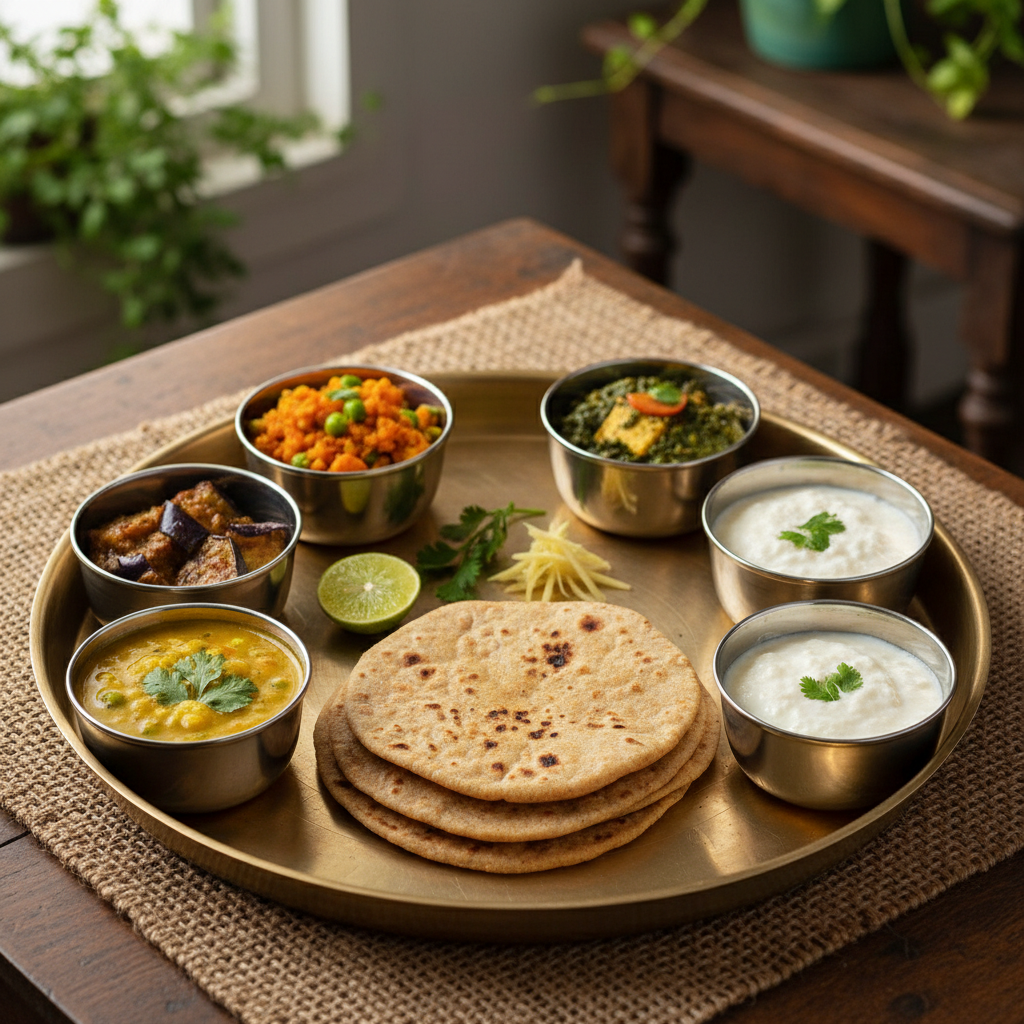
An ideal Indian pregnancy diet integrates traditional foods with modern nutritional science. It focuses on fresh, seasonal ingredients, balanced meals, and proper hydration. Think of it as embracing the goodness of your heritage while making smart adaptations for pregnancy.
How Can I Structure My Daily Meals?
Aim for three balanced meals and two to three healthy snacks throughout the day. This approach helps manage blood sugar levels and consistent nutrient delivery. A typical day might include whole grain parathas with paneer or dal for breakfast, a thali with roti, dal, sabzi, and curds for lunch, and a light dinner with rice, fish, or chicken curry, and a vegetable. Regular, smaller meals are often easier to digest and help combat nausea.
What About Traditional Indian Fermented Foods?
Many traditional Indian foods like idli, dosa, and curd are fermented and can be beneficial. They are easily digestible and provide probiotics, which support gut health. Ensure that curds and other dairy products are made from pasteurized milk to avoid potential risks. Speak to your doctor about how to incorporate these safely.
Which Foods and Beverages Should I Eat During Pregnancy?
Focus on a vibrant array of whole, unprocessed foods to provide the best nutrition for you and your growing baby. Eating a rainbow of fruits and vegetables ensures a wide spectrum of vitamins and antioxidants. Remember to prioritise hydration as well.
Are Dairy Products Safe and Beneficial?
Yes, pasteurized dairy products like milk, yogurt, paneer, and lassi are excellent sources of calcium, protein, and Vitamin D. They contribute significantly to your bone health and your baby's skeletal development. Always ensure dairy is pasteurized to eliminate harmful bacteria.
Why are Legumes Recommended?
Legumes such as lentils, chickpeas, and beans are powerhouses of protein, fiber, iron, and folate. They are particularly important for vegetarian diets to meet increased protein needs. Incorporate a variety of dals into your daily meals for a nutrient boost.
What are the Benefits of Sweet Potatoes?
Sweet potatoes are rich in beta carotene, which your body converts to Vitamin A, essential for cell growth and differentiation. They also provide fiber, helping with digestion and satiety. They are a healthy and delicious addition to your diet.
Are Eggs a Good Choice for Protein?
Eggs are often called nature's multivitamin. They are an excellent source of high quality protein, choline, and various vitamins and minerals. Choline is vital for your baby's brain development. Ensure eggs are thoroughly cooked to avoid salmonella.
Should I Eat Whole Grains?
Absolutely. Whole grains like atta, brown rice, oats, and ragi are packed with fiber, B vitamins, and iron. They provide sustained energy, help with digestion, and contribute to a feeling of fullness. Opt for whole grain varieties over refined grains whenever possible.
Why are Broccoli and Dark Leafy Greens Important?
These vegetables are nutritional powerhouses. Broccoli, spinach, fenugreek leaves, and kale are rich in folate, Vitamin C, Vitamin K, Vitamin A, calcium, and iron. They support overall health and offer robust antioxidant protection. Cook them well for easier digestion and nutrient absorption.
Are Lean Meats and Proteins Recommended?
For non vegetarians, lean meats like chicken and mutton, when thoroughly cooked, provide essential protein, iron, and B vitamins. Fish, particularly low mercury varieties, offers beneficial omega 3 fatty acids. Always ensure meats are cooked to safe internal temperatures.
What About Berries and Avocados?
Berries like strawberries, blueberries, and raspberries are full of antioxidants, Vitamin C, and fiber. Avocados provide healthy fats, folate, Vitamin K, and potassium. Both are excellent choices for snacks or additions to meals, offering a burst of nutrients and flavors.
Can I Eat Dry Fruits During Pregnancy?
Dry fruits such as dates, figs, and raisins can be a good source of fiber, iron, and energy. However, they are also concentrated in sugars and calories, so consume them in moderation. Soaking them overnight can sometimes enhance digestibility.
Which Fish are Safe During Pregnancy?
Low mercury fish like salmon, sardines, and anchovies are excellent sources of omega 3 fatty acids, which are vital for your baby's brain and eye development. Aim for 2 four ounce servings per week. Always ensure fish is thoroughly cooked.
How Important is Water Intake?
Staying well hydrated is paramount during pregnancy. Water carries nutrients to your baby, helps prevent constipation, reduces swelling, and keeps you energised. Aim for 8 to 12 glasses of water daily, and more if you are active or in a hot climate.
Which Foods to Avoid During Pregnancy?
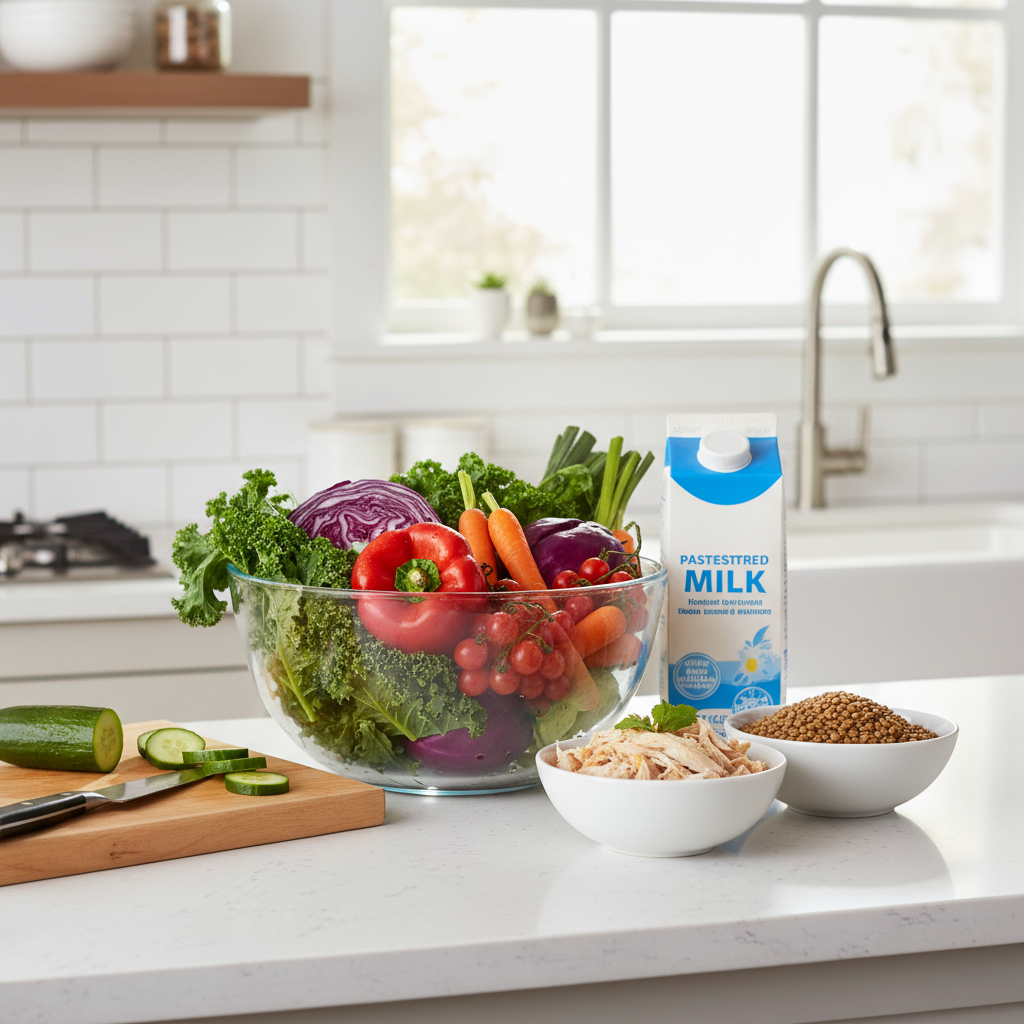
While focusing on nourishing foods is important, knowing what to steer clear of is equally vital. Certain foods pose risks of bacterial infections, exposure to toxins, or adverse effects on fetal development. This isn't about restriction, but about protection and making informed choices.
Why Should I Avoid High Mercury Fish?
High mercury fish like shark, swordfish, king mackerel, and tilefish should be avoided. Mercury can harm your baby's developing brain and nervous system. Stick to low mercury options mentioned earlier. The general advice is to limit fish with moderate mercury levels and avoid high mercury fish entirely. The US FDA provides detailed lists of safe fish choices.
Are Undercooked or Raw Fish and Seafood Safe?
Raw or undercooked fish, including sushi, sashimi, and raw oysters, should be avoided due to the risk of bacterial or parasitic infections like listeriosis and salmonella. These infections can be particularly dangerous during pregnancy, potentially leading to miscarriage, preterm birth, or serious illness in the newborn. Ensure all seafood is cooked thoroughly until opaque.
Why Avoid Raw or Undercooked Meat and Poultry?
Consuming raw or undercooked meats and poultry, including cold cuts, deli meats, and rare steaks, increases the risk of listeriosis and toxoplasmosis. These infections can cause severe complications for your baby. Always cook meats to their recommended internal temperatures, ensuring no pink remains. For deli meats, reheat them until steaming hot.
Are Raw or Undercooked Eggs Dangerous?
Raw or undercooked eggs can carry salmonella bacteria, which can cause severe food poisoning. Avoid foods containing raw egg, such as homemade mayonnaise, certain salad dressings, and undercooked scrambled eggs. Always ensure eggs are cooked until the yolks and whites are firm.
Why Avoid Unpasteurized Milk and Dairy Products?
Unpasteurized milk and dairy products, including some soft cheeses like feta, brie, and queso fresco, can harbor listeria bacteria. Listeriosis is a serious foodborne illness that can cross the placenta and cause severe complications for your baby. Always choose dairy products made from pasteurized milk. In India, many traditional dairy products are made at home, so ensure the milk used is boiled thoroughly.
Is Raw or Semi Ripe Papaya Safe?
Raw or semi ripe papaya contains papain, an enzyme that can potentially induce uterine contractions. While ripe papaya is generally considered safe, it is often advised to avoid raw or semi ripe varieties during pregnancy as a precautionary measure, especially in the first trimester. Ripe papaya, when consumed in moderation, is usually fine.
Should I Avoid Pineapple in Large Quantities?
Pineapple contains bromelain, an enzyme that some believe can soften the cervix and induce labor. While the amount of bromelain in a typical serving of pineapple is unlikely to cause issues, consuming very large quantities, particularly of unripe pineapple, might be a concern for some. Moderation is key, and if you have concerns, consult your doctor.
Why Avoid Street Food and Chaats?
While tempting, Indian street food and chaats often carry a higher risk of foodborne illness due to hygiene concerns, use of unpurified water, and potential cross contamination. Listeriosis and salmonella are serious threats during pregnancy. It is generally safer to avoid them to protect yourself and your baby from infection. If you must indulge, choose reputable vendors with high hygiene standards.
Navigating the vibrant world of Indian cuisine during pregnancy requires careful attention to food safety. While many traditional dishes are perfectly healthy and nutritious, some beloved options, especially those prepared outside the home, might pose risks. Prioritising hygiene, ensuring thorough cooking, and making informed choices about ingredients are key to a safe and enjoyable pregnancy journey.
Why Should I Limit Fried and Oily Foods?
Fried and oily foods, while delicious, can lead to indigestion, heartburn, and excessive weight gain during pregnancy. They offer little nutritional value and can displace healthier options from your diet. Opt for baked, steamed, or grilled alternatives to satisfy your cravings in a healthier way.
How Much Excessive Caffeine is Too Much?
High caffeine intake can be linked to an increased risk of miscarriage and low birth weight. It is generally recommended to limit caffeine intake to no more than 200 milligrams per day, which is roughly one to two small cups of coffee. Remember that tea and some sodas also contain caffeine. Consider decaffeinated options or herbal teas.
Is Alcohol Safe During Pregnancy?
No amount of alcohol is considered safe during pregnancy. Alcohol consumption can lead to Fetal Alcohol Spectrum Disorders (FASDs), which cause a range of physical, behavioral, and intellectual disabilities and learning difficulties in children. The safest approach is to completely abstain from alcohol throughout your pregnancy.
Why Avoid Organ Meat Due to High Vitamin A?
While organ meats like liver are rich in iron and other nutrients, they also contain very high levels of Vitamin A. Excessive Vitamin A intake during pregnancy can be harmful to fetal development, particularly in the first trimester, potentially causing birth defects. It is best to avoid organ meats or consume them very sparingly.
Are Uncooked Sprouts Safe?
Uncooked sprouts, such as alfalfa, clover, radish, and mung bean sprouts, can harbor bacteria like salmonella and E. coli. The warm, moist conditions required for sprouting are also ideal for bacterial growth. Cooking sprouts thoroughly can reduce this risk, but it is often safer to avoid them raw during pregnancy.
Should I Avoid Processed Food?
Processed foods, including many packaged snacks, ready to eat meals, and sugary drinks, are often high in unhealthy fats, sugar, and sodium, and low in essential nutrients. They can contribute to excessive weight gain and offer little benefit to your baby's development. Prioritize fresh, whole foods to nourish your body and your baby.
Questions to Ask Your Clinic
- What specific dietary recommendations do you have based on my health history and test results?
- Are there any traditional Indian foods I should be particularly mindful of, or are there ways to prepare them safely?
- Should I be taking any specific supplements, and what brands do you recommend?
- How can I manage common pregnancy discomforts like nausea or constipation through diet?
- What resources are available for personalized nutrition guidance during my pregnancy?