- 1Start folic acid supplementation (400 mcg daily) at least one month before trying to conceive to prevent neural tube defects.
- 2Undergo a comprehensive preconception checkup to screen for chronic conditions, infectious diseases, and ensure vaccinations are up to date.
- 3Aim for a healthy BMI and adopt a balanced diet rich in whole foods, while avoiding alcohol, smoking, and environmental toxins.
- 4Prioritize mental and emotional well-being through stress reduction techniques and ensure active partner involvement and support.
- 5Recognize male preconception health is equally vital, focusing on lifestyle habits to optimize sperm quality and considering semen analysis if needed.
How to Get Your Body Ready for Pregnancy: A Pre-Conception Checklist
We know how overwhelming the journey to parenthood can feel, especially when navigating a world often filled with confusing information and isolated experiences. You are not alone in wondering where to begin, or feeling a mix of hope, anxiety, and perhaps a touch of fear. At Izana, we believe the path to pregnancy should be clear, confident, and accessible for everyone. This guide is designed to be your trusted companion, offering evidence based insights and compassionate support as you prepare your body and mind for conception.
Preparing for pregnancy is one of the most proactive and loving steps you can take for yourself and your future child. It is about laying a strong foundation for a healthy pregnancy and ensuring the best possible start for your baby. Think of it as cultivating a fertile garden before planting your most precious seed. We are here to walk with you through every step of this beautiful, intricate process, simplifying the science and empowering you with knowledge.
Here’s a quick overview of what we will cover in this comprehensive guide:
- Understanding the crucial importance of preconception health for both you and your partner.
- Navigating essential medical checkups, screenings, and vaccinations to address potential health concerns early.
- Adopting vital nutritional and lifestyle changes, including starting folic acid and achieving a healthy weight.
- Prioritizing mental and emotional wellness, stress reduction, and fostering strong partner support.
- Recognizing the significant role of male preconception health and actionable steps for partners.
Introduction to Preconception Health
Preconception health refers to the health of an individual or couple before pregnancy. It is about understanding and improving your well-being in the months leading up to conception. Many people mistakenly believe that preparing for pregnancy only begins once they see a positive test result. However, the period before conception is incredibly vital, impacting everything from egg and sperm quality to the healthy development of your baby’s organs in the earliest weeks of pregnancy, often before you even know you are pregnant.
This proactive approach allows you to identify and address any potential health risks, optimize your body’s readiness, and establish healthy habits that will benefit you throughout pregnancy and beyond. It is about taking control, not just reacting. We are empowering you to be an active participant in your reproductive health story, ensuring you feel confident and informed every step of the way.
Importance of Planning Your Pregnancy
Planning your pregnancy is a powerful act of self care and love for your future family. Research clearly shows that good preconception health significantly reduces the risk of complications for both the mother and the baby. It can lower the chances of preterm birth, birth defects, and even some chronic conditions in childhood. By taking steps now, you are not just preparing for nine months of pregnancy, you are investing in a lifetime of health.
Consider the “90 day preconception checklist” as a guiding principle. This timeframe is crucial because it takes approximately 90 days for an egg to mature and for sperm to develop. This means that the lifestyle choices you make today will directly influence the health of the egg and sperm that will eventually come together to create your baby. It is a powerful window of opportunity to make impactful changes.
Preconception Medical Checkups and Screenings
Your journey begins with a conversation with your healthcare provider. A preconception checkup is not just a routine visit; it is a comprehensive assessment designed to understand your unique health profile and identify any areas that might need attention before you conceive. We want you to feel heard, understood, and confident that your medical team is supporting you fully.
Blood Tests and Hormone Assessments
During your checkup, your doctor may recommend various blood tests. These can include a complete blood count to check for anemia, a blood sugar test to screen for diabetes or insulin resistance, and thyroid function tests. Thyroid imbalances, for instance, can affect ovulation and increase the risk of miscarriage if not managed. For those with conditions like Polycystic Ovary Syndrome (PCOS), specific hormone assessments will be crucial to understand your hormonal balance and tailor a plan for ovulation tracking and symptom management. We know how overwhelming a PCOS diagnosis can feel, but understanding your body is the first step towards empowerment.
Infectious Disease and Immunity Screening
Screening for certain infectious diseases and assessing your immunity to others is incredibly important. Tests for Rubella (German measles), Chickenpox (Varicella), Hepatitis B, HIV, and sexually transmitted infections (STIs) are commonly recommended. If you are not immune to Rubella or Chickenpox, for example, your doctor may suggest vaccination, followed by a waiting period before conception, as these infections can cause serious birth defects.
Genetic Counseling and Screening
Genetic screening can provide valuable insights into your family’s health history and potential risks. If there is a history of certain genetic conditions in your family or your partner’s family, or if you belong to certain ethnic groups with higher incidences of specific disorders, genetic counseling may be recommended. This process helps you understand your risks and make informed decisions. It is about clarity and preparedness, not fear.
Vaccinations Before Pregnancy
Ensuring your immunizations are up to date is a simple yet effective way to protect both you and your baby. Beyond Rubella and Chickenpox, your doctor might recommend the Tdap vaccine (Tetanus, Diphtheria, and Pertussis or whooping cough) to protect your newborn from pertussis, which can be life threatening for infants. The flu shot is also highly recommended during pregnancy to protect against severe illness. These immunizations build a protective shield around your developing baby.
Nutritional and Lifestyle Preparation
Nourishing your body and making conscious lifestyle choices are cornerstones of preconception health. These are areas where you have immense power to influence your fertility and the health of your future child.
Taking Folic Acid and Prenatal Vitamins
This is perhaps one of the most critical steps you can take. Folic acid, a B vitamin, is essential for the healthy development of your baby’s brain and spinal cord, particularly in the very early weeks of pregnancy. It significantly reduces the risk of neural tube defects like spina bifida. We recommend starting a daily supplement of 400 micrograms (mcg) of folic acid at least one month before you begin trying to conceive, and continuing through the first trimester. Your doctor might suggest a higher dose if you have certain risk factors. A comprehensive prenatal vitamin will also provide other essential nutrients like iron, calcium, and Vitamin D, filling any dietary gaps.
Maintaining a Healthy Weight and BMI
Achieving and maintaining a healthy body weight is crucial for both fertility and pregnancy outcomes. Both being underweight and overweight (indicated by BMI, or Body Mass Index) can impact your hormonal balance and ovulation patterns. For instance, think of insulin resistance like a key that does not quite fit the lock anymore, making it harder for your body to process glucose effectively, which is common in conditions like PCOS. Being within a healthy BMI range can improve your chances of conception, reduce the risk of pregnancy complications such as gestational diabetes and preeclampsia, and support a smoother delivery. This is about finding balance for your unique body, not chasing an arbitrary number.
Diet Recommendations and Foods to Avoid
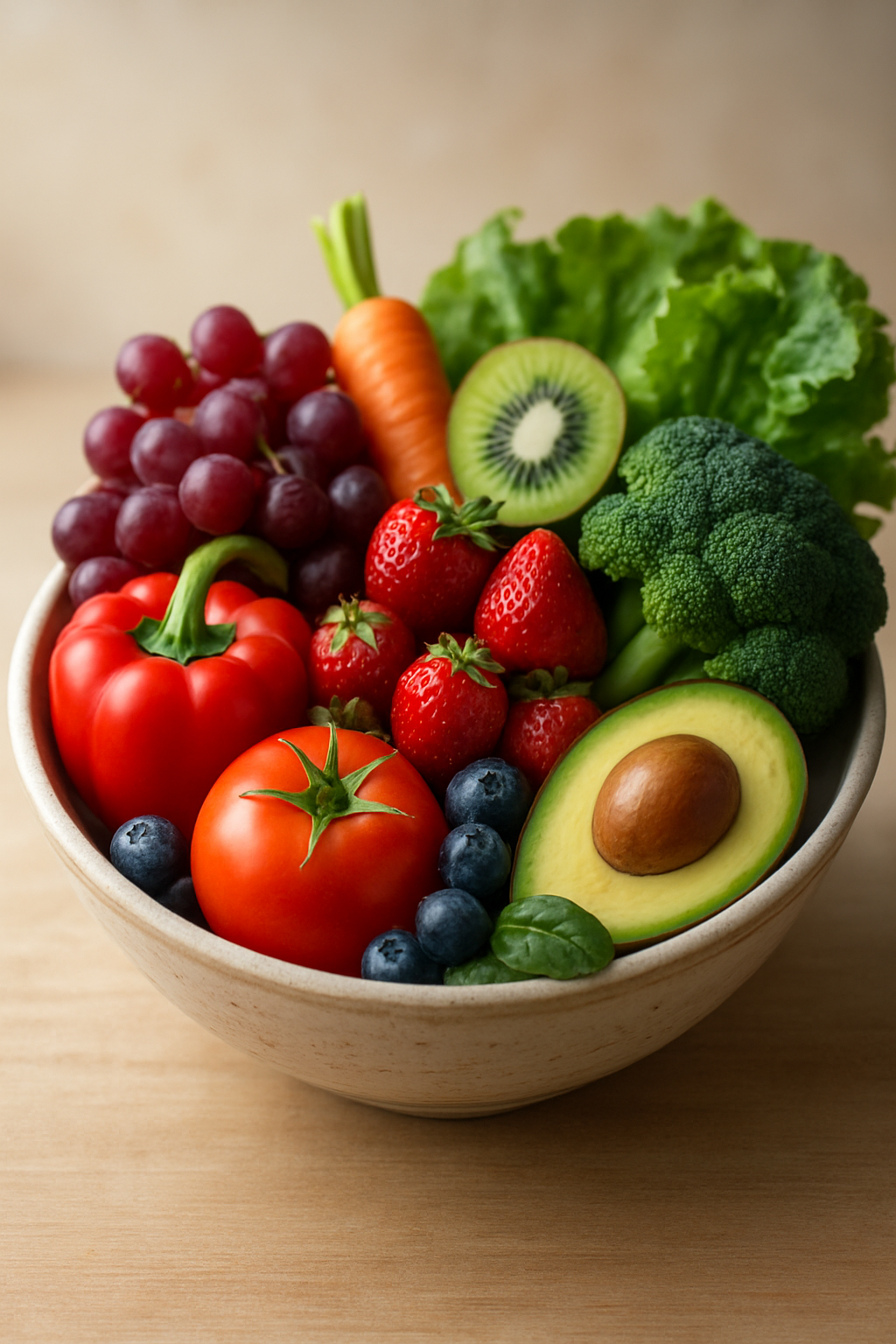
A balanced, nutrient rich diet is your ally. Focus on whole, unprocessed foods: plenty of fresh fruits, vegetables, whole grains, lean proteins, and healthy fats. Incorporate foods rich in iron (leafy greens, lentils), calcium (dairy, fortified plant milks), and omega 3 fatty acids (flaxseeds, walnuts, fatty fish like salmon). Limiting processed foods, sugary drinks, and excessive saturated fats is also key. So, what about rice? It is a staple in India, and it is a valid question. The answer, like many things in health, is nuanced. Opt for brown rice or parboiled rice when possible, as they have a lower glycemic index compared to white rice, helping to manage blood sugar levels. Moderation and balance are always key.
Exercise and Physical Activity Guidelines
Regular, moderate exercise offers a wealth of benefits for preconception health. It helps manage weight, improves blood circulation, boosts mood, and can enhance fertility. Aim for at least 30 minutes of moderate intensity activity most days of the week, such as brisk walking, swimming, or yoga. Listen to your body and choose activities you enjoy. Remember, consistency is more important than intensity.
Avoiding Alcohol, Smoking, and Environmental Risks
This is a non negotiable. Alcohol consumption and smoking are harmful to both egg and sperm quality and can have severe consequences for a developing fetus, including an increased risk of miscarriage, preterm birth, and birth defects. The safest approach is to completely abstain from alcohol and tobacco products as soon as you start trying to conceive. Additionally, be mindful of environmental toxins: limit exposure to pesticides, certain chemicals in cleaning products, and heavy metals. Always read labels and choose natural alternatives where possible. These small changes create a safer environment for conception.
We know that navigating these changes can feel like a lot to take on, but remember that even small, consistent steps can lead to significant progress. We are here to support you in making these healthy transitions, one choice at a time. Every decision you make is an investment in your well being and the health of your future family.
Mental and Emotional Wellness
The journey to parenthood can be emotionally demanding, filled with highs and lows. Nurturing your mental and emotional well-being is just as important as your physical health. We understand that this is often the most overlooked aspect, yet it is profoundly influential.
Stress Reduction Techniques
Chronic stress can impact your hormonal balance and make conception more challenging. Incorporate stress reduction techniques into your daily routine. This could be mindfulness meditation, deep breathing exercises, gentle yoga, spending time in nature, or engaging in hobbies you love. Prioritizing self care is not a luxury; it is a necessity during this time. Find what brings you peace and make space for it.
Partner Involvement and Support
Conception is a shared journey, and partner support is invaluable. Open communication with your partner about your feelings, fears, and hopes can strengthen your bond and reduce feelings of isolation. Your partner’s understanding and active participation in lifestyle changes can make a significant difference. Let us walk through this together, as a team.
Counseling and Emotional Readiness
If you are experiencing significant anxiety, depression, or have faced previous fertility challenges or losses, seeking counseling can provide a safe space to process these emotions. A mental health professional can offer strategies for coping and help you build resilience. Emotional readiness involves acknowledging the challenges, preparing for them, and developing healthy coping mechanisms. You deserve to feel supported and strong.
Male Preconception Health
It takes two to tango, and male preconception health is equally vital. Often, the focus tends to be primarily on the woman, but sperm quality and health play a crucial role in conception and healthy fetal development. Let us shift the narrative and embrace a holistic approach that includes both partners.
Semen Analysis and Fertility Factors
If you have been trying to conceive for a while without success, or if there are known male fertility concerns, a semen analysis is an important diagnostic tool. This test evaluates sperm count, motility (how well they move), and morphology (their shape). Abnormalities in these factors can impact conception. Understanding these factors early allows for targeted interventions and strategies.

Lifestyle Habits for Male Fertility
Just like for women, lifestyle choices significantly influence sperm health. Men should also aim for a balanced diet rich in antioxidants (found in fruits and vegetables), maintain a healthy weight, and engage in regular exercise. Avoiding smoking, excessive alcohol consumption, and recreational drugs is paramount. Exposure to excessive heat (e.g., hot baths, tight underwear, prolonged laptop use on the lap) can also negatively impact sperm production. Small, consistent changes can lead to significant improvements in sperm quality.
Remember, the goal is not perfection, but progress. Each healthy choice you and your partner make contributes to a stronger foundation for your future family. This shared commitment can strengthen your bond and enhance your overall well being.
Financial and Logistical Planning
While often overlooked in the emotional and medical preparations, considering the financial and logistical aspects of starting a family is a practical step. This includes understanding the costs associated with prenatal care, delivery, and newborn essentials. Researching maternity benefits, health insurance coverage, and childcare options in advance can reduce stress later on, allowing you to focus more on welcoming your new baby. Preparation in this area offers peace of mind.
Timeline and 90 Day Preconception Plan
While an ideal 90 day preconception plan is a great goal, any amount of preparation is beneficial. We encourage you to start wherever you are, right now. This timeline provides a powerful window to:
- Consult your doctor for a full preconception checkup.
- Begin taking folic acid and a prenatal vitamin.
- Review and update your immunizations.
- Assess and adjust your diet to be more nutrient dense.
- Incorporate regular, moderate exercise.
- Reduce or eliminate alcohol, smoking, and exposure to environmental toxins.
- Actively manage stress through mindfulness or other techniques.
- Engage your partner in the process, discussing shared goals and support systems.
This is your personal roadmap, allowing you to gradually implement changes and build a healthier foundation.
Conclusion and Final Preparations
Embarking on the path to pregnancy is a profound and personal journey. By focusing on preconception health, you are not just waiting for a baby; you are actively nurturing your body, mind, and spirit for this incredible chapter. We hope this comprehensive checklist empowers you with the knowledge and confidence to move forward. Remember, every small step you take today contributes to a healthier tomorrow for you and your future family. You are capable, you are resilient, and you are surrounded by support.
Improve your reproductive health with a personalised plan tailored to your body. When you join Izana, you’re not just choosing a plan. You’re becoming part of a movement that challenges myths, empowers choices, and builds healthier futures. Join the Revolution.
Frequently Asked Questions (FAQs)
Q: How long before trying to conceive should I start preparing?
A: Ideally, we recommend starting at least three months (90 days) before you plan to conceive. This timeframe allows for significant improvements in egg and sperm quality, establishing healthy habits, and addressing any medical concerns. However, any preparation is better than none, so start as soon as you can!
Q: Is preconception planning only for women?
A: Absolutely not! Preconception planning is a critical shared responsibility. Male health significantly impacts fertility and the health of the baby, making partner involvement in lifestyle changes and medical assessments equally important.
Q: Can I take over the counter prenatal vitamins, or do I need a prescription?
A: Over the counter prenatal vitamins are generally sufficient and widely available. The most important thing is to ensure it contains at least 400 mcg of folic acid. Always discuss your specific needs with your healthcare provider, as they may recommend a prescription strength if you have particular deficiencies or health conditions.
Q: What if I have a chronic condition like diabetes or PCOS?
A: If you have a chronic condition, preconception planning is even more crucial. Work closely with your doctor to manage your condition effectively before conception. For example, ensuring blood sugar levels are well controlled for diabetes or managing PCOS symptoms through diet and medication can significantly improve pregnancy outcomes.
Q: Do I need genetic screening if there is no family history of genetic issues?
A: While a family history increases the recommendation for genetic screening, some screenings are offered universally, such as carrier screening for common conditions like thalassemia or cystic fibrosis, depending on your background. Discuss this with your doctor to understand what is recommended for your specific situation.