- 1Adopting a low glycemic index, anti-inflammatory diet rich in whole foods is fundamental for improving insulin sensitivity and reducing PCOS symptoms.
- 2Key supplements like inositol, berberine, and Vitamin D have been shown to positively impact hormonal balance and metabolic markers in women with PCOS.
- 3Regular exercise combining strength training, cardio, and low-impact activities significantly aids in weight management, stress reduction, and insulin regulation.
- 4Stress management techniques, adequate sleep (7-9 hours), and avoiding endocrine disruptors are crucial for maintaining hormonal equilibrium.
- 5Always consult a healthcare professional to personalize your natural approach and integrate it safely with conventional medical care.
Natural Approaches to Managing PCOS Symptoms
Receiving a diagnosis of Polycystic Ovary Syndrome, or PCOS, can feel incredibly overwhelming. We know this journey can be confusing, isolating, and often filled with unanswered questions. You might be feeling a mix of frustration, sadness, and a desperate desire for clarity. At Izana, we want you to know that you are not alone, and there is a path forward. We are here to empower you with science-backed knowledge and compassionate guidance, challenging the silence and confusion around PCOS. While conventional medical treatments are crucial, exploring natural approaches can significantly complement your care, helping you reclaim control over your body and your reproductive health.
Here is a quick summary of what we will cover in this guide:
- Understanding PCOS: We will define what PCOS is, its common symptoms, and underlying causes like insulin resistance and hormonal imbalance.
- Lifestyle as Medicine: Discover how dietary changes focusing on whole, anti-inflammatory foods can be a powerful tool in managing symptoms.
- Targeted Supplementation: Learn about key supplements such as inositol, berberine, and Vitamin D that can support hormonal balance and insulin sensitivity.
- Herbal Wisdom: Explore the potential benefits of adaptogenic herbs and other botanical remedies in addressing PCOS-related challenges.
- Holistic Well-being: Uncover the importance of exercise, stress management, sleep, and avoiding endocrine disruptors for overall hormonal health.
Understanding PCOS: Definition, Symptoms, and Causes
PCOS is a complex endocrine disorder affecting millions of women worldwide, including a significant number in India. It is primarily characterized by a hormonal imbalance that can lead to a range of symptoms and health concerns. The exact cause is still being researched, but it is understood to involve a combination of genetic and environmental factors.
Common symptoms of PCOS include irregular periods or no periods at all, which can make conception difficult. Many women experience excess androgen (male hormone) levels, leading to symptoms like acne, excessive hair growth (hirsutism), and hair thinning on the scalp. Polycystic ovaries, where follicles do not mature and release an egg regularly, are often seen on ultrasound, though not all women with PCOS have cysts. Other concerns can include weight gain, fatigue, mood swings, and difficulty conceiving.
At its core, PCOS is often linked to insulin resistance. This means your body's cells do not respond effectively to insulin, a hormone that regulates blood sugar. As a result, your pancreas produces more insulin, leading to high insulin levels (hyperinsulinemia). This excess insulin can stimulate your ovaries to produce more androgens, further exacerbating hormonal imbalance and impacting ovulation. Inflammation also plays a significant role, contributing to insulin resistance and other symptoms (Randhawa and Bhatia, 2021).
Importance of Lifestyle Modifications in PCOS Management
The good news is that lifestyle modifications are often the first line of defense and can be incredibly effective in managing PCOS symptoms. Small, consistent changes can lead to profound improvements in your hormonal balance, insulin sensitivity, and overall well-being. This is where you truly have the power to influence your health.
Dietary Approaches: Whole Foods, Balanced Macronutrients, Low Glycemic Index Foods
Your plate is a powerful tool in managing PCOS. Focusing on a diet rich in whole, unprocessed foods can make a significant difference. Think of it as nourishing your body with what it truly needs to thrive, rather than foods that might cause distress.
A balanced approach to macronutrients (carbohydrates, proteins, and fats) is key. For many women with PCOS, reducing refined carbohydrates and sugars is particularly beneficial. These foods can spike blood sugar, leading to increased insulin production, which we know can worsen PCOS symptoms. Instead, opt for complex carbohydrates that are digested slowly, providing a steady release of energy.
This brings us to low glycemic index (GI) foods. Foods with a low GI cause a slower, more gradual rise in blood sugar and insulin levels. Think of whole grains like brown rice, oats, and quinoa, compared to white rice or highly processed bread. So, what about rice, a staple in the Indian diet? It is a valid question, and the answer is nuanced. While white rice has a higher GI, portion control and combining it with plenty of fiber (vegetables) and protein can help mitigate its impact. Basmati rice, for instance, generally has a lower GI than other white rice varieties. The key is balance and mindful consumption (Marsh et al., 2019).
Anti-Inflammatory Foods and Nutrient-Rich Diet
Chronic inflammation is a silent contributor to many PCOS symptoms. Incorporating anti-inflammatory foods can help calm your body's inflammatory response. This means loading up on colorful fruits and vegetables, leafy greens, healthy fats from avocados, nuts, seeds, and fatty fish. The Mediterranean diet, with its emphasis on these foods, has shown promise in improving metabolic markers in women with PCOS.
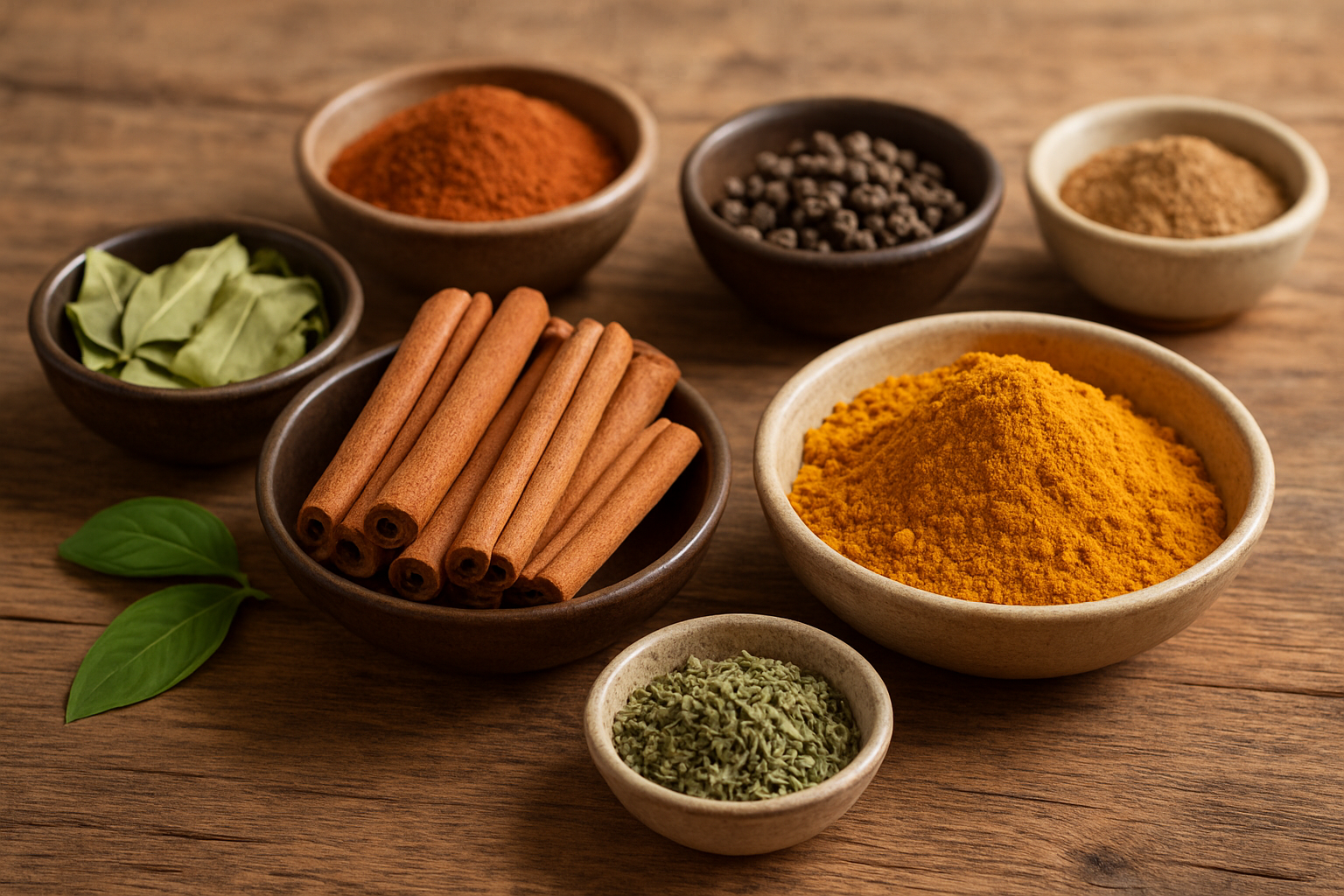
A nutrient-rich diet ensures you are getting essential vitamins and minerals that play a role in hormonal health and insulin sensitivity. Focus on getting enough fiber, which aids digestion and helps regulate blood sugar. Lean proteins from lentils, beans, chicken, and fish are crucial for satiety and muscle health. Healthy fats are not to be feared; they are essential for hormone production and nutrient absorption. Embrace options like olive oil, nuts, and seeds.
Key Dietary Supplements and Their Roles
While a healthy diet forms the foundation, certain supplements can provide targeted support for specific PCOS challenges. Always consult with your doctor or a qualified healthcare professional before starting any new supplement regimen to ensure it is safe and appropriate for your individual needs.
Inositol, Berberine, Chromium, Cinnamon, Turmeric, Zinc
- Inositol (Myo-inositol and D-Chiro-inositol): This is often considered one of the most beneficial supplements for PCOS. It plays a crucial role in insulin signaling, helping to improve insulin sensitivity and reduce androgen levels. Studies suggest it can regulate menstrual cycles and improve fertility outcomes (Vitale et al., 2020).
- Berberine: An alkaloid found in several plants, berberine has gained attention for its ability to lower blood sugar and improve insulin sensitivity, similar to how some diabetes medications work. It can also help with weight management and reduce androgen levels.
- Chromium: This trace mineral is essential for proper carbohydrate and lipid metabolism. It enhances the action of insulin, potentially improving glucose tolerance in women with PCOS.
- Cinnamon: More than just a spice, cinnamon has been shown to improve insulin sensitivity and may help regulate menstrual cycles. It can be easily incorporated into your diet or taken as a supplement.
- Turmeric (Curcumin): A potent anti-inflammatory and antioxidant, turmeric can help reduce systemic inflammation often associated with PCOS. Its active compound, curcumin, may also support metabolic health.
- Zinc: This essential mineral is involved in various bodily functions, including hormone regulation and immune function. Zinc supplementation may help reduce androgen levels, improve acne, and support hair health in women with PCOS.
Vitamin D and Calcium Supplementation
Many individuals, particularly in India, have suboptimal Vitamin D levels. Vitamin D is not just for bone health; it acts like a hormone and plays a vital role in insulin sensitivity, immune function, and ovarian health. Correcting a Vitamin D deficiency can significantly impact PCOS symptoms, including improving ovulation and menstrual regularity.
Calcium, often taken alongside Vitamin D, is also important. Some research suggests that a combination of calcium and Vitamin D can improve menstrual regularity and ovulation in women with PCOS, especially those who are deficient.
Role of Adaptogenic and Herbal Remedies
Adaptogenic herbs are a unique class of plants that help your body adapt to stress and maintain balance. While research on their specific impact on PCOS is ongoing, many women find them helpful. As with all supplements, consult your doctor before use.
Maca Root, Ashwagandha, Holy Basil, Licorice Root, Tribulus Terrestris, Chasteberry
- Maca Root: Known for its adaptogenic properties, maca may help balance hormones, improve energy levels, and enhance libido. It does not directly impact hormones but supports the endocrine system.
- Ashwagandha: A powerful adaptogen, ashwagandha can help reduce stress and cortisol levels, which are often elevated in women with PCOS. Lowering stress can positively impact hormonal balance and insulin sensitivity.
- Holy Basil (Tulsi): Revered in Ayurvedic medicine, holy basil has anti-inflammatory, antioxidant, and anti-stress properties. It may help regulate blood sugar and support overall metabolic health.
- Licorice Root: Some studies suggest licorice root can reduce androgen levels and help regulate menstrual cycles, potentially by modulating enzymes involved in hormone production. However, it should be used cautiously due to potential side effects like elevated blood pressure.
- Tribulus Terrestris: Traditionally used to enhance fertility and libido, Tribulus may help stimulate ovulation and improve menstrual regularity in some women with PCOS, though more research is needed.
- Chasteberry (Vitex agnus castus): This herb is known for its ability to support pituitary function and balance prolactin levels, which can indirectly help regulate menstrual cycles and promote ovulation.
Probiotics and Gut Health in PCOS
Your gut health is intricately linked to your overall health, including hormonal balance. The gut microbiome (the community of bacteria in your digestive system) plays a role in estrogen metabolism, inflammation, and insulin sensitivity. An imbalance in gut bacteria, known as dysbiosis, can contribute to inflammation and exacerbate PCOS symptoms.
Incorporating probiotics through fermented foods like yogurt, kefir, idli, or dosa, and considering a high-quality probiotic supplement, can help restore a healthy gut microbiome. This may lead to improved digestion, reduced inflammation, better insulin sensitivity, and a more balanced hormonal environment.
Exercise Recommendations for PCOS
Regular physical activity is a cornerstone of PCOS management. Exercise helps improve insulin sensitivity, promotes weight management, reduces stress, and enhances mood. The goal is to find activities you enjoy and can sustain consistently.
Strength Training, Low-Impact, Cardio, HIIT
- Strength Training: Building muscle mass is incredibly beneficial as muscle tissue is more metabolically active than fat tissue. This means it helps improve insulin sensitivity and burn more calories even at rest. Aim for 2-3 sessions per week using weights or bodyweight exercises.
- Low-Impact Exercises: Activities like walking, swimming, cycling, and yoga are gentle on your joints and excellent for stress reduction. They contribute to overall fitness and consistency without excessive strain.
- Cardio (Aerobic Exercise): Engaging in moderate-intensity cardio, like brisk walking, jogging, or dancing, for at least 150 minutes per week can improve cardiovascular health and aid in weight management.
- High-Intensity Interval Training (HIIT): Short bursts of intense exercise followed by brief recovery periods can be highly effective for improving insulin sensitivity and fat loss, particularly for those who are time-constrained. Start slowly and ensure proper form.
Stress Management and Sleep Hygiene
Chronic stress can significantly worsen PCOS symptoms by elevating cortisol levels, which can further impact insulin resistance and hormonal balance. Finding effective ways to manage stress is not a luxury; it is a necessity for your health.

Practice mindfulness through meditation, deep breathing exercises, or spending time in nature. Yoga, often combined with breathwork, is an excellent tool for both physical and mental well-being. Engaging in hobbies, connecting with loved ones, or seeking support from a therapist can also be invaluable.
Equally important is prioritizing quality sleep. Poor sleep hygiene disrupts hormones, including those that regulate appetite and blood sugar. Aim for 7-9 hours of uninterrupted sleep each night. Create a relaxing bedtime routine, ensure your bedroom is dark and cool, and avoid screens before bed. Your body heals and rebalances during sleep.
Avoiding Endocrine Disruptors
Endocrine disruptors are chemicals that can interfere with your body's endocrine (hormonal) system, potentially contributing to or exacerbating hormonal imbalances like those seen in PCOS. They are found in many everyday products.
We recommend being mindful of products containing parabens, phthalates, BPA (Bisphenol A), and certain pesticides. These can be found in plastics, cosmetics, cleaning products, and some food packaging. Opt for glass containers, choose natural and organic personal care products, and filter your drinking water where possible. Small changes in your environment can support your hormonal health.
Alternative Therapies: Acupuncture
Beyond lifestyle and supplements, some women find relief through alternative therapies. Acupuncture, an ancient Chinese practice involving the insertion of thin needles into specific points on the body, has shown promise in managing PCOS symptoms. Research suggests it may help regulate menstrual cycles, reduce androgen levels, and improve insulin sensitivity by modulating the nervous and endocrine systems. It can also be a wonderful tool for stress reduction. If you are considering acupuncture, seek out a licensed and experienced practitioner.
Precautions and When to Consult Your Doctor
While natural approaches offer powerful tools for PCOS management, they are not a substitute for professional medical care. It is crucial to work closely with your doctor, endocrinologist, or a fertility specialist. Always discuss any new dietary changes, supplements, or herbal remedies with them to ensure safety, avoid interactions with medications, and tailor a plan that is right for your unique body.
If your symptoms worsen, if you are struggling with mental health, or if you are trying to conceive and not seeing progress, it is imperative to seek medical advice. Your healthcare team can provide accurate diagnosis, monitor your progress, and adjust your treatment plan as needed. Izana is here to complement your medical journey, empowering you with information to make informed choices alongside your care providers.
Improving your reproductive health with a personalised plan tailored to your body. When you join Izana, you are not just choosing a plan – you are becoming part of a movement that challenges myths, empowers choices, and builds healthier futures. Join the Revolution today and take the confident step towards understanding and optimising your unique path to parenthood.