- 1A nutrient rich diet, particularly mirroring the Mediterranean pattern, is key for supporting hormonal balance and reproductive cell quality during IVF.
- 2Crucial nutrients such as folic acid, omega 3 fatty acids, and vitamin D are vital for both male and female fertility and should be prioritized.
- 3Avoiding high mercury fish, raw foods, alcohol, excessive caffeine, and processed items minimizes risks and supports a healthy internal environment.
- 4Beyond diet, managing stress, maintaining a healthy weight, hydrating well, and adequate sleep significantly contribute to overall IVF success.
- 5Consistently following your clinic's medication instructions and leveraging tools for adherence are essential aspects of your treatment plan.
IVF Diet Guide: Foods to Eat and Avoid for Optimal Success
During your IVF cycle, focusing on a balanced, nutrient rich diet is crucial. Prioritize lean proteins, whole grains, healthy fats, and a variety of fruits and vegetables while limiting highly processed foods, excessive caffeine, and alcohol to support hormonal balance and embryo health.
- A balanced diet significantly impacts IVF success by optimizing hormone levels and egg/sperm quality.
- Key nutrients like folic acid, omega 3 fatty acids, and vitamin D are vital for reproductive health.
- The Mediterranean diet, rich in antioxidants and healthy fats, is often recommended for fertility.
- Avoid high mercury fish, raw or undercooked foods, excessive caffeine, alcohol, and highly processed items during treatment.
- Beyond diet, stress management, adequate hydration, and healthy lifestyle choices are equally important for IVF success.
Why Does Diet Matter So Much During IVF?
Preparing for and undergoing an IVF cycle is a significant journey, and understandably, you want to do everything in your power to enhance your chances of success. One of the most empowering areas you can focus on is your nutrition. The foods you eat directly influence your body's internal environment, which is critical during fertility treatments.
How Does Diet Impact Hormone Regulation?
Your hormones are the orchestrators of your reproductive system. A balanced diet provides the building blocks and regulatory signals to maintain optimal hormonal balance. Conversely, diets high in sugar and unhealthy fats can disrupt insulin sensitivity and hormone production, potentially impacting ovulation and embryo development (Chavarro et al., 2008).
How Does Diet Impact Egg and Sperm Quality?
The health of your eggs and sperm is paramount for successful fertilization and embryo implantation. Nutrients like antioxidants, found abundantly in fruits and vegetables, protect reproductive cells from damage. Omega 3 fatty acids contribute to healthy cell membranes for both eggs and sperm, promoting their vitality (Salas Huetos et al., 2019).
How Does Diet Impact Inflammation and Uterine Receptivity?
Chronic inflammation in the body can create an inhospitable environment for an embryo. Certain foods, particularly processed ones, can fuel inflammation. An anti inflammatory diet, rich in whole foods, can help reduce systemic inflammation, potentially improving uterine receptivity for implantation.
What Essential Nutrients and Foods Should I Include in My IVF Diet?
Think of your body as a carefully tended garden; during IVF, you are providing it with the best possible soil and nutrients to nurture new life. Focusing on specific nutrients and food groups can profoundly impact your reproductive health.
What Key Nutrients are Most Important for IVF Success?
Several micronutrients play indispensable roles in fertility. Ensuring adequate intake of these can support your body through the demanding process of IVF.
- Folic Acid (Folate): Essential for DNA synthesis and preventing neural tube defects. Aim for at least 400 mcg daily, ideally starting several months before conception (CDC, 2023).
- Omega 3 Fatty Acids: Important for reducing inflammation, hormone production, and improving egg and sperm quality. Found in fatty fish, flaxseeds, and walnuts.
- Iron: Crucial for red blood cell production and preventing anemia, which can impact ovulation. Plant based sources include lentils, spinach, and fortified cereals.
- Zinc: Vital for egg development, ovulation, and sperm production. Found in nuts, seeds, and beans.
- Vitamin D: Plays a role in hormone production and immune function. Many people are deficient; consider supplementation if levels are low.
- Protein: Essential for building and repairing tissues, including reproductive organs. Opt for lean sources like legumes, poultry, fish, and dairy.
What Recommended Food Categories Should I Focus On?
Adopting a Mediterranean style diet is often recommended due to its emphasis on whole, unprocessed foods. This approach is naturally rich in beneficial nutrients.
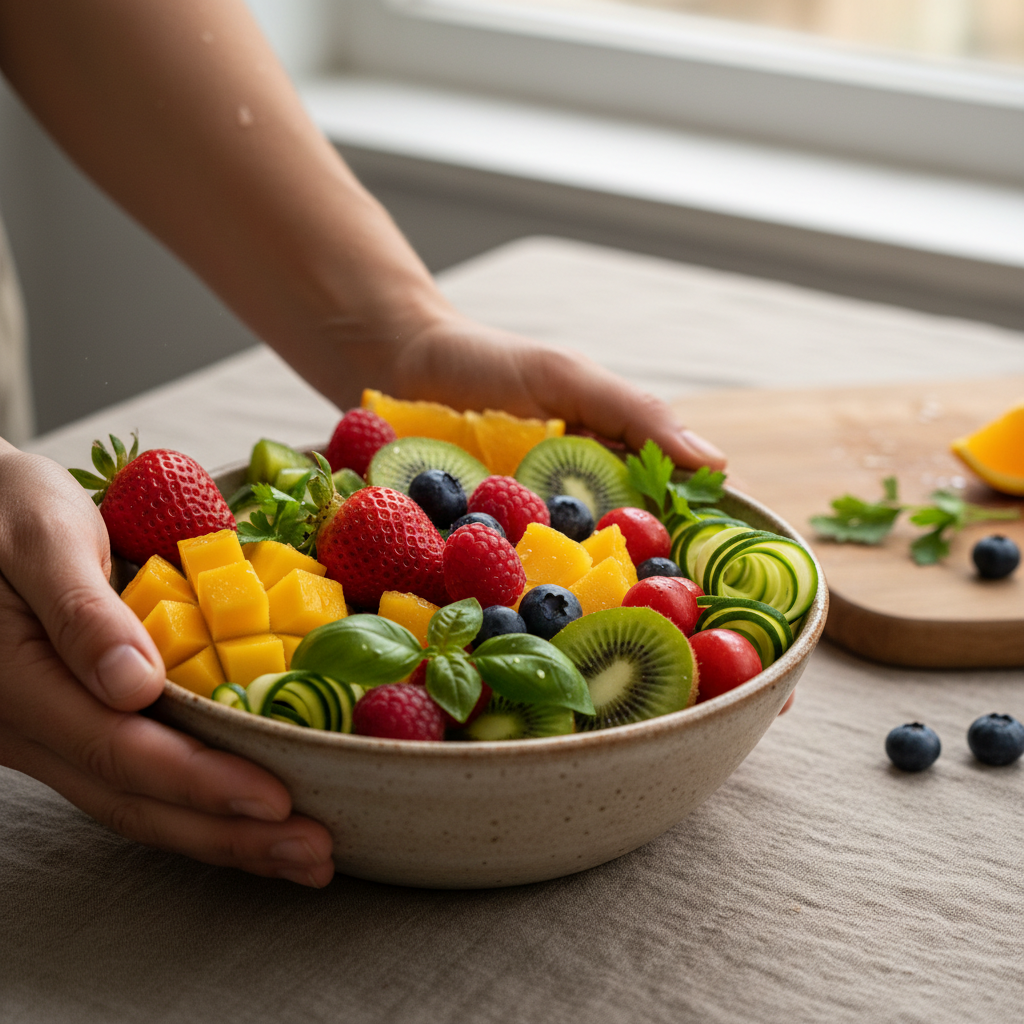
- Fruits: Berries, citrus fruits, apples, pomegranates. Rich in antioxidants and fiber.
- Vegetables: Leafy greens (spinach, kale), broccoli, bell peppers, tomatoes. Packed with vitamins, minerals, and antioxidants.
- Whole Grains: Brown rice, quinoa, oats, whole wheat bread. Provide sustained energy, fiber, and B vitamins.
- Lean Proteins: Legumes (dal, chickpeas), lentils, tofu, chicken, fish. Necessary for cell growth and repair.
- Healthy Fats: Avocados, nuts (almonds, walnuts), seeds (chia, flax), olive oil. Crucial for hormone production and reducing inflammation.
Can You Provide a Sample Meal Plan for IVF Patients?
Here is a basic template. Remember, individual needs vary, and working with a nutritionist can provide a personalized plan.
- Breakfast: Oatmeal with berries, nuts, and a sprinkle of flaxseeds; or a vegetable omelette with whole wheat toast.
- Lunch: Lentil soup with a side salad dressed with olive oil; or a chicken and vegetable stir fry with brown rice.
- Dinner: Baked fish with roasted vegetables and quinoa; or a paneer and spinach curry with whole wheat roti.
- Snacks: A handful of almonds, a fruit, Greek yogurt, or vegetable sticks with hummus.
What Foods Support Implantation?
While no specific food guarantees implantation, focusing on foods that reduce inflammation and promote uterine blood flow can be beneficial. These include:
- Antioxidant Rich Foods: Berries, leafy greens, colorful vegetables.
- Omega 3 Rich Foods: Salmon, flaxseeds, walnuts.
- Iron Rich Foods: Lentils, spinach, red meat (in moderation).
- Warm, Nourishing Foods: Soups and stews are often recommended in traditional practices around implantation time.
Monitoring your diet and understanding its impact can be overwhelming. Tools like Izana can help you keep track of your nutritional intake and learn how it aligns with your fertility goals, working as a daily companion to your clinic's guidance.
What Foods and Drinks Should I Avoid During IVF Treatment?
Just as important as knowing what to include in your diet is understanding what to limit or eliminate. These dietary choices can negatively impact hormone balance, egg quality, and the uterine environment.
Why Avoid High Mercury Fish?
High mercury fish can be detrimental due to mercury's neurotoxic effects, which can also impact reproductive health. These include:
- Shark
- Swordfish
- King Mackerel
- Tilefish (from the Gulf of Mexico)
Opt for low mercury options like salmon, sardines, and shrimp instead.
Why Avoid Raw or Undercooked Animal Products (Meat, Eggs, Fish)?
Consuming raw or undercooked meats, eggs, and fish carries a risk of bacterial contamination like Salmonella, Listeria, or Toxoplasma gondii. These infections can be particularly dangerous during pregnancy and fertility treatment, potentially leading to complications. Ensure all animal products are thoroughly cooked to safe internal temperatures.
Why Avoid Alcohol?
Alcohol consumption is generally advised against during IVF and pregnancy. Even moderate amounts can negatively impact hormone levels, egg quality, and increase the risk of miscarriage. It is best to abstain completely during your treatment cycle and once pregnant.
Why Limit Excessive Caffeine Intake?
While opinions vary on modest caffeine intake, excessive amounts are generally discouraged during IVF. High caffeine consumption has been linked to potential reduced fertility and increased miscarriage risk in some studies. Most guidelines suggest limiting caffeine to less than 200 mg per day, which is roughly one 12 ounce cup of coffee.
Why Avoid Processed Foods, Sugary Foods, and Trans Fats?
These food categories are essentially antithetical to a fertility friendly diet. They can lead to:
- Insulin Resistance: Which can disrupt hormonal balance, especially in conditions like PCOS.
- Increased Inflammation: Creating an unfavorable environment for implantation.
- Poor Egg Quality: Through oxidative stress.
- Weight Gain: Which can negatively impact IVF outcomes.
Minimize packaged snacks, sugary drinks, fried foods, and anything containing partially hydrogenated oils.
Why Avoid Unpasteurized Dairy Products and Soft Cheeses?
Similar to raw animal products, unpasteurized dairy and soft cheeses can harbor Listeria bacteria. This infection poses a serious risk during pregnancy, potentially leading to miscarriage or preterm birth. Always choose pasteurized dairy products and avoid soft cheeses unless explicitly labeled as made from pasteurized milk.
Are There Any Other Considerations When it Comes to Diet During IVF?
Certain other dietary components warrant careful consideration:

- Soy: While generally healthy, some studies suggest very high intake of certain soy products might have estrogenic effects, which could be a concern during IVF. Moderate consumption is usually fine, but discuss significant soy intake with your doctor.
- Artificial Sweeteners: The long term effects on fertility are not fully understood. It is best to minimize their use and opt for natural sweetness from fruits.
- Herbal Supplements: Many herbs can interact with medications or have hormonal effects. Always inform your fertility specialist about any herbal supplements you are taking or considering, as some may need to be discontinued during treatment.
What IVF Success Tips are There Beyond Food?
While nutrition is a powerful tool, it is part of a larger picture. Holistic well being significantly contributes to a successful IVF journey.
Why is Hydration Important?
Staying well hydrated is fundamental for overall health, including reproductive health. Water helps transport nutrients, regulate hormones, and maintain healthy circulation. Aim for at least 8 glasses of water daily, more if you are active or in a warm climate.
How Can I Manage Stress During IVF?
The emotional toll of IVF can be immense. Chronic stress can impact hormonal balance. Incorporate stress reducing techniques into your daily routine:
- Mindfulness and meditation
- Gentle exercise like yoga or walking
- Deep breathing exercises
- Spending time in nature
- Connecting with a support system or therapist
Remember, it is okay to seek professional help to manage stress. This journey is not one you have to walk alone.
What Lifestyle Habits Should I Focus On?
Your daily habits play a crucial role in your overall health and fertility outcomes.
- Smoking Cessation: Smoking severely impairs both egg and sperm quality and significantly reduces IVF success rates.
- Maintain a Healthy BMI: Being underweight or overweight can negatively impact hormonal balance and IVF outcomes. Your doctor can advise on a healthy weight range for you.
- Medication Adherence: Strictly follow your clinic's instructions regarding medications, dosages, and timings. Izana can provide support to monitor medication adherence and sync with your clinic's protocols.
- Adequate Sleep: Aim for 7 9 hours of quality sleep per night. Sleep deprivation can affect hormone regulation and overall well being.
Frequently Asked Questions (FAQ)
Which nutrients are most important for IVF?
Folic acid, Omega 3 fatty acids, Vitamin D, Zinc, and Protein are among the most critical nutrients for supporting egg and sperm quality, hormonal balance, and overall reproductive health during IVF.
Is there an IVF superfood?
There isn't a single "superfood" for IVF. Instead, it is the synergistic effect of a diet rich in a variety of nutrient dense whole foods, especially those found in a Mediterranean style eating pattern, that offers the greatest benefit.
How does diet after embryo transfer affect results?
After embryo transfer, continue to prioritize an anti inflammatory, nutrient dense diet to support implantation and early pregnancy. Focus on foods that promote good blood flow and reduce stress. Avoid foods that could introduce infection or cause digestive upset.
Conclusion
Navigating the nutritional landscape during IVF can feel like a complex task, but it is also an area where you can take proactive steps to support your body. By understanding the impact of food on your hormones, egg and sperm quality, and uterine environment, you are making informed choices that contribute to your overall well being. Remember, you are a brilliant, trusted friend, and Izana is here to empower you with evidence based guidance every step of the way. When you choose to nourish your body with care and intention, you are not just preparing for treatment; you are cultivating a healthier foundation for life.
Improve your reproductive health with a personalised plan tailored to your body. When you join Izana, you are not just choosing a plan, you are becoming part of a movement that challenges myths, empowers choices, and builds healthier futures. Join the Revolution.
Sources
- Centers for Disease Control and Prevention (CDC). (2023). Folic Acid.
- Chavarro, J. E., Rich-Edwards, J. W., Rosner, B. A., & Willett, W. C. (2008). Diet and Lifestyle in the Prevention of Ovulatory Disorder Infertility. Obstetrics & Gynecology, 111(1), 165 174.
- Salas Huetos, A., Bulló, M., & Salas Salvadó, J. (2019). Dietary Patterns and Their Association with Sperm Quality and Testicular Function. Advances in Nutrition, 10(4), 589 601.