- 1Recognise five key symptom areas: menstrual changes, skin and hair issues, weight fluctuations, mood/sleep disturbances, and sexual health symptoms.
- 2Hormonal imbalances can stem from natural life stages, medical conditions like PCOS or thyroid disorders, and external factors such as chronic stress.
- 3Diagnosis involves a detailed symptom review, physical examination, and specific hormone level testing (blood, urine, saliva) to pinpoint the imbalance.
- 4Management strategies include medical therapies such as HRT and thyroid medications, alongside crucial lifestyle modifications like diet, exercise, and stress management.
- 5Proactive self advocacy and seeking specialist care for persistent or severe symptoms are vital steps toward long term hormonal and reproductive health.
5 Signs Your Hormones Might Be Out of Balance
We know how frustrating and confusing it can be when your body just doesn’t feel right, but you can’t quite put your finger on why. Perhaps you’re experiencing irregular periods, unexplained weight changes, or persistent fatigue. These seemingly unrelated symptoms can often point to a common underlying cause: hormonal imbalance. For individuals and couples navigating the path to parenthood, understanding these subtle signals from your body is not just about general wellbeing; it is a critical step towards reproductive health and clarity. At Izana, we are here to simplify the complex, offering you wisdom and a supportive hand as you uncover what your body is trying to tell you. Let's explore the key signs that your hormones might be out of balance, providing you with the knowledge to reclaim control and confidently move forward.
- Hormonal imbalances can manifest through diverse symptoms, from irregular periods to mood swings and unexplained weight changes.
- These imbalances can stem from natural life stages, specific medical conditions like PCOS or thyroid disorders, and external factors such as stress.
- Symptoms like persistent acne, hair loss, fatigue, and difficulty conceiving are crucial indicators that warrant attention.
- Diagnosis often involves a detailed symptom review, physical examination, and specific hormone level testing to identify the root cause.
- Effective management combines medical therapies with lifestyle adjustments, empowering you to actively improve your hormonal health and fertility journey.
What is a Hormonal Imbalance?
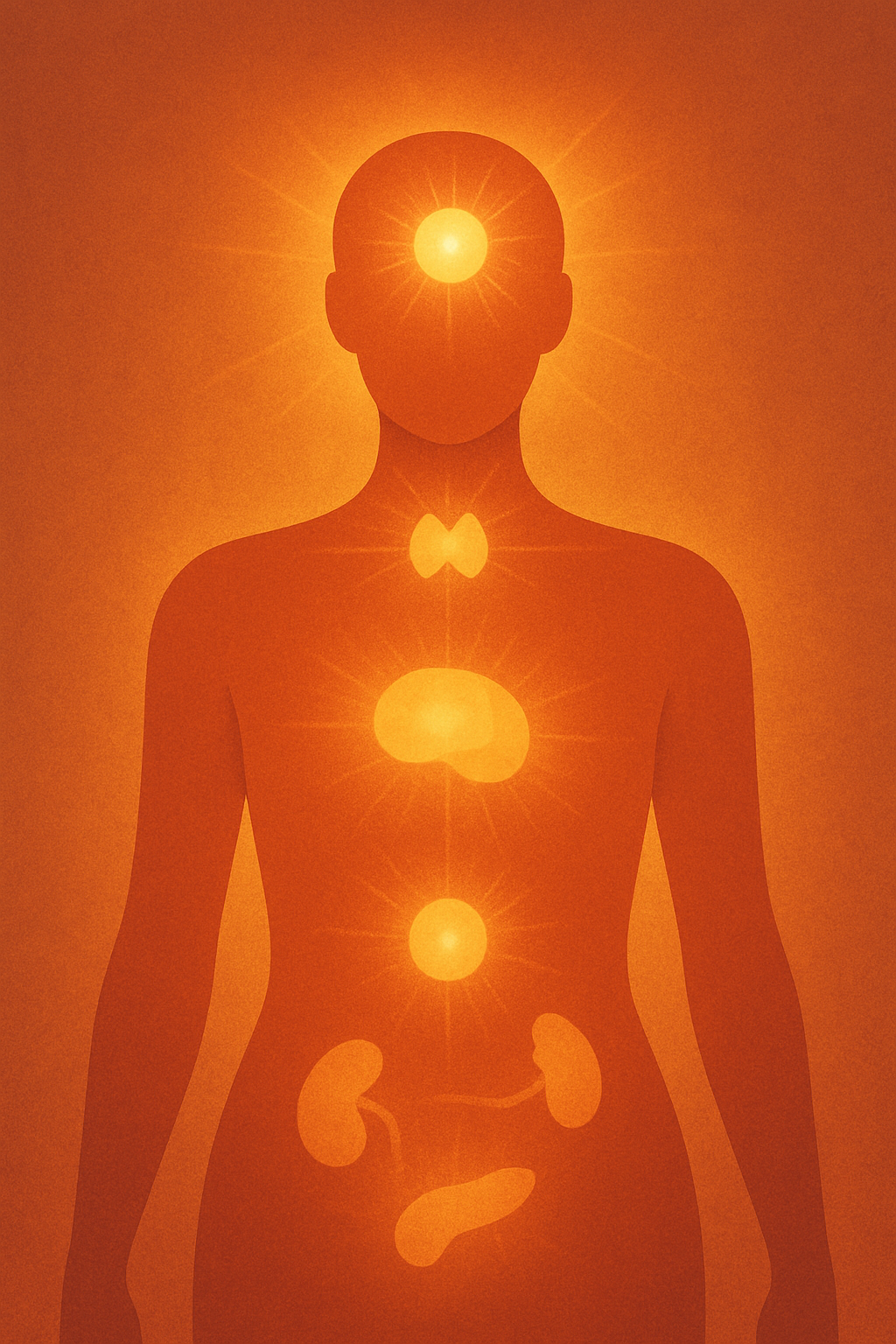
Think of your hormones as tiny, powerful messengers circulating throughout your body. Produced by your endocrine system glands like the thyroid, ovaries, adrenal glands, and pituitary gland, these chemical messengers play a vital role in regulating almost every major process in your body. From your metabolism and mood to your sleep cycle and reproductive function, hormones keep everything running smoothly. When your hormones are in balance, your body operates like a well oiled machine.
A hormonal imbalance occurs when there is too much or too little of one or more hormones. It is like an orchestra where one instrument is playing too loudly or too softly, disrupting the entire symphony. Even small shifts can have a significant impact on your overall health, leading to a wide range of symptoms that can affect your physical, mental, and emotional wellbeing. Understanding what a hormonal imbalance means for your body is the first step towards feeling better and taking charge of your health journey.
Causes of Hormonal Imbalance
Hormonal imbalances are incredibly common, and their causes can be diverse, ranging from natural life changes to specific medical conditions and even external environmental factors. Let’s break down the common reasons why your hormonal equilibrium might be disrupted.
Natural Life Stage Changes
Our bodies are constantly evolving, and with these natural transitions come hormonal shifts that can sometimes lead to imbalances.
- Puberty: This is a period of dramatic hormonal shifts, particularly involving estrogen and testosterone, as the body matures into adulthood.
- Pregnancy: During pregnancy, a cascade of hormones like estrogen and progesterone surge to support the developing foetus, often causing noticeable symptoms.
- Menopause: A significant decline in estrogen and progesterone marks this natural transition, leading to symptoms like hot flashes, vaginal dryness, and mood changes. Perimenopause, the period leading up to menopause, also involves fluctuating hormone levels.
Medical Conditions Affecting Hormones
Several medical conditions can directly impact the production, function, or regulation of your hormones.
- Polycystic Ovary Syndrome (PCOS): A common endocrine disorder affecting individuals with ovaries, PCOS is characterised by an imbalance of reproductive hormones, often involving higher levels of androgens (male hormones). This can lead to irregular periods, acne, excessive hair growth, and difficulties with ovulation and fertility.
- Thyroid Disorders: The thyroid gland produces hormones that regulate metabolism. Both an underactive thyroid (hypothyroidism) and an overactive thyroid (hyperthyroidism) can cause widespread symptoms like fatigue, weight changes, mood swings, and menstrual irregularities.
- Diabetes: This condition involves issues with insulin, a hormone produced by the pancreas. Insulin resistance, where cells do not respond effectively to insulin, can lead to high blood sugar levels and other metabolic imbalances.
- Adrenal Issues: Your adrenal glands produce cortisol, the “stress hormone,” among others. Conditions like adrenal fatigue or Cushing’s syndrome (excess cortisol) and Addison’s disease (insufficient cortisol) can lead to profound hormonal disruptions impacting energy levels, mood, and metabolism.
- Autoimmune Conditions: Some autoimmune diseases can attack endocrine glands, leading to hormonal dysfunction. For example, Hashimoto’s thyroiditis, an autoimmune condition, is a common cause of hypothyroidism.
External Factors
Beyond internal bodily processes, external influences can also play a significant role in hormonal balance.
- Stress: Chronic stress keeps your cortisol levels elevated, which can impact other hormones like progesterone, estrogen, and thyroid hormones, potentially affecting menstrual cycles and fertility.
- Medication: Certain medications, including birth control pills, steroids, and some antidepressants, can influence hormone levels as a side effect.
- Environmental Exposure: Exposure to endocrine disrupting chemicals (EDCs) found in plastics, pesticides, and cosmetics can mimic or block natural hormones, interfering with the endocrine system.
- Diet and Lifestyle: Poor nutrition, lack of exercise, insufficient sleep, and excessive caffeine or alcohol intake can all contribute to hormonal imbalances.
Common Symptoms of Hormonal Imbalance
Understanding the signs your body is sending is crucial. Hormonal imbalances often manifest through a cluster of symptoms, making them easy to overlook or misattribute. Let us walk through the five key areas where imbalances commonly show up, along with other important indicators.
Menstrual Changes
For individuals with ovaries, your menstrual cycle is often a powerful barometer of your hormonal health. Any deviation from your usual pattern can be a significant sign.
- Irregular Periods: This is one of the most common signs. If your cycle length varies significantly (e.g., shorter than 21 days or longer than 35 days), or if you miss periods frequently, it could indicate imbalances in estrogen, progesterone, or androgens (as seen in PCOS).
- Heavy or Painful Periods: Excessive bleeding (menorrhagia) or severe cramping (dysmenorrhea) can be linked to conditions like uterine fibroids, endometriosis, or an imbalance of estrogen and progesterone.
- Spotting Between Periods: This can signal fluctuating estrogen levels.
- Premenstrual Syndrome (PMS) or PMDD: Heightened or more severe mood swings, bloating, breast tenderness, and irritability before your period can be exacerbated by imbalances in estrogen and progesterone.
Skin and Hair Issues
Your hormones have a profound impact on the health and appearance of your skin and hair.
- Adult Acne: Persistent acne, especially along the jawline, chin, and back, can be a sign of excess androgens (like testosterone) stimulating oil glands.
- Hair Loss or Thinning: While many factors contribute to hair loss, a significant thinning of hair on the scalp can be linked to thyroid disorders, high androgen levels, or imbalances during menopause.
- Hirsutism (Excessive Hair Growth): The growth of coarse, dark hair in areas where men typically grow hair (like the face, chest, or back) is a strong indicator of elevated androgen levels, often associated with PCOS.
- Dry Skin: A drop in estrogen levels can lead to drier, less elastic skin.
Weight Fluctuations
Unexplained changes in weight, particularly weight gain that is difficult to shift, are a classic symptom of hormonal disruption.
- Unexplained Weight Gain: Hormones like insulin, thyroid hormones, and cortisol all play a role in metabolism and fat storage. Insulin resistance can lead to weight gain around the abdomen. Low thyroid hormone levels can slow metabolism significantly, making weight loss challenging. Elevated cortisol due to stress can also promote abdominal fat storage.
- Difficulty Losing Weight: Even with diet and exercise, if you are struggling to shed kilos, a hormonal imbalance might be the underlying culprit.
- Unexplained Weight Loss: Conversely, unexpected weight loss can be a sign of an overactive thyroid (hyperthyroidism).
Mood and Sleep Disturbances
Hormones are intrinsically linked to brain chemistry, influencing your mood, energy levels, and sleep patterns.
- Mood Swings, Irritability, Anxiety, or Depression: Fluctuations in estrogen and progesterone (common in PMS, perimenopause, or conditions like PCOS) can profoundly affect neurotransmitters, leading to emotional volatility, persistent sadness, or heightened anxiety.
- Fatigue: Feeling constantly tired, even after a full night’s sleep, is a hallmark symptom of imbalances, particularly with thyroid hormones (hypothyroidism) or elevated cortisol levels impacting your adrenal glands.
- Insomnia or Poor Sleep Quality: Progesterone has calming effects, and a drop in its levels can make falling and staying asleep difficult. Night sweats due to estrogen fluctuations (hot flashes) also disrupt sleep.
Sexual Health Symptoms
Hormones are central to reproductive and sexual health, and imbalances often manifest here.
- Low Libido (Reduced Sex Drive): Decreased estrogen in women and testosterone in both men and women can significantly impact sexual desire. Thyroid issues and high cortisol can also play a role.
- Vaginal Dryness: A common symptom of declining estrogen, particularly during perimenopause and menopause, which can make intercourse uncomfortable.
- Infertility or Difficulty Conceiving: Hormonal imbalances are a leading cause of infertility. Issues with ovulation (due to PCOS or low progesterone), poor egg quality, or problems with sperm production (in men, often linked to testosterone imbalances) are all hormonally driven.
Digestive and Other Symptoms
Beyond the five main categories, hormonal imbalances can also trigger other body wide symptoms that impact daily comfort.
- Digestive Issues: Hormones influence gut function. Fluctuations can lead to bloating, constipation, or diarrhoea.
- Headaches or Migraines: For many, hormonal shifts, especially estrogen drops, can trigger or worsen headaches and migraines.
- Hot Flashes and Night Sweats: These are classic symptoms of fluctuating or declining estrogen, particularly associated with perimenopause and menopause.
- Cold or Heat Sensitivity: Thyroid hormones regulate body temperature. An imbalanced thyroid can make you overly sensitive to cold (hypothyroidism) or heat (hyperthyroidism).
- Brain Fog: Difficulty concentrating, memory problems, or a general feeling of mental fogginess can be linked to thyroid dysfunction or fluctuating estrogen.
Diagnosing Hormonal Imbalance
Identifying a hormonal imbalance requires a careful and comprehensive approach. It’s not about just checking one hormone, but understanding the entire endocrine system and how it interacts with your unique body.
Symptom Review and Physical Examination
Your doctor or a fertility specialist will start by taking a detailed medical history and discussing your symptoms. We encourage you to be open and honest about everything you are experiencing, no matter how minor it seems. Questions will cover your menstrual cycle, lifestyle, diet, stress levels, and family medical history. A physical examination may also be conducted to look for outward signs like skin changes, hair patterns, or thyroid enlargement.
Hormone Level Testing
Blood tests are the most common way to measure hormone levels. Depending on your symptoms, your doctor might order tests for:
- Estrogen and Progesterone: Crucial for understanding menstrual cycle health and ovulation, especially for those trying to conceive.
- Testosterone and DHEA S: To check for androgen excess, which can be linked to conditions like PCOS.
- Thyroid Hormones (TSH, T3, T4): To assess thyroid function.
- Cortisol: To evaluate adrenal gland function and stress response.
- Follicle Stimulating Hormone (FSH) and Luteinizing Hormone (LH): Important for assessing ovarian reserve and ovulation.
- Prolactin: High levels can interfere with ovulation.
- Insulin: To check for insulin resistance, especially if weight gain is a concern.
Sometimes, urine or saliva tests may also be used to get a picture of hormone levels over a longer period or free (active) hormone levels.
Imaging and Further Tests
In some cases, your doctor may recommend further investigations:
- Ultrasound: A pelvic ultrasound can help diagnose conditions like PCOS by visualising ovarian cysts or uterine abnormalities.
- MRI or CT Scans: These may be used to examine glands like the pituitary or adrenal glands if a tumour or other structural issue is suspected.
Treatment and Management
Once an imbalance is diagnosed, there are various pathways to bring your hormones back into harmony. The approach will depend on the specific hormones involved, the underlying cause, and your individual health goals.
Medical Therapies
For more significant imbalances, medical intervention can be highly effective.
- Hormone Replacement Therapy (HRT): Often used for menopause symptoms, HRT replaces declining estrogen and progesterone.
- Anti Androgens: Medications that block the effects of male hormones can be prescribed for conditions like PCOS to reduce symptoms like acne and excessive hair growth.
- Thyroid Medications: Synthetic thyroid hormones are used to treat hypothyroidism, restoring metabolic function.
- Insulin Sensitizers: Medications like metformin can improve insulin sensitivity in cases of insulin resistance, often seen in PCOS and type 2 diabetes.
- Ovulation Induction Medications: For infertility related to anovulation (lack of ovulation), specific medications can stimulate the ovaries to release eggs.
Lifestyle Modifications
We firmly believe that lifestyle is a powerful tool in managing hormonal health. These changes often complement medical therapies or can even be primary interventions for milder imbalances.
- Diet: Focus on a balanced diet rich in whole foods, lean proteins, healthy fats, and plenty of fibre. Reducing processed foods, refined sugars, and inflammatory ingredients can significantly improve insulin sensitivity and reduce inflammation, supporting overall hormonal balance. Think of nourishing your body with what it truly needs.
- Exercise: Regular physical activity helps regulate insulin sensitivity, reduce stress, improve sleep, and maintain a healthy weight. Aim for a mix of cardio and strength training.
- Stress Management: Chronic stress elevates cortisol, disrupting other hormones. Incorporate stress reducing practices like meditation, yoga, deep breathing exercises, or spending time in nature. Remember, your mental wellbeing is intimately connected to your hormonal health.
- Sleep: Prioritise 7 9 hours of quality sleep per night. Sleep deprivation can wreak havoc on cortisol, insulin, and hunger hormones. Establish a consistent sleep schedule and create a relaxing bedtime routine.
- Environmental Toxin Reduction: Be mindful of exposure to endocrine disrupting chemicals (EDCs) by choosing natural cleaning products, BPA free containers, and organic produce when possible.
When to See a Specialist
While your general physician is an excellent first point of contact, certain situations warrant a specialist:
- Endocrinologist: A doctor specialising in hormones and metabolic disorders, ideal for complex thyroid conditions, adrenal issues, or diabetes.
- Gynecologist or Reproductive Endocrinologist: Essential for individuals experiencing significant menstrual irregularities, PCOS, or infertility.
Prevention and Long term Health
Adopting a proactive approach to your hormonal health is key to long term wellbeing and reproductive vitality. It is about understanding your body's unique rhythms and providing the support it needs to thrive. Regular check ups are vital, allowing your doctor to monitor key hormone levels and address any potential imbalances before they become significant issues. Beyond medical appointments, cultivating a lifestyle that prioritises balanced nutrition, regular movement, sufficient sleep, and effective stress management creates a robust foundation for hormonal harmony. This holistic approach not only helps prevent future imbalances but also enhances your overall health, resilience, and readiness for conception.
When to Seek Medical Help
It can be challenging to know when a symptom is just a temporary discomfort or a sign of something more serious. We encourage you to seek medical help if you experience:
- Persistent and unexplained changes in your menstrual cycle.
- Significant and unintentional weight gain or loss.
- Chronic fatigue, even with adequate sleep.
- Severe mood swings, anxiety, or depression that impact your daily life.
- New or worsening skin conditions (like adult acne or excessive hair growth) or significant hair loss.
- Difficulty conceiving after trying for 6 to 12 months, depending on your age.
- Any symptom that significantly interferes with your quality of life or causes you concern.
Do not hesitate to reach out to a healthcare provider. Trust your intuition about your body. We are here to support you in finding the answers you need.
The journey to understanding your body and achieving hormonal balance can feel overwhelming, but you do not have to walk it alone. Recognizing the signs is the courageous first step towards reclaiming your health and empowerment. At Izana, we believe in providing you with the tools, knowledge, and compassionate support to navigate this path with clarity and confidence. Improve your reproductive health with a personalised plan tailored to your body. When you join Izana, you’re not just choosing a plan. You’re becoming part of a movement that challenges myths, empowers choices, and builds healthier futures. Join the Revolution.