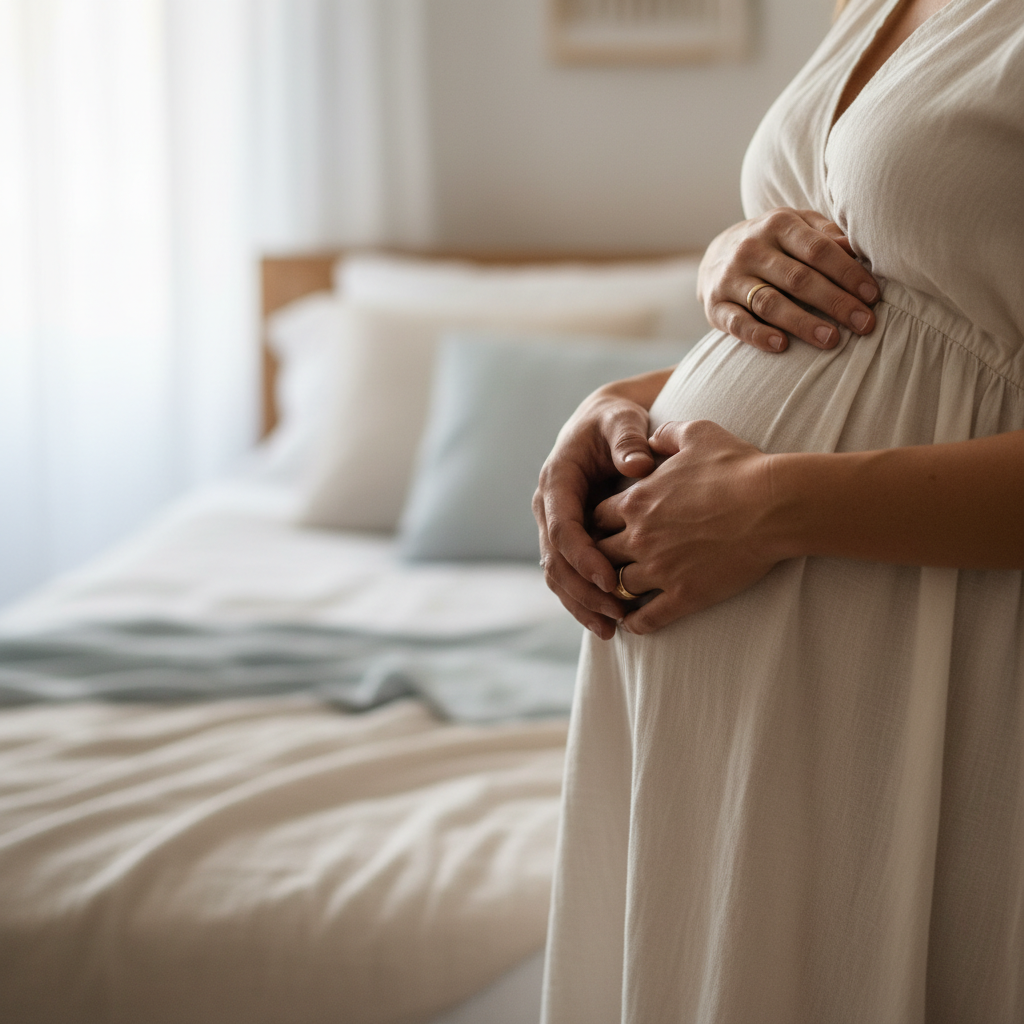
- 1A missed period is the most reliable early indicator, often accompanied by symptoms like nausea and breast tenderness.
- 2Beyond classic signs, expect mood swings, food cravings/aversions, and even a metallic taste due to hormonal shifts.
- 3Implantation bleeding, light spotting around 6-12 days post-conception, can be a very early, often mistaken sign.
- 4Fatigue and frequent urination are common early symptoms driven by increased progesterone and blood volume.
- 5Confirm pregnancy with a test after a missed period and consult healthcare for essential prenatal care and symptom management.
Early Pregnancy Signs You Might Not Expect
Feeling adrift in a sea of confusing symptoms and endless online searches? We understand the immense emotional landscape surrounding the possibility of pregnancy. The journey to parenthood, while filled with hope, can also be riddled with uncertainty, especially when your body starts sending new, unfamiliar signals. It is common to feel overwhelmed or anxious during this time, grappling with every subtle change and wondering what it truly means. Please know that you are not alone in this experience. Many individuals and couples navigate this path with similar questions and feelings. This article aims to provide clarity and compassionate guidance, helping you understand the early signs of pregnancy with wisdom and empathy.
- Early pregnancy signs often begin around the time of a missed period, though some can appear sooner.
- Classic signs include a missed period, morning sickness, breast changes, fatigue, and frequent urination.
- Lesser known symptoms like mood swings, food cravings or aversions, and a metallic taste can also indicate early pregnancy.
- Confirming pregnancy involves a reliable test and consulting a healthcare provider for personalized guidance.
- Managing early symptoms effectively often involves lifestyle adjustments and prenatal care to support both mother and baby.
Am I Pregnant? Common Early Signs to Look For
Early pregnancy symptoms can begin even before a missed period for some, though many classic signs commonly appear a few weeks after conception. These initial indicators are primarily driven by hormonal changes, particularly the surge in progesterone and estrogen, which prepare the body for pregnancy and fetal development.
When Do Pregnancy Symptoms Start?
Pregnancy symptoms can subtly begin as early as one to two weeks after conception, though for many, the more noticeable signs emerge around the time of a missed menstrual period. Implantation, when the fertilized egg attaches to the uterine wall, typically occurs 6 to 12 days after fertilization, and this can sometimes trigger very early symptoms like light spotting or mild cramping.
What Are the Classic Early Signs of Pregnancy?
Missed Period
A missed period is often the first and most reliable indicator of pregnancy for individuals with a regular menstrual cycle. This occurs because the body stops ovulating and shedding the uterine lining once pregnancy is established, under the influence of progesterone and estrogen. While a missed period is a strong signal, other factors like stress, changes in diet, or certain medical conditions can also cause a delay, making it important to look at the full picture of symptoms.
Nausea and Vomiting (Morning Sickness)
Nausea and vomiting, commonly known as morning sickness, are very prevalent early pregnancy symptoms, affecting about 70 to 80 percent of pregnant individuals (National Institutes of Health, 2005). Despite its name, morning sickness can strike at any time of day or night. It is largely attributed to rapidly rising hormone levels, particularly human chorionic gonadotropin (hCG) and estrogen, which influence the digestive system and brain's vomit center. This often starts around the fourth to sixth week of pregnancy and can persist through the first trimester.
Breast Tenderness and Changes
Hormonal shifts cause breasts to become tender, swollen, and sometimes tingly or sore early in pregnancy. Progesterone particularly plays a key role in preparing the milk ducts for breastfeeding, leading to increased blood flow and fluid retention in the breasts. The areolas, the darker areas around the nipples, may also darken and enlarge, and small bumps called Montgomery's tubercles may become more prominent. These changes are the body's way of getting ready to nourish a baby.
Fatigue
Profound fatigue is a common and often overwhelming symptom in early pregnancy. This isn't just ordinary tiredness; it is an exhaustion that can feel all consuming. The primary culprit is the drastic increase in progesterone, a hormone with sedative properties that is essential for maintaining the pregnancy. Additionally, the body is expending significant energy to create a new life, leading to increased demand on the cardiovascular system and metabolism, further contributing to this deep sense of weariness.
Frequent Urination
Feeling the need to urinate more often, even if you are not drinking more fluids, is a characteristic early sign of pregnancy. This symptom begins early due to two main factors: increased blood volume and the growing uterus. Pregnancy causes a significant increase in blood volume, leading to more fluid being processed by the kidneys and consequently more urine. Simultaneously, the expanding uterus begins to press on the bladder, even in its early stages, reducing its capacity and stimulating a more frequent urge to empty it.
What Are Some Other Early Pregnancy Symptoms?
Spotting (Implantation Bleeding)
Light spotting, often referred to as implantation bleeding, can occur when the fertilized egg implants into the uterine lining. This typically happens 6 to 12 days after conception, around the time a period would normally be expected. It is usually much lighter than a menstrual period, appearing as pinkish or brownish spots, and lasts only for a day or two. Distinguishing it from a regular period can be challenging, but implantation bleeding is generally less flow and does not require a pad or tampon consistently.
Mood Swings
The roller coaster of emotions is a very real part of early pregnancy, akin to intensified premenstrual syndrome (PMS) for many. Fluctuating levels of estrogen and progesterone impact neurotransmitters in the brain, which can lead to heightened feelings of joy, irritability, sadness, and anxiety. These mood swings are a natural response to the profound hormonal changes occurring and the psychological adjustment to pregnancy, making self compassion and understanding crucial during this time.
Food Cravings and Aversions
Paradoxically, early pregnancy often brings both intense food cravings and strong aversions to foods that were once enjoyed. These shifts in taste and smell are largely driven by hormonal fluctuations, particularly changes in estrogen levels. Individuals might suddenly desire unusual combinations or specific types of food, while familiar scents or tastes can trigger nausea or disgust. While the exact biological reason remains complex, these altered preferences are part of the body's adaptation during early gestation.
Headaches and Backaches
Persistent headaches and nagging backaches can also be early pregnancy indicators. Hormonal shifts contribute to headaches, as do changes in blood volume and circulation. Backaches, even in early stages, can result from hormonal loosening of ligaments and the body starting to adjust its posture in preparation for carrying a growing uterus. While often mild, these discomforts can be noticeable and add to the overall bodily changes experienced.
Cramping and Bloating
Mild uterine cramping, similar to menstrual cramps but usually less intense, can occur in early pregnancy as the uterus begins to expand and implantation takes place. Simultaneously, bloating is a common complaint, primarily due to the increased progesterone slowing down the digestive system. This can lead to a feeling of fullness or tightness in the abdomen, making clothes feel uncomfortable even before any significant weight gain.
Constipation
Thanks again to progesterone, constipation is a frequent early pregnancy symptom. This hormone relaxes smooth muscles throughout the body, including those in the digestive tract, leading to a slower transit time for food. The longer food remains in the intestines, the more water is absorbed, resulting in harder stools and difficulty passing them. Maintaining adequate hydration and a fiber rich diet can help mitigate this discomfort.
Changes in Taste (Metallic Taste)
Many individuals report a strange, metallic taste in their mouth during early pregnancy, a phenomenon known as dysgeusia. This altered sense of taste is thought to be linked to the surge in estrogen levels. The metallic taste can make certain foods and even plain water unappealing, contributing to food aversions and sometimes making it difficult to enjoy meals. It typically subsides as the first trimester progresses.
Nasal Congestion
Surprisingly, nasal congestion, often mistaken for a cold or allergies, can be an early pregnancy symptom. Increased estrogen levels lead to increased blood flow and swelling of the mucous membranes in the nose, resulting in a stuffy or runny nose, and sometimes even nosebleeds. This condition is sometimes called “pregnancy rhinitis” and is a harmless, though sometimes annoying, physiological change.
Lightheadedness/Dizziness
Feeling lightheaded or dizzy is another early sign that can be attributed to hormonal shifts and changes in blood circulation. In early pregnancy, blood vessels expand to accommodate increased blood volume, which can cause a temporary drop in blood pressure, especially when changing positions quickly. This can lead to moments of faintness, emphasizing the importance of hydration and slow movements.
Increased Vaginal Discharge
An increase in vaginal discharge, often thin, milky white, and odorless, is common in early pregnancy. This is due to increased estrogen levels and greater blood flow to the vaginal area, which stimulates the mucous membranes. This discharge, known as leukorrhea, is healthy and helps protect the birth canal from infection. However, any discharge that is discolored, foul smelling, or accompanied by itching or burning should be discussed with a healthcare provider.
Heartburn
Heartburn, a burning sensation in the chest, can appear surprisingly early in pregnancy. Progesterone again plays a role by relaxing the sphincter muscle at the top of the stomach, allowing stomach acid to reflux into the esophagus. This, combined with the slower digestion, can lead to uncomfortable acid reflux. Small, frequent meals and avoiding trigger foods can help manage this symptom.

Confirming Pregnancy
Importance of a Pregnancy Test
While these symptoms provide strong clues, the definitive way to confirm pregnancy is through a reliable pregnancy test. Home pregnancy tests detect the hormone human chorionic gonadotropin (hCG) in urine, which the body starts producing shortly after implantation. For accurate results, it is best to take the test after a missed period. Blood tests for hCG, administered by a healthcare provider, can detect pregnancy even earlier and quantify hormone levels, offering more precise confirmation. This step is crucial for moving forward with prenatal care.
When to See a Doctor/Healthcare Provider
Once you have a positive home pregnancy test, scheduling an appointment with a doctor or healthcare provider is your next essential step. They can confirm the pregnancy with a blood test and ultrasound, rule out complications like ectopic pregnancy, and initiate vital prenatal care. Early prenatal care is incredibly important for monitoring the health of both the pregnant individual and the developing baby. Your provider will discuss essential topics like folic acid supplementation, dietary recommendations, and an initial schedule for appointments.
Managing Early Pregnancy Symptoms
Tips for Nausea and Vomiting
Managing morning sickness often involves a combination of strategies. Try eating small, frequent meals throughout the day instead of large ones to keep your stomach from becoming too empty or too full. Bland foods like crackers, toast, or rice are often well tolerated. Keeping ginger candies or ginger tea on hand can also help soothe an upset stomach. Avoiding strong smells and greasy or spicy foods might also provide relief. If nausea and vomiting become severe, leading to dehydration or weight loss (a condition called hyperemesis gravidarum), it is crucial to consult your doctor for medical intervention and support.
Dealing with Fatigue
To combat the overwhelming fatigue of early pregnancy, prioritize rest as much as possible. Listen to your body and take short naps when needed, and aim for adequate sleep at night. Gentle exercise, such as walking, can sometimes boost energy levels, but avoid overexertion. Ensure you are maintaining a balanced diet, as nutrient deficiencies can exacerbate tiredness. Remember, this profound fatigue is a sign your body is working hard, so be kind to yourself and allow for extra rest.
Dietary Recommendations and Prenatal Vitamins
A nutritious diet is paramount during pregnancy to support both your health and the baby's development. Focus on nutrient dense foods including fruits, vegetables, whole grains, and lean proteins. It is crucial to start taking a prenatal vitamin, especially one containing at least 400 micrograms of folic acid, even before conception if possible, to help prevent neural tube defects. Your doctor may also recommend vitamin D supplementation. Staying well hydrated by drinking plenty of water is also vital, especially for managing constipation and lightheadedness. Your healthcare provider can offer personalized dietary advice. You can also explore guided resources to help manage nutrition and other aspects of early pregnancy.
When to Seek Medical Attention for Concerning Symptoms
While many early pregnancy symptoms are normal, some can signal potential complications and require immediate medical attention. Be vigilant for severe abdominal pain or cramping, heavy vaginal bleeding (more than just spotting), fever, severe dizziness or fainting, or extreme nausea and vomiting that prevents you from keeping down food or fluids. These symptoms could indicate issues such as an ectopic pregnancy or miscarriage. Always trust your instincts and reach out to your healthcare provider without hesitation if you have any concerns about your symptoms or overall well being.
Questions to ask your clinic
- What are the most common early pregnancy symptoms I should look out for?
- When should I take a home pregnancy test?
- What over-the-counter remedies are safe for managing nausea, headaches, or constipation during early pregnancy?
- What is the recommended dietary intake, and which prenatal vitamins should I be taking?
- When should I schedule my first prenatal appointment and what should I expect?
- What symptoms, no matter how minor they seem, warrant an emergency call to the clinic?
Conclusion
Navigating the early signs of pregnancy can feel like deciphering a secret language, but understanding these bodily signals is the first step towards a confident journey. From the subtle shifts in taste to the more obvious missed period, each symptom is a unique message from your body. Remember, you are not navigating this alone. Listening to your body, seeking timely medical advice, and preparing for the changes ahead are essential components of this incredible phase. Improve your reproductive health with a personalised plan tailored to your body. When you join Izana, you’re not just choosing a plan — you’re becoming part of a movement that challenges myths, empowers choices, and builds healthier futures. Join the Revolution.
Citations:
National Institutes of Health. (2005). What are some common signs of pregnancy?