- 1Reproductive hormones like estrogen, progesterone, and testosterone are chemical messengers essential for fertility, menstrual cycles, and overall wellbeing.
- 2The hypothalamus, pituitary gland, and ovaries form the HPO axis, meticulously regulating the follicular and luteal phases of the menstrual cycle.
- 3Hormone levels undergo significant shifts during puberty, pregnancy, and menopause, influencing a woman's reproductive journey and health experiences.
- 4Conditions like Polycystic Ovary Syndrome (PCOS) are characterized by hormonal imbalances, often involving elevated androgens and insulin resistance, impacting ovulation and fertility.
- 5Lifestyle factors such as nutrition, stress management, exercise, and sleep profoundly affect hormonal balance and can be powerful tools for improving reproductive health.
Hormones Explained: A Simple Guide to Estrogen, Progesterone, and More
Embarking on a journey to parenthood or simply navigating your reproductive health can often feel like deciphering a complex code. We understand how overwhelming it can be when terms like estrogen, progesterone, and FSH are thrown around, leaving you feeling lost and anxious. You are not alone in this feeling of confusion and isolation. At Izana, we believe that understanding your body’s intricate workings is the first step toward taking confident control of your health. Let us demystify the world of reproductive hormones together, transforming uncertainty into clarity.
Here is a quick summary of what we will explore in this guide:
- Demystify key reproductive hormones: Learn about estrogen, progesterone, and testosterone, and their unique roles in your body.
- Understand hormonal regulation: Discover how your brain and glands orchestrate the complex dance of your menstrual cycle.
- Navigate life's hormonal shifts: Explore how hormones change during puberty, pregnancy, and menopause.
- Recognise common imbalances: Identify conditions like PCOS and understand symptoms associated with hormone fluctuations.
- Empower your health choices: Learn about testing, treatments, and lifestyle factors that impact your hormonal wellbeing.
Introduction to Reproductive Hormones
Imagine your body as a finely tuned orchestra, and hormones are the conductors, signaling different sections to play their part. Reproductive hormones are special chemical messengers, produced by various glands in your body, primarily the ovaries in females and testes in males, but also the adrenal glands and even the brain. Their job is vital: they regulate nearly every aspect of your reproductive system, influencing everything from your menstrual cycle and fertility to mood and overall wellbeing.
These powerful messengers travel through your bloodstream, instructing cells and organs what to do. They play a pivotal role in puberty, ovulation, pregnancy, and menopause, essentially guiding the reproductive journey throughout your life. Understanding them is not just about science; it is about truly understanding your body and gaining agency over your health path.
Major Female Hormones: Estrogen, Progesterone, Testosterone
When we talk about female reproductive health, three hormones often come to mind: estrogen, progesterone, and testosterone. While often labeled "female" or "male" hormones, it is crucial to remember that all individuals produce these to varying degrees, and they all play interconnected roles.
Types of Estrogen (Estradiol, Estrone, Estriol)
Estrogen is not a single hormone, but rather a group of hormones. The three primary forms are estradiol, estrone, and estriol, each with specific functions and prevalence at different life stages.
- Estradiol (E2): This is the most potent and abundant form of estrogen during your reproductive years. Produced primarily by the ovaries, estradiol is crucial for developing female secondary sexual characteristics, regulating the menstrual cycle, and maintaining bone density. It prepares the uterus for pregnancy and supports the growth of the uterine lining.
- Estrone (E1): This form of estrogen becomes more prominent after menopause. While the ovaries produce some estrone, it is also converted from other hormones in fat tissue. It is a weaker form of estrogen but still important for overall health, particularly in postmenopausal women.
- Estriol (E3): This is the weakest of the three main estrogens and is primarily produced during pregnancy by the placenta. It plays a significant role in fetal development and preparing the body for childbirth.
Together, these forms of estrogen contribute to a wide range of functions, from maintaining vaginal health to influencing mood and cognitive function.
Progesterone and Its Role
If estrogen prepares the body, progesterone maintains it. Produced mainly by the corpus luteum (a temporary gland formed in the ovary after ovulation), progesterone is essential for preparing the uterus for implantation of a fertilized egg and maintaining pregnancy. It thickens the uterine lining and prevents uterine contractions that could disrupt a pregnancy.
If pregnancy does not occur, progesterone levels drop, signaling the start of menstruation. Beyond fertility, progesterone also plays a role in bone health, sleep, and mood regulation. Low progesterone levels can contribute to irregular periods, challenges with conception, and even early pregnancy loss.
Testosterone in Females
Yes, females also have testosterone! While often associated with male characteristics, testosterone is an important androgen in women, produced in smaller amounts by the ovaries and adrenal glands. It contributes to libido, bone strength, muscle mass, and energy levels. Imbalances in testosterone, either too high or too low, can lead to various symptoms and conditions, which we will discuss later.
Hormonal Regulation and Menstrual Cycle
The menstrual cycle is a sophisticated, recurring event driven by the rhythmic fluctuations of your reproductive hormones. It is not just about periods; it is a monthly health report, intricately coordinated by your body.
Role of the Hypothalamus and Pituitary Gland
The journey of hormonal regulation begins in your brain. The hypothalamus, a small but mighty region in your brain, produces Gonadotropin Releasing Hormone (GnRH). This hormone then signals the pituitary gland, located just beneath the brain, to release two crucial hormones: Follicle Stimulating Hormone (FSH) and Luteinizing Hormone (LH).
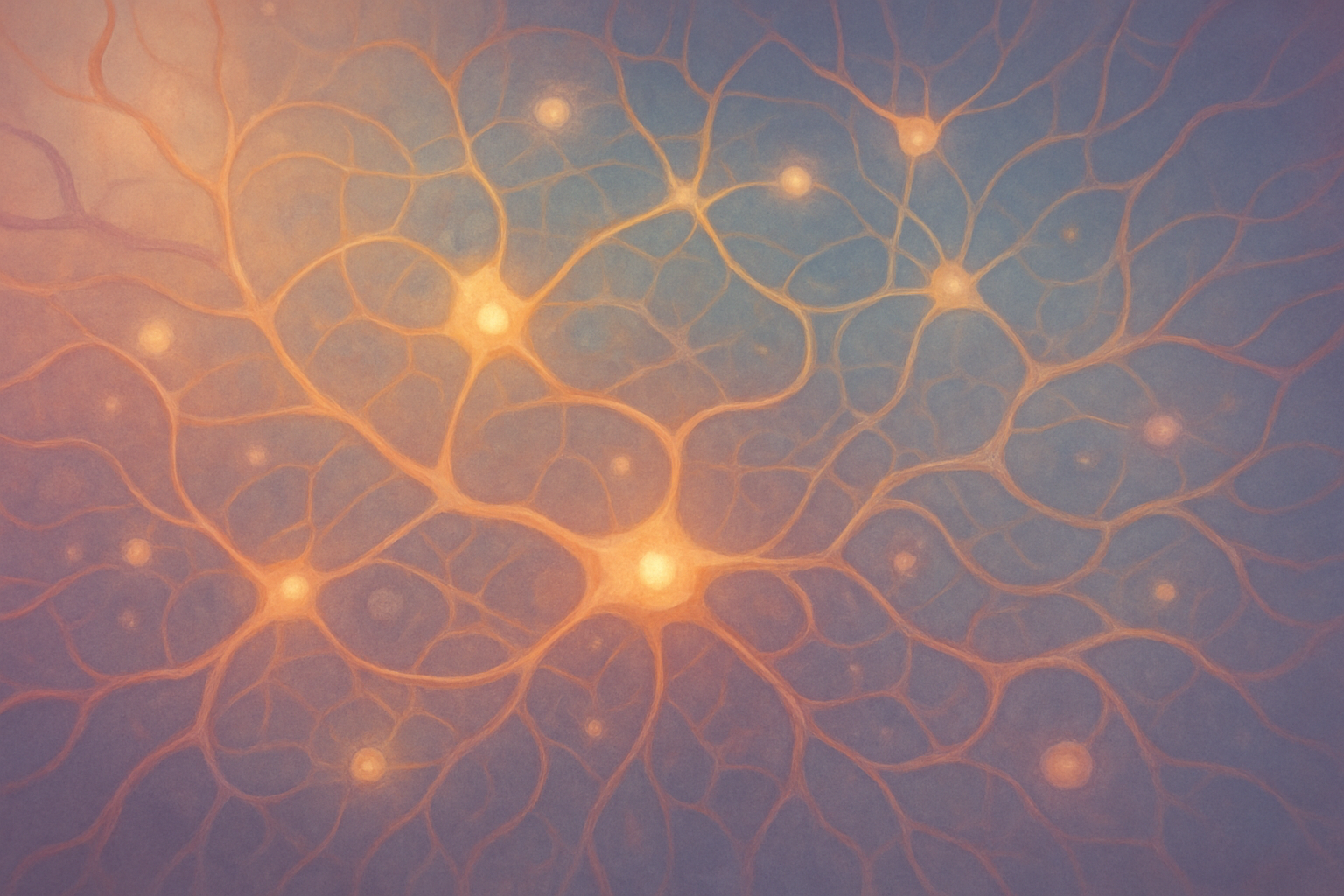
FSH and LH are known as gonadotropins because they stimulate the gonads (ovaries in females). FSH encourages the growth of follicles in the ovary, each containing an egg, while LH triggers ovulation, the release of the mature egg. This intricate communication between the hypothalamus, pituitary, and ovaries is known as the hypothalamic pituitary ovarian (HPO) axis.
Follicular and Luteal Phases Explained
Your menstrual cycle is typically divided into two main phases, each dominated by different hormones.
- The Follicular Phase: This phase begins on the first day of your period and lasts until ovulation. During this time, FSH stimulates the growth of several follicles in your ovaries. As these follicles grow, they produce increasing amounts of estrogen, particularly estradiol. This rising estrogen thickens the uterine lining (endometrium) in preparation for a potential pregnancy. Eventually, one dominant follicle emerges, and a surge in LH triggers its rupture, releasing the egg. This LH surge is the signal for ovulation.
- The Luteal Phase: After ovulation, the ruptured follicle transforms into the corpus luteum, which begins producing large amounts of progesterone, along with some estrogen. Progesterone’s primary role here is to further prepare and maintain the uterine lining for implantation. If pregnancy occurs, the corpus luteum continues to produce progesterone, supported by a hormone called human chorionic gonadotropin (hCG) from the developing embryo. If no pregnancy occurs, the corpus luteum degenerates, leading to a sharp drop in progesterone and estrogen levels. This decline triggers the shedding of the uterine lining, marking the start of your period and a new cycle.
Understanding these phases can help you better track your cycle and identify potential patterns or irregularities.
Hormonal Changes Across the Lifespan
Your body is a dynamic system, and so are your hormone levels. They shift and adapt throughout your life, marking significant milestones from adolescence to later years.
Puberty
Puberty is the amazing transition from childhood to reproductive maturity. It is initiated by the awakening of the HPO axis, leading to increased production of GnRH, FSH, LH, and subsequently, estrogen and testosterone. These hormonal shifts are responsible for the development of secondary sexual characteristics, such as breast development, growth of pubic hair, and the onset of menstruation (menarche). This period can bring about significant physical and emotional changes, driven by these powerful chemical messengers.
Pregnancy and the Placenta
Pregnancy represents a profound hormonal transformation. Once a fertilized egg implants, the developing placenta takes over a crucial role in hormone production. It secretes high levels of estrogen (especially estriol) and progesterone, which are essential for maintaining the pregnancy. Progesterone keeps the uterine lining thick and prevents contractions, while estrogen supports uterine growth and prepares the body for lactation. The placenta also produces human chorionic gonadotropin (hCG), which is the hormone detected in pregnancy tests and helps sustain the corpus luteum in early pregnancy. This hormonal symphony ensures the optimal environment for fetal development.
Menopause
Menopause marks the natural end of a woman’s reproductive years, defined as 12 consecutive months without a menstrual period. It is primarily characterized by a significant decline in ovarian function, leading to reduced production of estrogen and progesterone. As the ovaries become less responsive, FSH and LH levels actually rise in an attempt to stimulate them, though without success. This drop in estrogen is responsible for many menopausal symptoms, such as hot flashes, vaginal dryness, mood swings, and bone density loss. Understanding this transition is key to managing its effects and seeking appropriate support if needed.
Common Hormonal Imbalances and Related Conditions
Hormones operate within a delicate balance. When this balance is disrupted, it can lead to a range of symptoms and conditions that significantly impact reproductive health and overall wellbeing.
Polycystic Ovary Syndrome (PCOS)
Polycystic Ovary Syndrome, or PCOS, is one of the most common endocrine disorders affecting women of reproductive age. We know how frustrating and confusing a PCOS diagnosis can feel. It is characterized by a hormonal imbalance, often involving elevated levels of androgens (like testosterone and dihydrotestosterone) and insulin resistance. This imbalance can lead to irregular or absent periods, anovulation (lack of ovulation), development of small cysts on the ovaries, acne, and excess hair growth. PCOS also impacts fertility, as irregular ovulation makes conception more challenging. Understanding the hormonal underpinnings of PCOS is crucial for effective management and improving your reproductive outcomes.
Low and High Hormone Levels: Symptoms and Effects
Fluctuations in hormone levels, whether too low or too high, can manifest in various ways.
- Low Estrogen: Can lead to irregular or absent periods, hot flashes, vaginal dryness, reduced bone density, and mood changes. This is common during perimenopause and menopause, but can also occur due to excessive exercise, eating disorders, or certain medical conditions.
- High Estrogen: May cause heavy periods, breast tenderness, fibroids, endometriosis, and mood swings.
- Low Progesterone: Often associated with irregular cycles, difficulty conceiving, and increased risk of early miscarriage.
- High Androgens (like Testosterone/Dihydrotestosterone): In females, elevated levels can lead to symptoms such as acne, hirsutism (excessive hair growth on the face or body), and hair thinning on the scalp. This is a key feature of PCOS. An important hormone in this context is Sex Hormone Binding Globulin (SHBG), which binds to testosterone, making it inactive. Low SHBG means more free, active testosterone, even if total testosterone levels are not extremely high.
These symptoms are your body communicating with you. Listening to these signals and seeking professional guidance is important.
Hormone Testing and Diagnosis
If you are experiencing symptoms suggestive of a hormonal imbalance, a healthcare provider can help. Diagnosing hormonal issues typically involves a combination of discussing your medical history and symptoms, a physical examination, and blood tests to measure specific hormone levels. For example, testing estrogen, progesterone, FSH, LH, testosterone, AMH (Anti Müllerian Hormone), and SHBG can provide a comprehensive picture of your reproductive health. AMH, in particular, is a good indicator of ovarian reserve. These tests help pinpoint the exact imbalance and guide appropriate treatment.
Hormone Replacement Therapies and Treatments
For some, managing hormonal imbalances may involve therapies designed to restore balance. These are not a one size fits all solution, but rather personalized approaches tailored to your unique needs.
Hormonal Birth Control Options
Hormonal contraceptives, such as birth control pills, patches, injections, or hormonal IUDs, use synthetic versions of estrogen (ethinyl estradiol) and progestin (a synthetic progesterone) to prevent pregnancy. They work by suppressing ovulation, thickening cervical mucus to block sperm, and thinning the uterine lining. Beyond contraception, these can also be used to manage conditions like PCOS, endometriosis, and heavy or painful periods by regulating the menstrual cycle and balancing hormone levels.
Menopause Hormone Therapy
Menopause Hormone Therapy (MHT), formerly known as Hormone Replacement Therapy (HRT), involves taking estrogen, often combined with progesterone (progestin), to alleviate severe menopausal symptoms. It can be highly effective in reducing hot flashes, night sweats, vaginal dryness, and bone loss. The decision to use MHT is a personal one, made in consultation with your doctor, considering your individual health profile and potential risks and benefits.
Gender Affirming Hormone Therapy
Gender affirming hormone therapy (GAHT) involves administering hormones, such as estrogen or testosterone, to align a person's physical characteristics with their gender identity. This is a vital and transformative treatment for many transgender and gender diverse individuals, supporting their journey towards feeling more authentic in their bodies. This therapy is highly individualized and managed by specialists.
Lifestyle Factors Affecting Hormones
While medical interventions are powerful, your daily choices significantly impact your hormonal health. Lifestyle modifications can be incredibly empowering.
- Nutrition: A balanced diet rich in whole foods, healthy fats, lean proteins, and complex carbohydrates supports hormonal balance. Limiting processed foods, excessive sugar, and unhealthy fats can reduce inflammation and improve insulin sensitivity, which is particularly beneficial for conditions like PCOS.
- Stress Management: Chronic stress elevates cortisol, a hormone that can interfere with reproductive hormone production. Practices like meditation, yoga, mindfulness, and ensuring adequate sleep can help manage stress levels.
- Regular Exercise: Moderate, regular physical activity helps regulate insulin, supports healthy weight, and can positively influence hormone levels.
- Sleep: Quality sleep is essential for hormonal regulation. Aim for 7 to 9 hours of uninterrupted sleep each night to allow your body to reset and produce hormones effectively.
- Environmental Toxins: Exposure to certain chemicals in plastics, pesticides, and personal care products (endocrine disruptors) can interfere with hormone function. Opting for natural and organic alternatives where possible can be beneficial.
Remember, making small, consistent changes in these areas can have a profound positive impact on your hormonal wellbeing. You have the power to influence your health every day.
Conclusion and When to See a Doctor
Understanding your reproductive hormones is not just about memorizing scientific terms; it is about connecting with your body, recognising its signals, and feeling empowered to seek the support you need. We know this journey can be complex, but knowledge is your greatest ally. Hormones are incredible orchestrators of life, and when you understand their language, you unlock a deeper connection to your health.
If you are experiencing persistent symptoms like irregular periods, difficulty conceiving, unexplained weight changes, unusual hair growth, severe mood swings, or symptoms of menopause that impact your quality of life, we encourage you to speak with a healthcare professional. They can provide personalized guidance, conduct necessary tests, and help you develop a tailored plan. Do not hesitate to seek help; your wellbeing is worth it.
Improve your reproductive health with a personalised plan tailored to your body. When you join Izana, you are not just choosing a plan. You are becoming part of a movement that challenges myths, empowers choices, and builds healthier futures. Join the Revolution.