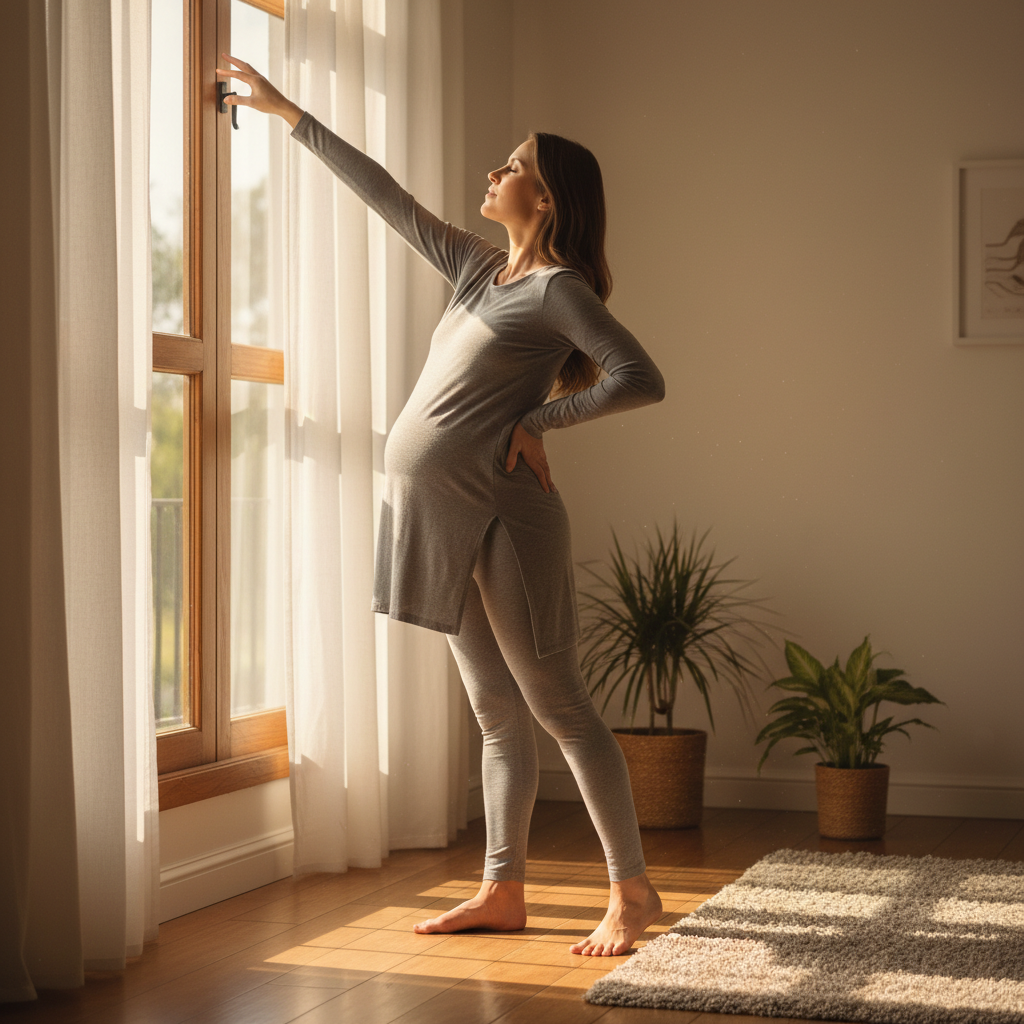
- 1Engage in low impact aerobic activities such as walking, swimming, or cycling to reduce inflammation and release natural pain fighting endorphins.
- 2Incorporate strengthening and stretching exercises like Pilates, yoga, and targeted pelvic floor work to improve core strength, mobility, and address pelvic floor dysfunction.
- 3Prioritize listening to your body by starting slow, pacing yourself, and modifying or resting during flare ups to prevent exacerbating symptoms.
- 4Consult healthcare professionals, including physiotherapists, to create a personalized exercise plan tailored to your specific condition and needs.
- 5Support your exercise routine with additional lifestyle choices such as an anti inflammatory diet, stress management, and adequate sleep for holistic symptom relief.
How to Exercise with Endometriosis: Finding What Works for You
We know how overwhelming a diagnosis of endometriosis can feel. The journey often involves navigating chronic pain, unpredictable flare ups, and a complex web of emotions. Finding reliable information, especially when it comes to something as fundamental as physical activity, can feel like searching for a needle in a haystack. Many wonder, "Can I even exercise with endometriosis?" We want you to know you are not alone in these feelings.
At Izana, we believe in empowering you with clear, compassionate, and science backed guidance. Exercise is not just possible; it can be a powerful tool in managing your endometriosis symptoms, enhancing your overall well being, and reclaiming a sense of control over your body. It is about understanding your unique body, listening to its signals, and finding a movement practice that nurtures you, rather than exhausts you. Let us walk through this together, exploring how thoughtful movement can become your ally in living well with endometriosis.
Here is a quick overview of what we will cover:
- Understand the connection between endometriosis and exercise, and why movement can be beneficial.
- Discover gentle, low impact exercises like walking, swimming, and yoga that can help manage symptoms.
- Learn which types of exercise might worsen symptoms and how to approach physical activity safely.
- Develop strategies for listening to your body and adjusting your exercise routine during flare ups.
- Find out how to create a personalized exercise plan with the support of healthcare professionals.
Understanding Endometriosis
Before we dive into movement, let us first clarify what endometriosis is and how it impacts your body. Endometriosis is a condition where tissue similar to the lining of the uterus, called the endometrium, grows outside the uterus. This tissue can be found on ovaries, fallopian tubes, the outer surface of the uterus, and other organs in the pelvic cavity, and sometimes even beyond. Just like the uterine lining, this misplaced tissue responds to hormonal changes during your menstrual cycle, thickening, breaking down, and bleeding. However, unlike menstrual blood that exits the body, this blood has nowhere to go.
This leads to inflammation, pain, and the formation of scar tissue and adhesions. Imagine tiny internal wounds that bleed each month, causing irritation to surrounding organs. This chronic inflammation and the presence of scar tissue can cause significant pelvic pain, often debilitating, along with heavy bleeding, pain during intercourse, and fertility challenges. Endometriosis can also impact your overall well being, affecting everything from your energy levels to your mental health. While the exact cause is not fully understood, we know that managing inflammation and supporting your body's natural processes are key components of living well with this condition. This is where strategic exercise can play a transformative role.
Benefits of Exercise for Endometriosis
It might seem counterintuitive to exercise when you are experiencing chronic pain, but carefully chosen physical activity offers a wealth of benefits for those living with endometriosis. It is not about pushing through pain, but about moving in a way that supports your body's healing and resilience.
Physical Benefits
Gentle and regular physical activity can be a powerful tool for pain management. When you exercise, your body releases natural pain fighting chemicals called endorphins. These endorphins act as natural painkillers, helping to reduce the intensity of pelvic pain and improve your mood. Additionally, consistent movement can help to reduce systemic inflammation throughout your body. Endometriosis is fundamentally an inflammatory condition, and anti inflammatory strategies, including exercise, are crucial.
Regular physical activity also promotes better blood circulation. Improved blood flow can help deliver oxygen and nutrients to tissues and organs, and may assist in clearing inflammatory byproducts. Exercise also helps maintain a healthy weight and supports balanced estrogen levels, which can be beneficial since endometriosis is an estrogen dependent condition. Strengthening your core and pelvic muscles can provide better support for your abdominal and pelvic organs, potentially reducing discomfort and improving overall mobility. It can also help to prevent or alleviate pelvic floor dysfunction, a common co occurring condition with endometriosis. Furthermore, movement can gently stretch scar tissue, improving flexibility and reducing the "stuck" feeling that adhesions can create.
Mental Health Benefits
Living with chronic pain and an unpredictable condition like endometriosis can take a significant toll on your mental health. The emotional journey can be isolating, leading to increased stress, anxiety, and even depression. Exercise, particularly mindful movement practices, offers a vital outlet and coping mechanism.
The release of endorphins not only helps with physical pain but also boosts your mood, acting as a natural antidepressant. Engaging in physical activity provides a sense of accomplishment and can help redirect your focus away from pain, giving you a renewed sense of agency and control. Practices like yoga and Pilates, which emphasize breathing and body awareness, can significantly reduce stress levels, calm the nervous system, and foster a stronger mind body connection. This holistic approach helps you feel more grounded and resilient, empowering you to navigate the emotional complexities of endometriosis with greater ease. Remember, taking care of your mental well being is just as important as managing your physical symptoms.
Types of Exercises Recommended
So, what kind of movement should you consider? The key is to choose exercises that are gentle, low impact, and supportive of your body, rather than taxing it further. The goal is to build strength and stamina without aggravating inflammation or triggering flare ups.
Low Impact Aerobic Exercises (Walking, Swimming, Cycling)
Low impact aerobic activities are often highly recommended for individuals with endometriosis because they elevate your heart rate without putting excessive stress on your joints or pelvic area. These exercises are less likely to exacerbate pelvic pain or cause discomfort.
- Walking: This is one of the most accessible and effective forms of exercise. A brisk walk can boost your mood, improve circulation, and help manage weight. It is easy to incorporate into your daily routine and can be adjusted in intensity and duration based on how you feel. Start with short, gentle strolls and gradually increase your pace and distance.
- Swimming: The buoyancy of water makes swimming an ideal exercise for those with chronic pain. It provides a full body workout without any impact, supporting your joints and muscles while allowing for a full range of motion. The warmth of the water in a heated pool can also be soothing for pelvic pain.
- Cycling: Whether on a stationary bike or outdoors, cycling offers a great cardiovascular workout with minimal impact. It strengthens your leg muscles and improves stamina. Adjust the seat and handlebars to ensure a comfortable, upright posture that minimizes pressure on your pelvis.
Strengthening and Stretching (Pelvic Floor, Pilates, Yoga)
Beyond aerobic activity, incorporating exercises that focus on strengthening and flexibility can bring profound benefits, particularly for your core and pelvic region.
- Pelvic Floor Exercises: Often known as Kegel exercises, these strengthen the muscles that support your bladder, bowel, and uterus. Pelvic floor dysfunction is common with endometriosis, leading to pain and discomfort. Working with a pelvic floor physiotherapist can help you learn the correct way to engage and relax these muscles, improving bladder control, reducing pelvic pain, and supporting healthy sexual function.
- Pilates: Pilates focuses on core strength, flexibility, balance, and controlled breathing. It is a low impact exercise that emphasizes proper alignment and strengthens deep abdominal and pelvic muscles without strain. The emphasis on mindful movement can be particularly beneficial for body awareness and pain management. Look for instructors who are knowledgeable about chronic pain or women's health.
- Yoga: Yoga combines physical postures, breathing techniques, and meditation, offering a holistic approach to managing endometriosis. Specific yoga poses can help stretch tight muscles, release tension in the pelvic area, and improve overall flexibility. The meditative aspect of yoga can significantly reduce stress, anxiety, and the perception of pain. Restorative yoga, in particular, can be deeply calming and healing during flare ups or periods of fatigue.
Exercises to Avoid
While exercise is beneficial, it is equally important to understand that some activities might exacerbate your symptoms or even trigger a flare up. The key here is not a hard and fast rule for everyone, but a guideline for you to listen to your body and observe its responses.
Generally, high impact exercises that involve jarring movements or significant pressure on the abdominal and pelvic regions might be less suitable. This could include activities like high intensity interval training (HIIT), heavy weightlifting, intense running, or vigorous jumping. These types of movements can potentially increase inflammation, place undue stress on scar tissue, or worsen pelvic pain. Additionally, exercises that involve deep abdominal twists or inversions, if not performed carefully or under expert guidance, could sometimes cause discomfort.
It is crucial to be mindful of your body's signals. If an exercise consistently causes increased pain, discomfort, or fatigue during or after your workout, it is a sign to modify or avoid it. Remember, your goal is to support your body, not to push it beyond its limits or provoke pain. Always consult with your healthcare provider or a physiotherapist who understands endometriosis before starting any new or intense exercise regimen.
How to Listen to Your Body and Manage Flare Ups
This is perhaps the most critical piece of advice for anyone exercising with endometriosis. Your body is constantly communicating with you, and learning to truly listen to its messages is an act of profound self care. Endometriosis is a condition characterized by unpredictable symptoms and flare ups, where pain and fatigue can suddenly intensify. During these times, it is essential to adjust your activity levels rather than trying to power through.
Here is how you can practice mindful movement and manage flare ups:
- Pace Yourself: Start slow, especially when beginning a new exercise. Gradually increase intensity and duration only as your body adapts and feels comfortable.
- Be Present: Pay close attention to how your body feels during and after exercise. Is there any new or increased pain? Are you feeling unusually fatigued?
- Modify and Adapt: If a specific movement or pose causes discomfort, modify it. For example, during yoga, use props, or opt for a gentler variation. During a walk, shorten your route or slow your pace.
- Prioritize Rest: During a flare up, your body needs rest to heal. Do not feel guilty about taking a day off or opting for very gentle movement like restorative stretching or a short, slow walk. Pushing through severe pain can prolong a flare up and increase inflammation.
- Warm Up and Cool Down: Always include gentle warm up exercises before your main workout and a cool down with stretching afterwards. This helps prepare your muscles and prevents stiffness.
- Hydration and Nutrition: Support your body with adequate hydration and an anti inflammatory diet, which can help mitigate the impact of physical activity and inflammation.
Remember, there will be good days and bad days. The goal is consistency over intensity, and compassion over criticism. Your exercise journey with endometriosis is not linear, and that is perfectly normal.
Creating a Personalized Exercise Plan
There is no one size fits all exercise plan for endometriosis. Your unique body, symptom severity, and personal preferences will dictate what works best for you. This is where the power of personalization truly comes into play.
Consulting Healthcare Professionals
Before embarking on any new exercise routine, it is always wise to consult with your healthcare team. This could include your gynecologist, a physiotherapist specializing in women's health or pelvic floor dysfunction, or a certified exercise physiologist. They can provide tailored advice based on your specific condition, surgical history, and overall health status. A pelvic floor physiotherapist, in particular, can assess your pelvic muscles, identify any dysfunction, and guide you through appropriate exercises that can significantly alleviate pain and improve function.
Tracking Progress and Adjusting Intensity
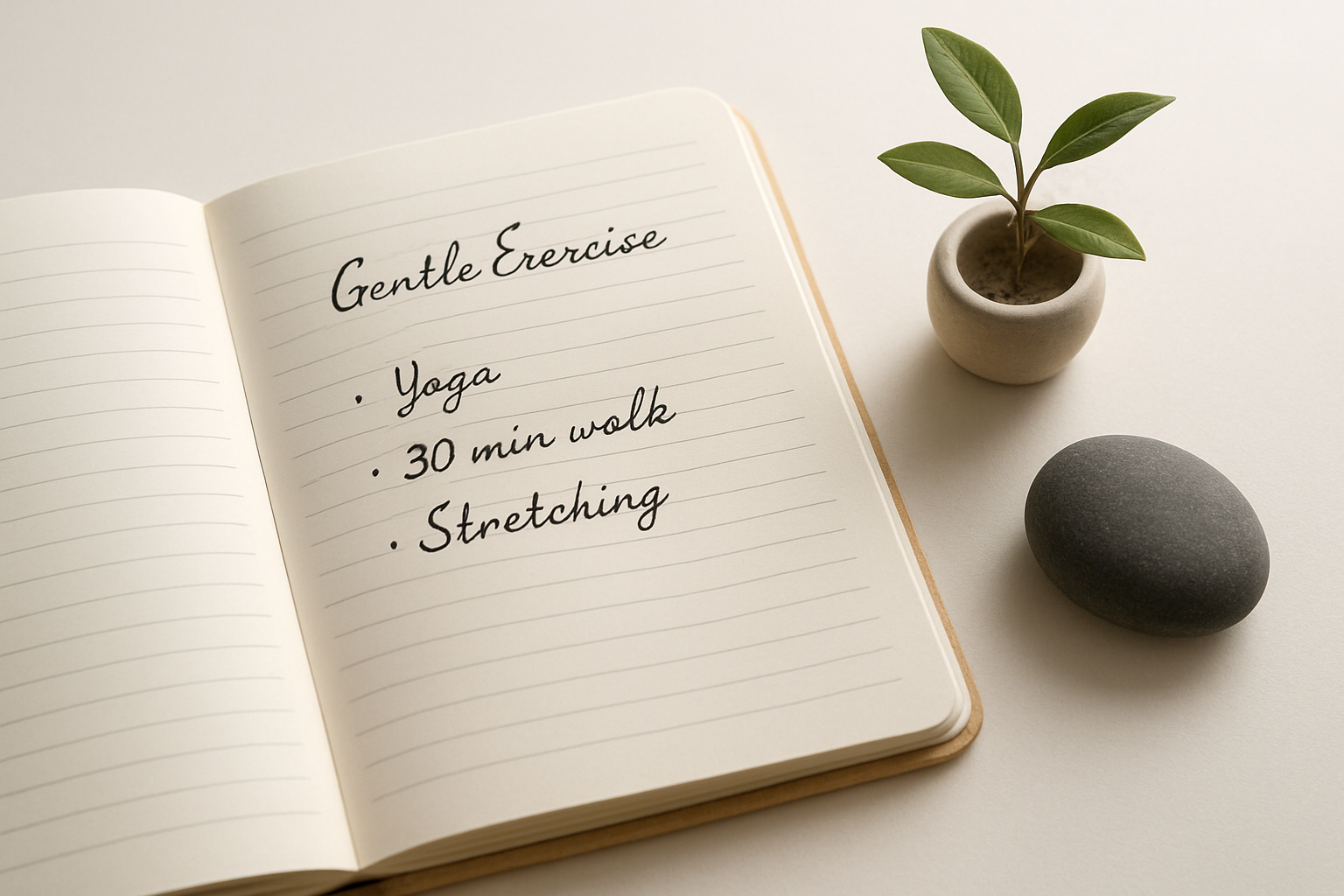
To truly understand what works for your body, consider keeping an exercise journal. Track:
- The type, duration, and intensity of your exercise.
- Your pain levels before, during, and after activity.
- Any other symptoms you experience (fatigue, mood changes).
- Your menstrual cycle phase, as symptoms can fluctuate throughout the month.
This data will help you identify patterns, understand your triggers, and see what truly brings relief. With this information, you can gradually adjust your exercise plan, increasing or decreasing intensity as needed, ensuring that your movement practice remains supportive and beneficial. Be patient with yourself; finding your rhythm is a process of exploration and self discovery.
Additional Lifestyle Tips for Managing Endometriosis
While exercise is a powerful component of managing endometriosis, it is part of a larger, holistic approach to wellness. Integrating other lifestyle strategies can amplify the benefits and provide more comprehensive symptom relief.
Consider adopting an anti inflammatory diet. Foods rich in omega 3 fatty acids, antioxidants, and fiber, such as fruits, vegetables, whole grains, and lean proteins, can help reduce systemic inflammation. Conversely, limiting processed foods, excessive sugar, and certain dairy or red meat products might be beneficial for some individuals.
Stress management techniques are also vital. Chronic stress can worsen pain perception and inflammation. Practices like mindfulness meditation, deep breathing exercises, spending time in nature, or engaging in hobbies you enjoy can significantly reduce stress levels. Prioritizing adequate, restorative sleep is equally important, as it allows your body to repair and rejuvenate, helping to manage fatigue and pain.
Remember, every aspect of your well being is interconnected. By nurturing your body through thoughtful movement, nourishing food, stress reduction, and restful sleep, you create a supportive environment for managing endometriosis and improving your overall quality of life. We are here to help you navigate these choices, offering guidance that is rooted in science and delivered with empathy.
Conclusion: Staying Active with Endometriosis for Better Quality of Life
Living with endometriosis presents unique challenges, but it does not mean your life must be defined by pain and limitations. By embracing thoughtful, gentle, and consistent physical activity, you can transform your experience, turning a path that often feels confusing and isolated into one of empowerment and healing.
You have learned that exercise, especially low impact aerobic activities, strengthening movements like Pilates and pelvic floor exercises, and mindful practices such as yoga, can be incredibly beneficial. These movements not only help manage physical symptoms like pelvic pain, inflammation, and scar tissue but also profoundly support your mental health, offering a sense of control and reducing stress. The journey requires listening intently to your body, understanding its signals, and being willing to adjust your approach, especially during flare ups.
We want you to feel confident in exploring movement that nurtures your body and spirit. This is about finding what works for you, at your pace, and with your unique needs in mind. Do not let fear or past experiences hold you back from discovering the profound relief and joy that mindful movement can bring.
Improve your reproductive health with a personalised plan tailored to your body. When you join Izana, you are not just choosing a plan a you are becoming part of a movement that challenges myths, empowers choices, and builds healthier futures. Join the Revolution.