- 1BBT is your lowest resting body temperature, taken first thing in the morning before any activity, and a sustained rise of 0.2 to 0.5 degrees Celsius confirms ovulation has occurred.
- 2Your BBT is lower during the follicular phase (before ovulation) and rises in the luteal phase (after ovulation) due to increased progesterone levels.
- 3Accurate BBT tracking requires a basal thermometer, consistent timing, and logging daily readings, ideally with accompanying notes on factors like sleep or illness.
- 4Combining BBT with other methods like cervical mucus observation and LH ovulation predictor kits provides a more comprehensive and predictive understanding of your fertile window.
- 5A sustained high BBT for more than 16 days post ovulation can be an early indicator of pregnancy.
How to Track Your Basal Body Temperature (BBT) Accurately
Beginning a fertility journey can often feel like navigating a complex maze. There is so much information, so many new terms, and sometimes, it can leave you feeling more confused and alone than empowered. We understand that feeling, the longing for clarity, and the desire to truly understand your own body. If you have been searching for a simple yet powerful way to connect with your cycle and understand your fertile window, then tracking your Basal Body Temperature (BBT) might be a valuable tool for you. We are here to demystify BBT, offering you clear, compassionate guidance.
Here is what we will explore together in this guide:
- Understanding what Basal Body Temperature (BBT) is and its connection to ovulation.
- Learning the simple steps to accurately measure and chart your daily BBT.
- How to interpret your BBT chart to identify ovulation and even early pregnancy signs.
- Discovering the advantages and limitations of using BBT for fertility awareness.
- Exploring how modern tools and combining BBT with other methods can enhance your tracking.
Let's dive in and empower you with the knowledge to take confident steps on your unique path to parenthood.
What is Basal Body Temperature (BBT)?
Imagine your body's temperature as a subtle, internal whisper, communicating with you about your hormonal shifts. Your Basal Body Temperature (BBT) is simply your lowest resting body temperature in a 24 hour period. It is typically taken immediately after waking up, before you have moved, eaten, or even gotten out of bed. Think of it as your body's baseline temperature when it is truly at rest.
While this tiny temperature change might seem insignificant, it is actually a remarkable indicator of major hormonal events occurring within your menstrual cycle. Specifically, it offers a retrospective clue about ovulation. We are going to explore how this subtle shift can become a powerful piece of your fertility puzzle, helping you unlock deeper insights into your reproductive health.
How Basal Body Temperature Relates to Ovulation and Fertility
The magic of BBT lies in its direct relationship with your hormonal fluctuations throughout your menstrual cycle. Understanding this connection is key to leveraging BBT for fertility tracking.
Hormonal Changes and Temperature Shift
Your body undergoes incredible hormonal transformations each month to prepare for a potential pregnancy. Before ovulation, during what we call the follicular phase, estrogen is the dominant hormone. Estrogen keeps your basal body temperature relatively lower.
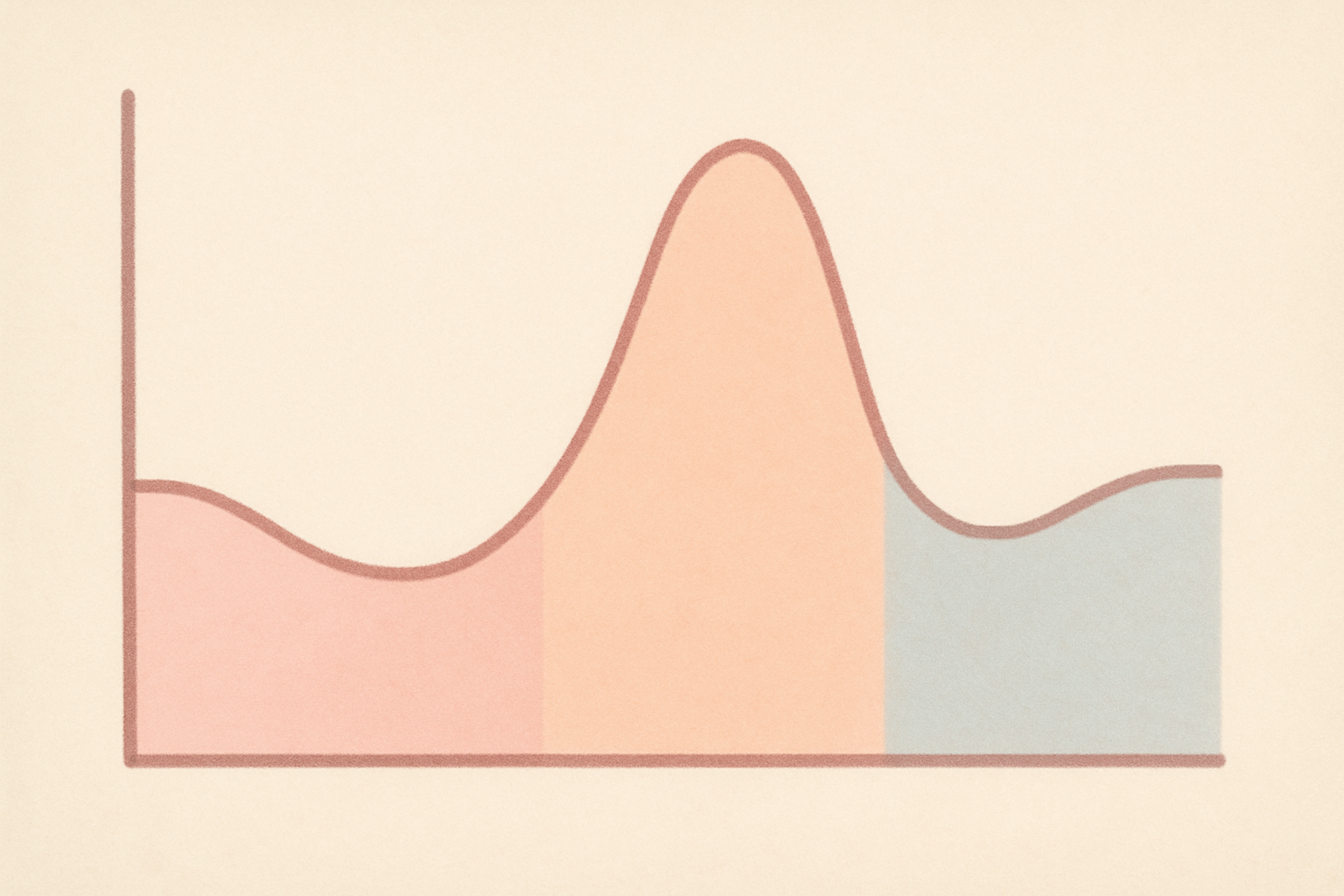
However, after ovulation occurs, a dramatic shift takes place. Your body starts producing the hormone progesterone in significant amounts. Progesterone is the star of the second half of your cycle, and it has a very distinct effect on your body: it causes your basal body temperature to rise and stay elevated. This temperature rise is usually subtle, often just by 0.2 to 0.5 degrees Celsius, but it is a consistent and reliable signal that ovulation has happened. Think of it like a tiny, internal thermostat adjustment triggered by progesterone.
Before this progesterone surge, another crucial hormone, Luteinizing Hormone (LH), surges to trigger the release of an egg. While BBT does not predict the LH surge or ovulation in advance, it confirms that ovulation has indeed taken place, usually a day or two after the LH surge.
The Follicular and Luteal Phases
To truly understand your BBT chart, it helps to know about the two main phases of your menstrual cycle:
- The Follicular Phase: This phase begins on the first day of your period and lasts until ovulation. During this time, your ovaries are preparing an egg for release. Estrogen levels are rising, and your BBT will generally be lower and more consistent. This low temperature range continues right up until ovulation occurs.
- The Luteal Phase: This phase begins immediately after ovulation and lasts until your next period starts, or if you conceive, it continues throughout early pregnancy. Progesterone dominates this phase, leading to a sustained rise in your BBT. This elevated temperature will typically remain high for about 12 to 16 days. If you do not conceive, progesterone levels drop, and your BBT will fall just before your period begins.
The fertile window, the crucial time when conception is possible, is actually *before* and *on* the day of ovulation. Since BBT confirms ovulation after it has happened, we know your most fertile days are typically the 5 days leading up to ovulation and the day of ovulation itself. BBT helps you understand your patterns over time to better anticipate this window in future cycles.
How to Measure Basal Body Temperature
Accurate BBT tracking is about consistency and precision. Let's walk through the steps together.
Choosing the Right Thermometer
The first step is selecting the right tool. You will need a basal thermometer, which is specifically designed to measure small temperature changes, typically to two decimal places (e.g., 36.52°C). Standard fever thermometers usually only measure to one decimal place and are not sensitive enough for accurate BBT tracking.
- Digital Basal Thermometers: These are the most common and easiest to use. They often beep when the reading is complete and may even store your last reading.
- Traditional Mercury Thermometers: While still available, digital options are generally preferred for ease of reading and safety.
Ensure your chosen thermometer is reliable and that you are comfortable using it consistently.
When and How to Take Your Temperature
This is where consistency is paramount. To get the most accurate basal reading, follow these guidelines:
- First Thing in the Morning: Take your temperature immediately upon waking, before you even sit up, speak, or get out of bed. Any activity can raise your temperature and skew the reading.
- After Adequate Sleep: Aim for at least 3 to 4 consecutive hours of uninterrupted sleep before taking your temperature. If you wake up frequently, it might affect accuracy.
- Same Time Every Day: Try to take your temperature at roughly the same time each morning, ideally within a 30 minute window. Setting an alarm can help.
- Consistent Method: Most people measure orally by placing the thermometer under their tongue. However, you can also measure vaginally or rectally if you prefer, but whichever method you choose, stick with it for the entire cycle. Do not switch methods mid cycle.
- Duration: Follow the thermometer's instructions. Most digital basal thermometers will beep when they have taken a sufficient reading.
Recording and Charting Temperatures
Once you have your reading, the next crucial step is to record it. This is where your temperature chart comes in.
- Manual Charting: You can print out blank BBT charts or create your own. Each day, you would mark your temperature on a graph, along with the date and cycle day.
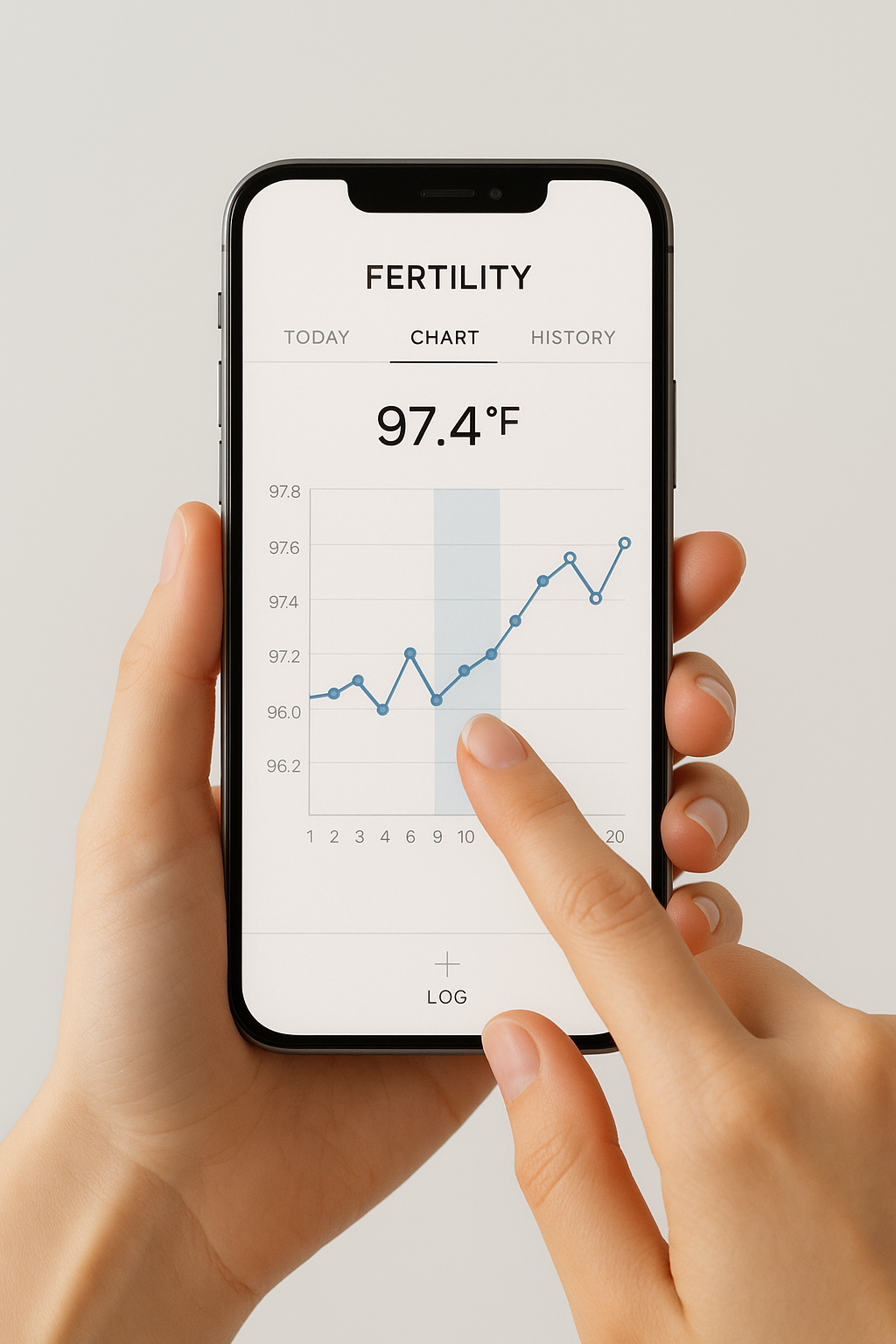
- Fertility Apps: Many smartphone apps are designed specifically for fertility tracking. They allow you to easily input your BBT, and they often automatically generate a chart for you. These apps can also help you track other fertility signs like cervical mucus.
It is also incredibly helpful to note down any factors that might affect your temperature, such as:
- A poor night's sleep or waking up frequently.
- Illness, fever, or taking medication.
- Alcohol consumption the night before.
- Travel or time zone changes.
- Unusual stress.
These notes provide context and help you interpret any unusual temperature fluctuations.
Interpreting Your BBT Chart
Once you have a few weeks of data, the fun of interpretation begins! You are looking for patterns, not just individual readings.
Identifying Ovulation
The primary goal of BBT charting for fertility is to identify when ovulation has occurred. What you are looking for is a sustained temperature shift. This is typically defined by the "three over six" rule:
- You will observe at least three consecutive daily temperatures that are higher than the previous six days' temperatures.
- The third elevated temperature must be at least 0.2 degrees Celsius (or 0.4 degrees Fahrenheit) above the coverline. The coverline is an imaginary horizontal line drawn on your chart, just above your pre ovulation temperatures.
Once you see this sustained temperature rise, you can confirm that ovulation has already taken place. This means your fertile window for that cycle has passed. While this is retrospective, tracking over several cycles helps you understand your typical ovulation timing, allowing you to better predict your fertile window in future cycles.
Recognizing Pregnancy Signals
BBT can also offer early clues about a potential pregnancy. If your temperature remains elevated for more than 16 consecutive days after ovulation, it is often a strong indicator of early pregnancy. This sustained high temperature is due to the continued production of progesterone, which is essential for maintaining a pregnancy. For many, a consistently high BBT past their expected period date is the first sign they might be pregnant, even before a positive home pregnancy test.
Advantages and Limitations of the BBT Method
Like any fertility tracking method, BBT charting has its strengths and weaknesses. Understanding both will help you use it most effectively.
Benefits of BBT Tracking
We believe in empowering you with knowledge, and BBT tracking offers several significant advantages:
- Cost Effective and Non Invasive: All you need is a basal thermometer, making it an accessible option for many. There are no expensive strips or visits required.
- Increased Body Awareness: Consistent tracking helps you become intimately familiar with your body's unique rhythms and signals. You will learn to recognize your cycle patterns, not just ovulation.
- Confirms Ovulation: BBT is one of the most reliable ways to confirm that ovulation has actually occurred in a given cycle. This can be incredibly reassuring and informative.
- Helps Identify Your Fertile Window (Retrospectively): While it confirms ovulation after the fact, tracking over several cycles helps you pinpoint your typical ovulation day, allowing you to better time intercourse for conception in future cycles.
- Potential for Early Pregnancy Detection: A sustained temperature elevation past your typical luteal phase length can be an exciting early sign of pregnancy.
You have the power to gather this valuable data yourself, right from the comfort of your home.
Drawbacks and Accuracy Considerations
No method is perfect, and it is important to be aware of BBT's limitations:
- Retrospective Nature: BBT tells you *when* ovulation happened, not when it is *going to happen*. This means it does not give you a forward looking prediction of your most fertile days within a current cycle.
- Requires Discipline and Consistency: For accurate results, you must take your temperature every single morning, at the same time, before any activity. This can be challenging for some schedules.
- Affected by Various Factors: Many things can cause your BBT to fluctuate, making interpretation tricky.
Factors Affecting Basal Body Temperature
Your basal temperature is quite sensitive. Here are some common factors that can lead to inaccurate readings or make your chart harder to interpret:
- Inconsistent Sleep: Not getting enough sleep, disturbed sleep, or waking at different times can all impact your BBT.
- Illness or Fever: Even a slight cold can elevate your temperature and mask the ovulation shift.
- Alcohol Consumption: Drinking alcohol the night before can temporarily raise your BBT.
- Travel and Time Zone Changes: Disrupting your routine and sleep patterns.
- Stress: While not always directly affecting BBT, high stress can impact ovulation timing and overall cycle regularity.
- Certain Medications: Some medications can affect your body temperature.
It is crucial to note these factors on your chart daily. This context is invaluable when reviewing your data and understanding any anomalies.
We believe in providing you with all the information, so you can make empowered decisions, rather than feeling overwhelmed by uncertainty. Understanding these nuances helps you use BBT effectively and with realistic expectations.
Combining BBT with Other Fertility Awareness Methods
While BBT is a powerful tool on its own, its effectiveness soars when combined with other fertility awareness methods (FAMs). Think of it as putting together pieces of a puzzle to get a clearer picture.
- Cervical Mucus (CM) Observation: Your cervical mucus changes throughout your cycle, offering a *prospective* sign of fertility. As ovulation approaches, estrogen causes cervical mucus to become clear, stretchy, and slippery, resembling raw egg white. This "fertile quality" mucus indicates that you are entering your most fertile window. BBT then confirms if and when ovulation occurred, helping you correlate the fertile mucus with your temperature shift.
- Ovulation Predictor Kits (OPKs): These kits detect the surge in Luteinizing Hormone (LH) that precedes ovulation by 24 to 36 hours. OPKs provide a fantastic *predictive* signal, telling you when ovulation is likely to happen. By combining OPKs with BBT, you get both a heads up (OPK) and a confirmation (BBT).
By observing these multiple signs, you gain a more complete understanding of your unique cycle, allowing you to identify your fertile window with greater confidence and accuracy. This combined approach is often referred to as Symptothermal Method and is highly effective for both conception and natural family planning.
Modern Tools and Technology for BBT Tracking
The world of fertility tracking has evolved, offering sophisticated tools to make BBT charting easier and more insightful than ever before.
Fertility Tracking Apps and Algorithms
Gone are the days when you had to manually plot every single temperature point on a paper chart. Today, numerous smartphone apps are designed to streamline the process. You simply input your daily BBT, and the app does the heavy lifting:
- Automated Charting: Apps instantly generate visual charts, making it easy to spot trends and temperature shifts.
- Algorithmic Predictions: Many apps use algorithms that learn your cycle patterns over time. While BBT itself is retrospective, these algorithms can use historical BBT data, combined with other inputs like period dates and cervical mucus observations, to provide more accurate *predictions* for your upcoming fertile window.
- Integration of Multiple Data Points: The best apps allow you to track not just BBT, but also cervical mucus, OPK results, intercourse, and even mood or symptoms, giving you a holistic view of your reproductive health.
Wearable Devices for Continuous Temperature Monitoring
For those seeking even greater convenience and accuracy, wearable fertility devices have emerged as a game changer. These devices typically take continuous temperature readings while you sleep, eliminating the need for strict morning routines.
- Automatic Data Collection: Wearables remove the manual aspect of taking and recording your temperature, often syncing data directly to an app.
- Increased Accuracy: By collecting hundreds of data points throughout the night, these devices can often identify your true basal temperature more precisely, potentially reducing the impact of restless sleep or waking up briefly.
- Early Insights: Some advanced wearables can detect subtle temperature shifts even earlier than traditional BBT methods, sometimes offering a more precise prediction of ovulation or even early signs of pregnancy.
These modern tools transform BBT tracking from a chore into an integrated, insightful part of your daily routine, putting the power of advanced fertility awareness right at your fingertips.
Using BBT for Conception and Birth Control
BBT tracking serves as a powerful guide for both those hoping to conceive and those practicing natural family planning.
- For Conception: By consistently tracking your BBT, you will develop a clear understanding of your typical cycle length and when you generally ovulate. While BBT confirms ovulation retrospectively, this historical data helps you identify your most fertile days in future cycles. Knowing that your fertile window occurs in the days leading up to and including ovulation, you can then time intercourse more effectively to increase your chances of conception. It empowers you to proactively engage in your fertility journey.
- For Natural Family Planning (NFP): When used diligently and in combination with other fertility awareness methods like cervical mucus observation, BBT can be an effective method for birth control. The core principle here is to identify the post ovulation temperature rise, confirming that ovulation has passed and you are no longer fertile in that cycle. Couples then abstain from intercourse or use barrier methods during the identified fertile window. It is important to remember that for NFP to be effective, strict adherence to guidelines and comprehensive understanding of the method are essential. BBT alone is not sufficient for reliable contraception.
When to Consult a Healthcare Provider
While BBT tracking empowers you with valuable insights, it is also important to know when to seek professional guidance. Your Izana trusted friends are here to remind you that you are never alone on this journey.
- Irregular Cycles: If your cycles are consistently very long, very short, or highly unpredictable, it can make BBT charting challenging to interpret. A healthcare provider can help investigate underlying causes.
- No Consistent Temperature Shift: If your BBT chart consistently fails to show a clear and sustained temperature rise, it might indicate anovulatory cycles (cycles where ovulation does not occur). This is a good reason to speak with a doctor.
- Concerns About Interpretation: If you are struggling to understand your charts, or feel overwhelmed by the data, a fertility specialist or doctor can provide expert guidance.
- After a Year of Trying (or Six Months if Over 35): If you have been consistently tracking and timing intercourse for this duration without success, it is a recommended time to consult with a healthcare provider for further investigation and support.
- Underlying Health Conditions: If you have conditions like PCOS, endometriosis, or thyroid disorders, BBT charting can still be beneficial, but it is crucial to manage these conditions with professional medical guidance.
Remember, BBT is a tool for self knowledge, but it does not replace the expertise of a medical professional. We encourage you to use this information to have more informed conversations with your doctor, becoming an active participant in your own care.
References
- American College of Obstetricians and Gynecologists. (2019). Fertility Awareness Methods: ACOG Practice Bulletin, Number 227. Retrieved from https://www.acog.org/clinical/clinical-guidance/practice-bulletin/articles/2020/02/fertility-awareness-methods (Accessed 2023-10-27)
- Mayo Clinic. (2022). Basal body temperature for ovulation tracking. Retrieved from https://www.mayoclinic.org/healthy-lifestyle/getting-pregnant/expert-answers/basal-body-temperature/faq-20058242 (Accessed 2023-10-27)
- Cleveland Clinic. (2023). Basal Body Temperature (BBT) Charting. Retrieved from https://my.clevelandclinic.org/health/diagnostics/24536-basal-body-temperature-bbt-charting (Accessed 2023-10-27)
Join the Izana Revolution
Understanding your Basal Body Temperature is more than just tracking numbers; it is about building a deeper connection with your body and empowering yourself with knowledge. We know the journey to parenthood can bring moments of confusion and isolation, but you do not have to walk it alone. We are here to simplify the complex, provide empathetic support, and challenge the status quo that leaves so many feeling unheard.
Improve your reproductive health with a personalised plan tailored to your body. When you join Izana, you are not just choosing a plan you are becoming part of a movement that challenges myths, empowers choices, and builds healthier futures. Join the Revolution.