- 1Endometriosis affects millions of women in India, characterized by pain and fertility challenges.
- 2The gut microbiome critically influences endometriosis by modulating systemic inflammation and estrogen levels.
- 3Dysbiosis can exacerbate endometriosis symptoms, driving chronic pain and disease progression.
- 4Targeted dietary changes, prebiotics, and probiotics can help restore gut balance and alleviate symptoms.
- 5Understanding the gut-endometriosis link empowers a holistic approach to managing the condition.
The Connection Between Gut Health and Endometriosis
We know how overwhelming a diagnosis of endometriosis can feel, bringing with it a cascade of questions and often, chronic pain and uncertainty. It is natural to feel isolated and confused, grappling with symptoms that disrupt daily life and steal your peace. But you are not alone on this journey. At Izana, we believe that understanding your body is the first step towards empowerment, and today, we are going to explore a vital, yet often overlooked, aspect of endometriosis management: the intricate connection between your gut health and the progression of this complex condition. We will walk through the science together, simplifying the complexities so you can make informed choices about your well being.
- Endometriosis affects millions of women in India, often causing chronic pelvic pain and fertility challenges.
- The gut microbiome plays a crucial role in overall health, influencing everything from digestion to hormone balance.
- Dysbiosis, an imbalance in gut bacteria, can worsen endometriosis symptoms through increased inflammation and altered estrogen metabolism.
- Targeted dietary interventions, probiotics, and lifestyle changes can help manage symptoms by restoring gut health.
- Understanding this connection empowers individuals to work with their healthcare providers for more holistic management strategies.
The gut microbiome significantly influences endometriosis through its impact on inflammation and estrogen metabolism, where an imbalanced gut, or dysbiosis, can exacerbate symptoms like pelvic pain and contribute to the disease's progression. Restoring gut health can thus be a crucial part of managing endometriosis effectively.
What is Endometriosis?
Endometriosis is a condition where tissue similar to the lining inside the uterus, called the endometrium, grows outside of it. This misplaced tissue can be found on organs like the ovaries, fallopian tubes, and the outer surface of the uterus. Like the uterine lining, this tissue responds to hormonal changes during the menstrual cycle, thickening, breaking down, and bleeding, often leading to significant pain and other complications.
The blood and tissue become trapped, leading to inflammation, scar tissue formation, and adhesions. This can result in chronic pelvic pain, painful periods (dysmenorrhea), pain during intercourse (dyspareunia), and challenges with fertility. The exact cause of endometriosis remains unknown, but factors like genetics, immune dysfunction, and hormonal imbalances are believed to play a role.
What is the role of the gut microbiome in overall health?
The gut microbiome refers to the trillions of microorganisms, primarily bacteria, that reside in your digestive tract. This complex community plays a critical role in numerous bodily functions extending far beyond digestion. It acts almost like an organ itself, influencing our immune system, metabolism, and even brain function.
A healthy and diverse gut microbiome helps digest food, synthesize vitamins, and protect against harmful pathogens. It also plays a key role in regulating inflammation and influencing hormone balance throughout the body. When this delicate balance is disrupted, it can have wide-ranging effects on overall health and contribute to various chronic conditions.
How does gut microbiome dysbiosis affect endometriosis?
Gut microbiome dysbiosis, or an imbalance in the types and numbers of gut bacteria, can significantly worsen endometriosis symptoms. This imbalance often leads to increased inflammation throughout the body, a key factor in the development and progression of endometriosis.
Furthermore, dysbiosis can alter how the body processes hormones, particularly estrogen, which is crucial for endometriosis growth. An unhealthy gut can lead to higher circulating estrogen levels, fueling the growth of endometrial lesions. This connection highlights why focusing on gut health is so vital for those with endometriosis.
How does inflammation connect with endometriosis?
Inflammation is a central player in the pathology of endometriosis. The misplaced endometrial-like tissue outside the uterus causes a chronic inflammatory response in the pelvic cavity. This inflammation contributes significantly to the severe pain experienced by individuals with endometriosis.
The gut microbiome directly influences systemic inflammation. When dysbiosis occurs, certain bacteria can produce compounds that trigger inflammatory pathways throughout the body. This increased inflammation can then feedback into existing endometriosis lesions, exacerbating pain and promoting further disease progression, creating a frustrating cycle.
What is the estrobolome and how does it influence endometriosis?
The estrobolome is a collection of gut bacteria that metabolize and regulate the body's estrogen levels. These bacteria produce an enzyme called beta glucuronidase, which deconjugates estrogen, allowing it to be reabsorbed into the bloodstream.
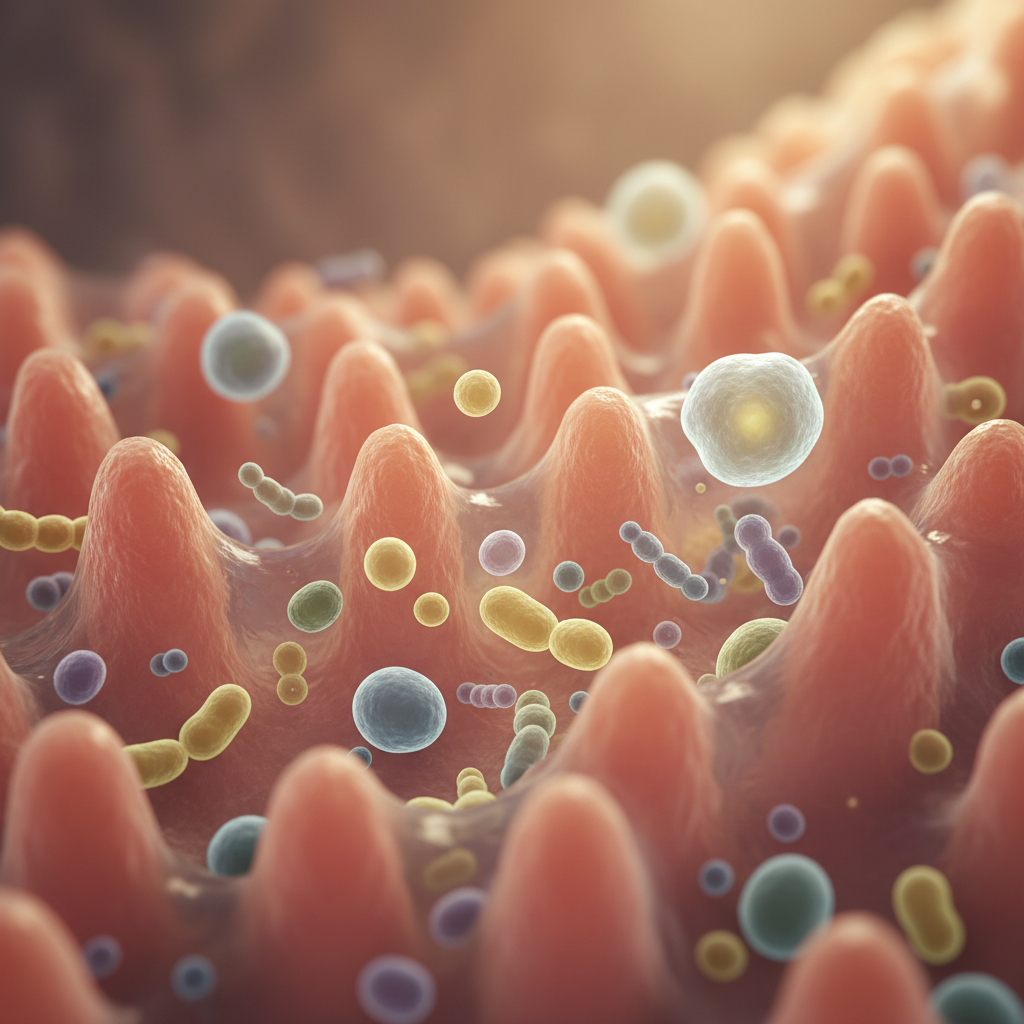
When the estrobolome is imbalanced, it can lead to either too much or too little estrogen being reabsorbed. In the context of endometriosis, an overactive estrobolome can result in higher circulating estrogen levels, which fuels the growth and pain associated with endometrial lesions. This makes a healthy estrobolome crucial for managing endometriosis.
What is leaky gut syndrome and how is it related to endometriosis?
Leaky gut syndrome, also known as increased intestinal permeability, occurs when the tight junctions in the gut lining become compromised. This allows undigested food particles, toxins, and bacteria to pass from the intestines into the bloodstream.
Once these substances enter the bloodstream, they can trigger a systemic inflammatory response and activate the immune system. For individuals with endometriosis, this increased inflammation and immune activation can exacerbate existing symptoms and potentially contribute to the proliferation of endometrial lesions. This creates a link between gut barrier integrity and endometriosis severity.
Why are gastrointestinal symptoms common with endometriosis?
Gastrointestinal symptoms are remarkably common in individuals with endometriosis, often leading to misdiagnosis as Irritable Bowel Syndrome (IBS) or Inflammatory Bowel Disease (IBD). This overlap occurs because endometrial lesions can grow on or near the bowel, causing pain and dysfunction similar to primary gut disorders. The chronic inflammation associated with endometriosis also affects gut motility and sensitivity.
Common digestive issues include bloating, constipation, diarrhea, nausea, and painful bowel movements, especially during menstruation. This makes distinguishing between endometriosis related symptoms and purely gastrointestinal conditions challenging, requiring careful evaluation by healthcare professionals.
How do nutritional choices impact gut health and endometriosis?
Nutritional choices play a powerful role in shaping your gut microbiome and influencing inflammation, directly impacting endometriosis symptoms. A diet rich in processed foods, unhealthy fats, and sugar can promote dysbiosis and increase systemic inflammation. Conversely, an anti-inflammatory diet can foster a healthy gut and reduce pain.
Prioritizing whole, unprocessed foods, ample fiber from fruits and vegetables, and lean proteins can nourish beneficial gut bacteria. Incorporating foods rich in antioxidants and omega 3 fatty acids can also help to calm inflammation. Making conscious food choices is a tangible step towards managing your symptoms.
What roles do dietary fiber, gluten free, and FODMAP diets play?
Dietary fiber is essential for gut health, acting as fuel for beneficial bacteria and promoting regular bowel movements. A high fiber diet can help regulate estrogen levels by promoting regular excretion, thus reducing the burden on the estrobolome. Rich sources include whole grains, legumes, fruits, and vegetables.
Some individuals with endometriosis report symptom improvement on a gluten free diet, although scientific evidence is still emerging. Similarly, a low FODMAP (Fermentable Oligosaccharides, Disaccharides, Monosaccharides, and Polyols) diet, typically used for IBS, can reduce gastrointestinal symptoms for some, by limiting highly fermentable carbohydrates. It is important to implement these restrictive diets under professional guidance to ensure nutritional adequacy.
How can probiotics and prebiotics help?
Probiotics are live beneficial microorganisms that, when consumed in adequate amounts, confer a health benefit to the host. They can help restore balance to the gut microbiome, reduce inflammation, and potentially modulate estrogen metabolism. Common sources include fermented foods like yogurt, kefir, and kimchi, or supplements.
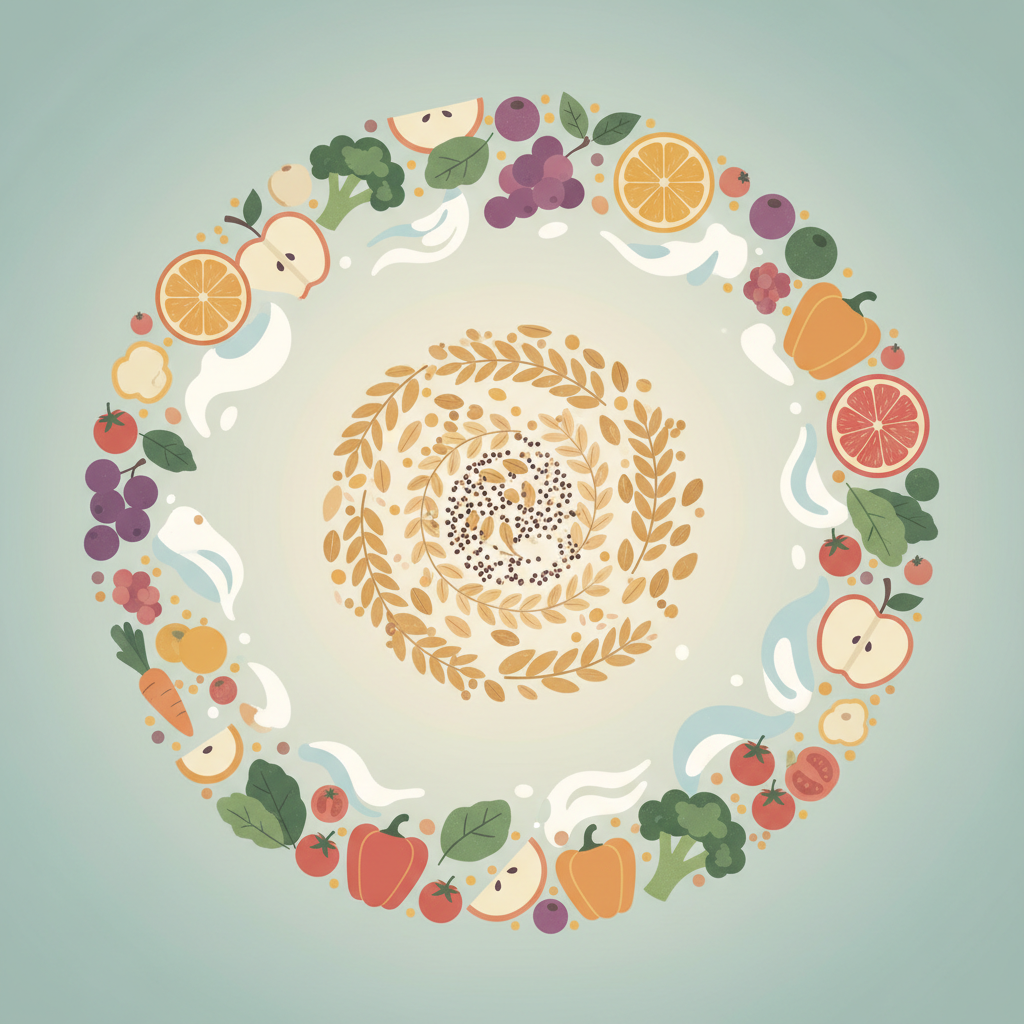
Prebiotics are non-digestible food ingredients that selectively stimulate the growth and activity of beneficial bacteria in the colon. They act as food for probiotics, enhancing their effectiveness. Sources include garlic, onions, leeks, asparagus, and bananas. Combined, probiotics and prebiotics can work synergistically to improve gut health and potentially alleviate endometriosis symptoms.
What lifestyle changes can support gut health and manage endometriosis?
Beyond diet, several lifestyle modifications can significantly support gut health and help manage endometriosis symptoms. Regular physical activity can improve gut motility and reduce stress, both beneficial for the microbiome. Aim for consistent, moderate exercise tailored to your comfort level.
Managing stress is also crucial, as stress can negatively impact gut bacteria and increase inflammation. Techniques like meditation, yoga, deep breathing exercises, and adequate sleep can make a profound difference. Additionally, avoiding smoking and limiting alcohol intake can protect the delicate gut lining and foster a healthier gut environment.
When should I seek specialized care for endometriosis and gut related issues?
If you are experiencing persistent or worsening pelvic pain, severe gastrointestinal symptoms that disrupt your daily life, or if your current management strategies are not providing relief, it is crucial to seek specialized care. A gynecologist specializing in endometriosis can provide an accurate diagnosis and discuss treatment options. For gut specific issues, a gastroenterologist can offer further insights and management plans.
It is also beneficial to consult with a registered dietitian or nutritionist experienced in gut health and endometriosis. They can help you develop a personalized dietary plan that supports your gut microbiome and addresses your specific needs. Remember, a multidisciplinary approach often yields the best outcomes for complex conditions like endometriosis.
What are the current research and challenges in understanding this connection?
Research into the gut microbiome's connection with endometriosis is a rapidly evolving field, offering exciting new insights but also facing challenges. Current studies are actively exploring specific microbial signatures associated with endometriosis and dissecting the precise mechanisms by which gut dysbiosis influences disease progression and pain.
Key challenges include the complexity and individuality of the gut microbiome, the need for larger and more diverse study populations, and standardizing research methodologies. Despite these hurdles, ongoing research holds significant promise for uncovering targeted therapies and personalized interventions. You can also explore platforms like Izana Research for more insights on scientific advancements in reproductive health.
What is the potential for new diagnostic and therapeutic approaches?
The growing understanding of the gut endometriosis axis opens doors for innovative diagnostic and therapeutic approaches. Future diagnostics might involve analyzing gut microbiome profiles to predict endometriosis risk or disease severity, potentially leading to earlier and non invasive detection methods.
Therapeutically, this knowledge could lead to highly personalized interventions such as specific probiotic formulations tailored to individual microbiome imbalances, fecal microbiota transplantation, or novel dietary strategies designed to modulate the estrobolome. These advancements could offer more targeted and effective ways to manage endometriosis symptoms and improve quality of life.
Questions to ask your clinic
- What are the latest treatment options for endometriosis that take a holistic approach?
- How can we assess my gut health and its potential impact on my endometriosis symptoms?
- Are there specific dietary recommendations that could help manage my pain and inflammation?
- Should I consider working with a dietitian experienced in endometriosis and gut health?
- What are the potential benefits and risks of incorporating probiotics or specific supplements into my treatment plan?
- How can we best monitor the effectiveness of any gut focused interventions?
Sources
- Endometriosis and the Gut Microbiome: A Comprehensive Review
- The Role of the Gut Microbiome in Endometriosis
- Gut Microbiota and Endometriosis: A Systematic Review and Meta-Analysis
Improve your reproductive health with a personalised plan tailored to your body. When you join Izana, you’re not just choosing a plan, you’re becoming part of a movement that challenges myths, empowers choices, and builds healthier futures. This journey of understanding the connection between your gut and endometriosis is a profound step toward taking control. Join the Revolution.