- 1Chronic low-grade inflammation is a central, not just symptomatic, feature of PCOS, contributing to hormonal imbalances and insulin resistance.
- 2Key inflammatory markers like C-Reactive Protein (CRP), IL-6, and TNF-α are often elevated in women with PCOS, indicating systemic inflammation.
- 3Factors such as insulin resistance, hyperandrogenism, obesity, oxidative stress, and gut microbiome dysbiosis actively drive inflammation in PCOS.
- 4Inflammation negatively impacts reproductive function, increasing infertility risks and elevating the likelihood of metabolic disorders like type 2 diabetes and cardiovascular disease.
- 5Managing inflammation through lifestyle modifications, including an anti-inflammatory diet focused on whole foods, regular exercise, and stress reduction, is crucial for better PCOS outcomes.
Chronic low-grade inflammation is a fundamental driver in conditions like Polycystic Ovary Syndrome (PCOS) and can exacerbate symptoms in endometriosis, significantly impacting reproductive health. This systemic inflammation contributes to hormone imbalances, insulin resistance, and impaired follicular development, underscoring its critical role in these complex conditions.
When you are navigating the complexities of your reproductive health journey, a diagnosis like Polycystic Ovary Syndrome (PCOS) or even the mention of endometriosis can feel overwhelming. It often comes with a flood of information that can be confusing, leaving you feeling isolated and unsure of your next steps. At Izana, we understand this deeply. We know that behind every medical term is a personal story, a journey filled with hopes, anxieties, and a longing for clarity. Today, we want to shine a light on a crucial, yet often overlooked, aspect of these conditions: inflammation.
It is easy to think of inflammation only when you have a sprain or a fever, but a different, more subtle kind of inflammation, known as chronic low-grade inflammation, plays a significant role in many long term health conditions, including PCOS and endometriosis. Understanding this connection is not just about gaining knowledge, it is about empowering you with insights that can lead to more effective management and a clearer path forward.
Here is what we will explore together in this guide:
- We will define PCOS and explore its widespread impact, acknowledging the unique challenges faced by women in India.
- We will demystify chronic low-grade inflammation, explaining how it differs from acute inflammation and why it is so relevant to your reproductive health.
- We will identify the key inflammatory markers and mediators that scientists look for in PCOS, giving you a deeper understanding of your body.
- We will uncover the various mechanisms that fuel inflammation in PCOS, from insulin resistance to gut health, empowering you to address root causes.
- We will discuss how this inflammation affects fertility and overall well being, helping you connect the dots between your symptoms and systemic processes.
- We will outline practical, evidence based strategies, including diet and lifestyle changes, to manage inflammation and improve your health outcomes.
What is Polycystic Ovary Syndrome (PCOS) and why is it important to understand?
Defining PCOS: What exactly is it?
Polycystic Ovary Syndrome, or PCOS, is a common hormonal disorder affecting millions of women globally, with significant prevalence in India. It is characterized by a combination of factors, including irregular periods, excess androgen levels (often manifesting as acne or unwanted hair growth), and polycystic ovaries (ovaries that may be larger and contain numerous small follicles or cysts). While the name suggests cysts are the primary issue, PCOS is far more complex, involving metabolic and endocrine imbalances.
What are the common signs and symptoms of PCOS?
The symptoms of PCOS can vary widely among individuals, making diagnosis challenging. Common signs include irregular menstrual cycles, which can range from infrequent periods to no periods at all. Many women also experience hyperandrogenism, which leads to symptoms like hirsutism (excessive body hair), severe acne, and sometimes male pattern baldness. Weight gain, particularly around the abdomen, and difficulty losing weight are also frequently reported. Beyond the visible symptoms, PCOS can impact emotional well being, leading to feelings of frustration and distress.
How does chronic low-grade inflammation connect with PCOS?
Understanding chronic low-grade inflammation: What is the difference?
Inflammation is the body's natural defense mechanism. Acute inflammation is a rapid, protective response to injury or infection, characterized by redness, swelling, heat, and pain, and it resolves once the threat is gone. Chronic low-grade inflammation, however, is a prolonged and subtle inflammatory state that does not typically involve overt symptoms like acute inflammation. Instead, it is characterized by a persistent activation of the immune system and a slight, but continuous, elevation of inflammatory markers throughout the body. Unlike acute inflammation, it does not resolve quickly and can silently contribute to various chronic diseases.
Why is inflammation a central feature in PCOS?
Emerging research strongly indicates that chronic low-grade inflammation is not merely a consequence of PCOS, but a core component that actively contributes to its development and severity. This systemic inflammation influences hormone production, exacerbates insulin resistance, and can impair ovarian function, creating a vicious cycle that perpetuates PCOS symptoms. It acts like a slow burning fire within the body, subtly disrupting normal physiological processes crucial for reproductive health and overall well being.
What are the key inflammatory markers and mediators often seen in PCOS?
What is C-Reactive Protein (CRP) and its significance?
C-Reactive Protein (CRP) is one of the most widely studied inflammatory markers in PCOS. It is a protein produced by the liver in response to inflammation. Elevated levels of high sensitivity CRP (hs-CRP) are frequently observed in women with PCOS, even in those who are not overweight. This suggests that systemic inflammation is present independently of obesity and plays a crucial role in the pathophysiology of the syndrome. Monitoring CRP levels can offer insights into the inflammatory status of an individual with PCOS.
How do pro-inflammatory cytokines like IL-6 and TNF-α contribute?
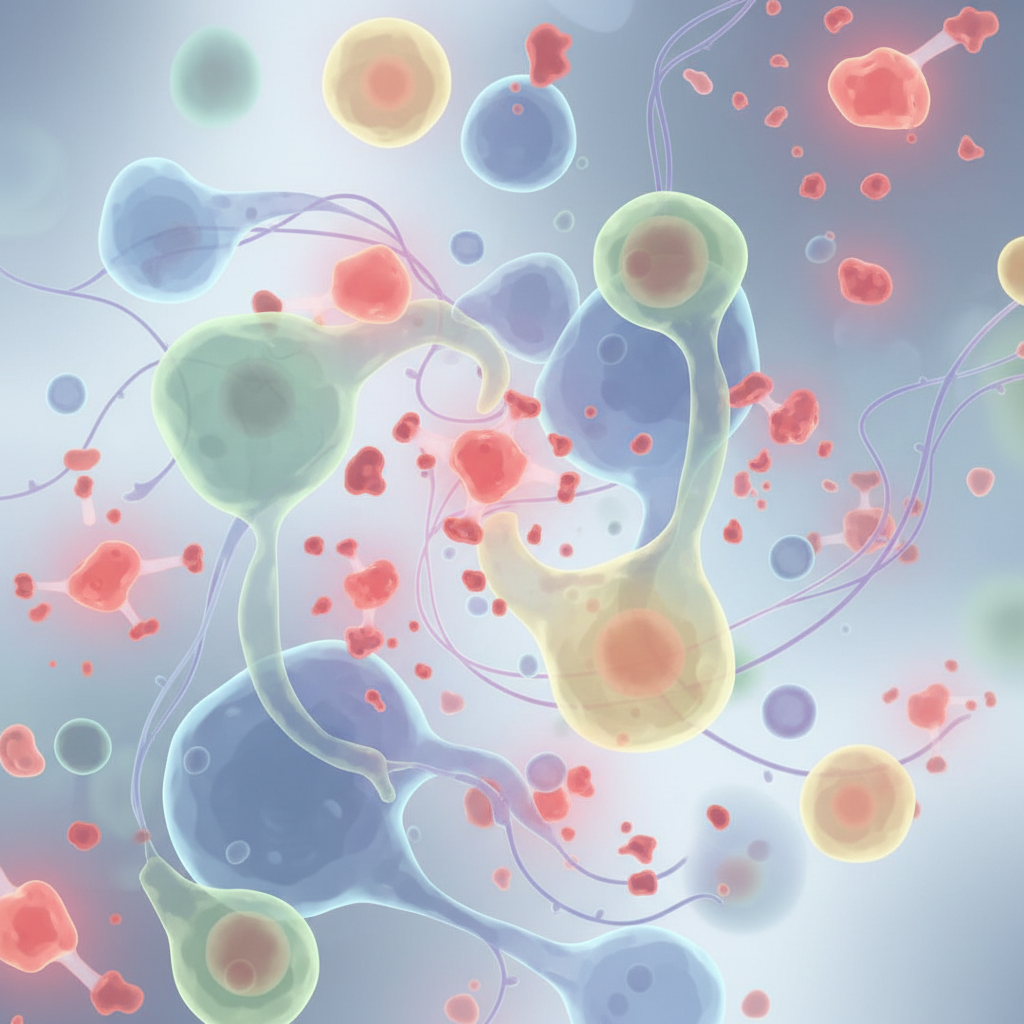
Cytokines are small proteins that act as messengers between cells, coordinating the immune response. In PCOS, there is often an increased production of pro-inflammatory cytokines such as Interleukin 6 (IL-6) and Tumor Necrosis Factor alpha (TNF-α). These cytokines contribute to insulin resistance, disrupt ovarian function, and can interfere with follicular development and oocyte maturation, thereby impacting fertility. Their elevated presence indicates a heightened inflammatory state within the body.
Understanding these markers can help paint a clearer picture of your health. Here is a simplified comparison of typical CRP levels:
| CRP Level Category | Typical hs-CRP Range (mg/L) | Associated Risk Level | Source |
|---|---|---|---|
| Low Risk | Less than 1.0 | Lowest risk of cardiovascular disease | CDC/AHA, 2003 |
| Average Risk | 1.0 to 3.0 | Average risk of cardiovascular disease | CDC/AHA, 2003 |
| High Risk | Greater than 3.0 | Highest risk of cardiovascular disease | CDC/AHA, 2003 |
| Significant Inflammation (often seen in PCOS) | Consistently >3.0, sometimes much higher | Increased risk for metabolic and reproductive issues | Various studies on PCOS |
Note: These values are general guidelines. Individual interpretations should always be made by a healthcare professional.
Are there other inflammatory cells and biomarkers we should know about?
Beyond CRP and specific cytokines, other inflammatory mediators and immune cells are implicated in PCOS. These include increased numbers of white blood cells, particularly monocytes, and elevated levels of adhesion molecules that facilitate immune cell migration to tissues. Markers of oxidative stress, such as malondialdehyde (MDA) and decreased antioxidant capacity, also play a role, as oxidative stress is closely linked to inflammation. These various biomarkers collectively point to a complex, systemic inflammatory environment in PCOS.
What are the primary mechanisms driving inflammation in PCOS?
How do insulin resistance and hyperinsulinemia fuel inflammation?
Insulin resistance is a hallmark of PCOS, affecting a majority of women with the condition, regardless of weight. Think of insulin resistance like a key that does not quite fit the lock anymore, making it harder for cells to absorb glucose. This leads to the pancreas producing more insulin, a condition called hyperinsulinemia. Both insulin resistance and hyperinsulinemia are potent drivers of inflammation. High insulin levels directly stimulate ovarian androgen production and promote the release of pro-inflammatory cytokines, further intensifying the inflammatory cascade and contributing to follicular dysfunction.
What is the role of hyperandrogenism and hormone imbalance?
Hyperandrogenism, the excess production of male hormones like testosterone, is another central feature of PCOS. While commonly associated with symptoms like hirsutism and acne, it also contributes to inflammation. Elevated androgen levels can directly stimulate inflammatory pathways and influence the function of immune cells. This hormonal imbalance creates a pro-inflammatory environment that can affect various body systems, including reproductive organs.
How does obesity and adipose tissue contribute to inflammation?
Obesity is frequently co-occurs with PCOS and significantly amplifies the inflammatory state. Adipose tissue, particularly abdominal fat, is not just a passive energy storage site; it is an active endocrine organ. Obese adipose tissue releases a high amount of pro-inflammatory cytokines, such as TNF-α and IL-6, and adipokines (hormones produced by fat cells) that promote inflammation and insulin resistance. This creates a chronic state of systemic inflammation that worsens PCOS symptoms and metabolic complications.
What is oxidative stress and how does it relate to PCOS inflammation?
Oxidative stress occurs when there is an imbalance between the production of reactive oxygen species (ROS) and the body's ability to detoxify them. In PCOS, increased oxidative stress is common and acts as a significant contributor to inflammation. ROS can damage cells, DNA, and proteins, triggering inflammatory responses and worsening insulin resistance. This interplay creates a cycle where inflammation leads to more oxidative stress, and vice versa, further impairing cellular function and contributing to PCOS pathology.
How does gut microbiome dysbiosis impact inflammation in PCOS?
The gut microbiome, the vast community of microorganisms in your digestive tract, plays an increasingly recognized role in PCOS inflammation. Dysbiosis, an imbalance in the gut bacteria, can lead to a compromised gut barrier, allowing bacterial components to leak into the bloodstream. This triggers a systemic inflammatory response, contributing to insulin resistance and hyperandrogenism. Nurturing a healthy gut microbiome through diet and lifestyle can be a powerful strategy for managing inflammation in PCOS.
What are the impacts and complications of inflammatory PCOS?
How does inflammation affect reproductive function and infertility?
The chronic low-grade inflammation in PCOS has profound effects on reproductive function, significantly contributing to infertility. It disrupts normal follicular development and oocyte maturation within the ovaries, leading to ovulatory dysfunction and irregular periods. Inflammation can also impair the quality of eggs and the uterine environment, making conception more challenging. For those undergoing fertility treatments, managing inflammation can be a crucial step towards improving outcomes.
What are the increased risks of metabolic disorders like type 2 diabetes and cardiovascular disease?
Beyond reproductive challenges, inflammatory PCOS significantly increases the risk of serious long term metabolic disorders. The persistent inflammation, coupled with insulin resistance, makes women with PCOS much more susceptible to developing type 2 diabetes. Furthermore, it contributes to factors like dyslipidemia (unhealthy cholesterol levels) and high blood pressure, elevating the risk of cardiovascular disease. Addressing inflammation early is vital for preventing these long term health complications.
Are there effects on other organ systems, such as the liver or thyroid?
Systemic inflammation in PCOS is not limited to reproductive and metabolic systems; it can impact other vital organs as well. The liver can be affected, increasing the risk of non alcoholic fatty liver disease (NAFLD), which is more prevalent in women with PCOS. There is also a recognized link between PCOS and thyroid dysfunction, particularly autoimmune thyroiditis, where inflammation plays a key role. Additionally, inflammation can influence brain health, impacting mood and cognitive function. This highlights the widespread systemic nature of PCOS and the importance of a holistic approach to management.
What are the effective strategies for managing inflammation in PCOS?
What lifestyle modifications can help manage inflammation?
Empowering yourself with lifestyle changes is one of the most effective ways to combat inflammation in PCOS. Regular physical activity, even moderate exercise like brisk walking or yoga, can significantly reduce inflammatory markers. Stress management techniques such as meditation, deep breathing exercises, and adequate sleep are also crucial, as chronic stress can fuel inflammation. These foundational changes support overall health and create a less inflammatory internal environment. You can explore more about evidence based approaches on Izana's research page.
What anti-inflammatory diet recommendations are beneficial for PCOS?
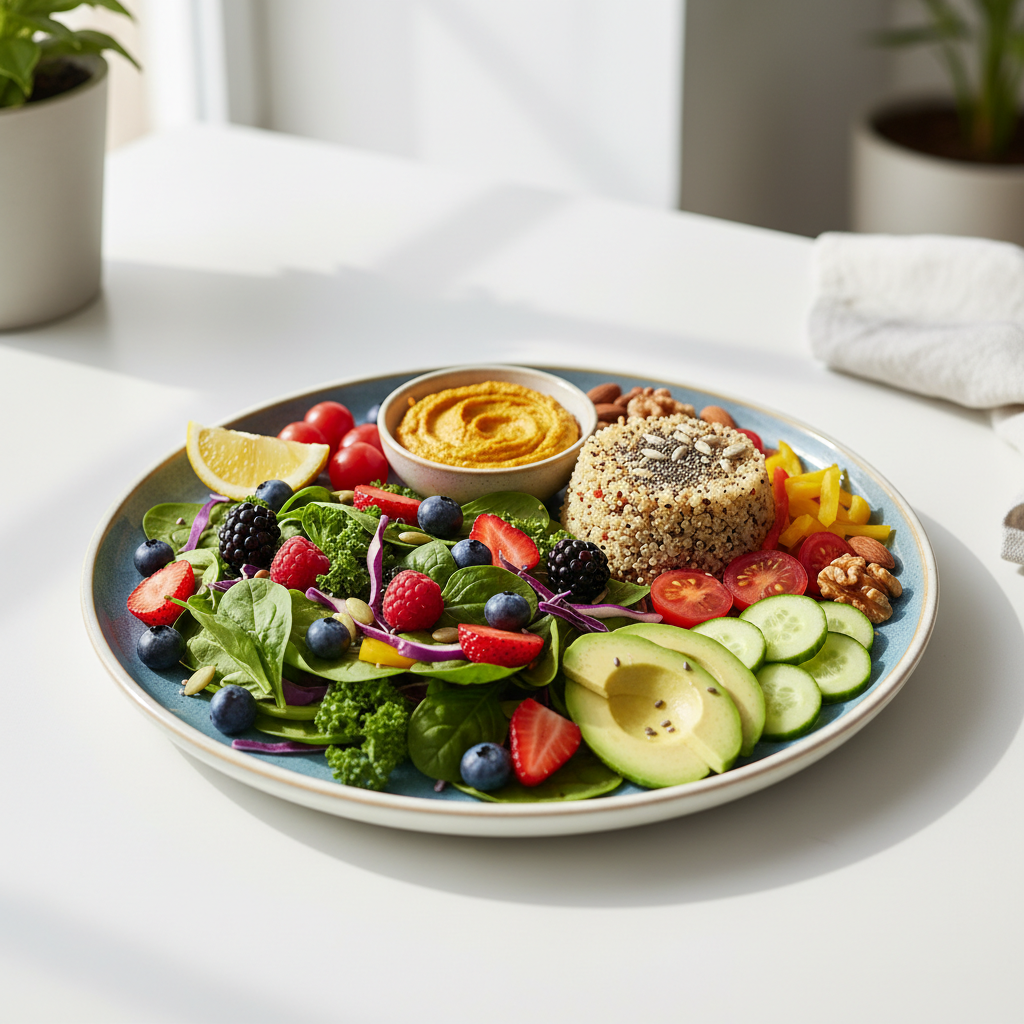
Adopting an anti-inflammatory diet is a cornerstone of managing PCOS. Focus on whole, unprocessed foods rich in antioxidants and omega-3 fatty acids. This includes plenty of colorful fruits and vegetables, whole grains (like brown rice, quinoa, millets which are common in Indian diets), lean proteins (like lentils, chickpeas, tofu, fish), and healthy fats (avocado, nuts, seeds, olive oil). Limiting refined sugars, processed foods, and unhealthy fats can dramatically reduce inflammatory triggers. For our Indian audience, incorporating traditional foods like turmeric, ginger, and fenugreek, known for their anti-inflammatory properties, can be particularly beneficial. Understanding your body's unique needs through personalized support, like that offered by Izana's AI driven daily companion, can make this journey easier and more effective.
Are there emerging therapeutic approaches or future directions in treatment?
The scientific community continues to explore new therapeutic avenues for managing inflammation in PCOS. These include specific dietary supplements, gut microbiome targeted interventions, and novel pharmacological agents that directly target inflammatory pathways. While these are promising, they are still under research and should always be discussed with a healthcare provider. The future of PCOS management lies in personalized approaches that consider an individual's unique inflammatory profile and overall health status, moving beyond a one size fits all model.
Questions to ask your clinic about inflammation and PCOS
- Could inflammation be contributing to my specific PCOS symptoms?
- Are there any inflammatory markers you recommend I have tested, such as hs-CRP?
- What dietary changes do you suggest to reduce inflammation in my case?
- Are there specific exercises or stress management techniques that could be particularly helpful for me?
- How does inflammation impact my fertility outlook and potential treatment options?
- Should I consider any supplements known for their anti-inflammatory properties, and are there any I should avoid?
Conclusion: Why addressing inflammation is crucial for better PCOS outcomes
Understanding the pervasive role of chronic low-grade inflammation in PCOS is a powerful step towards regaining control over your health. It is not just about managing symptoms, it is about addressing a fundamental mechanism that drives the condition. By focusing on anti-inflammatory strategies, you can improve not only your reproductive health and fertility prospects, but also mitigate the risks of long term metabolic complications and enhance your overall quality of life. We are here to walk this path with you, simplifying the complex science and empowering you with actionable insights.
Improve your reproductive health with a personalised plan tailored to your body. When you join Izana, you are not just choosing a plan — you are becoming part of a movement that challenges myths, empowers choices, and builds healthier futures. Join the Revolution!
Sources
- González, F., et al. (2022). Inflammation and PCOS: A critical review. Journal of Clinical Endocrinology & Metabolism, 107(4), e1578-e1590.
- Li, R., et al. (2021). Inflammation, gut microbiota, and Polycystic Ovary Syndrome: A systematic review. Frontiers in Endocrinology, 12, 638914.
- Centers for Disease Control and Prevention. (2003). C-Reactive Protein (CRP) Levels. Retrieved from CDC/AHA Scientific Statement.