- 1Understand the four distinct phases of your menstrual cycle: menstrual, follicular, ovulation, and luteal.
- 2Recognise the pivotal roles of hormones like estrogen, progesterone, FSH, and LH in orchestrating your cycle.
- 3Learn how tracking your cycle empowers you to identify your fertility window and detect irregularities.
- 4Connect your cycle to overall well being, including mood and energy, and learn strategies to support yourself.
- 5Identify when to seek professional medical advice for persistent symptoms or irregularities.
We understand. The journey to understanding your own body can sometimes feel like navigating a complex map without a compass. When it comes to your menstrual cycle, the information out there can be overwhelming, fragmented, and often leaves you feeling more confused than empowered. You might be experiencing irregular cycles, discomfort, or simply trying to understand how your body works for fertility, and feeling isolated in that struggle. At Izana, we believe knowledge is power, and you deserve a clear, empathetic guide to decode the science of your body. We are here to simplify the complex, offering you the wisdom of a sage with the heart of a caregiver, so you feel confident and supported every step of the way.
Your menstrual cycle is far more than just your period. It is a sophisticated symphony orchestrated by your hormones, influencing not only your reproductive health but also your energy, mood, and overall well being. By truly understanding its phases, you gain invaluable insight into your body's rhythm, helping you identify what is normal for you and when something might need attention. This guide will walk you through the four essential phases of your menstrual cycle, demystifying the science so you can embrace your body's natural intelligence with confidence.
Here is what we will explore together in this guide:
- The menstrual cycle is a month long hormonal journey preparing your body for potential pregnancy, affecting mood, energy, and physical sensations.
- It consists of four distinct phases: menstrual, follicular, ovulation, and luteal, each driven by specific hormonal shifts.
- Key hormones like estrogen, progesterone, FSH, and LH regulate these phases, orchestrating the growth of an egg and the thickening of the uterine lining.
- Tracking your cycle empowers you to understand your fertility window, identify patterns, and recognise when to seek professional advice.
- Understanding your cycle is a powerful tool for overall reproductive health, allowing you to partner with your body and make informed decisions.
What is the Menstrual Cycle?
Imagine your body as a meticulously designed ecosystem, and your menstrual cycle as its monthly rhythm. Far from being just about bleeding, it is a recurring series of changes your body goes through each month in preparation for a possible pregnancy. This remarkable biological process is orchestrated by a delicate interplay of hormones, primarily produced by your brain and ovaries. It is a clear sign of reproductive health when it functions optimally, and understanding its nuances is key to feeling connected to your body.
Typically, a menstrual cycle is counted from the first day of your period (menstruation) up to the first day of your next period. The average cycle length is around 28 days, but it is entirely normal for this to vary. Some women experience cycles as short as 21 days or as long as 35 days. What is most important is recognising your unique pattern. This cycle is not just about your reproductive organs; it has a profound impact on your entire system, influencing your energy levels, mood, sleep, and even your cognitive functions.
The Four Phases of the Menstrual Cycle
To truly understand your menstrual cycle, let us break it down into its four main acts. Each phase has a distinct role, driven by the rise and fall of specific hormones, preparing your body for the possibility of conception. Think of it like a carefully choreographed dance, with each hormone playing its part.
Menstrual Phase
This is often the most noticeable phase, marked by menstrual bleeding, and it is the first act of your cycle. It begins on Day 1 of your period and typically lasts between 3 to 7 days. What is happening here? If pregnancy did not occur in the previous cycle, the lining of your uterus, known as the endometrium, which had thickened in anticipation, is no longer needed. So, your body gently sheds it, leading to the menstrual bleeding you experience.
During this phase, levels of the hormones estrogen and progesterone are at their lowest. This drop in hormones is what signals your uterus to shed its lining. While this phase can sometimes bring discomfort like cramps, bloating, and fatigue, it is a completely natural and essential part of your body's cycle, clearing the way for a fresh start.
Follicular Phase
As your menstrual bleeding tapers off, your body immediately begins preparing for the next potential pregnancy. This is the follicular phase, which overlaps with and begins on the first day of your period, continuing until ovulation. Its length can vary significantly, usually lasting about 11 to 27 days.
The key players here are two hormones released by your pituitary gland in the brain: follicle stimulating hormone (FSH) and luteinizing hormone (LH). FSH acts like a gentle coach, prompting several tiny sacs in your ovaries, called follicles, to begin maturing. Each follicle contains an immature egg. As these follicles grow, they start to produce estrogen. Estrogen is the star of this phase, working to rebuild and thicken the uterine lining, creating a nutrient rich environment that would be ready to nourish a fertilised egg. Think of it like preparing a cosy, comfortable bed for a potential new guest.
Ovulation Phase
This is arguably the most exciting part of the cycle, and often the shortest, lasting only 24 to 48 hours. Ovulation is when a mature egg is released from the ovary, ready to be fertilised. How does this happen? As estrogen levels rise steadily during the follicular phase, they eventually reach a peak. This peak signals the brain to release a surge of luteinizing hormone (LH), known as the LH surge.
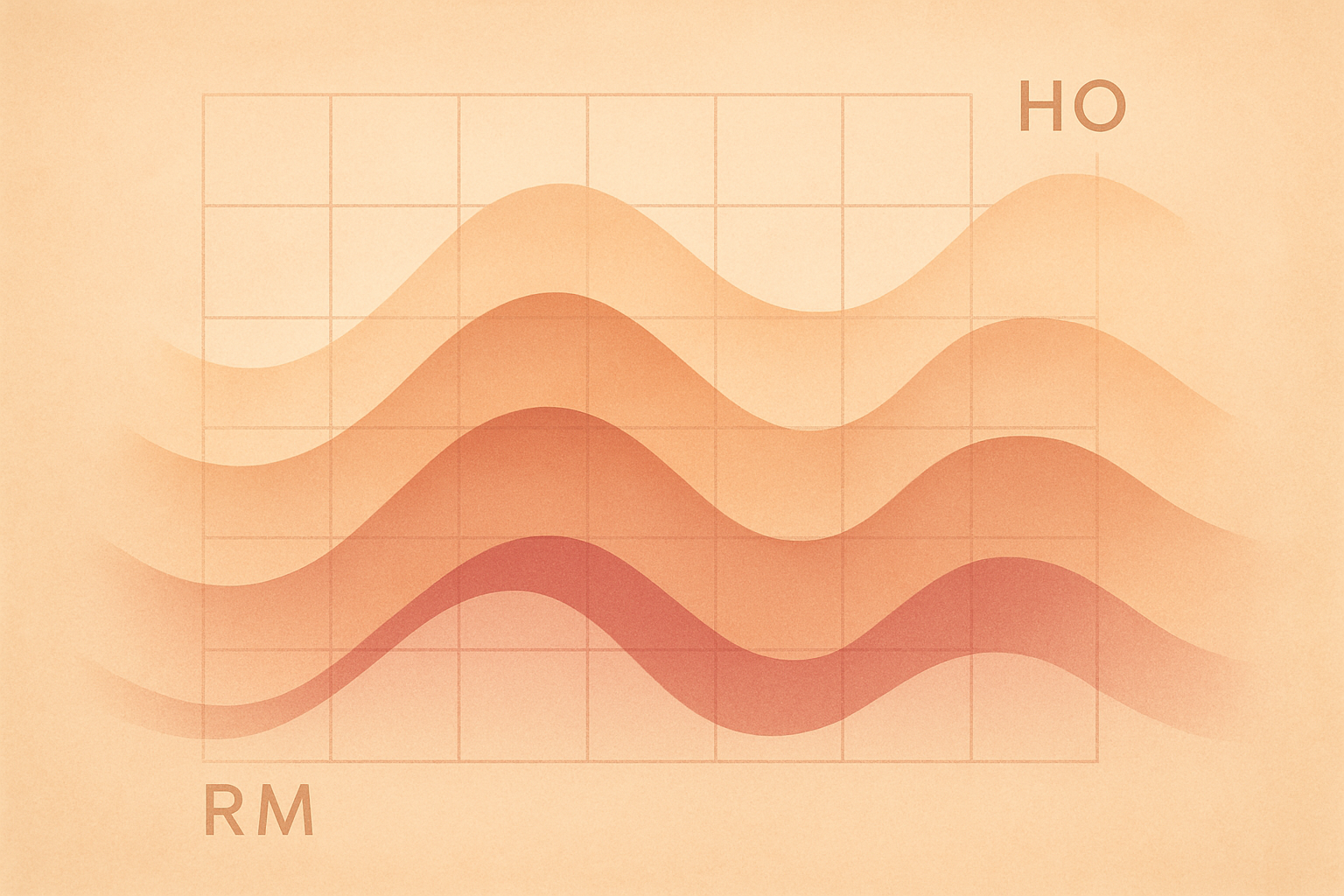
The LH surge is like the final push that causes the dominant follicle to rupture and release its egg. The egg then travels down the fallopian tube, where it can survive for about 12 to 24 hours, awaiting fertilisation. This is your most fertile window. For those trying to conceive, understanding when ovulation occurs is incredibly important, as it pinpoints the best time for conception. You might notice subtle signs like a change in cervical mucus texture or a slight increase in basal body temperature during this time.
Luteal Phase
After the egg has been released, the follicle that previously held the egg transforms into a temporary structure called the corpus luteum. This marks the beginning of the luteal phase, which typically lasts about 11 to 17 days, ending just before your next period. The corpus luteum has a crucial job: it produces large amounts of progesterone, along with some estrogen.
Progesterone is the primary hormone of this phase. Its role is to further prepare and maintain the thickened uterine lining, making it even more hospitable for a fertilised egg to implant. It also signals your body to hold onto that lining. If conception occurs, the corpus luteum continues to produce progesterone, supporting the early pregnancy until the placenta takes over. However, if pregnancy does not happen, the corpus luteum eventually breaks down. This leads to a sharp drop in both progesterone and estrogen levels, which in turn triggers the shedding of the uterine lining, bringing us back to the menstrual phase and the start of a new cycle.
Hormonal Regulation and Feedback
The entire menstrual cycle is a marvel of biological precision, regulated by an intricate hormonal feedback system involving the brain and ovaries. It is often referred to as the "hypothalamic pituitary ovarian axis" (HPO axis). Your hypothalamus, a small but mighty part of your brain, releases gonadotropin releasing hormone (GnRH). GnRH then stimulates the pituitary gland, also in your brain, to release FSH and LH.
FSH and LH then act on your ovaries, prompting follicle growth and egg maturation, as we discussed. As the follicles grow, they produce estrogen. Estrogen, in turn, provides feedback to the hypothalamus and pituitary. Low levels of estrogen encourage more FSH and LH production, while high levels, especially before ovulation, trigger the LH surge. After ovulation, progesterone from the corpus luteum helps maintain the uterine lining and also sends negative feedback, inhibiting the release of GnRH, FSH, and LH, ensuring that another egg is not matured during this period. This continuous loop ensures your body is always in sync.
Common Symptoms and Variations
We know how uniquely each body responds to these hormonal fluctuations. While the underlying science is consistent, your experience of the menstrual cycle can be highly personal. It is normal to experience a range of physical and emotional changes throughout the month.
Physical Changes and Symptoms
Many women experience various physical symptoms. During the menstrual phase, common symptoms include abdominal cramps, back pain, bloating, headaches, and fatigue due to the shedding of the uterine lining. As you move into the follicular phase, estrogen often brings a sense of increased energy and improved mood. Around ovulation, some might feel a slight twinge or pain in their lower abdomen, known as mittelschmerz, or notice changes in cervical mucus that becomes clear and stretchy, resembling egg whites. The luteal phase, with its rise in progesterone, often brings symptoms associated with premenstrual syndrome (PMS), such as breast tenderness, bloating, cravings, and fatigue. These are all part of the body's natural response to hormonal shifts.
Emotional and Cognitive Effects
It is not just your body that responds to your cycle; your mind and emotions are deeply intertwined with these hormonal shifts. During the follicular phase and around ovulation, many women report feeling more energetic, sociable, and focused, often attributed to higher estrogen levels. As progesterone rises in the luteal phase and then drops sharply before menstruation, mood swings, irritability, anxiety, and feelings of sadness are common experiences of PMS. For some, these symptoms can be severe enough to significantly impact daily life, a condition known as premenstrual dysphoric disorder (PMDD). Understanding these patterns can help you anticipate and manage your emotional well being throughout the month, fostering self compassion and tailored self care strategies.
Tracking Your Menstrual Cycle
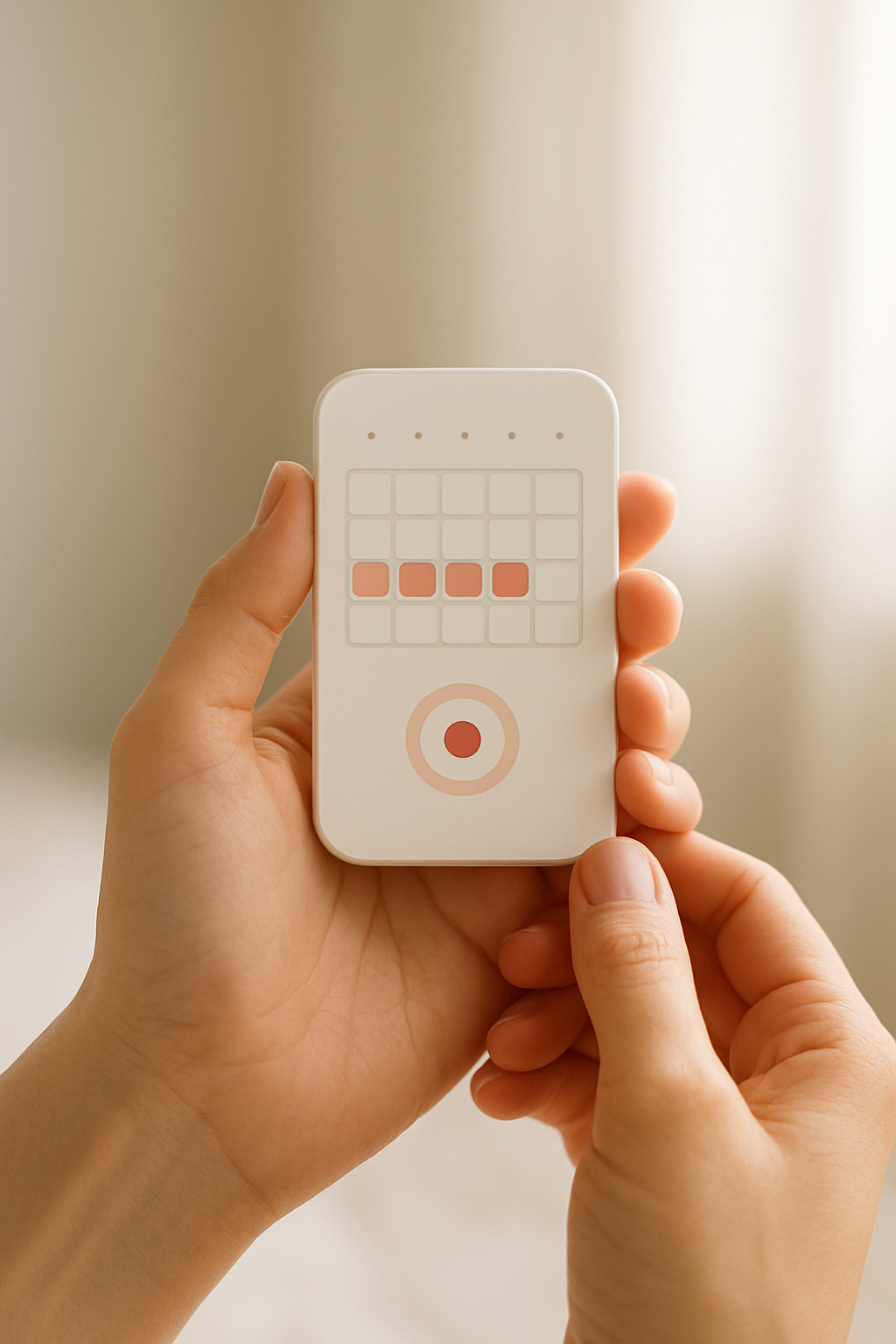
One of the most empowering things you can do for your reproductive health is to track your menstrual cycle. This is not about rigid adherence to numbers, but about building a relationship with your body's unique language. By consistently recording information, you create a powerful data set that can reveal patterns, highlight irregularities, and inform your health decisions.
What should you track? Start with the basics: the first day of your period, its length, and the heaviness of your flow. Beyond that, consider noting any physical symptoms like cramps, headaches, breast tenderness, or bloating. Emotional shifts, energy levels, and sleep quality are also valuable observations. For those focusing on fertility, tracking basal body temperature (BBT) a slight rise can indicate ovulation and observing changes in cervical mucus are key indicators. Many apps and simple calendar methods are available to help you record this information easily. Regular tracking helps you understand your typical cycle length, identify your fertile window, and spot any significant changes that might warrant a conversation with a healthcare provider. It transforms confusion into clarity.
When to See a Healthcare Provider
While variations in the menstrual cycle are common, there are times when it is wise to seek professional medical advice. If your cycle length consistently falls outside the 21 to 35 day range, if your periods suddenly become much heavier or lighter, if you experience severe pain that interferes with daily life, or if your periods suddenly stop when you are not pregnant or going through menopause, these are all valid reasons to speak to a doctor. Persistent or severe symptoms of PMS or PMDD also warrant a conversation, as there are often effective strategies for management. Remember, your healthcare provider is there to help you understand your body and address any concerns you may have, ensuring your reproductive health is supported.
Clinical Considerations and Abnormalities
Sometimes, the intricate dance of the menstrual cycle can go awry, leading to what we call menstrual irregularities. Conditions such as Polycystic Ovary Syndrome (PCOS), endometriosis, or thyroid disorders can significantly impact the regularity and experience of your cycle. For example, PCOS is characterised by hormonal imbalances that can lead to irregular or absent periods, excess androgen production, and often the presence of small cysts on the ovaries (Mayo Clinic, 2023). Endometriosis involves tissue similar to the uterine lining growing outside the uterus, causing severe pain and sometimes affecting fertility (ACOG, 2023). Thyroid dysfunction, on the other hand, can disrupt the delicate hormonal balance that regulates your cycle. If you are experiencing persistent irregularities or severe symptoms, exploring these possibilities with a healthcare provider is an important step towards accurate diagnosis and effective management. Early understanding and intervention can make a significant difference in your long term reproductive well being.
The Brain and Menstrual Cycle Connection
It is truly fascinating to consider how deeply your brain is involved in your menstrual cycle, extending beyond just hormone regulation. The continuous ebb and flow of hormones like estrogen and progesterone have a direct impact on brain chemistry and function. Estrogen, for instance, is known to influence neurotransmitters like serotonin and dopamine, which play crucial roles in mood, sleep, and appetite. This is why you might experience enhanced cognitive function and a more positive mood during the follicular phase when estrogen levels are higher.
Conversely, the drop in estrogen and progesterone before menstruation can lead to imbalances in these neurotransmitters, contributing to the emotional and cognitive symptoms of PMS and PMDD. Understanding this brain body connection can help you approach your monthly fluctuations with greater empathy for yourself, recognising that your experiences are not "all in your head" but rather a physiological response to powerful hormonal shifts. This awareness empowers you to implement targeted self care strategies that support your brain and body throughout the month.
Supporting Your Health Throughout the Cycle
Embracing the wisdom of your cycle means actively supporting your body's needs in each phase. This is where holistic well being truly shines. Throughout your cycle, prioritising balanced nutrition is key. For example, during your menstrual phase, iron rich foods can help replenish what is lost during bleeding. In the follicular phase, focusing on whole grains, lean proteins, and healthy fats supports egg development. The luteal phase might call for nutrient dense foods that help stabilise blood sugar and reduce cravings. Hydration is always important.
Beyond diet, regular physical activity, tailored to your energy levels, can be beneficial. Gentle exercise during menstruation, and more vigorous activity when energy is high in the follicular phase, can make a difference. Stress management techniques like meditation or yoga are invaluable, as chronic stress can disrupt hormonal balance. Prioritising quality sleep is also crucial for overall hormonal regulation. By listening to your body and adjusting your lifestyle to support its changing needs, you empower yourself to navigate your cycle with greater ease and vitality. This conscious approach helps you feel more in control and less at the mercy of your hormones, transforming your cycle from a mystery into a roadmap for well being.
At Izana, we believe that understanding your body's language is the first step towards a healthier, more empowered reproductive journey. We are here to provide the insights, tools, and compassionate support you need to navigate this path with clarity and confidence. Improve your reproductive health with a personalised plan tailored to your body. When you join Izana, you’re not just choosing a plan. You’re becoming part of a movement that challenges myths, empowers choices, and builds healthier futures. Join the Revolution
References
American College of Obstetricians and Gynecologists (ACOG). (2023). Endometriosis. Available at: https://www.acog.org/womens-health/faqs/endometriosis (Accessed: 15 October 2023).
Mayo Clinic. (2023). Polycystic ovary syndrome (PCOS). Available at: https://www.mayoclinic.org/diseases-conditions/pcos/symptoms-causes/syc-20353433 (Accessed: 15 October 2023).
National Institute of Child Health and Human Development (NICHD). (2023). The Menstrual Cycle. Available at: https://www.nichd.nih.gov/health/topics/menstruation/conditioninfo/cycle (Accessed: 15 October 2023).