- 1Submucosal fibroids, growing into the uterine cavity, have the strongest association with infertility and miscarriage, significantly impacting embryo implantation.
- 2Myomectomy, a surgical procedure to remove fibroids while preserving the uterus, is often the preferred treatment for women seeking to improve their fertility.
- 3Uterine fibroids affect up to 70-80% of women by age 50, but their impact on fertility depends largely on their size, number, and crucial location within the uterus.
- 4Heavy menstrual bleeding is a common symptom of fibroids, often leading to anemia, and diagnostic methods include ultrasound, MRI, and hysteroscopy.
- 5Post-myomectomy, a waiting period of several months before conception is typically recommended to allow for proper uterine healing and minimise risks during pregnancy.
What Are Uterine Fibroids and How Do They Affect Fertility?
Embarking on the path to parenthood can often feel like navigating a complex maze, especially when unexpected challenges arise. If you have been told you have uterine fibroids, or even if you suspect you might, the news can bring a wave of confusion, anxiety, and a cascade of questions about what this means for your dream of starting or expanding your family. You are not alone in this. Millions of individuals worldwide, particularly in India, experience uterine fibroids, and we understand how overwhelming it can feel to grapple with this diagnosis while also trying to conceive.
At Izana, we are here to be your brilliant, trusted friend, to shine a light on the intricate world of uterine fibroids. We want to empower you with clear, evidence-based information, delivered with profound empathy, so you can navigate your journey with confidence and clarity. Let us walk through this together, demystifying fibroids and understanding their relationship with your fertility.
- Uterine fibroids, also known as leiomyomas or myomas, are common non-cancerous growths of the uterus, varying widely in size and location.
- Their impact on fertility largely depends on their size, number, and crucially, their location within the uterus, especially submucosal fibroids which can significantly affect implantation and pregnancy.
- Symptoms range from heavy menstrual bleeding and pelvic pain to infertility, making early diagnosis crucial through methods like ultrasound, MRI, and hysteroscopy.
- Treatment options vary from medical management to surgical interventions like myomectomy, designed to preserve or improve fertility.
- Understanding your unique body and consulting with specialists is key to developing a personalised plan to manage fibroids and optimise your reproductive health.
What are Uterine Fibroids?
Imagine your uterus, a pear-shaped organ, as a finely tuned instrument for reproduction. Uterine fibroids, scientifically known as leiomyomas or simply myomas, are non-cancerous, muscular growths that develop within its walls. These are remarkably common, affecting a significant portion of women of reproductive age, though many may never even know they have them because they cause no symptoms. Fibroids are not cancerous, and they do not increase your risk of uterine cancer.
Fibroids can be tiny, like a seed, or grow to be quite large, like a grapefruit, sometimes even larger. You might have just one, or you might have many, scattered throughout your uterus. Their size and number can change over time, and they often grow slowly over years. While they are usually harmless, their presence can sometimes lead to uncomfortable symptoms or, critically for many, impact fertility and pregnancy.
Types of Fibroids
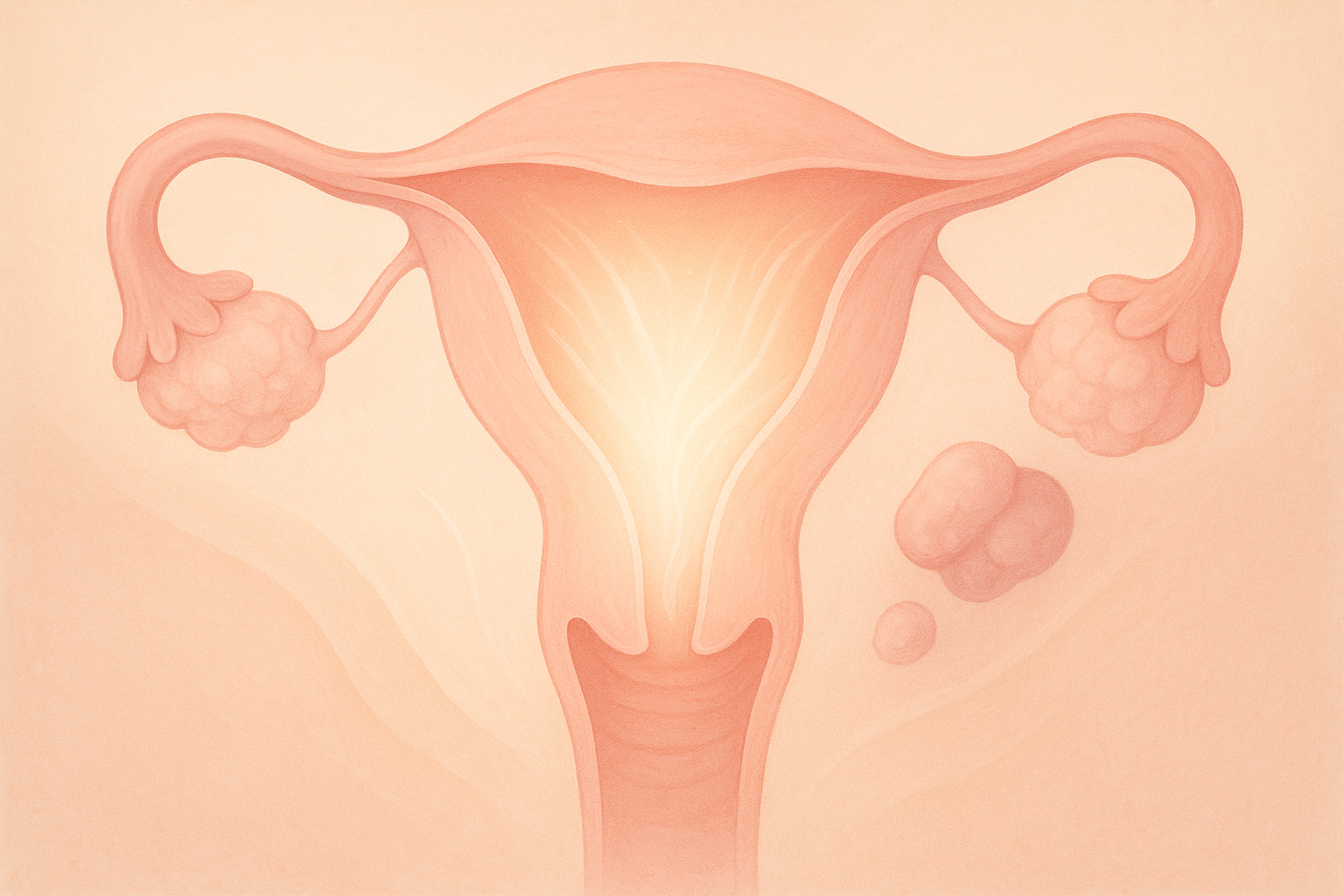
Understanding the different types of fibroids is crucial, as their location largely dictates their potential impact on your body and your reproductive journey. Think of the uterus as having layers, and fibroids can grow in various spots:
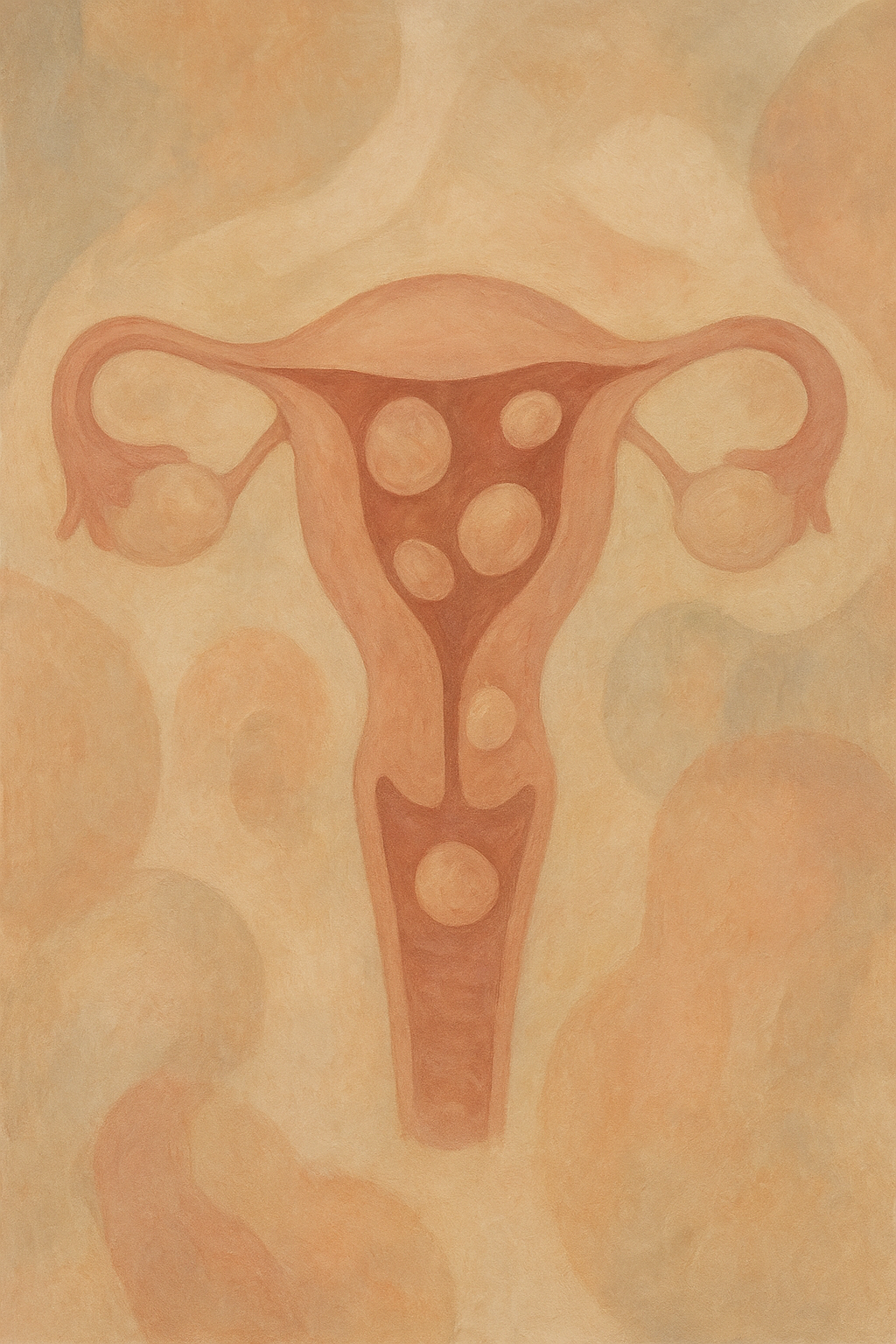
- Submucosal Fibroids: These are the rebels that grow directly into the uterine cavity, the inner lining where a baby would implant and grow. Even small submucosal fibroids can have a significant effect on fertility because they directly interfere with the uterine lining. They can distort the shape of the uterine cavity, making it difficult for an embryo to attach or for a pregnancy to be carried to term.
- Intramural Fibroids: These are the most common type, growing within the muscular wall of the uterus itself. Think of them embedded deep within the pear's flesh. If they are small, they might not cause issues. However, if they grow large, they can stretch and distort the uterus, potentially affecting the uterine cavity or fallopian tubes, or impacting uterine peristalsis, the gentle wave-like contractions that help egg and sperm meet.
- Subserosal Fibroids: These fibroids develop on the outer surface of the uterus. They can bulge outwards, but they generally do not affect the uterine cavity directly. They are less likely to impact fertility unless they grow very large and press on other organs or fallopian tubes, although this is less common.
- Pedunculated Fibroids: These are either submucosal or subserosal fibroids that have a stalk, or peduncle, attaching them to the uterus. Imagine a mushroom growing out from the uterine wall. Pedunculated subserosal fibroids are typically less concerning for fertility, while pedunculated submucosal fibroids can still affect the uterine cavity.
Causes and Risk Factors
While the exact cause of uterine fibroids is not fully understood, we do know that several factors play a role in their development and growth. It is believed that fibroids arise from a single stem cell in the muscular wall of the uterus, which then divides repeatedly, creating a firm, rubbery mass. Key influences include:
- Hormones: Estrogen and progesterone, the two main female reproductive hormones, are central to fibroid growth. Fibroids tend to grow during a woman's reproductive years when hormone levels are higher, and often shrink after menopause when hormone production significantly decreases.
- Genetics: If your mother or sister had fibroids, you are at a higher risk of developing them too. This suggests a strong genetic predisposition.
- Other Factors: Factors like obesity, a diet high in red meat and low in green vegetables, and even vitamin D deficiency have been linked to an increased risk of fibroids. Race also plays a role, with women of African descent having a higher incidence and often developing fibroids at a younger age.
How Common are Fibroids?
Uterine fibroids are incredibly common, though precise numbers vary by study and population. It is estimated that up to 70-80% of women will develop fibroids by age 50. However, many of these women will never experience symptoms or require treatment. The prevalence is particularly high in India, where studies show a significant percentage of women diagnosed with fibroids, often presenting with symptoms that impact their quality of life and reproductive health. This is why understanding them is so important for our community.
Symptoms and Diagnosis
The experience of uterine fibroids is highly individual. Some women live with fibroids for years without any noticeable symptoms, while for others, they can cause significant discomfort and impact daily life, often leading them to seek medical attention. Recognizing the signs and understanding how they are diagnosed is the first step toward effective management.
Symptoms of Uterine Fibroids
The symptoms you experience depend on the fibroids' location, size, and number. Common symptoms include:
- Heavy menstrual bleeding: This is one of the most common and distressing symptoms, often leading to anemia. Periods can be prolonged, with excessive bleeding and large blood clots.
- Pelvic pain and pressure: A feeling of fullness, pressure, or discomfort in the lower abdomen. This can range from a dull ache to sharp pain, especially during menstruation or intercourse.
- Increased urinary frequency or difficulty emptying the bladder: Large fibroids can press on the bladder, leading to these urinary issues.
- Constipation: Fibroids pressing on the rectum can cause this.
- Backache or leg pain: If fibroids press on nerves in the back.
- Pain during intercourse (dyspareunia).
- Infertility or recurrent miscarriage: This is a major concern for many, which we will delve into further.
Diagnostic Methods
Diagnosing uterine fibroids typically begins with a pelvic exam, where your doctor may feel irregularities in the shape of your uterus. To confirm the diagnosis and assess the fibroids' characteristics, several imaging and procedural methods are used:
- Ultrasound: This is usually the first line of investigation. It uses sound waves to create images of your uterus and ovaries, revealing the presence, size, and location of fibroids. Both transabdominal (over the abdomen) and transvaginal (probe inserted into the vagina) ultrasounds provide detailed views.
- Magnetic Resonance Imaging (MRI): An MRI provides a more detailed image of the uterus, offering a clearer picture of the size, number, and exact location of fibroids, and helping to distinguish them from other conditions. It is particularly useful for surgical planning.
- Hysteroscopy: This procedure involves inserting a thin, lighted scope through the vagina and cervix into the uterine cavity. It allows your doctor to directly visualise the inside of your uterus and identify submucosal fibroids that may be affecting implantation or causing heavy bleeding.
- Laparoscopy: In some cases, a minimally invasive surgical procedure called laparoscopy may be used. A small incision is made, and a tiny camera is inserted to view the outside of the uterus and identify subserosal fibroids. This is less common purely for diagnosis but is often part of surgical treatment.
Fibroids and Fertility
This is where the path can feel most challenging for many of you. While not all fibroids impact fertility, for some, they can present significant roadblocks on the journey to conception. Understanding how fibroids interfere is key to exploring the right solutions for your body.
How Fibroids Affect Fertility
The relationship between fibroids and infertility is complex and depends heavily on the fibroids' characteristics. Here is what we know:
- Distortion of the Uterine Cavity: This is arguably the most significant impact. Fibroids, especially submucosal ones, can distort the normal shape of the uterine cavity. Think of it like trying to plant a seed in uneven, bumpy soil. This can interfere with embryo implantation, making it difficult for a fertilised egg to properly attach to the uterine lining.
- Altered Uterine Peristalsis: The uterus naturally undergoes gentle wave-like contractions (uterine peristalsis) that help transport sperm towards the fallopian tubes and also assist in embryo implantation. Large intramural fibroids can disrupt these movements, hindering the delicate process of conception.
- Blood Flow Issues: Fibroids can alter the blood flow to the uterine lining, potentially compromising its receptivity for embryo implantation. A healthy blood supply is crucial for nurturing an early pregnancy.
- Inflammation: Fibroids can create a local inflammatory environment within the uterine cavity, which might be hostile to an implanting embryo.
- Fallopian Tube Blockage: Though less common, very large fibroids can potentially block or compress the fallopian tubes, preventing the egg from travelling to meet sperm or blocking the fertilised egg's journey to the uterus.
It is important to remember that many women with fibroids conceive naturally and have healthy pregnancies. The concern about infertility primarily arises with specific types and locations of fibroids.
Impact of Fibroid Location on Fertility
We cannot stress this enough: location is everything when it comes to fibroids and fertility. Let us reiterate:
- Submucosal fibroids, even small ones, have the strongest association with infertility and recurrent miscarriage because they directly impinge upon the uterine cavity. Studies show that removal of these fibroids significantly improves pregnancy rates.
- Intramural fibroids, particularly those that are large or significantly distort the uterine cavity, are also linked to reduced fertility. If they are small and do not distort the cavity, their impact might be minimal.
- Subserosal fibroids typically do not affect fertility unless they are very large and exert pressure on surrounding structures.
Pathophysiology of Fibroid-related Infertility
The exact mechanisms by which fibroids impair fertility are multifaceted and still being researched. Beyond the physical distortion and altered uterine peristalsis, fibroids are also thought to create an environment less conducive to conception and sustained pregnancy. This includes changes in endometrial blood flow and vascularisation, altered expression of adhesion molecules essential for implantation, and an inflammatory response within the endometrium. Essentially, the presence of fibroids can disrupt the intricate balance required for successful implantation and early embryonic development, making the uterine cavity a less welcoming home for a developing embryo.
Fibroids and Pregnancy
For those who do conceive with fibroids, a new set of considerations arises. While many pregnancies with fibroids proceed without complications, it is important to be aware of the potential effects and risks. Your medical team will monitor your pregnancy closely to ensure the best possible outcomes.
Effects of Fibroids During Pregnancy
During pregnancy, the high levels of estrogen and progesterone can cause fibroids to grow, particularly in the first trimester. This growth can sometimes lead to acute pain if the fibroid outgrows its blood supply, a condition known as "red degeneration." This pain can be managed with rest and pain relief, but it is important to be evaluated by your doctor.
Risks and Complications
While most pregnancies with fibroids are uneventful, there are some potential risks:
- Pain: As mentioned, red degeneration can cause significant pain.
- Miscarriage: Some studies suggest an increased risk of miscarriage, especially with submucosal fibroids.
- Preterm birth: Fibroids may increase the risk of delivering prematurely.
- Placental abruption: In rare cases, fibroids can increase the risk of the placenta separating from the inner wall of the uterus before birth, a serious condition.
- Fetal malpresentation: Large fibroids can sometimes interfere with the baby's position in the uterus, potentially leading to a breech presentation.
- Need for Cesarean section: Fibroids, particularly those in the lower part of the uterus, can block the birth canal, necessitating a C-section.
- Postpartum hemorrhage: Fibroids can sometimes interfere with the uterus's ability to contract effectively after birth, increasing the risk of heavy bleeding.
Your doctor will closely monitor the size and location of your fibroids throughout your pregnancy and discuss any potential implications with you.
Treatment Options
The good news is that there are many ways to manage uterine fibroids, ranging from watchful waiting to surgical intervention. The best approach depends on your symptoms, the size and location of your fibroids, your age, and most importantly, your desire for future fertility. We believe in empowering you with knowledge to make informed decisions about your body and your family planning.
Medical Treatments
Medical treatments typically focus on managing symptoms, particularly heavy menstrual bleeding and pain, rather than eliminating the fibroids themselves:
- Pain relievers: Over-the-counter non-steroidal anti-inflammatory drugs (NSAIDs) can help manage pain.
- Iron supplements: To treat anemia caused by heavy bleeding.
- Gonadotropin-Releasing Hormone (GnRH) Agonists: These medications temporarily block the production of estrogen and progesterone, shrinking fibroids and reducing bleeding. However, they can induce menopausal symptoms and are typically used short-term, often before surgery. Fibroids usually regrow once medication is stopped.
- Tranexamic Acid: This non-hormonal medication helps reduce heavy menstrual bleeding.
- Oral Contraceptives or Progestins: Can help control bleeding and pain but do not shrink fibroids.
Surgical Treatments
For individuals planning pregnancy or experiencing severe symptoms, surgical removal of fibroids is often the most effective option. The choice of surgery depends on the fibroids' characteristics and your fertility goals:
- Myomectomy: This is a surgical procedure to remove fibroids while preserving the uterus. It is often the preferred choice for women who wish to retain their fertility. Myomectomy can be performed in several ways:
- Abdominal Myomectomy (Laparotomy): A traditional open incision in the abdomen, suitable for large or multiple fibroids.
- Laparoscopic Myomectomy: A minimally invasive approach using small incisions and a camera. This offers faster recovery but may not be suitable for all fibroids.
- Hysteroscopic Myomectomy: Used specifically for submucosal fibroids, where a scope is inserted through the cervix into the uterus to remove the fibroids without any abdominal incisions. This is often an outpatient procedure.
- Hysterectomy: The surgical removal of the uterus. This is a definitive cure for fibroids but means you can no longer become pregnant. It is typically reserved for women who have completed childbearing or are not planning future pregnancies and whose symptoms are severe.
After a myomectomy, your doctor will usually recommend waiting a few months before trying to conceive to allow the uterus to heal properly, especially after deep incisions into the uterine wall. This waiting period is crucial for reducing the risk of uterine rupture during a future pregnancy or delivery.
Emerging and Alternative Treatments
Beyond traditional surgery, there are less invasive options and alternative therapies that can be considered, especially for symptom management. These include:
- Uterine Artery Embolization (UAE): A procedure where tiny particles are injected into the arteries supplying blood to the fibroids, cutting off their blood supply and causing them to shrink. While effective for symptom relief, its impact on fertility is still under investigation, and it is generally not recommended for women planning future pregnancies.
- Radiofrequency Ablation: This minimally invasive procedure uses heat to destroy fibroid tissue, causing them to shrink. Similar to UAE, its long-term effects on fertility are still being studied, and it may not be suitable for all types of fibroids or for women actively trying to conceive.
- High-Intensity Focused Ultrasound (HIFU): A non-invasive technique that uses focused ultrasound waves to heat and destroy fibroid tissue. This is a newer option, and more research is needed on its fertility outcomes.
- Lifestyle modifications: While not a direct "cure," certain lifestyle changes may help manage symptoms and potentially slow fibroid growth. These include maintaining a healthy weight, eating a balanced diet rich in fruits and vegetables, and potentially supplementing with Vitamin D if deficient.
Post-treatment Pregnancy Considerations
If you have undergone a myomectomy, the good news is that many women go on to have successful pregnancies. However, there are important considerations. Depending on the depth of the uterine incision during myomectomy, your doctor may recommend a Cesarean section for delivery to avoid the rare but serious risk of uterine rupture during labor. This is a conversation you will have with your care team, ensuring a safe delivery plan tailored to your specific surgical history.
Prevention and Lifestyle
While there is no guaranteed way to prevent fibroids, certain lifestyle choices may help reduce your risk or manage their growth and symptoms:
- Maintain a healthy weight: Obesity is linked to higher estrogen levels, which can fuel fibroid growth.
- Eat a balanced diet: Focus on whole foods, plenty of fruits and vegetables, and limit red meat. A diet rich in dietary fibre can also be beneficial.
- Get enough Vitamin D: Some research suggests that vitamin D deficiency may be linked to fibroid development. Discuss with your doctor if supplementation is appropriate.
- Manage stress: Chronic stress can impact hormone balance.
- Regular exercise: Helps with weight management and overall health.
When to See a Doctor
If you are experiencing any of the symptoms we have discussed – heavy menstrual bleeding, persistent pelvic pain, pressure, or if you have been trying to conceive without success, it is crucial to consult a healthcare professional. Do not hesitate to seek guidance if you have been diagnosed with fibroids and are concerned about their impact on your fertility or overall well-being. Early diagnosis and a personalised management plan can make a significant difference in your journey.
Summary and Recommendations
Uterine fibroids are common, and their presence does not automatically mean your fertility journey is over. While they can present unique challenges, particularly submucosal and large intramural fibroids, understanding their types, potential impact, and available treatment options is the first step toward reclaiming control. With the right medical guidance and a compassionate approach, you can navigate this aspect of your reproductive health with confidence.
Remember, your body is unique, and your path to parenthood deserves a clear, confident, and accessible approach. We know this journey can be emotionally taxing, and we are here to offer the wisdom of science with the profound empathy of a trusted friend. Let us simplify the complex, challenge the status quo, and empower you every step of the way.
Improve your reproductive health with a personalised plan tailored to your body. When you join Izana, you are not just choosing a plan – you are becoming part of a movement that challenges myths, empowers choices, and builds healthier futures. Join the Revolution!