- 1Chemical pregnancies represent 50% to 75% of all early miscarriages, making them remarkably common.
- 2The primary cause is often chromosomal abnormalities in the embryo, leading to non viable development.
- 3Diagnosis relies on a positive human chorionic gonadotropin (hCG) test followed by a period like bleed, without ultrasound confirmation.
- 4A single chemical pregnancy does not typically impair future fertility, and most individuals conceive successfully afterwards.
- 5Emotional well being is crucial; it is important to acknowledge grief and seek support, as the emotional impact can be significant.
What is a Chemical Pregnancy? Understanding Early Miscarriage
We understand that the path to parenthood can be a journey filled with hope, anticipation, and sometimes, unexpected turns. Discovering you are pregnant can bring immense joy, only for that joy to be shadowed by confusion and sadness when an early pregnancy loss occurs. If you have recently experienced what is often called a "chemical pregnancy", you are likely navigating a whirlwind of emotions, asking "What just happened?" and "What does this mean for me?". We want you to know that you are not alone in this experience. It is a common, yet often silently endured, form of early pregnancy loss that deserves clarity, compassion, and understanding. At Izana, we are here to demystify these complex moments, offering you evidence based guidance with the warmth and support of a trusted friend.
Here is a quick summary of what we will cover together in this article:
- A chemical pregnancy is a very early pregnancy loss occurring shortly after implantation, detectable only by a positive pregnancy test due to the presence of hCG.
- It is remarkably common, often going unnoticed if a pregnancy test is not taken very early, affecting many individuals and couples.
- Causes typically involve issues with embryo development, often chromosomal abnormalities, or problems with implantation in the uterine lining.
- While emotionally challenging, a chemical pregnancy usually does not impact your ability to conceive successfully in the future.
- Emotional support and understanding are crucial; remember that your feelings are valid, and there is support available to help you cope.
What is a Chemical Pregnancy?
Let us begin by understanding precisely what a chemical pregnancy is. Simply put, it is a very early pregnancy loss that happens soon after an embryo has implanted in the uterine lining. The key characteristic of a chemical pregnancy, also known as a biochemical pregnancy, is that it is detected only through a positive pregnancy test, which measures the presence of the human chorionic gonadotropin (hCG) hormone in your blood or urine. This means that while a fertilised egg successfully implanted and started producing hCG, the pregnancy did not progress to the point where a gestational sac or embryo could be seen on an ultrasound scan.
Think of it like this: your body received the signal of pregnancy (hCG), but the full message was not delivered. The pregnancy test becomes positive because the fertilised egg began its journey and sent out this initial hormonal signal. However, for various reasons, development stops very early, often before you even miss your period by much. This makes it distinct from a clinical pregnancy, where a doctor can confirm the pregnancy through ultrasound imaging.
How Common Are Chemical Pregnancies?
You might be surprised to learn just how common chemical pregnancies are. Many experts believe they account for 50% to 75% of all early miscarriages. The reason we often do not hear about them is that they occur so early, sometimes even before a person realises they are pregnant. In an age where highly sensitive home pregnancy tests allow for detection just days after conception, more people are becoming aware of these early losses. Before these sensitive tests, many chemical pregnancies would simply have been experienced as a slightly late or heavier period, without the knowledge of a conception occurring at all.
For those actively trying to conceive, especially those undergoing fertility treatments like IVF, early pregnancy testing is standard. This means they are more likely to detect a chemical pregnancy, making the experience more tangible and emotionally impactful, even if it is not visible on an ultrasound. Knowing its prevalence can, for some, bring a small measure of solace in understanding that it is a natural, albeit difficult, part of the reproductive process for many.
Causes of Chemical Pregnancy
Understanding why a chemical pregnancy occurs can help you make sense of the experience. While it is impossible to pinpoint the exact cause for every individual, the vast majority of chemical pregnancies are due to factors beyond anyone's control. The most common cause is a problem with the embryo itself, often a chromosomal abnormality. This means the embryo did not have the correct number of chromosomes or had structural issues, making healthy development impossible. Nature often has a way of stopping pregnancies that are not viable very early on.
Other potential causes include issues with implantation into the uterine lining. The uterine lining might not be receptive enough, or the embryo might not implant correctly. Hormone levels can also play a role; for example, insufficient progesterone levels might not adequately support the early pregnancy. Medical conditions such as Polycystic Ovary Syndrome (PCOS), thyroid disorders, or uncontrolled diabetes can also increase the risk. Sometimes, a chemical pregnancy can also be related to anatomical issues in the uterus, such as fibroids or polyps, though these are less common culprits for such early losses. It is important to remember that these are biological processes, and your body is often doing its best to ensure a healthy pregnancy.
Signs and Symptoms
The signs and symptoms of a chemical pregnancy can be subtle and easily mistaken for a regular menstrual period, which is why many go unnoticed. The most defining symptom is a positive pregnancy test followed by a negative test a few days or weeks later, or the onset of menstrual bleeding. Initially, you might experience typical early pregnancy symptoms such as breast tenderness, mild nausea, or fatigue, although these are often very mild and transient.
When the pregnancy does not progress, your hCG levels will decline, leading to a period like bleed. This bleeding typically occurs around the time your period would normally be due, or just a few days late. You might also notice mild abdominal cramping, similar to menstrual cramps. Because the pregnancy is so early, usually before five weeks of gestation, there is typically no significant tissue passed or severe pain involved, unlike some later miscarriages.
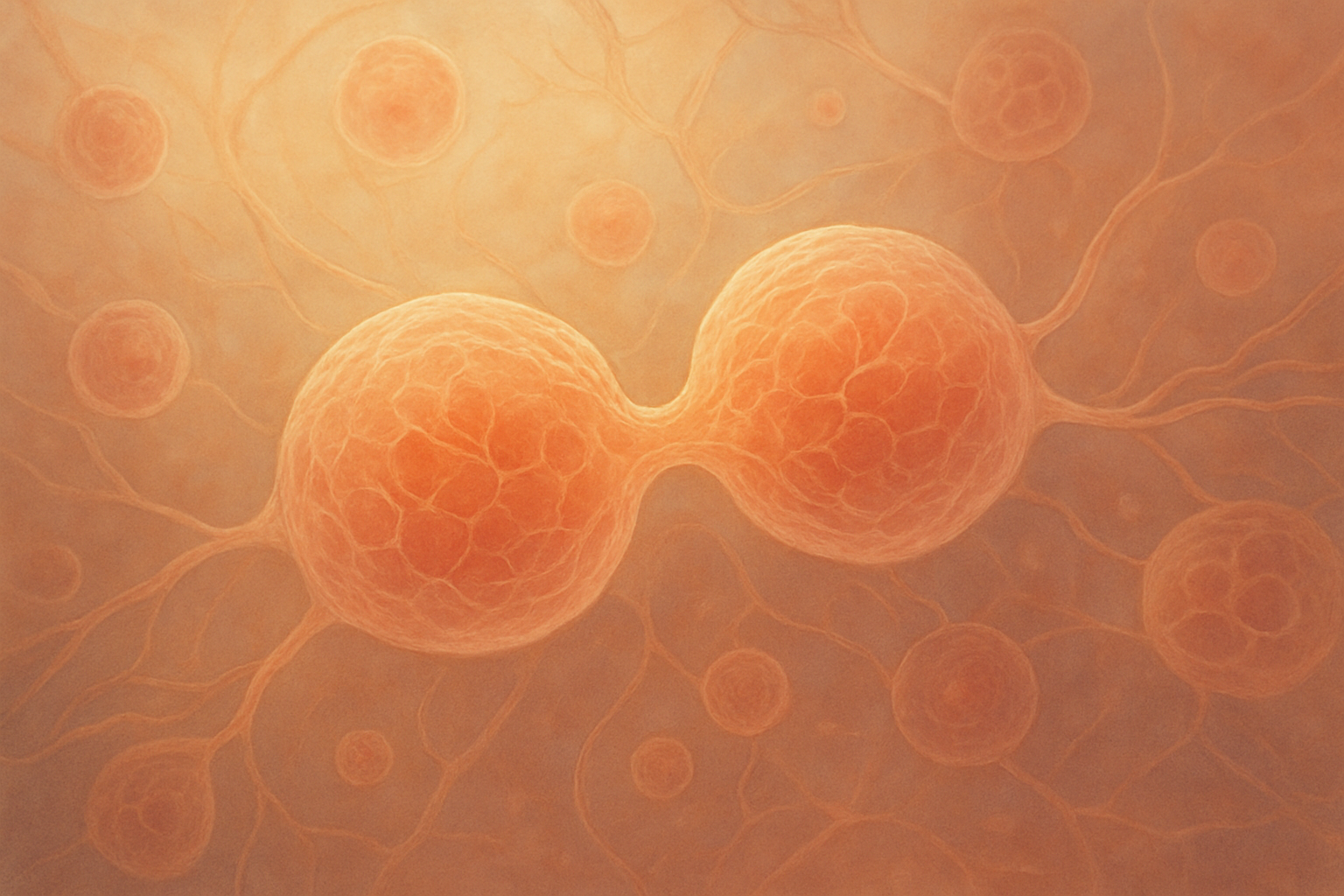
What Does Chemical Pregnancy Bleeding Look Like?
For many, the bleeding associated with a chemical pregnancy feels very much like a typical menstrual period, perhaps slightly heavier or longer than usual. It usually starts with light spotting and then progresses to full flow. The color can range from bright red to dark brown, consistent with what you might normally see during menstruation. Some individuals report passing small clots, which is also common during a regular period. The key difference lies in the context: it occurs after a positive pregnancy test, confirming that conception did indeed happen.
If you experience bleeding that is unusually heavy, accompanied by severe pain, or lasts significantly longer than your typical period, it is always wise to consult with a healthcare professional. While rare with chemical pregnancies, these symptoms could indicate another issue, or a slightly more advanced early pregnancy loss. We encourage you to listen to your body and seek guidance if anything feels outside of the norm for you.
Diagnosis and Testing
The diagnosis of a chemical pregnancy is made primarily through hormone level testing. It begins with a positive result on a highly sensitive home pregnancy test, which detects the human chorionic gonadotropin (hCG) hormone. This hormone is produced by the cells that will eventually form the placenta, and its levels rise rapidly in early pregnancy. After the initial positive test, if a chemical pregnancy occurs, subsequent blood tests for hCG will show levels that are either declining or not rising as expected for a viable pregnancy. Sometimes, hCG levels might be checked again a few days later to confirm the trend.
Unlike a clinical pregnancy, an ultrasound scan will not show a gestational sac, yolk sac, or fetal pole in a chemical pregnancy, as the development ceased before these structures could form. This lack of visual confirmation, combined with the biochemical evidence of a brief rise in hCG, is how a chemical pregnancy is diagnosed. It is a diagnosis based on the biochemistry of your body, rather than what is visible to the eye through imaging.
Chemical Pregnancy vs Clinical Pregnancy and Miscarriage
It is crucial to understand the distinctions between a chemical pregnancy, a clinical pregnancy, and a broader miscarriage. A chemical pregnancy, as we have discussed, is a pregnancy confirmed by hCG levels but not visible on ultrasound. It represents a very early pregnancy loss, often before five weeks of gestation.
A clinical pregnancy, on the other hand, is confirmed by ultrasound imaging. This means a gestational sac, and usually an embryo with a heartbeat, is visible. This is the stage where most people feel confident in their pregnancy. If a clinical pregnancy ends, it is then categorised as a miscarriage. A miscarriage is a broader term for any pregnancy loss before 20 weeks of gestation. Therefore, a chemical pregnancy is a specific type of very early miscarriage or early pregnancy loss. The distinction primarily helps in understanding the stage of loss and potential implications, though the emotional impact can be significant for any form of pregnancy loss.
Risk Factors and Who is Affected
While chemical pregnancies are common and can happen to anyone, certain factors can increase the likelihood. One of the primary risk factors is advanced maternal age, as the quality of eggs may decline with age, leading to a higher incidence of chromosomal abnormalities in embryos. Couples undergoing fertility treatments, such as in vitro fertilisation (IVF), also have a higher detection rate of chemical pregnancies. This is not necessarily because IVF increases the risk, but rather because pregnancy tests are conducted very early and frequently as part of the treatment protocol, making these early losses more apparent.
Other risk factors can include certain medical conditions in the birthing parent, such as uncontrolled diabetes, thyroid disorders, PCOS, or conditions affecting the uterus, like fibroids or Asherman's syndrome. Immunological factors and thrombophilia (blood clotting disorders) are also sometimes implicated. However, it is vital to remember that in many cases, a chemical pregnancy occurs without any identifiable risk factors, and it does not automatically indicate an underlying fertility issue. It is often a one time event.
Treatment and Management
In most cases, a chemical pregnancy does not require specific medical treatment. Since the pregnancy ends very early, the body usually expels the pregnancy tissue naturally, similar to a regular menstrual period. There is no need for D&C (dilation and curettage) or medication to induce a miscarriage, which might be necessary for later pregnancy losses. The primary management focuses on emotional support and monitoring your physical recovery.
Your healthcare provider might recommend a follow up blood test to ensure your hCG levels have returned to zero. This confirms that all pregnancy tissue has been passed and there are no retained products of conception, which could potentially lead to infection or further bleeding. Beyond this, the emphasis is on allowing your body to recover naturally and, more importantly, supporting your emotional well being. This is a time to be gentle with yourself and acknowledge the loss, regardless of how early it occurred.

Emotional Impact and Coping with Loss
The emotional impact of a chemical pregnancy can be profound, even though it is a very early loss. It is perfectly normal to feel a range of emotions, including sadness, grief, disappointment, anger, and confusion. For many, the brief glimpse of a positive pregnancy test ignites hopes and dreams, and the subsequent loss can feel like a profound bereavement. You might feel isolated, especially if you had not yet shared the news of your pregnancy with others. We want to validate these feelings: your grief is real and it matters.
Coping with this loss involves acknowledging your emotions rather than trying to suppress them. Allow yourself time to grieve. Talk to your partner, a trusted friend, or a family member who can offer support. If you feel overwhelmed, consider seeking professional emotional support, such as counselling or therapy. Connecting with support groups, either online or in person, can also be incredibly helpful, as sharing experiences with others who understand can reduce feelings of isolation. Remember, there is no right or wrong way to grieve, and taking care of your mental and emotional health is paramount during this time.
Trying to Conceive After a Chemical Pregnancy
A chemical pregnancy usually does not affect your future fertility or your ability to have a healthy, successful pregnancy. In most cases, it is considered a one off event. Your body typically recovers quickly, and your menstrual cycle often returns to normal within a few weeks. Many healthcare providers recommend waiting for one full menstrual cycle before trying to conceive again, primarily to allow for emotional healing and to help accurately date a subsequent pregnancy. However, from a purely physical standpoint, you may ovulate again as early as two weeks after a chemical pregnancy.
If you are concerned, or if you experience recurrent chemical pregnancies, meaning two or more in a row, then it would be wise to consult with your fertility specialist. They can conduct further investigations to rule out any underlying issues such as hormonal imbalances, uterine abnormalities, or genetic factors that might be contributing to the recurrent early pregnancy loss. For the vast majority, a chemical pregnancy is not a sign of a deeper problem, and you can approach your next conception journey with hope and confidence.
Prevention and Frequently Asked Questions
Can chemical pregnancies be prevented? This is a common question, and the answer is largely no, especially since the most frequent cause is chromosomal abnormalities that occur randomly during cell division. These are often not preventable. However, maintaining good overall reproductive health can indirectly support a healthy pregnancy. This includes a balanced diet, regular exercise, managing stress, achieving a healthy body weight, and avoiding smoking and excessive alcohol. If you have underlying health conditions like PCOS or diabetes, ensuring they are well managed can also be beneficial.
Frequently Asked Questions:
- Will a chemical pregnancy cause problems with future pregnancies? Generally, no. A single chemical pregnancy does not usually impact your ability to have a successful pregnancy in the future.
- Do I need to see a doctor after a chemical pregnancy? It is often a good idea to inform your doctor, especially if you have concerns or if it is part of a fertility treatment cycle. They can confirm hCG levels have returned to zero and offer emotional support.
- How long does it take to recover physically? Physically, recovery is usually quick, with your period returning within a few weeks. Emotionally, it can take longer.
When to Seek Medical Help
While a chemical pregnancy typically resolves on its own without complications, there are times when seeking medical help is important. If you experience unusually heavy bleeding that soaks through more than one pad an hour for several hours, or if you pass very large clots, you should contact your doctor immediately. Persistent or worsening abdominal pain, especially if it is sharp and localised to one side, also warrants immediate medical attention, as it could potentially indicate an ectopic pregnancy, though this is rare in the context of a confirmed chemical pregnancy.
Furthermore, if you develop a fever, chills, or foul smelling vaginal discharge, these could be signs of an infection, and medical consultation is necessary. Lastly, if you are struggling with the emotional impact of the loss, feeling overwhelmed, or finding it difficult to cope, please reach out to your doctor or a mental health professional. Your well being is our priority, and support is available.
Understanding a chemical pregnancy can be a step towards healing and moving forward. It is a reminder of the intricate and delicate process of conception, and that every hopeful journey deserves compassionate guidance. At Izana, we are here to walk with you, providing clarity and unwavering support, helping you understand your body and your unique path to parenthood.
Improve your reproductive health with a personalised plan tailored to your body. When you join Izana, you’re not just choosing a plan. You’re becoming part of a movement that challenges myths, empowers choices, and builds healthier futures. Join the Revolution.