- 1Differentiate between your menstrual cycle (the full monthly process) and your period (the bleeding phase), recognizing a healthy cycle typically ranges 21 to 35 days.
- 2Recognize that severe period pain, or dysmenorrhea, is not normal and may signal underlying health issues like endometriosis, requiring medical consultation.
- 3Understand that menstrual blood is a natural, sterile bodily fluid, challenging the widespread and harmful misconception that it is dirty or impure.
- 4Embrace moderate exercise during your period, as it can alleviate cramps and improve mood by releasing endorphins, contrary to popular myths.
- 5Acknowledge that pregnancy is possible during your period due to sperm survival and cycle variability, emphasizing the importance of informed contraception.
What is a "Normal" Period? Debunking Common Myths
We understand how confusing and isolating the journey to truly understand your body can feel, especially when it comes to something as fundamental as your menstrual cycle. In a world brimming with misinformation and societal taboos, it is easy to feel lost, unsure of what is truly "normal" for you. At Izana, we believe that knowledge is power, and that every individual deserves to feel confident and informed about their reproductive health. Let us walk through this together, simplifying the complex and challenging the confusing narratives that have surrounded menstruation for far too long.
This article aims to provide clarity and empowerment by:
- Distinguishing between a menstrual cycle and a period to offer a holistic understanding.
- Debunking the myth that severe period pain is normal, shedding light on conditions like dysmenorrhea.
- Clarifying the natural hormonal fluctuations that influence emotional changes during the cycle.
- Addressing the harmful misconception that menstrual blood is unclean and promoting body positivity.
- Empowering individuals to make informed choices about exercise and activity during menstruation.
Introduction to Menstruation and Its Importance
The menstrual cycle is a sophisticated biological process, far more than just the monthly bleeding. It is a vital sign of overall health, a complex interplay of hormones that prepares the body for potential pregnancy each month. Understanding your cycle is not merely about tracking periods; it is about tuning into your body's innate wisdom, recognizing patterns, and identifying when something might be amiss. For many, this journey is obscured by silence, shame, and a lack of accurate information. We are here to change that, providing you with the evidence based guidance you deserve (World Health Organization, n.d.).
From menarche, the first period, through reproductive years and into menopause, menstruation plays a crucial role in an individual's life. It impacts physical health, emotional wellbeing, and even social participation. Embracing accurate information about your cycle is the first step towards taking confident control of your reproductive health.
Common Period Myths Debunked
Let us confront some of the most pervasive myths head on, replacing confusion with clear, science based facts.
Myth 1: Menstrual Cycle vs. Period
Many of us use the terms "menstrual cycle" and "period" interchangeably, but they are not quite the same. The menstrual cycle refers to the entire series of hormonal and physical changes your body goes through each month, typically lasting from the first day of one period to the first day of the next. This cycle averages about 28 days, though it can vary significantly, ranging from 21 to 35 days in adults, and 21 to 45 days in young teens. Within this cycle, key events like ovulation, the release of an egg from the ovary, occur.
The period, or menstruation, is just one phase of this larger cycle. It is the shedding of the uterine lining, rich with blood and tissue, when pregnancy does not occur. This bleeding typically lasts between two to seven days. Understanding this distinction empowers you to track and understand your body's rhythms more effectively, seeing the bigger picture beyond just the bleeding days.
Myth 2: Severity and Reality of Period Pain (Dysmenorrhea)
"Period pain is normal; just deal with it." How often have you heard this? While some mild discomfort is common, debilitating period pain that interferes with your daily life is absolutely not normal. This severe pain is known as dysmenorrhea (American College of Obstetricians and Gynecologists, 2022).
Dysmenorrhea can manifest as intense cramping in the lower abdomen, often accompanied by back pain, nausea, fatigue, and headaches. It is crucial to understand that while mild cramps might be part of your experience, excruciating pain is a signal from your body that deserves attention. It could indicate underlying conditions such as endometriosis, fibroids, adenomyosis, or pelvic inflammatory disease. If your period pain is severe, persistent, or worsening, please know that you do not have to suffer in silence. Seeking medical advice is a brave and necessary step towards understanding and managing your health.
Myth 3: Emotional Changes and Hormones (PMS)
The idea that individuals become irrational or overly emotional during their period is a harmful stereotype. However, it is also true that hormonal fluctuations throughout the menstrual cycle can genuinely impact mood and emotional wellbeing. These changes are largely due to the rise and fall of estrogen and progesterone.
Before your period, in the luteal phase, a drop in progesterone and estrogen can lead to symptoms collectively known as Premenstrual Syndrome (PMS). These can include irritability, mood swings, anxiety, sadness, and fatigue. For some, these symptoms can be severe enough to be classified as Premenstrual Dysphoric Disorder (PMDD), a more intense form of PMS. These are real physiological responses, not simply "being dramatic." Understanding the hormonal basis of these feelings can help you manage them, practice self care, and seek support when needed. You are not alone in experiencing these shifts.
Myth 4: Period Blood Is Not Dirty
The deeply ingrained myth that menstrual blood is dirty or impure is unfortunately prevalent in many cultures, including ours in India. This misconception fuels stigma and contributes to poor menstrual hygiene practices. Let us be clear: menstrual blood is absolutely not dirty or impure. It is a natural and healthy part of your body's shedding process.
Menstrual fluid is a mixture of blood, tissue, mucus, and unfertilized egg cells from the uterine lining. It is sterile and simply a byproduct of a healthy reproductive system. There is nothing to be ashamed of. Challenging this myth is vital for promoting positive body image and ensuring that individuals feel comfortable and empowered during their periods.
Myth 5: Exercise and Physical Activity During Periods
Another common myth suggests that one should avoid exercise and physical activity during menstruation. This could not be further from the truth. For most individuals, moderate exercise during your period can actually be incredibly beneficial.
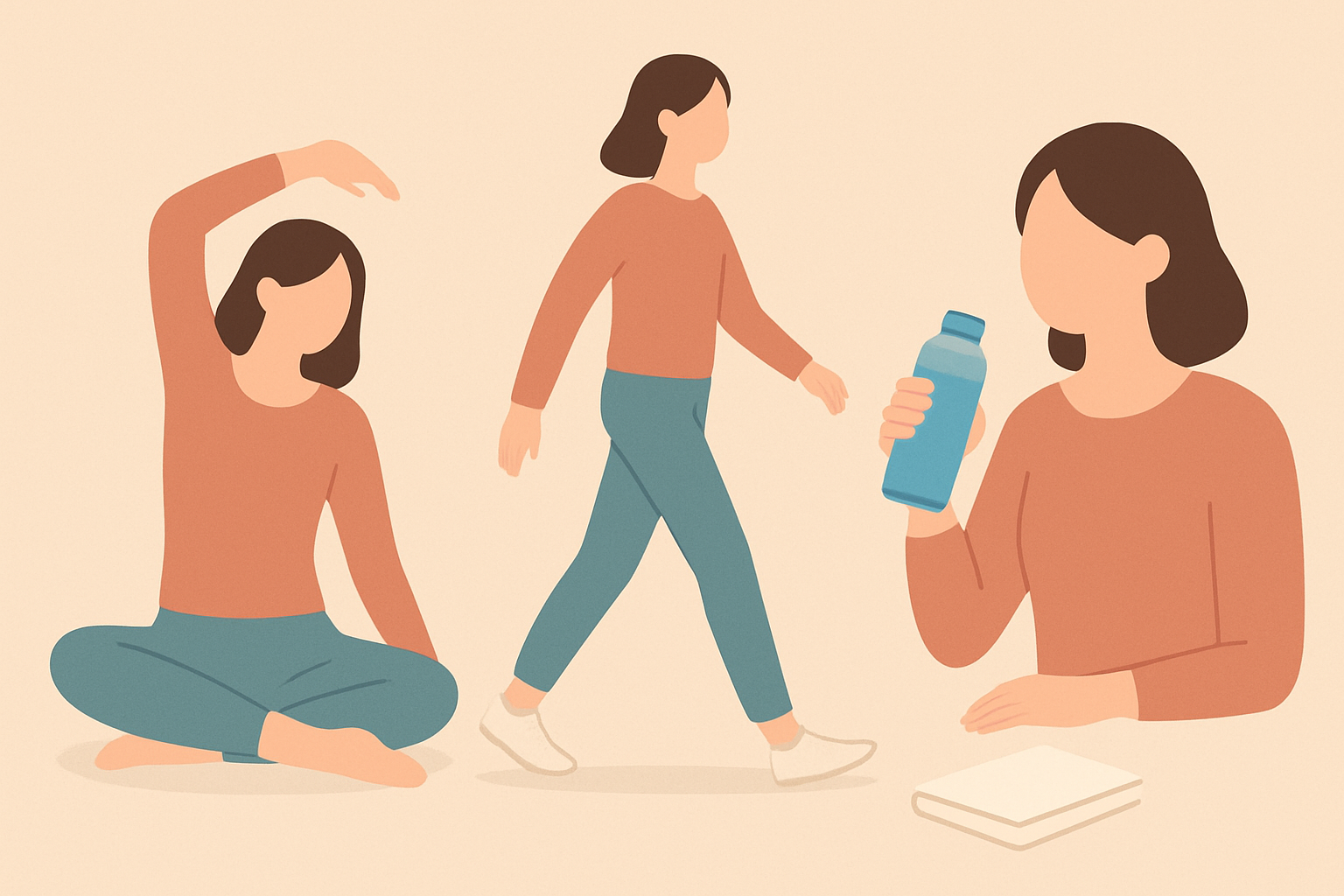
Physical activity can help alleviate common period symptoms like cramps, mood swings, and fatigue. Exercise releases endorphins, natural painkillers that can reduce discomfort and boost your mood. Light cardio, yoga, walking, or swimming are often great options. Listen to your body; if you feel like a more intense workout, go for it. If you prefer gentler activities, that is perfectly fine too. The key is to stay active in a way that feels good to you, not to restrict yourself based on outdated beliefs.
Myth 6: Possibility of Pregnancy During Period
While the likelihood of conception is generally lower during menstruation, it is not impossible to get pregnant if you have unprotected sex during your period. This myth can lead to unintended pregnancies and should be clearly debunked.
Sperm can survive inside the female reproductive tract for up to five days, and sometimes even longer. If you have a shorter menstrual cycle, or if your period lasts longer than average, you might ovulate soon after your period ends, or even towards the end of it. This means there is a window where sperm from intercourse during your period could still be viable when ovulation occurs. It is crucial to understand your cycle and to use appropriate contraception if you wish to prevent pregnancy.
Myth 7: Menstruation and Gender Inclusivity
Traditionally, discussions around menstruation have been exclusively centered on women. However, it is vital to remember that not all women menstruate, and not all people who menstruate are women. Transgender men and nonbinary individuals who have not undergone hormone therapy or certain surgical procedures may also experience menstruation. Our language and understanding must be inclusive and sensitive to these diverse experiences.
Using inclusive language like "people who menstruate" or "menstruators" helps to acknowledge the full spectrum of individuals who experience this biological process. Recognizing this diversity is a key step towards breaking down stigma and ensuring that everyone feels seen, respected, and has access to accurate menstrual health information and support.
Myth 8: Periods Are Not Shameful or Dirty
This myth encompasses many of the previous points but deserves its own emphasis. The societal narrative that periods are shameful, dirty, or something to be hidden is incredibly damaging. It perpetuates a culture of silence that prevents open conversations, limits access to education, and impacts self esteem.
Menstruation is a natural, biological function. It is a sign of health and fertility. There is absolutely no reason to feel ashamed, embarrassed, or to hide it. We are here to challenge this oppressive status quo. By normalizing menstruation through education and open dialogue, we empower individuals to embrace their bodies without judgment, fostering a healthier and more supportive community.
Understanding the Menstrual Cycle Variability
So, what exactly is a "normal" period? The truth is, "normal" is a broad spectrum. While averages exist, individual cycles can vary significantly. Factors like age, stress levels, nutrition, exercise, sleep, travel, illness, and medical conditions (such as PCOS or thyroid disorders) can all influence your cycle's length, flow, and regularity. For instance, irregular periods are common during the first few years after menarche and again approaching menopause.
A healthy cycle can range from 21 to 35 days, with bleeding lasting 2 to 7 days. Your flow might be light one month and heavier the next. What is most important is understanding your normal. Tracking your period and noticing consistent patterns or significant changes is key. Tools and apps can help you monitor your cycle length, flow, and symptoms, providing valuable insights into your body's unique rhythm.
Managing Period Symptoms and When to Seek Help
While embracing the naturalness of your cycle, it is also important to know how to manage common symptoms and when to seek professional guidance. For mild period cramps, over the counter pain relievers like ibuprofen or naproxen can be effective. Applying heat, such as a heating pad or hot water bottle, to your abdomen can also provide relief. Gentle exercise, as we discussed, can reduce discomfort and improve mood.
Lifestyle adjustments can also make a significant difference. A balanced diet rich in fruits, vegetables, and whole grains, adequate hydration, and sufficient sleep are all foundational for hormonal balance and overall wellbeing. Reducing caffeine and salt intake might help with bloating and irritability for some.
However, if you experience unusually heavy bleeding (soaking through a pad or tampon every hour for several hours), severe pain that does not respond to over the counter medication, periods lasting longer than seven days, cycles shorter than 21 days or longer than 35 days, or bleeding between periods, it is crucial to consult a healthcare professional. These could be signs of underlying conditions that require medical attention and management.
Breaking the Stigma: Importance of Open Conversations and Education
The pervasive stigma surrounding menstruation contributes to menstrual misinformation and prevents individuals from seeking help for their health concerns. In India, societal norms often dictate silence and shame around periods, impacting menstrual hygiene and access to education for young girls and women (UNICEF, n.d.).
Breaking this stigma begins with open conversations at home, in schools, and within communities. Normalizing discussions about periods, using accurate terminology, and educating everyone regardless of gender about menstrual health are essential steps. When we talk openly, we dismantle the shame, empower individuals to understand their bodies, and foster a culture of support rather than secrecy. This is a crucial aspect of promoting holistic reproductive health.
Global Impact and Menstrual Hygiene as a Public Health Issue
Beyond individual health, menstrual hygiene is a significant public health issue globally, particularly in developing countries. Lack of access to safe, affordable menstrual products, clean water, and private sanitation facilities can lead to health problems, school absenteeism, and reduced economic opportunities. This disproportionately affects women and girls, widening gender inequalities.
Promoting sustainable menstrual hygiene practices, ensuring access to quality products, and providing comprehensive education are critical for improving health outcomes and empowering individuals. This goes beyond individual choice; it is a human right. Izana is committed to being part of the solution, advocating for better menstrual health education and access for everyone.
Conclusion: Empowerment Through Knowledge
Understanding your menstrual cycle and debunking common myths is a powerful act of self care. It is about reclaiming agency over your body, moving from confusion to clarity, and from silence to conversation. You have the right to accurate information, compassionate support, and the confidence to navigate your unique reproductive journey.
We hope this guide has served as your brilliant, trusted friend, simplifying the complex world of menstruation and empowering you with the knowledge to make informed decisions. Remember, your body's signals are important, and understanding them is the first step towards a healthier, more confident you.
Improve your reproductive health with a personalised plan tailored to your body. When you join Izana, you are not just choosing a plan you are becoming part of a movement that challenges myths, empowers choices, and builds healthier futures. Join the Revolution.
Citations
- American College of Obstetricians and Gynecologists. (2022). Dysmenorrhea: Painful Periods. Retrieved October 27, 2023, from https://www.acog.org/womens-health/faqs/dysmenorrhea-painful-periods
- UNICEF. (n.d.). Menstrual hygiene management. Retrieved October 27, 2023, from https://www.unicef.org/wash/menstrual-hygiene-management
- World Health Organization. (n.d.). Menstrual health. Retrieved October 27, 2023, from https://www.who.int/news-room/fact-sheets/detail/menstrual-health