- 1Identify your fertile window, the 6 days around ovulation, as the prime time for conception.
- 2Utilize a combination of tracking methods like Basal Body Temperature (BBT), Cervical Mucus monitoring, and Ovulation Predictor Kits (LH tests) for enhanced accuracy, especially with irregular periods.
- 3Understand that irregular periods, often linked to conditions like PCOS, require consistent physiological tracking rather than just calendar predictions.
- 4Enhance your chances of conception by timing intercourse within your fertile window and adopting a healthy lifestyle.
- 5Consult a healthcare provider if you have been trying to conceive for over a year (under 35) or 6 months (over 35), or have known fertility concerns.
How to Calculate Your Fertile Window (Even with Irregular Periods)
The journey to parenthood is often filled with hope, anticipation, and sometimes, a little confusion. If you are trying to conceive, understanding your fertile window is one of the most powerful tools you have. But what if your periods are not always on time? We know how overwhelming it can feel when your menstrual cycle does not follow a predictable pattern. It can make you feel disconnected from your body and unsure about the best time to try for a baby. At Izana, we believe every woman deserves clarity and confidence on her path to conception, no matter how unique her cycle may be.
You are not alone in this experience. Many women face the challenge of irregular periods, and we are here to simplify the science and provide you with actionable steps. We will walk through the intricacies of your cycle, explore various tracking methods, and empower you with the knowledge to identify your fertile window, even when things feel unpredictable. Let us transform uncertainty into empowerment, together.
- Understanding your fertile window is crucial for conception, even with irregular periods.
- Ovulation is when a mature egg is released, and it is the only time pregnancy is possible.
- Tracking methods like Basal Body Temperature (BBT), Cervical Mucus, and LH tests are vital, especially for irregular cycles.
- Irregular periods, often linked to conditions like PCOS, require a more comprehensive tracking approach.
- Empower yourself with knowledge and consider personalized guidance from Izana for your unique fertility journey.
Understanding Ovulation and Menstrual Cycle
Your menstrual cycle is a sophisticated biological process, beautifully orchestrated by hormones, designed to prepare your body for a potential pregnancy. It is far more than just your monthly period. This cycle typically lasts around 28 days, but variations are perfectly normal. It begins on the first day of your period and ends just before your next period starts. The cycle has two main phases: the follicular phase and the luteal phase.
The follicular phase begins with your period. During this time, your ovaries are busy preparing several follicles, each containing an immature egg. One of these follicles eventually matures into a dominant follicle. Hormones like Follicle Stimulating Hormone (FSH) play a key role here. This phase culminates in ovulation. Following ovulation, the luteal phase begins. The empty follicle transforms into the corpus luteum, which produces progesterone. This hormone helps thicken the uterine lining, creating a welcoming environment for a fertilized egg. If pregnancy does not occur, the corpus luteum breaks down, progesterone levels drop, and your period begins again, restarting the cycle. Understanding these phases is the first step in unlocking the secrets of your own fertility.
What is Ovulation and Why it Matters
Ovulation is the star of the show when it comes to conception. Simply put, it is the moment when a mature egg is released from your ovary, ready to be fertilized by sperm. This event happens just once in each menstrual cycle. Once released, the egg has a very short lifespan, typically only 12 to 24 hours. However, sperm can survive inside your body for up to 5 days.
This is why understanding your fertile window is so incredibly important. Your fertile window is the period of about 6 days leading up to and including ovulation. It includes the 5 days before ovulation and the day of ovulation itself. Having intercourse during this window significantly increases your chances of conception because it ensures sperm are present in the fallopian tube when the egg is released. Without ovulation, pregnancy simply cannot happen. Identifying this critical window is paramount for anyone trying to conceive, and it empowers you to take control of your fertility journey.
How to Calculate Ovulation Dates
Calculating your ovulation dates is a powerful step towards understanding your body and boosting your chances of conception. The approach you take will largely depend on whether your menstrual cycles are regular or irregular. Let us explore both scenarios.
For Regular Menstrual Cycles
If you have a predictable cycle, congratulations! This makes estimating your fertile window a bit more straightforward. A regular cycle usually means your periods arrive around the same number of days apart each month, typically between 21 and 35 days. Ovulation generally occurs about 14 days before your next period is due to start. This is because the luteal phase, the time after ovulation, is usually quite consistent, lasting 12 to 16 days for most women.
To estimate your fertile window with a regular cycle, you can use a simple calculation: subtract 14 days from your typical cycle length. For example, if your cycle is 28 days long, you would likely ovulate around day 14 (28 minus 14). Your fertile window would then be roughly from day 9 to day 14. Keep in mind this is an estimate, and individual variations exist. This method, often called the calendar method or standard days method, provides a good starting point for timing intercourse.
For Irregular Menstrual Cycles
For those of us with irregular periods, calculating ovulation can feel like trying to hit a moving target. We understand how frustrating this can be, but please know it is absolutely possible to pinpoint your fertile window. Irregular periods might mean your cycle length varies significantly month to month, or you might even experience anovulatory cycles where ovulation does not occur. Conditions like Polycystic Ovary Syndrome (PCOS), stress, significant weight changes, or hormone fluctuations can all contribute to irregular cycles.
When your periods are irregular, relying solely on calendar calculations is not effective. Instead, we need to empower you with direct biological signs from your body. This involves a combination of tracking methods that monitor physiological changes indicating impending or recent ovulation. We will dive into these methods in detail, but for now, remember that consistency in tracking your body's signals is your best friend when your cycle is unpredictable. You have the power to decode your body's unique language.
Signs and Symptoms of Ovulation
Your body often provides subtle, and sometimes not so subtle, clues that ovulation is approaching or has just happened. Becoming attuned to these signals can be incredibly empowering and helps you narrow down your fertile window, especially if your cycles are irregular. Think of your body as giving you hints, and with a little practice, you can learn to read them.
One of the most common signs is a change in your cervical mucus. As ovulation approaches, your cervical mucus often becomes clear, slippery, and stretchy, resembling raw egg whites. This "fertile quality" mucus is crucial because it helps sperm travel efficiently and survive longer in the female reproductive tract. Another key indicator is a slight, temporary increase in your basal body temperature (BBT). This rise usually occurs shortly after ovulation and remains elevated until your next period. Some women might also experience mild pelvic pain or cramping, often on one side, known as "mittelschmerz." Other signs can include breast tenderness, light spotting, increased libido, and a heightened sense of smell. Paying attention to these various signs allows you to cross reference them and gain a clearer picture of your body's rhythm.
Methods of Tracking Ovulation
Now that we understand the importance of ovulation and its signs, let us explore the practical methods you can use to track it. Combining these methods often provides the most accurate and reliable results, particularly for those with irregular cycles.
Calendar Method
The calendar method, also known as the Standard Days Method, is best suited for women with very regular cycles, typically between 26 and 32 days long. As we discussed, it involves estimating your fertile window by subtracting 14 days from your average cycle length. Your fertile window is then usually estimated to be days 8 through 19 of your cycle. While simple and cost effective, its accuracy decreases significantly with irregular periods. For women with irregular cycles, this method is largely unreliable and should not be used as the sole means of fertility tracking. We encourage you to explore more direct biological indicators.
Basal Body Temperature Tracking
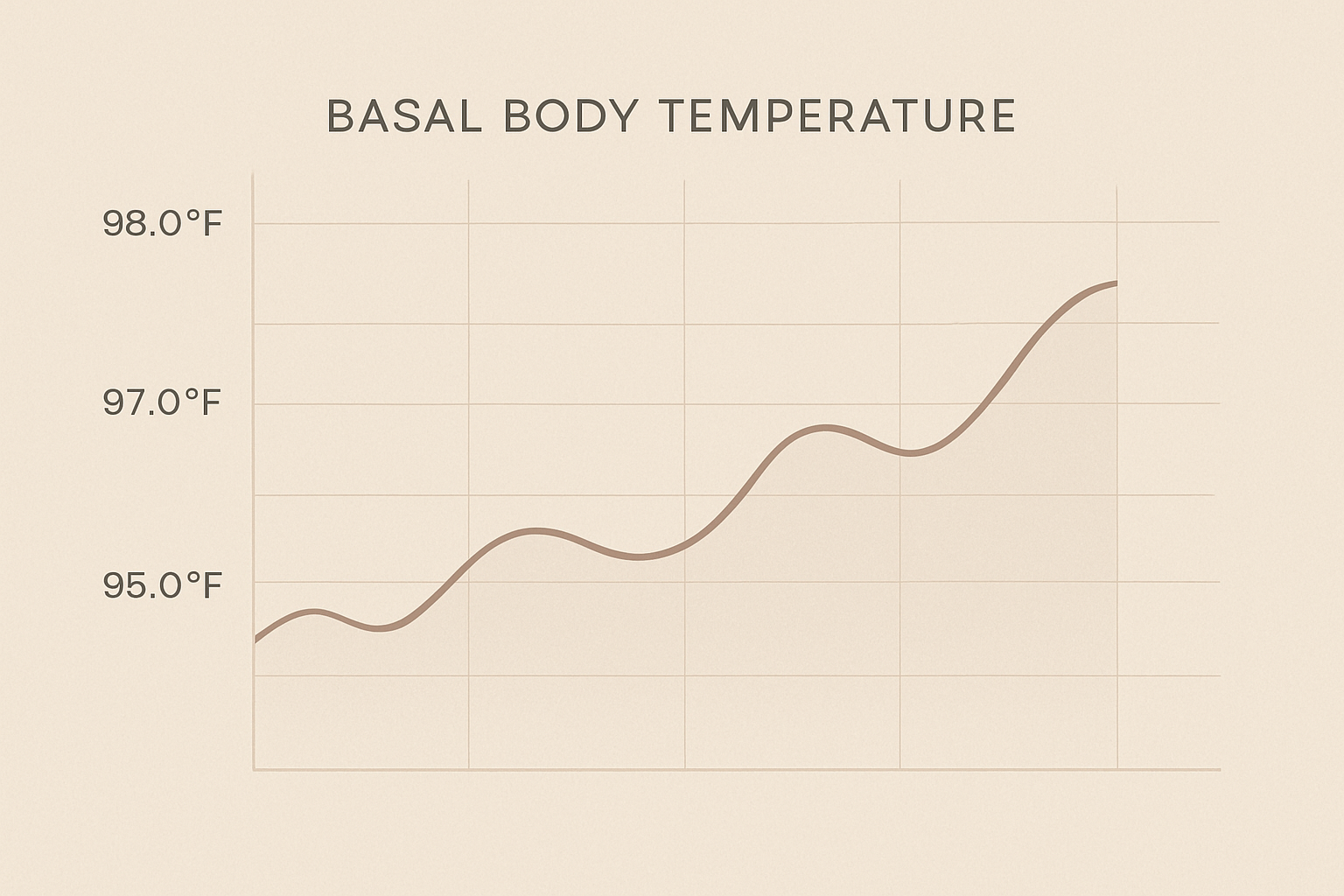
Basal Body Temperature (BBT) tracking is a highly effective method that helps confirm ovulation has occurred. Your BBT is your lowest resting body temperature. You will need a special basal body thermometer, which measures temperature to two decimal places (e.g., 97.45°F or 36.35°C). The key is to take your temperature at the exact same time every morning, immediately after waking up and before getting out of bed, eating, or drinking.
After ovulation, the hormone progesterone causes your BBT to rise slightly, typically by about 0.2 to 0.5 degrees Celsius (0.4 to 1.0 degrees Fahrenheit). This elevated temperature then remains higher for the rest of your luteal phase. By charting your daily BBT, you can identify this sustained temperature shift, indicating that ovulation has already happened. While BBT confirms ovulation after the fact, identifying a pattern over several cycles can help predict your fertile window in future cycles. It is a powerful retrospective tool.
Cervical Mucus Monitoring
Monitoring your cervical mucus is one of the most direct ways your body communicates its fertility status. This method, often called the Billings Ovulation Method or Two Day Method, involves observing the changes in the amount, color, and consistency of your vaginal discharge throughout your cycle. As you approach ovulation, increasing estrogen levels cause your cervical mucus to change from being sticky or creamy to becoming clear, wet, slippery, and stretchy, much like raw egg whites. This "egg white cervical mucus" (EWCM) is the most fertile type and indicates that ovulation is imminent. Sperm can survive for several days in this hospitable environment.
After ovulation, cervical mucus typically becomes thick, cloudy, or disappears entirely, creating a "mucus plug" that prevents sperm from entering the uterus. Learning to identify these changes takes practice, but it is a free and highly effective way to pinpoint your most fertile days. Pay close attention to these signals; they are your body's direct message to you.
Ovulation Predictor Kits (LH Tests)
Ovulation Predictor Kits (OPKs), also known as LH tests, are popular and highly accurate tools that detect a surge in luteinizing hormone (LH) in your urine. A surge in LH is the hormonal signal that triggers the release of an egg from your ovary. This surge typically occurs 24 to 36 hours before ovulation. By testing daily during your suspected fertile window, you can identify this surge and pinpoint your most fertile days ahead of time.
OPKs are particularly helpful for women with irregular cycles because they directly measure a hormonal event rather than relying on cycle length predictions. When you see a positive LH test, it means ovulation is likely to occur within the next day or two, making it the ideal time for intercourse. Always follow the instructions provided with your specific kit for the most accurate results. These kits empower you with real time information about your cycle.
Fertility Tracking Apps
In today's digital age, fertility tracking apps have become a valuable tool for many women. These apps allow you to log various fertility signs, including your period dates, BBT readings, cervical mucus observations, and OPK results. Many apps use algorithms to analyze your data and predict your fertile window. Some even integrate with smart thermometers or wearables to automate data collection.
While apps can be incredibly convenient for organizing your information and identifying patterns, it is crucial to remember that they are only as good as the data you input. For women with irregular cycles, relying solely on an app's predictive algorithm without consistent input of biological signs may not be accurate. We recommend using apps as a supplementary tool to help you visualize and interpret your personally collected data from BBT, cervical mucus, and LH tests. They are your digital assistant, not a replacement for understanding your body.
Tips for Increasing Chances of Conception
Beyond tracking your fertile window, there are several lifestyle adjustments you can make to optimize your overall reproductive health and increase your chances of conception. We are here to empower you with holistic guidance.
- Timely Intercourse: The most crucial tip is to have regular intercourse, ideally every one to two days, especially during your fertile window. Remember, sperm can live for several days, so having sperm ready and waiting for the egg is key.
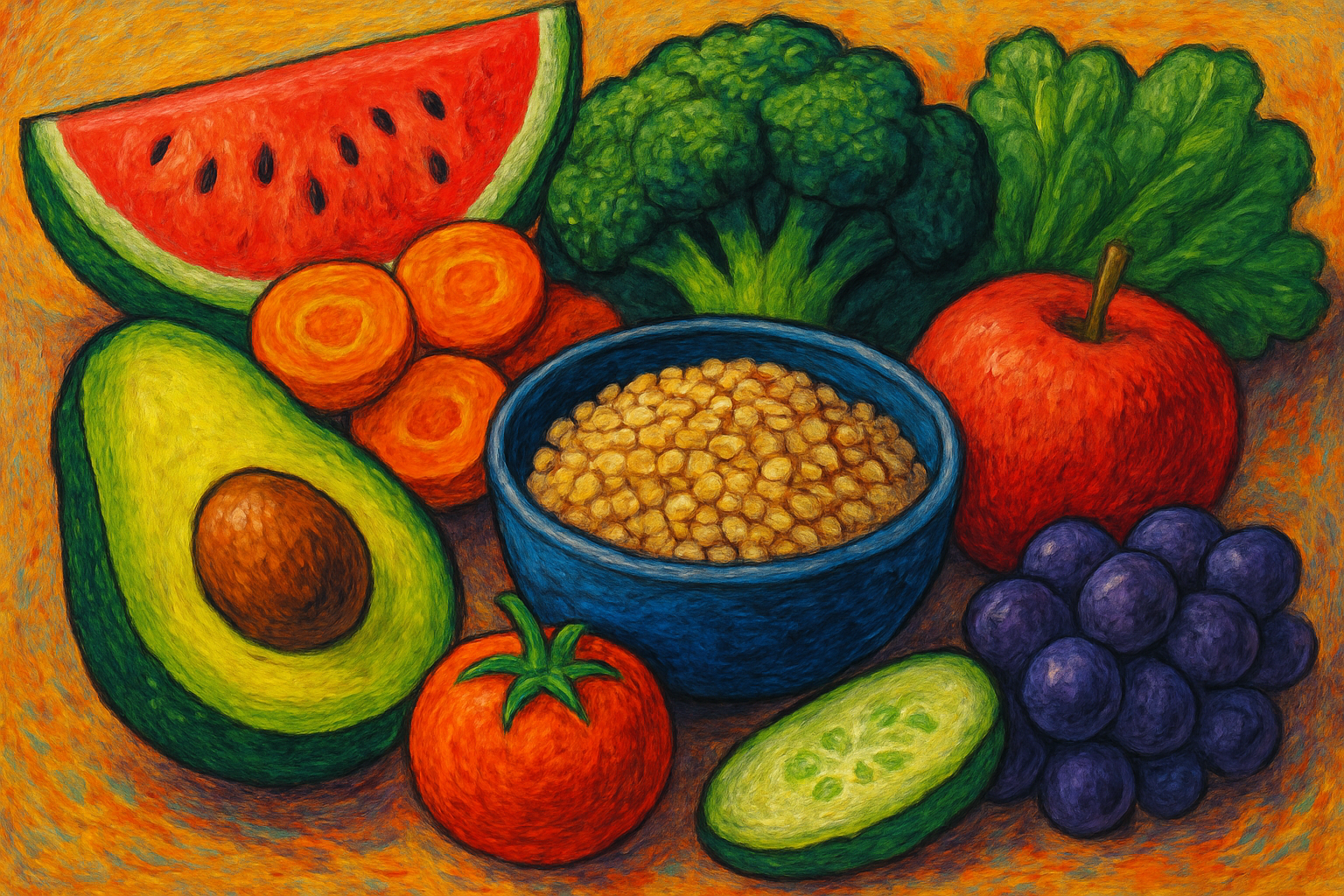
- Healthy Diet: Focus on a balanced diet rich in fruits, vegetables, whole grains, and lean proteins. Reduce processed foods, excessive sugar, and unhealthy fats. Proper nutrition supports hormonal balance and overall reproductive function.
- Maintain a Healthy Weight: Both being underweight and overweight can impact hormonal balance and ovulation. Aim for a healthy Body Mass Index (BMI) through diet and exercise.
- Manage Stress: High stress levels can disrupt hormone production and impact ovulation. Incorporate stress reduction techniques like yoga, meditation, deep breathing, or spending time in nature.
- Limit Caffeine and Alcohol: Moderate your intake of caffeine and avoid alcohol entirely once you start trying to conceive and during pregnancy.
- Quit Smoking: Smoking is detrimental to both male and female fertility and overall health.
- Folic Acid Supplementation: Start taking a folic acid supplement (400 micrograms daily) before conception to reduce the risk of neural tube defects in the baby.
These tips are foundational for creating a healthy environment for conception, reinforcing your power over your own well being.
Challenges with Irregular Periods and Ovulation
We recognize that navigating fertility with irregular periods presents unique challenges. When your cycles are unpredictable, it is natural to feel a heightened sense of anxiety and frustration. The primary difficulty lies in accurately identifying the timing of ovulation, which can be inconsistent or even absent in some cycles (anovulatory cycles). Conditions like PCOS (Polycystic Ovary Syndrome) are a common culprit behind irregular periods and anovulation, impacting hormone fluctuations and leading to varied cycle lengths.
PCOS can cause your body to produce higher levels of androgens (male hormones) and often leads to insulin resistance. These factors disrupt the delicate hormonal balance required for regular ovulation. It is like having too many chefs in the kitchen, making it hard for the main chef (your egg) to be released on schedule. Other factors like thyroid disorders, extreme exercise, significant stress, or being underweight can also throw your cycle off balance. The good news is that understanding these challenges is the first step towards managing them. While irregular periods add a layer of complexity, they do not mean your dream of parenthood is out of reach. It simply means we need to employ a more diligent and personalized approach to fertility tracking and, sometimes, medical support.
When to Consult a Healthcare Provider
While empowering yourself with knowledge and tracking methods is invaluable, there are times when it is wise to seek professional guidance. We encourage you to consult a healthcare provider, specifically one specializing in fertility, if:
- You are under 35 and have been trying to conceive for 12 months or more without success.
- You are 35 or older and have been trying to conceive for 6 months or more without success.
- You have known conditions that affect fertility, such as diagnosed PCOS, endometriosis, thyroid disorders, or a history of pelvic inflammatory disease.
- Your periods are consistently irregular, very heavy, extremely painful, or you frequently miss periods.
- You or your partner have any concerns about reproductive health.
A healthcare provider can offer insights into underlying causes of irregular periods or difficulty conceiving, recommend further investigations, and discuss personalized treatment plans. Remember, seeking help is a sign of strength and self advocacy, not a failure. We are here to support you in every step, including connecting with expert guidance.
FAQs about Ovulation and Fertility
Here are some common questions we hear, clarified for you.
What is the fertile window?
The fertile window is the period of about 6 days during your menstrual cycle when you have the highest chance of conceiving. It includes the 5 days leading up to ovulation and the day of ovulation itself. This is because sperm can survive in the female reproductive tract for up to 5 days, while an egg only survives for 12 to 24 hours after release.
Can I ovulate without having a period?
No, you cannot ovulate without having a period. Ovulation is a process that occurs within your menstrual cycle. However, you can experience anovulatory cycles, where you have a bleed that looks like a period but no egg was released. This is often common with irregular periods.
How accurate are ovulation predictor kits (OPKs)?
Ovulation predictor kits (OPKs) are generally very accurate, with studies showing them to be over 90% effective in detecting the LH surge that precedes ovulation. However, their accuracy depends on correct usage, following instructions, and individual hormone levels. For some women, especially those with PCOS, baseline LH levels can be high, making OPK interpretation challenging.
Does having intercourse daily increase my chances of pregnancy?
Having intercourse every one to two days during your fertile window is generally recommended. While daily intercourse can be effective, it is not strictly necessary as sperm can survive for several days. Some couples may find daily intercourse stressful, and alternating days can maintain sperm quality and reduce pressure.
We know that navigating the path to parenthood can sometimes feel like a complex puzzle, especially when dealing with irregular cycles. But we want you to remember that your body is brilliant, and with the right tools and understanding, you can decode its signals. By diligently tracking your unique signs of ovulation and embracing a holistic approach to your health, you are taking powerful steps towards your dream. Every observation, every chart, every positive LH test brings you closer to understanding your fertile days. You are not just tracking cycles; you are empowering yourself with knowledge, building confidence, and actively participating in your own fertility story.
Improve your reproductive health with a personalised plan tailored to your body. When you join Izana, you are not just choosing a plan you are becoming part of a movement that challenges myths, empowers choices, and builds healthier futures. Join the Revolution.