- 1Achieve pregnancy with PCOS by understanding ovulation challenges and leveraging targeted lifestyle and medical interventions.
- 2Implement lifestyle changes like a balanced diet and regular exercise to improve insulin sensitivity and regulate menstrual cycles by 5 to 10 percent weight loss.
- 3Utilise medical treatments such as Letrozole, Clomiphene, or Metformin, which can induce ovulation in many women with PCOS.
- 4Track ovulation effectively using a combination of methods like BBT, OPKs, and cervical mucus, alongside professional guidance for irregular cycles.
- 5Seek specialist advice if you are under 35 and have been trying for over 12 months, or over 35 and trying for 6 months, to get personalised treatment plans.
How to Get Pregnant with PCOS: A Step-by-Step Guide
For many women, the journey to parenthood is envisioned as a straightforward path. But if you have received a diagnosis of Polycystic Ovary Syndrome (PCOS), you might feel like you are navigating a maze, filled with uncertainty and overwhelming questions. We understand how isolating and confusing this can feel. At Izana, we believe that understanding your body and empowering yourself with knowledge is the first step towards clarity and confidence on your conception journey. You are not alone, and getting pregnant with PCOS is absolutely possible.
This comprehensive guide is designed to simplify the complexities of PCOS and fertility, offering you clear, evidence based guidance, just like a brilliant, trusted friend would. Let us walk through this together, exploring practical steps and effective strategies to help you on your path to building a family.
- Understanding PCOS: PCOS is a common hormonal condition impacting ovulation, often causing irregular cycles and making conception challenging.
- Lifestyle as Foundation: Prioritising a healthy diet, regular exercise, and stress management can significantly improve your body's hormonal balance and insulin sensitivity.
- Ovulation Tracking: Learn to track your cycle using various methods, even with irregular periods, to identify your fertile window with greater accuracy.
- Medical Support: Fertility medications like Letrozole or Clomiphene, and insulin sensitizers like Metformin, are often highly effective in stimulating ovulation.
- Holistic Approach: A combination of lifestyle changes, targeted supplements, medical treatments, and strong emotional support offers the best chances for pregnancy success.
Understanding PCOS and Its Impact on Fertility
Polycystic Ovary Syndrome (PCOS) is a common endocrine disorder affecting up to one in five women globally, including many here in India. It is a complex condition characterised by a hormonal imbalance, particularly an excess of androgens (male hormones), which can disrupt the normal functioning of the ovaries. This hormonal chaos often leads to a range of symptoms, including irregular menstrual cycles, difficulty ovulating, acne, unwanted hair growth, and sometimes weight gain.
But what does this truly mean for your fertility? In a typical menstrual cycle, one egg matures and is released from the ovary each month. With PCOS, the high levels of androgens interfere with this maturation process. Instead of a single egg developing, multiple small fluid filled sacs, often called follicles, may develop on the ovaries, but none grow large enough to release a mature egg. This absence of regular ovulation, known as anovulation, is the primary reason why women with PCOS often face challenges when trying to conceive.
Can You Get Pregnant with PCOS?
This is perhaps the most pressing question on your mind, and we want to assure you with a resounding yes. Getting pregnant with PCOS is very much possible. While it might require a more deliberate and guided approach compared to those without the condition, countless women with PCOS successfully conceive and have healthy pregnancies. Your journey might have its unique twists and turns, but with the right understanding, lifestyle adjustments, and medical support, you can absolutely achieve your dream of parenthood.
Ovulation Challenges in PCOS
The core fertility challenge in PCOS revolves around ovulation. When ovulation does not occur regularly, it becomes incredibly difficult to predict your fertile window, making natural conception a game of chance. Irregular cycles, or even the complete absence of periods for extended durations, are hallmark symptoms of PCOS. This means that unlike women with predictable 28 day cycles, you might not be ovulating monthly, or even at all, making timed intercourse difficult and often frustrating.
The hormonal imbalance, particularly the elevated androgens and often high insulin levels, directly interferes with the intricate dance of hormones that signals an egg to mature and release. Think of it like a conductor trying to lead an orchestra, but some key musicians are playing out of tune, disrupting the entire symphony. This disruption prevents the normal ovulatory process from unfolding as it should.
Fertility Chances and Factors Influencing Pregnancy
Your individual fertility chances with PCOS are influenced by several factors. These include your age, the severity of your PCOS symptoms, whether you have other coexisting health conditions, and crucially, your adherence to lifestyle changes and prescribed treatments. Younger women with PCOS generally have higher pregnancy success rates than older women, simply due to overall egg quality and quantity. Consistency in managing your blood sugar levels and maintaining a healthy weight also plays a vital role. Remember, every body is unique, and what works best for one person may differ for another.
It is important to remember that PCOS is a highly manageable condition, and its impact on fertility can often be mitigated with a proactive and informed approach. Do not let the diagnosis define your entire fertility journey. Instead, let it be the starting point for a deeper understanding of your body and a tailored path forward.
Lifestyle Changes to Improve Fertility with PCOS
We often hear that lifestyle changes are crucial for PCOS, and for good reason. These are not just suggestions; they are foundational pillars that can profoundly impact your hormonal balance, insulin sensitivity, and ultimately, your chances of conception. This is where you have immense power to influence your own health story.
Weight Management and Healthy Diet
For many women with PCOS, even a modest weight loss of 5 to 10 percent of body weight can significantly improve ovulation regularity and pregnancy rates. This is because excess weight can exacerbate insulin resistance, leading to higher androgen levels, which further disrupt ovulation. We are not talking about drastic measures here, but sustainable, healthy habits.
When it comes to diet, the focus should be on nutrient rich, whole foods that help stabilise blood sugar levels. Think of your plate as a canvas for balancing macronutrients. Prioritise lean proteins, healthy fats, and complex carbohydrates, rich in fiber. Limit highly processed foods, sugary drinks, and refined carbohydrates. So, what about rice, a staple in many Indian households? It is a valid question, and the answer is nuanced. While white rice can cause a rapid spike in blood sugar due to its higher glycemic index, opting for brown rice or smaller portions, paired with plenty of vegetables and protein, can help mitigate this effect. The goal is balance and consistency, not deprivation. (Marsh & Brand Miller, 2005)
We encourage you to experiment and find what works best for your body and your cultural context. It is about making informed choices that feel sustainable, not about following rigid, unsustainable diets.
Exercise and Physical Activity
Regular physical activity is another powerful tool in your PCOS management toolkit. It helps improve insulin sensitivity, supports weight management, and can positively impact hormonal balance. You do not need to embark on an intense gym routine; even moderate exercise, such as brisk walking, cycling, or yoga, for at least 30 minutes most days of the week, can make a significant difference. The key is finding an activity you enjoy and can stick with consistently. Listen to your body and choose movements that make you feel energised, not exhausted.

Managing Blood Sugar and Insulin Resistance
Insulin resistance is a common underlying factor in PCOS, affecting up to 70 percent of women with the condition. Think of insulin like a key that unlocks your cells to let sugar (glucose) in for energy. With insulin resistance, the key does not quite fit the lock as well anymore, so your body produces more and more insulin to try and get the job done. This excess insulin, known as hyperinsulinemia, can stimulate the ovaries to produce more androgens, worsening PCOS symptoms and further disrupting ovulation. Managing your blood sugar levels through diet and exercise is paramount. This is a powerful step towards regaining hormonal harmony and improving your fertility.
Stress, Sleep, and Emotional Well-being
The emotional toll of PCOS and fertility challenges can be immense. Chronic stress can further disrupt your hormonal balance, creating a vicious cycle. Prioritising stress management techniques, such as meditation, deep breathing exercises, spending time in nature, or engaging in hobbies you love, is not a luxury; it is an essential component of your fertility journey. Equally important is adequate sleep. Aim for 7 to 9 hours of quality sleep each night, as poor sleep can negatively impact insulin sensitivity and hormone regulation. Remember, nurturing your emotional well being is just as vital as managing the physical aspects of PCOS.
Tracking Ovulation When You Have PCOS
For someone with PCOS, tracking ovulation can feel like solving a puzzle with missing pieces due to irregular cycles. However, understanding your body's unique rhythms is incredibly empowering and can significantly increase your chances of conceiving naturally or with minimal intervention.
Methods for Ovulation Tracking (BBT, OPKs, Cervical Mucus, Hormone Testing)
- Basal Body Temperature (BBT): This involves taking your temperature at the same time each morning before getting out of bed. A slight rise in BBT, typically by 0.2 to 0.5 degrees Celsius, can indicate that ovulation has occurred. The challenge with PCOS is that irregular cycles make predicting the timing of this rise difficult, but it can still confirm if ovulation is happening.
- Ovulation Predictor Kits (OPKs): These kits detect the surge in Luteinising Hormone (LH) that precedes ovulation. For women with PCOS, OPKs can sometimes give false positives due to constantly elevated LH levels. However, using them consistently and understanding your own patterns can still be helpful, especially if you have somewhat regular cycles or are undergoing ovulation induction.
- Cervical Mucus Monitoring: As you approach ovulation, your cervical mucus often becomes clear, stretchy, and resembles raw egg whites. This "fertile quality" mucus facilitates sperm movement. Learning to recognise these changes can provide valuable clues about your fertile window, even with irregular cycles.
- Hormone Testing: Your doctor may recommend blood tests to monitor hormone levels, such as LH, FSH, and progesterone, to confirm ovulation and assess your overall hormonal profile. This is often the most accurate method when cycles are very irregular.
Combining several methods often provides the most comprehensive picture. For example, using OPKs in conjunction with cervical mucus monitoring can give you a clearer indication. Remember, consistency and patience are key, and do not hesitate to discuss your tracking results with your doctor or fertility specialist.
Medical Treatments for PCOS related Infertility
When lifestyle adjustments alone are not enough to restore regular ovulation, medical interventions become a crucial part of the journey. These treatments are designed to help your body ovulate more consistently, significantly increasing your chances of conception.
Ovulation Induction Medications (Letrozole, Clomiphene)
These are often the first line of medical treatment for PCOS related anovulation. Their goal is to stimulate the ovaries to release one or more eggs. (Homburg, 2016)
- Letrozole (Femara): This medication works by temporarily lowering estrogen levels, which in turn signals the brain to produce more Follicle Stimulating Hormone (FSH). FSH is essential for stimulating the growth and development of follicles in the ovaries. Letrozole is often preferred for women with PCOS due to potentially fewer side effects and a lower risk of multiple pregnancies compared to clomiphene.
- Clomiphene Citrate (Clomid): Clomiphene works by blocking estrogen receptors, tricking the brain into thinking estrogen levels are low. This also leads to an increase in FSH, prompting ovulation. While effective, it can sometimes thin the uterine lining or thicken cervical mucus, which might be a concern for some women.
Both medications are typically taken for a few days early in your cycle, followed by monitoring via ultrasound to check for follicle development and ovulation. Your doctor will guide you on the best option for your specific situation.
Metformin and Insulin Sensitising Agents
Metformin is a medication primarily used to treat Type 2 diabetes, but it has proven highly beneficial for many women with PCOS, especially those with insulin resistance. It works by improving your body's sensitivity to insulin, which helps lower elevated insulin levels. By doing so, metformin can reduce androgen production, improve menstrual cycle regularity, and increase the likelihood of ovulation. It can be used alone or in combination with ovulation induction medications to enhance their effectiveness. (Tang, et al., 2012)
Advanced Treatments: IUI, IVF, Surgical Options
If initial treatments like lifestyle changes and ovulation induction medications do not lead to pregnancy, your fertility specialist may recommend more advanced options.
- Intrauterine Insemination (IUI): IUI involves placing specially prepared sperm directly into the uterus around the time of ovulation. It is often combined with ovulation induction to maximise the chances of success.
- In Vitro Fertilisation (IVF): IVF is a comprehensive fertility treatment where eggs are retrieved from the ovaries, fertilised with sperm in a laboratory, and then the resulting embryos are transferred back into the uterus. IVF offers the highest success rates for many fertility challenges, including complex PCOS cases.
- Surgical Options (Laparoscopic Ovarian Drilling LOD): In some cases, a minor surgical procedure called Laparoscopic Ovarian Drilling (LOD) may be considered. This involves creating small perforations on the surface of the ovaries to reduce androgen production, which can sometimes help restore ovulation. It is generally reserved for specific situations when other treatments have not been successful.
Supplements That May Support Fertility in PCOS
Beyond lifestyle and medical treatments, certain supplements have shown promise in supporting fertility for women with PCOS. It is crucial, however, to discuss any supplement regimen with your doctor, as they can interact with medications or may not be suitable for everyone. We believe in evidence based choices, guided by expert advice.
- Myo Inositol: Often referred to as a "pseudo vitamin," myo inositol plays a role in insulin signalling. Studies suggest that myo inositol can improve insulin sensitivity, reduce androgen levels, and promote ovulation regularity in women with PCOS. It is often considered a safe and effective supplement for managing PCOS symptoms and improving fertility outcomes.
- Vitamin D: Many individuals with PCOS also have Vitamin D deficiency. Vitamin D plays a crucial role in reproductive health, including ovarian function and hormone regulation. Supplementing with Vitamin D, if deficient, can potentially improve ovulation and pregnancy rates in women with PCOS.
- Omega 3 Fatty Acids: Found in fish oil and flaxseeds, omega 3 fatty acids possess anti inflammatory properties and can help improve insulin sensitivity. They may also contribute to better egg quality and overall reproductive health.
Always choose high quality supplements from reputable brands and follow your doctor's recommendations for dosage. Supplements are meant to complement, not replace, lifestyle changes and medical treatments.
Emotional Considerations and Support for Women with PCOS
The journey with PCOS and fertility can be emotionally taxing, filled with hope, disappointment, and sometimes, a sense of unfairness. It is absolutely normal to feel a range of emotions, from frustration with irregular cycles to anxiety about treatments. Remember, your emotional well being is paramount. It is okay to not be okay, and it is vital to seek support when you need it.
Talking to a trusted friend, family member, partner, or a counsellor can provide a much needed outlet. Joining support groups, either online or in person, can connect you with others who understand your experiences, fostering a sense of community and reducing feelings of isolation. Your fertility journey is a marathon, not a sprint, and nurturing your mental and emotional health will equip you with the resilience you need to navigate its challenges.
When to See a Fertility Specialist
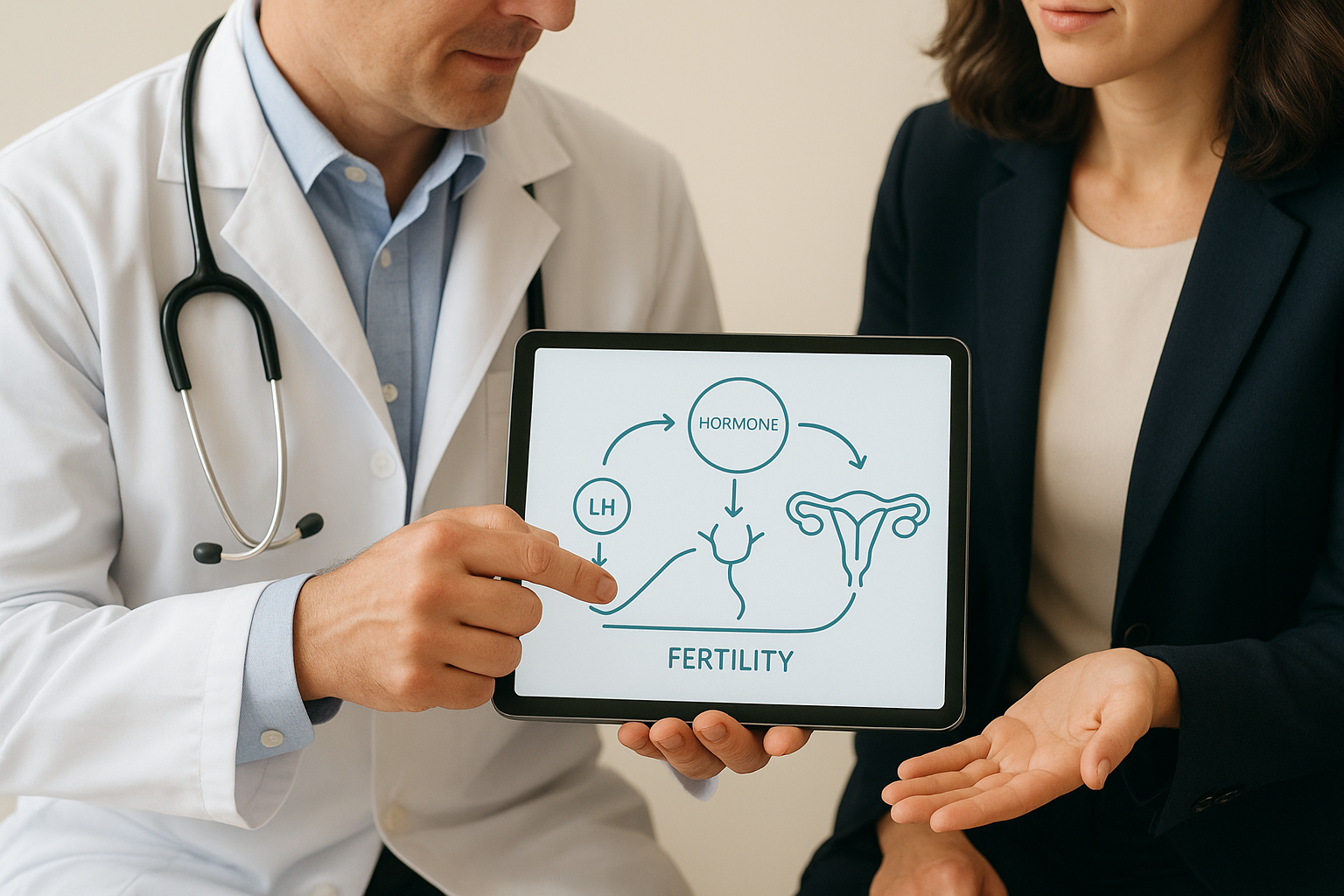
Knowing when to seek specialised help is a crucial step in your fertility journey. While your primary care doctor or gynaecologist can offer initial guidance, a fertility specialist has in depth expertise in reproductive medicine and can provide a tailored approach for PCOS related infertility.
We recommend consulting a fertility specialist if:
- You are under 35 and have been trying to conceive for 12 months or more without success.
- You are 35 or older and have been trying to conceive for 6 months or more without success.
- You have known factors like very irregular or absent periods (anovulation) that make natural conception extremely challenging.
- You have other coexisting conditions that might impact fertility.
A fertility specialist can perform thorough evaluations, offer advanced diagnostic tests, and develop a personalised treatment plan that optimises your chances of pregnancy. Taking this step is a proactive choice towards gaining clarity and moving forward with confidence.
Frequently Asked Questions About PCOS and Pregnancy
We know you have many questions, and finding clear answers can sometimes be difficult. Here, we address some common concerns you might have.
Q: Will I need IVF if I have PCOS?
A: Not necessarily. Many women with PCOS conceive successfully with lifestyle changes and ovulation induction medications like Letrozole or Clomiphene. IVF is typically considered if these initial treatments are unsuccessful or if there are other complicating factors.
Q: Can PCOS affect my pregnancy once I conceive?
A: Women with PCOS may have a slightly higher risk of certain pregnancy complications, such as gestational diabetes, preeclampsia, and preterm birth. However, with close monitoring and proper management by your healthcare team, most women with PCOS have healthy pregnancies and babies.
Q: Is it possible to get pregnant naturally with PCOS without medication?
A: Yes, it is possible, especially if you have mild PCOS and can achieve regular ovulation through lifestyle changes, such as weight management, a healthy diet, and stress reduction. Some women experience natural conception after consistent lifestyle modifications.
Conclusion and Encouragement
We know that navigating the path to parenthood with PCOS can feel like a significant challenge, but we want to leave you with a message of profound hope and empowerment. PCOS is a manageable condition, and with the right knowledge, support, and a personalised approach, your dream of having a child is absolutely within reach.
Remember, this journey is uniquely yours, and you are not alone. We are here to walk alongside you, offering science backed guidance with unwavering empathy, and empowering you to make confident choices for your reproductive health. Every step you take, whether it is a small dietary change or a significant medical decision, brings you closer to your goal.
Improve your reproductive health with a personalised plan tailored to your body. When you join Izana, you are not just choosing a plan. You are becoming part of a movement that challenges myths, empowers choices, and builds healthier futures. Join the Revolution!