- 1Integrate a low glycemic index diet, prioritize lean proteins and healthy fats, and limit refined sugars to improve insulin sensitivity and hormonal balance, crucial for PCOS management.
- 2Combine at least 150 minutes of weekly cardiovascular exercise with 2 3 strength training sessions to significantly enhance metabolic health and aid in weight management for PCOS.
- 3Practice daily stress reduction techniques like mindfulness and ensure consistent sleep hygiene to regulate hormones and support overall emotional wellbeing.
- 4Acknowledge the emotional impact of PCOS by practicing self compassion and seeking mental health support to cope with body image and fertility concerns.
- 5Seek professional medical advice for diagnosis and tailored treatment plans, complementing lifestyle changes with expert guidance for comprehensive PCOS care.
Lifestyle Hacks for Living with PCOS in India
Receiving a diagnosis of Polycystic Ovary Syndrome or PCOD can feel like stepping into a labyrinth. In India, where societal expectations often add another layer of pressure to a woman’s journey to parenthood, this diagnosis can bring with it a wave of confusion, anxiety, and sometimes, even isolation. You might be grappling with questions about your fertility, struggling with unexplained weight changes, or simply feeling overwhelmed by conflicting advice. At Izana, we understand this deeply. We know how challenging it can be to navigate the complexities of your body and your emotions, especially when the path ahead seems unclear. But we are here to tell you that you are not alone, and you absolutely have the power to take control of your health journey. We are your brilliant, trusted friend, ready to simplify the science and guide you with empathy every step of the way. Let's explore how thoughtful lifestyle adjustments can transform your experience with PCOS, empowering you towards a healthier, happier future, and a clearer path to parenthood.
Here is a summary of what we will cover:
- Understanding PCOS is the first step to effective management, focusing on hormonal balance and insulin resistance.
- Strategic dietary changes, prioritizing low glycemic index foods, can significantly improve insulin sensitivity and symptoms.
- Regular physical activity, blending cardio and strength training, is crucial for weight management and metabolic health.
- Mindful stress reduction and consistent sleep hygiene play a vital role in regulating hormones and boosting emotional wellbeing.
- Empower yourself by embracing these lifestyle shifts, seeking professional support when needed, and remember you are not alone on this journey.
Understanding PCOS and PCOD
Polycystic Ovary Syndrome, often referred to as PCOS, or PCOD, Polycystic Ovary Disease, is a common hormonal condition affecting women of reproductive age. While the terms are sometimes used interchangeably in India, it is helpful to understand the nuances. PCOS is considered a syndrome, meaning it is a collection of symptoms that occur together, involving complex hormonal imbalances. PCOD, on the other hand, often refers to the presence of multiple cysts on the ovaries without necessarily encompassing the full spectrum of hormonal and metabolic issues seen in PCOS (Monash University, 2023).
At its core, PCOS is characterized by three main features: irregular periods, excess androgen levels (male hormones), and polycystic ovaries (ovaries that may be enlarged and contain many small follicles). These factors combine to create a challenging environment within the body, impacting everything from ovulation to metabolism. A significant underlying issue in many women with PCOS is insulin resistance, where the body's cells do not respond effectively to insulin. This leads the pancreas to produce more insulin, driving up androgen levels and exacerbating PCOS symptoms.
Symptoms and Complications of PCOS
The symptoms of PCOS can vary greatly from person to person, making diagnosis and management a very personal journey. You might experience menstrual irregularity, which can range from infrequent periods to very heavy or prolonged bleeding. This directly impacts fertility, as irregular ovulation makes conception more challenging.
Beyond periods, many women grapple with weight management issues, often finding it difficult to lose weight even with significant effort. This is frequently linked to insulin resistance. Elevated androgen levels can lead to other visible symptoms such as acne, hirsutism (excess body or facial hair), and thinning hair on the scalp. Over time, if unmanaged, PCOS can lead to more serious complications, including an increased risk of type 2 diabetes, high blood pressure, and heart disease. It is a condition that affects your overall metabolic health, not just your reproductive system (Samal & Pal, 2022).
Importance of Lifestyle Modifications in PCOS Management
When you receive a PCOS diagnosis, it can feel like your body is working against you. But we want you to know that you have tremendous power to manage your symptoms and improve your health through informed lifestyle choices. Lifestyle modifications are not just supplemental; they are often the first line of defense and a cornerstone of effective PCOS management. Think of them as tools in your empowerment toolkit. These changes can directly address insulin resistance, help regulate hormonal imbalance, improve metabolic health, and significantly boost your chances of conception.
Dietary Changes for Insulin Resistance and Hormonal Balance
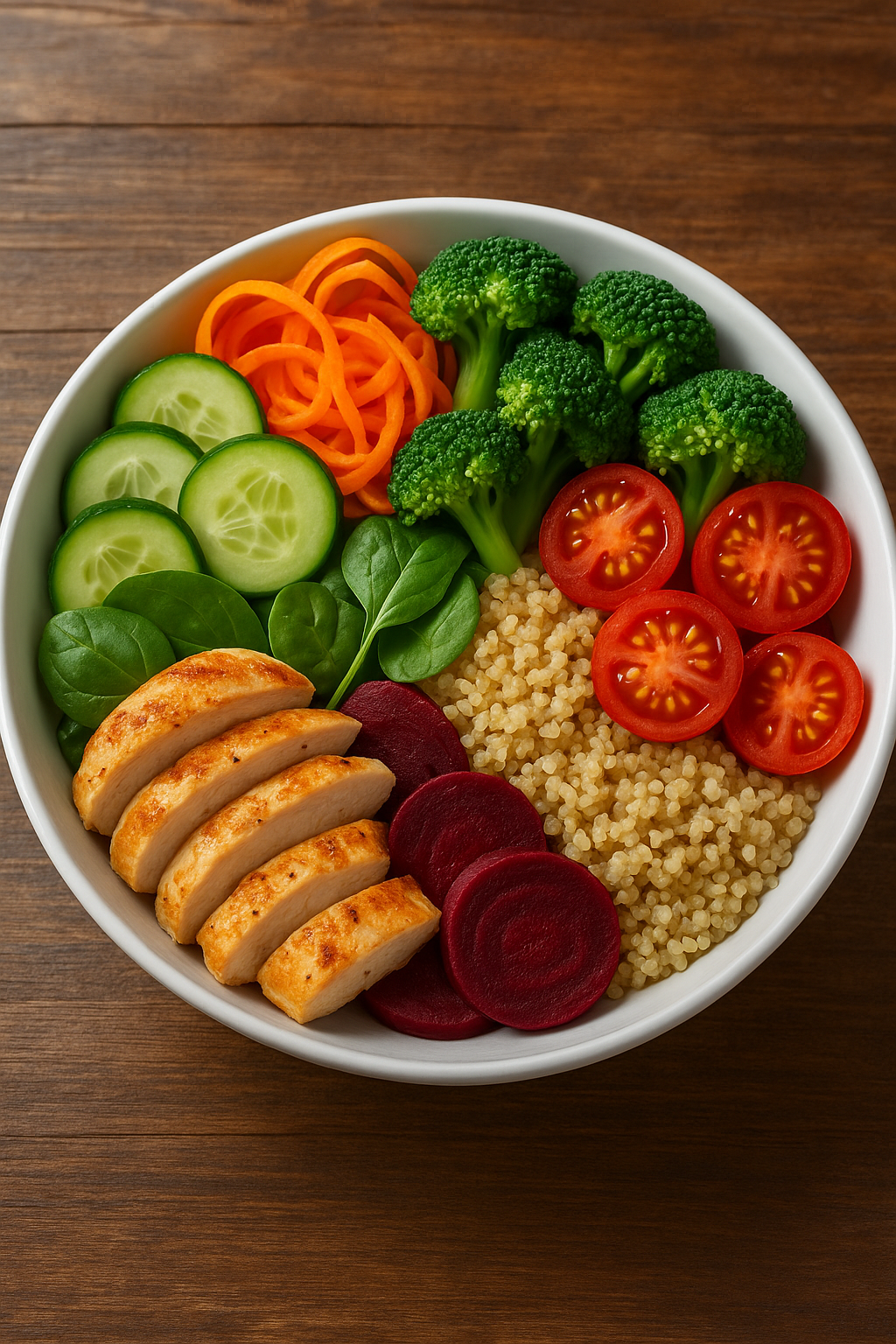
Nutrition plays a pivotal role in managing PCOS, especially when insulin resistance is involved. We are not talking about restrictive diets that leave you feeling deprived, but rather sustainable shifts that nourish your body. The goal is to stabilize blood sugar levels, reduce insulin spikes, and thereby help lower androgen levels. So, what does this mean for your plate?
- Focus on Low Glycemic Index Foods: Foods with a low glycemic index (GI) are digested more slowly, preventing rapid rises in blood sugar. This means choosing whole grains like brown rice, millets (ragi, bajra, jowar), and whole wheat over refined grains. Include plenty of lentils, beans, and nonstarchy vegetables.
- Prioritize Protein and Healthy Fats: Lean proteins such as chicken, fish, paneer, and dals help keep you full and stabilize blood sugar. Healthy fats found in avocados, nuts, seeds, and olive oil are essential for hormone production and satiety.
- Limit Refined Carbs and Sugars: These cause quick insulin spikes, worsening insulin resistance. Think about reducing sugary drinks, processed foods, and white bread.
- Small, Frequent Meals: Eating smaller meals more often can help maintain stable blood sugar throughout the day.
So, what about rice? It is a valid question, especially in the Indian diet. The answer is nuanced. While white rice has a higher GI, brown rice or parboiled rice are better choices. Pairing rice with plenty of vegetables, protein, and healthy fats can also help mitigate its impact on blood sugar. We encourage mindful consumption rather than outright elimination, focusing on overall dietary patterns. For some, specific approaches like a modified Mediterranean diet, rich in vegetables, fruits, whole grains, and healthy fats, or a carefully monitored ketogenic diet under professional guidance, have shown promise in managing insulin resistance and weight.
Effective Exercise: Combining Cardio and Strength Training
Physical activity is another powerful ally in your PCOS management journey. It is not just about weight loss; exercise directly improves insulin sensitivity, helps regulate hormonal balance, and boosts your mood. The best approach combines both cardiovascular activity and strength training.
- Cardio: Activities like brisk walking, jogging, cycling, swimming, or dancing for at least 150 minutes per week can significantly improve cardiovascular health and aid in weight management. Even 30 minutes of brisk walking most days of the week makes a difference.
- Strength Training: Incorporate strength exercises 2 3 times a week. This builds muscle mass, which is metabolically active and helps your body use glucose more efficiently, further improving insulin sensitivity. You can use bodyweight exercises, free weights, or resistance bands.
- Yoga and Pilates: These practices are excellent for flexibility, core strength, and stress reduction, offering holistic benefits for both body and mind.
Remember, consistency is far more important than intensity. Find activities you enjoy and that fit into your lifestyle. Start small, perhaps with a 15 minute walk daily, and gradually increase as your stamina builds.
Achieving and Maintaining Healthy Weight
Weight management is a frequent challenge for women with PCOS, often complicated by hormonal imbalances and insulin resistance. However, even a modest weight loss of 5 10% of your body weight can lead to significant improvements in PCOS symptoms, including more regular periods and improved fertility (Lim et al., 2019). This is not about striving for an arbitrary ideal; it is about finding a healthy weight that your body can sustain and that supports your overall wellbeing.
The key here is sustainable changes. Crash diets or extreme exercise regimens are rarely effective long term. Instead, focus on the dietary and exercise recommendations we have discussed. Combine these with mindful eating practices: paying attention to hunger and fullness cues, eating slowly, and savoring your meals. Seek support from healthcare professionals, including dietitians and fitness experts, who can provide personalized guidance tailored to your body and your lifestyle.
Stress Reduction Techniques and Sleep Hygiene
The emotional toll of PCOS, coupled with the pressures of daily life in India, can lead to significant stress. Chronic stress elevates cortisol levels, which can further disrupt hormonal balance and worsen insulin resistance. Therefore, stress management is not just an optional extra; it is a critical component of your PCOS care.
Similarly, good sleep hygiene is often overlooked but profoundly impacts hormonal health. Poor sleep can increase insulin resistance and inflammation, making PCOS symptoms harder to manage. We encourage you to prioritize restful sleep.
- Mindfulness and Meditation: Even 10 15 minutes a day can make a difference. Apps, guided meditations, or simply focusing on your breath can help calm your nervous system.
- Yoga and Deep Breathing: These practices are excellent for stress reduction and promoting relaxation.
- Nature Walks: Spending time outdoors can be incredibly restorative.
- Establish a Regular Sleep Schedule: Try to go to bed and wake up at the same time each day, even on weekends.
- Create a Relaxing Bedtime Routine: This could include a warm bath, reading a book, or gentle stretching.
- Optimize Your Sleep Environment: Make sure your bedroom is dark, quiet, and cool. Avoid screens for at least an hour before bed.
Emotional and Social Impact of Living with PCOS
Living with PCOS extends far beyond physical symptoms; it deeply impacts your emotional and social wellbeing. The journey can be isolating, leading to feelings of frustration, sadness, and even anger. It is crucial to acknowledge these emotions and seek healthy ways to cope. Remember, your feelings are valid, and you are not alone in experiencing them.
Many women with PCOS report struggles with anxiety and depression. The unpredictable nature of symptoms, from menstrual irregularity to hair growth, can significantly affect self perception and confidence. This is where the power of community and professional support becomes invaluable. Reaching out, sharing your experiences, and connecting with others who understand can create a profound sense of belonging and reduce feelings of isolation.

Coping with Body Image and Self Esteem
PCOS symptoms like hirsutism, acne, and weight gain can be incredibly challenging for body image and self esteem. In a society that often places immense pressure on women to conform to certain beauty standards, these symptoms can lead to feelings of inadequacy or shame. We want to challenge this narrative. Your worth is not defined by your symptoms or how your body looks.
Focus on self compassion. Treat your body with kindness and respect. Celebrate the small victories in your health journey. Surround yourself with supportive people who uplift you. Consider engaging in therapy or counseling; a mental health professional can provide tools and strategies for building a positive body image and self esteem, helping you navigate societal pressures with greater resilience.
Navigating Relationships and Fertility Concerns
PCOS can also impact relationships, particularly with partners and family. Fertility concerns are often at the forefront, creating stress and emotional strain within relationships. It is common to feel guilt, inadequacy, or fear about your ability to conceive. Open and honest communication with your partner is essential. Share your feelings, educate them about PCOS, and work together as a team.
When it comes to fertility, we want you to feel empowered. While PCOS can make conception more challenging, it certainly does not make it impossible for most women. Many women with PCOS go on to have successful pregnancies with the right support and interventions. This journey might require patience and working closely with fertility specialists who understand PCOS. Remember, Izana is here to help you understand your options and navigate this path with clarity and confidence, ensuring you feel supported every step of the way.
Practical Daily Lifestyle Tips and Small Wins
Overhauling your entire lifestyle at once can feel daunting. We encourage you to start with small, manageable changes that build into sustainable habits. Here are some practical tips you can incorporate into your daily routine:
- Hydrate Regularly: Drink plenty of water throughout the day.
- Mindful Eating: Pay attention to what and how you eat. Avoid eating while distracted.
- Incorporate More Fiber: Add a serving of fruit, vegetables, or whole grains to each meal.
- Plan Meals Ahead: This helps avoid impulsive, unhealthy food choices.
- Find a Movement Buddy: Exercising with a friend can boost motivation and accountability.
- Practice Daily Gratitude: Focus on positive aspects of your life to improve mental outlook.
- Limit Caffeine and Alcohol: These can disrupt sleep and hormonal balance.
- Keep a Journal: Track your symptoms, food intake, and mood to identify patterns.
Celebrate every small win. Did you choose a healthier snack? Did you walk for 20 minutes? These small steps accumulate into significant progress over time, building your confidence and reinforcing your commitment to a healthier you.
When to Seek Medical Advice and Professional Support
While lifestyle modifications are incredibly powerful, they are often best implemented in conjunction with professional medical advice. If you suspect you have PCOS, or if you have been diagnosed but are struggling to manage your symptoms, please do not hesitate to seek help. A gynecologist or endocrinologist can confirm your diagnosis, assess your specific hormonal profile, and recommend appropriate medical treatments, which might include medications to manage insulin resistance or regulate periods.
Additionally, consider building a support team around you. A registered dietitian can help you craft a personalized nutrition plan. A fitness professional can guide you in creating an effective and safe exercise routine. A mental health counselor can provide invaluable support for the emotional and psychological aspects of living with PCOS. Remember, seeking help is a sign of strength, and you deserve comprehensive care that addresses all aspects of your wellbeing.