- 1Lean PCOS involves hormonal imbalances and ovulatory dysfunction despite a normal BMI, distinguishing it from typical PCOS.
- 2Symptoms include irregular periods, hyperandrogenism (hirsutism, acne), and significant fertility challenges.
- 3Insulin resistance is a key underlying factor, even in lean individuals, influencing androgen production.
- 4Diagnosis relies on the Rotterdam criteria, and management combines tailored lifestyle changes (diet, exercise, stress reduction) with medical interventions like metformin and fertility treatments.
- 5Prioritising mental health and regular health checkups are crucial for long term wellbeing and successful management of Lean PCOS.
Navigating a "Lean PCOS" Diagnosis
Receiving a Polycystic Ovary Syndrome, or PCOS, diagnosis can feel overwhelming and isolating. You might have envisioned a clear path to starting your family, only to find yourself facing a confusing landscape of hormonal imbalances and medical terms. If you have been diagnosed with "Lean PCOS", this journey can feel even more perplexing. You might be thinking, "But I am not overweight; how can I have PCOS?" We understand this confusion, and we want you to know you are not alone. This is a common and valid question, and one we are here to answer with clarity and compassion.
At Izana, we believe that understanding your body is the first step towards empowerment. Lean PCOS is a specific presentation of PCOS where individuals experience the hormonal characteristics of the syndrome but maintain a normal or healthy body mass index, typically below 25 kg/m². It is a diagnosis that challenges conventional perceptions and highlights the complex nature of this condition. Our goal is to demystify Lean PCOS, providing you with the knowledge and tools you need to navigate your unique journey with confidence and support.
Here is what we will explore together in this guide:
- We will define what Lean PCOS is and how it differs from the more commonly understood "typical" PCOS.
- We will break down the key symptoms to help you recognise how Lean PCOS might manifest in your body.
- We will explore the underlying causes and how this impacts your reproductive health and overall wellbeing.
- We will discuss diagnosis methods and the crucial role of a comprehensive evaluation.
- We will empower you with knowledge about effective lifestyle and medical management strategies to help you manage symptoms and improve your fertility outlook.
What is Lean PCOS?
Lean PCOS is a subtype of Polycystic Ovary Syndrome where an individual meets the diagnostic criteria for PCOS despite having a normal or healthy body mass index, typically below 25 kg/m². While PCOS is often associated with obesity and insulin resistance, Lean PCOS demonstrates that the condition is far more nuanced. It is crucial to understand that body weight is not the sole determinant of PCOS; rather, it is a complex endocrine and metabolic disorder characterised by hormonal imbalances.
Think of it this way: PCOS is like a puzzle with many pieces. While overweight or obesity might be one common piece for many, in Lean PCOS, other pieces like androgen excess, irregular periods, and polycystic ovaries on ultrasound are present, even if the weight piece is not. This distinction is vital because it means that even without excess weight, the underlying hormonal disruptions that impact fertility and overall health are still at play.
Individuals with Lean PCOS can still experience significant symptoms, including ovulatory dysfunction and higher levels of male hormones (hyperandrogenism), which can affect everything from menstrual regularity to fertility. Understanding this helps us move beyond common misconceptions and focus on the specific needs of your body.
Symptoms of Lean PCOS
While the absence of obesity might make the diagnosis of Lean PCOS seem less obvious, the core hormonal disruptions lead to a distinct set of symptoms. Recognising these signs is the first step towards understanding your body and seeking appropriate care.
Menstrual Irregularities
One of the most common indicators of Lean PCOS is irregular periods. This can manifest as:
- Oligomenorrhea: Infrequent periods, meaning cycles longer than 35 days.
- Amenorrhea: Absence of periods for three months or more.
- Anovulation or Ovulatory Dysfunction: This is a key feature, where ovulation either does not occur regularly or at all. Without consistent ovulation, conception becomes challenging. The LH/FSH imbalance often seen in PCOS contributes to this, preventing the proper development and release of an egg (Rotterdam Consensus Group, 2004).
These irregularities stem from the hormonal imbalance that disrupts the normal ovulatory cycle, making it difficult for the ovaries to release an egg consistently each month.
Hyperandrogenism Signs
Hyperandrogenism refers to the presence of elevated male hormones, such as testosterone, in the body. Despite a normal BMI, individuals with Lean PCOS can still exhibit these signs prominently:
- Hirsutism: Excess growth of coarse, dark hair in patterns typically seen in males (e.g., face, chest, back).
- Acne: Persistent and often severe acne, particularly on the face, chest, and upper back, that may not respond to standard treatments.
- Androgenic Alopecia: Thinning of hair on the scalp or male pattern baldness.
These symptoms are direct results of the body producing more androgens than it should, impacting hair follicles and sebaceous glands.
Fertility Challenges
For many, the most distressing aspect of Lean PCOS is its impact on fertility. The irregular or absent ovulation directly interferes with the ability to conceive naturally. Without a regularly released egg, the chances of fertilisation are significantly reduced. We understand that this can be a source of immense emotional stress, and we want you to know that there are many paths forward and you are not alone on this journey.
Mental and Emotional Health Impacts
Living with a chronic condition like Lean PCOS, especially one that impacts fertility and physical appearance, can take a significant toll on mental and emotional wellbeing. We often see individuals experiencing:
- Anxiety and depression
- Body image concerns
- Increased stress, particularly around fertility struggles
It is incredibly important to acknowledge these emotional aspects and seek support. Your mental health is just as vital as your physical health, and we are here to support you holistically.
Causes and Risk Factors of Lean PCOS
The exact cause of Lean PCOS, like other forms of PCOS, is not fully understood, but it is believed to be a multifactorial condition involving a combination of genetic and environmental factors. Several key mechanisms contribute to its development:
- Genetics: There is a strong genetic predisposition to PCOS. If your mother or sister has PCOS, you are at a higher risk, even if you maintain a normal weight.
- Insulin Resistance: This is a central player, even in lean individuals. Insulin resistance means your body's cells do not respond effectively to insulin, leading the pancreas to produce more insulin (hyperinsulinemia) to compensate. High insulin levels can stimulate the ovaries to produce more androgens, further contributing to hormonal imbalance and ovulatory dysfunction (Diamanti Kandarakis, 2018). Think of insulin resistance like a key that does not quite fit the lock anymore, requiring more keys to open the door.
- Inflammation: Chronic low grade inflammation is often observed in individuals with PCOS, including those with Lean PCOS. This inflammation can exacerbate insulin resistance and contribute to androgen production.
- Hormonal Imbalance: Beyond insulin, an imbalance in other hormones like luteinising hormone (LH) and follicle stimulating hormone (FSH) is common. An elevated LH/FSH ratio can lead to immature follicles and prevent ovulation.
- Androgen Excess: The increased production of androgens by the ovaries and adrenal glands is a hallmark feature, driving symptoms like hirsutism and acne.
Understanding these underlying factors is key to developing an effective management plan tailored to your specific needs.

How is Lean PCOS Diagnosed?
Diagnosing Lean PCOS follows the same established guidelines as typical PCOS, primarily using the Rotterdam criteria. It is important to remember that a normal BMI does not exclude a diagnosis. To be diagnosed with PCOS, an individual must present with at least two out of three of the following criteria:
- Oligo and/or Anovulation: Meaning infrequent or absent ovulation, often indicated by irregular periods.
- Clinical and/or Biochemical Signs of Hyperandrogenism: Clinical signs include hirsutism or severe acne. Biochemical signs are elevated androgen levels in blood tests.
- Polycystic Ovaries on Ultrasound (PCOM): This refers to the presence of 12 or more follicles measuring 2 to 9 mm in diameter in at least one ovary, and/or increased ovarian volume (>10 mL) (Rotterdam Consensus Group, 2004). It is important to note that these are small, immature follicles, not cysts in the traditional sense.
A comprehensive diagnosis also involves ruling out other conditions that might mimic PCOS symptoms, such as thyroid disorders or elevated prolactin levels. Your doctor will likely conduct a thorough medical history, physical examination, and blood tests to measure hormone levels, including androgens, LH, FSH, and thyroid hormones. Glucose and insulin levels may also be checked to assess for insulin resistance, even if you are lean. An ultrasound examination of your ovaries will help determine ovarian morphology.
Differences Between Lean PCOS and Typical PCOS
While both Lean PCOS and typical PCOS share the core diagnostic criteria of hyperandrogenism and ovulatory dysfunction, the primary distinguishing factor is body weight. Typical PCOS is often associated with overweight or obesity, which can exacerbate insulin resistance and metabolic syndrome. However, in Lean PCOS, individuals maintain a normal BMI.
Here is a breakdown of the key differences:
- Body Mass Index (BMI): This is the most obvious difference. Lean PCOS individuals have a BMI within the healthy range, while typical PCOS often presents with a BMI above 25.
- Metabolic Profile: While insulin resistance is common in both, it might be less severe or present differently in lean individuals. However, the risk of developing metabolic syndrome, including type 2 diabetes risk, is still present in Lean PCOS and warrants careful monitoring.
- Severity of Symptoms: The severity of symptoms like hirsutism, acne, and menstrual irregularities can vary widely in both groups and is not solely dependent on weight.
- Management Approach: While lifestyle interventions are crucial for both, the emphasis might shift. For typical PCOS, weight loss is often a primary recommendation. For Lean PCOS, the focus is on weight neutral treatment, addressing insulin sensitivity, reducing inflammation, and managing androgen excess without targeting weight reduction.
Understanding these distinctions helps us tailor treatment plans more effectively, ensuring you receive care that is precisely right for your unique body and its needs.
Impact of Lean PCOS on Fertility and Pregnancy
The primary concern for many individuals with Lean PCOS is its impact on fertility. The irregular or absent ovulation directly interferes with the ability to conceive naturally. Without a regularly released egg, the chances of fertilisation are significantly reduced.
Beyond difficulty conceiving, Lean PCOS can also pose challenges during pregnancy. There is an increased risk of:
- Miscarriage
- Gestational diabetes
- Preeclampsia
- Preterm birth
However, it is vital to remember that a diagnosis of Lean PCOS does not mean you cannot have a healthy pregnancy. With proper management and support, many individuals with Lean PCOS go on to conceive and have successful pregnancies. Early diagnosis, proactive management, and working closely with fertility specialists are key to navigating these challenges effectively. Your emotional wellbeing throughout this process is incredibly important, and we are here to support you every step of the way.
Treatment and Management of Lean PCOS
Managing Lean PCOS is about creating a personalised strategy that addresses your specific symptoms and goals, whether that is regulating periods, managing hyperandrogenism, or improving fertility. The approach combines lifestyle modifications with medical interventions, all aimed at restoring hormonal balance and improving overall health.
Lifestyle Modifications
Even for lean individuals, lifestyle plays a crucial role in managing PCOS symptoms and improving insulin sensitivity. These are not about weight loss, but about optimising your body's function.
Diet Guidance for Lean PCOS
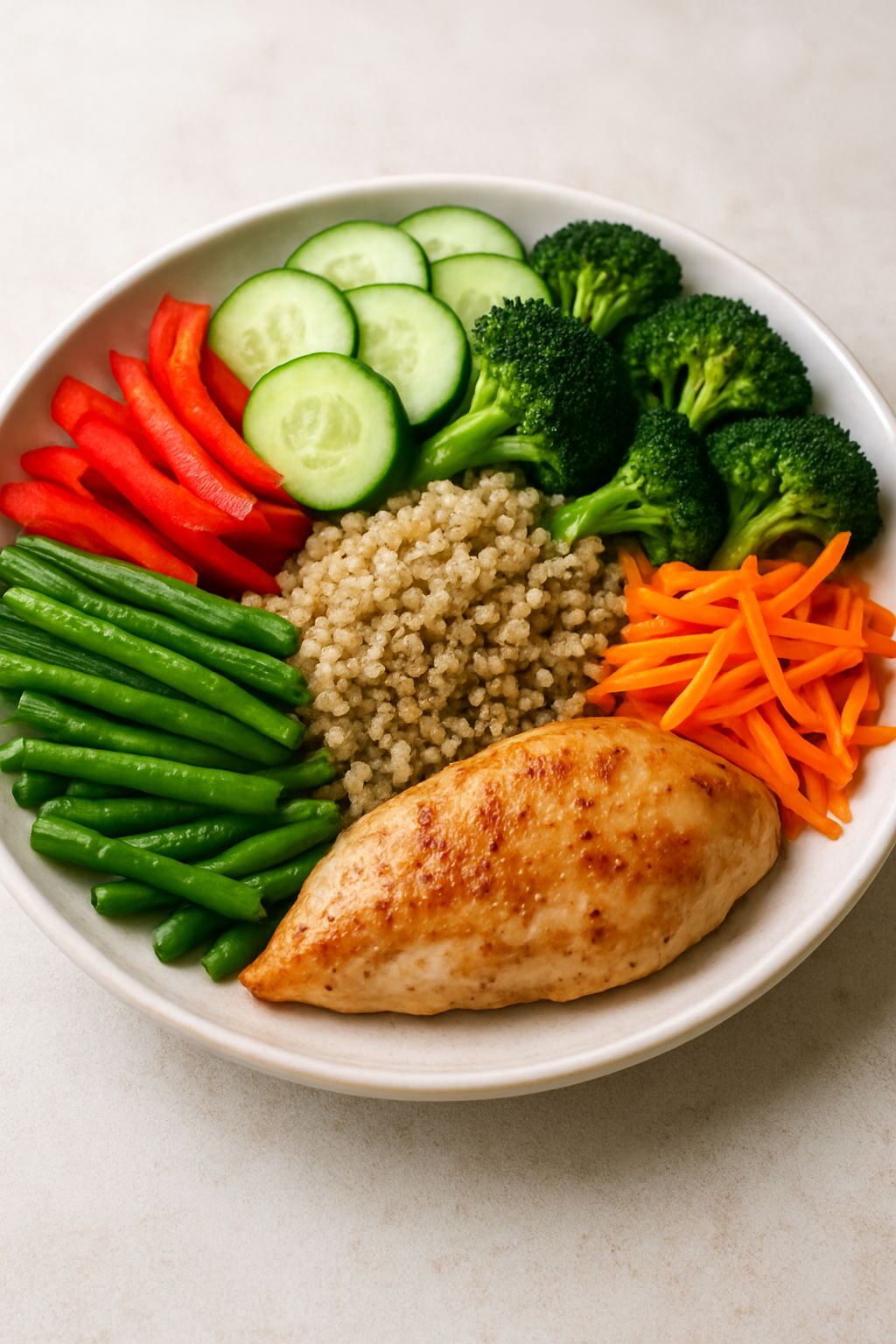
Nutrition is a powerful tool in managing Lean PCOS. The focus should be on stabilising blood sugar, reducing inflammation, and supporting hormonal balance. This is not about restrictive dieting, but about making informed choices that nourish your body.
- Prioritise Whole Foods: Emphasise unprocessed foods like fruits, vegetables, lean proteins, and healthy fats.
- Manage Carbohydrate Intake: While not necessarily low carb, focusing on complex carbohydrates with a lower glycemic index can help manage insulin levels. So, what about rice? It is a valid question, and the answer is nuanced. Opt for brown rice over white, or smaller portions. Pairing carbohydrates with protein and healthy fats helps slow down sugar absorption.
- Increase Fibre: Fibre rich foods aid in blood sugar control and gut health, which can reduce inflammation.
- Include Healthy Fats: Omega 3 fatty acids found in fish, flaxseeds, and walnuts can help reduce inflammation.
- Hydration: Drink plenty of water throughout the day.
A personalised diet for Lean PCOS should always consider your cultural context and individual preferences, ensuring it is sustainable and enjoyable.
Exercise and Physical Activity
Regular physical activity is beneficial for everyone, and particularly for those with Lean PCOS. It helps improve insulin sensitivity, reduce stress, and promote overall wellbeing, even without significant weight loss goals.
- Strength Training: Building muscle mass can significantly improve insulin sensitivity and glucose metabolism.
- Cardiovascular Exercise: Regular moderate intensity cardio, like brisk walking, jogging, or cycling, supports heart health and can help manage insulin levels.
- Flexibility and Balance: Activities like yoga or Pilates can aid in stress management and body awareness.
The key is consistency and finding activities you enjoy, making them a sustainable part of your routine.
Stress Reduction Techniques
Stress can significantly impact hormonal balance, exacerbating PCOS symptoms. Incorporating stress management techniques into your daily life is crucial for holistic wellbeing.
- Mindfulness and Meditation: Practices like meditation or deep breathing exercises can help calm the nervous system.
- Yoga and Pilates: These combine physical activity with mental focus and breathwork.
- Adequate Sleep: Prioritise 7 to 9 hours of quality sleep per night, as poor sleep can negatively affect hormones and insulin sensitivity.
- Connecting with Nature: Spending time outdoors can reduce stress levels.
Finding what works for you to manage stress can have a profound positive impact on your symptoms.
Medical Interventions
In addition to lifestyle changes, various medical treatments can help manage Lean PCOS symptoms and address fertility concerns.
Metformin and Hormonal Therapies
- Metformin: This medication is commonly used to improve insulin sensitivity, even in lean individuals with PCOS. It can help regulate menstrual cycles, reduce androgen levels, and improve ovulation rates.
- Hormonal Contraceptives: Oral contraceptive pills can regulate periods, reduce androgen levels, and improve symptoms like hirsutism and acne by suppressing ovarian androgen production. However, these do not address the underlying insulin resistance and are not suitable if you are trying to conceive.
- Anti Androgens: Medications like spironolactone can help block the effects of an drogens, further reducing symptoms like hirsutism and acne.
- Supplements: Certain supplements, such as myoinositol, have shown promise in improving insulin sensitivity and restoring ovulatory function in some individuals with PCOS. Always consult your healthcare provider before starting any supplements.
Your doctor will help determine the most appropriate medical strategy based on your specific symptoms and goals.
Fertility Treatments
If fertility is a primary concern, several treatments can help you conceive:
- Ovulation Induction Medications: Oral medications like clomiphene citrate or letrozole are often the first line of treatment. They stimulate the ovaries to produce and release eggs.
- Gonadotropins: Injectable hormones that more directly stimulate ovarian follicle growth, used when oral medications are not effective.
- In Vitro Fertilisation (IVF): For individuals who do not respond to other fertility treatments, IVF may be an option. This involves stimulating the ovaries, retrieving eggs, fertilising them outside the body, and transferring the embryos back into the uterus.
Working closely with a fertility specialist will ensure you receive personalised guidance and the most effective treatment plan for your unique situation.
Living with Lean PCOS: Support and Lifestyle Tips
Living with Lean PCOS is a journey that requires ongoing self care, awareness, and support. It is about embracing a holistic approach to your health, understanding that every aspect impacts your wellbeing.
- Build a Support System: Connect with others who understand what you are going through. Online communities, support groups, or simply confiding in trusted friends and family can make a huge difference to your emotional wellbeing.
- Prioritise Mental Health: Do not hesitate to seek professional help from therapists or counsellors, especially if you are experiencing anxiety, depression, or distress related to your diagnosis or fertility journey.
- Regular Health Check ups: Even with a normal BMI, regular monitoring for metabolic syndrome, type 2 diabetes risk, and cardiovascular health is important. PCOS is a long term condition that benefits from proactive health management.
- Empower Yourself with Knowledge: Continue to learn about your condition. The more you understand, the better equipped you will be to make informed decisions and advocate for your health.
- Be Patient and Kind to Yourself: Managing PCOS is not a quick fix. There will be good days and challenging days. Celebrate small victories and be compassionate with yourself throughout the process.
Remember, you are not defined by your diagnosis. You are strong, resilient, and capable of navigating this journey.
Common Questions about Lean PCOS
We often hear many questions from individuals navigating a Lean PCOS diagnosis. Here are some of the most common ones we address:
Can I still have insulin resistance if I am lean?
Absolutely. Insulin resistance can occur in individuals of any weight. In Lean PCOS, the body's cells may not respond efficiently to insulin, leading to compensatory hyperinsulinemia that drives androgen production, even without excess body fat.
Is Lean PCOS less severe than typical PCOS?
Not necessarily. While lean individuals may have a lower risk of certain metabolic complications like severe type 2 diabetes, the severity of reproductive symptoms like ovulatory dysfunction, hyperandrogenism, and fertility challenges can be just as significant. Every individual's experience is unique.
Will I need to lose weight if I have Lean PCOS?
No, weight loss is not a primary treatment goal for Lean PCOS, as you already maintain a healthy BMI. The focus of lifestyle modifications will be on improving insulin sensitivity, reducing inflammation, and optimising hormonal balance through diet and exercise, not on weight reduction.
Can Lean PCOS turn into typical PCOS?
While it is possible for individuals with Lean PCOS to gain weight over time, potentially shifting their metabolic profile, the underlying hormonal characteristics of PCOS remain. The focus should be on managing the condition regardless of weight fluctuations.
Are there specific supplements that help with Lean PCOS?
Certain supplements like myoinositol, Vitamin D, and Omega 3 fatty acids have shown promise in managing various aspects of PCOS, including insulin sensitivity and ovulatory function. However, it is essential to discuss any supplements with your doctor to ensure they are appropriate and safe for your specific situation.
Conclusion: Managing Lean PCOS Successfully
Navigating a Lean PCOS diagnosis can feel like a complex puzzle, but with the right knowledge and support, you have the power to put the pieces together. We have walked through what Lean PCOS means, its unique symptoms, the underlying causes, and a range of effective management strategies, from targeted nutrition and exercise to medical interventions. Our hope is that you now feel more informed, empowered, and less alone on your path.
Remember, Lean PCOS is a condition that requires a personalised, holistic approach. It is not about a one size fits all solution, but about understanding your body's unique needs and responding to them with care and precision. You are an active participant in your health journey, and every step you take towards understanding and managing your symptoms is a step towards a clearer, more confident future.
Improve your reproductive health with a personalised plan tailored to your body. When you join Izana, you are not just choosing a plan. You are becoming part of a movement that challenges myths, empowers choices, and builds healthier futures. Join the Revolution.
"