- 1Prepare a comprehensive list of questions for your fertility specialist covering IVF procedures, success rates, and potential risks like OHSS.
- 2Understand the crucial fertility tests required before starting an IVF cycle to accurately assess ovarian reserve and overall reproductive health.
- 3Evaluate the pros and cons of fresh versus frozen embryo transfers and the implications of single versus multiple embryo transfers for your specific situation.
- 4Proactively address financial planning for IVF by understanding all costs, insurance coverage, and available financing or grant options.
- 5Prioritise emotional well being by seeking counseling support and implementing stress management techniques throughout the demanding IVF journey.
Questions to Ask Your Fertility Specialist Before Starting Treatment
Embarking on a fertility journey, especially one involving treatments like IVF, can feel like navigating an unfamiliar ocean. We know how overwhelming it can be, filled with hope, anxiety, and a myriad of complex information. It is easy to feel isolated, unsure of where to turn or what questions to even begin asking. At Izana, we are here to be your brilliant, trusted friend, guiding you through every wave with compassion and clarity.
This journey is uniquely yours, and understanding your body and your options is the first step towards feeling empowered. Preparing for your initial consultation with a fertility specialist is crucial. It is your opportunity to gain clarity, build confidence, and ensure you are making informed decisions tailored to your specific needs. Let us walk through this together, equipping you with the knowledge to lead these vital conversations.
- Preparing for IVF begins with asking the right questions to your fertility specialist to understand every step of the process.
- Understanding your specific infertility causes helps clarify the most suitable treatment path for you, differentiating options like IUI versus IVF.
- An IVF cycle involves several distinct steps, from ovarian stimulation and egg retrieval to embryo development and transfer, with choices like fresh or frozen transfers.
- It is crucial to be aware of potential risks such as Ovarian Hyperstimulation Syndrome (OHSS) and plan for robust emotional support throughout your journey.
- Comprehensive planning, including financial considerations and understanding long term options like embryo disposal, is key for a holistic and stress free approach.
Understanding IVF Treatment
What is IVF and How Does It Work?
In Vitro Fertilisation (IVF) is a powerful assisted reproductive technology that has brought countless families together. Simply put, IVF involves fertilising an egg with sperm outside the body, in a laboratory dish. Think of it like bringing together the ingredients for life in a controlled environment, giving them the best chance to combine successfully. Once fertilisation occurs, the resulting embryo is then carefully transferred back into the woman's uterus.
The entire IVF cycle typically involves several key stages: ovarian stimulation to produce multiple eggs, egg retrieval from the ovaries, fertilisation in the lab, embryo development, and finally, embryo transfer into the uterus. Each step is meticulously monitored by your fertility team to optimise the chances of success. Understanding this process demystifies IVF, making it feel less daunting and more like a carefully orchestrated journey towards your dream.
Causes of Infertility and Treatment Options (IUI vs IVF)
Infertility can stem from a wide range of factors affecting either partner, or sometimes a combination. Common causes include issues with ovulation (such as Polycystic Ovary Syndrome, PCOS), blocked fallopian tubes, endometriosis, low sperm count or poor sperm quality (male factor infertility), or unexplained infertility. Knowing the specific infertility causes for you is paramount, as it directly influences the recommended treatment.
When considering treatment options, you might hear about Intrauterine Insemination (IUI) and IVF. IUI is a less invasive procedure where sperm is directly placed into the uterus around the time of ovulation. It is often recommended for unexplained infertility, mild male factor infertility, or cervical factor infertility. IVF, on the other hand, is generally suggested for more complex issues, such as blocked fallopian tubes, severe male factor infertility, or when IUI has not been successful. Your fertility specialist will discuss which approach is best suited for your unique circumstances, always with your health and goals in mind.
IVF Success Rates and Factors Affecting Success
One of the most common questions we hear is about IVF success rates. It is important to remember that these rates vary significantly based on individual factors. Age is a primary determinant, with success rates generally higher for younger women due to better egg quality and ovarian reserve. Other influential factors include the cause and duration of infertility, the quality of eggs, sperm, and embryos, the specific fertility clinic's expertise, and previous fertility history.
It is also crucial to discuss these rates transparently with your fertility specialist. Ask them about their clinic's specific success rates for your age group and diagnosis. While statistics provide a general picture, your personal journey is unique. Focusing on optimising every aspect of your health and treatment plan is more empowering than dwelling on broad averages. Remember, every success story began with hope and a well informed plan.
Preparing for Your IVF Consultation
Essential Questions to Ask Your Fertility Specialist
Your first consultation is not just about listening; it is about engaging in a two way conversation. Here are some essential questions to ask your fertility specialist, empowering you to take control:
- What are our specific infertility causes? Understanding your diagnosis is the foundation.
- What fertility tests do we need before starting an IVF cycle? Discuss specific blood tests, imaging, and semen analysis.
- What are our chances of success with IVF, considering our unique profile? Ask for personalised statistics rather than general ones.
- What type of ovarian stimulation protocol do you recommend for me, and why? Understand the medications and potential side effects.
- How many embryos do you recommend for embryo transfer, and what are the risks of multiple embryo transfer versus single embryo transfer? This is vital for your health and that of any potential babies.
- Do you recommend preimplantation genetic testing (PGT) for our embryos, and what are its benefits and risks? PGT can screen for chromosomal abnormalities.
- What are the differences between a fresh embryo transfer and a frozen embryo transfer, and which is better for us? Understand the pros and cons of each.
- What are the potential risks and side effects of IVF, including Ovarian Hyperstimulation Syndrome (OHSS)? Knowing what to expect helps you prepare.
- What kind of emotional support or counseling support is available during treatment? Your mental well being is as important as your physical health.
- What are the total estimated IVF costs, and what does this include? Get a clear breakdown of fees, medications, and potential hidden costs.
- What are the options for unused embryo freezing and future embryo disposal options? These are important long term considerations.
- How often will we communicate with the fertility clinic team during the IVF cycle? Understand the communication channels and expected response times.
- What lifestyle changes for fertility do you recommend for us to improve IVF outcomes? Discuss specific recommendations regarding fertility diet, exercise, and stress reduction.
Required Fertility Tests Before IVF
Before you even begin an IVF cycle, a comprehensive battery of fertility tests is essential. These tests help your fertility specialist understand your reproductive health, identify potential challenges, and tailor the most effective treatment plan. For women, tests often include blood work to check hormone levels (such as FSH, LH, AMH for ovarian reserve), thyroid function, and vitamin D. Imaging tests like ultrasounds and hysterosalpingography (HSG) may be performed to assess uterine health and fallopian tube patency.
For male partners, a detailed semen analysis is crucial to evaluate sperm count, motility, and morphology. In some cases, genetic testing may also be recommended for both partners. These diagnostic steps, while sometimes extensive, are foundational. They paint a clear picture of your unique situation, allowing your brilliant, trusted friend, the specialist, to guide you with precision and care.
The journey through fertility treatment is deeply personal, and while the science is complex, our goal is always to make it understandable and empowering for you. Remember that every question you ask brings you closer to clarity and confidence.
Lifestyle Changes and Supplements to Improve IVF Outcomes
While medical interventions are central to IVF, your lifestyle plays a significant supporting role. Many studies highlight the positive impact of lifestyle changes for fertility on IVF outcomes. A balanced fertility diet, rich in whole grains, lean proteins, fruits, and vegetables, can improve egg and sperm quality. Limiting processed foods, excessive sugar, and caffeine is generally advised. Regular, moderate exercise can enhance blood flow to reproductive organs and help manage stress, but avoid intense workouts that might negatively impact hormonal balance.
Quitting smoking and reducing alcohol intake are paramount for both partners. Your specialist might also recommend specific fertility medications or supplements, such as folic acid, CoQ10, or Vitamin D, based on your individual needs. Always discuss any supplements with your doctor to ensure they are safe and beneficial. These proactive steps give you a sense of agency, allowing you to contribute actively to your journey.
The IVF Treatment Process
Step-by-Step IVF Cycle Overview
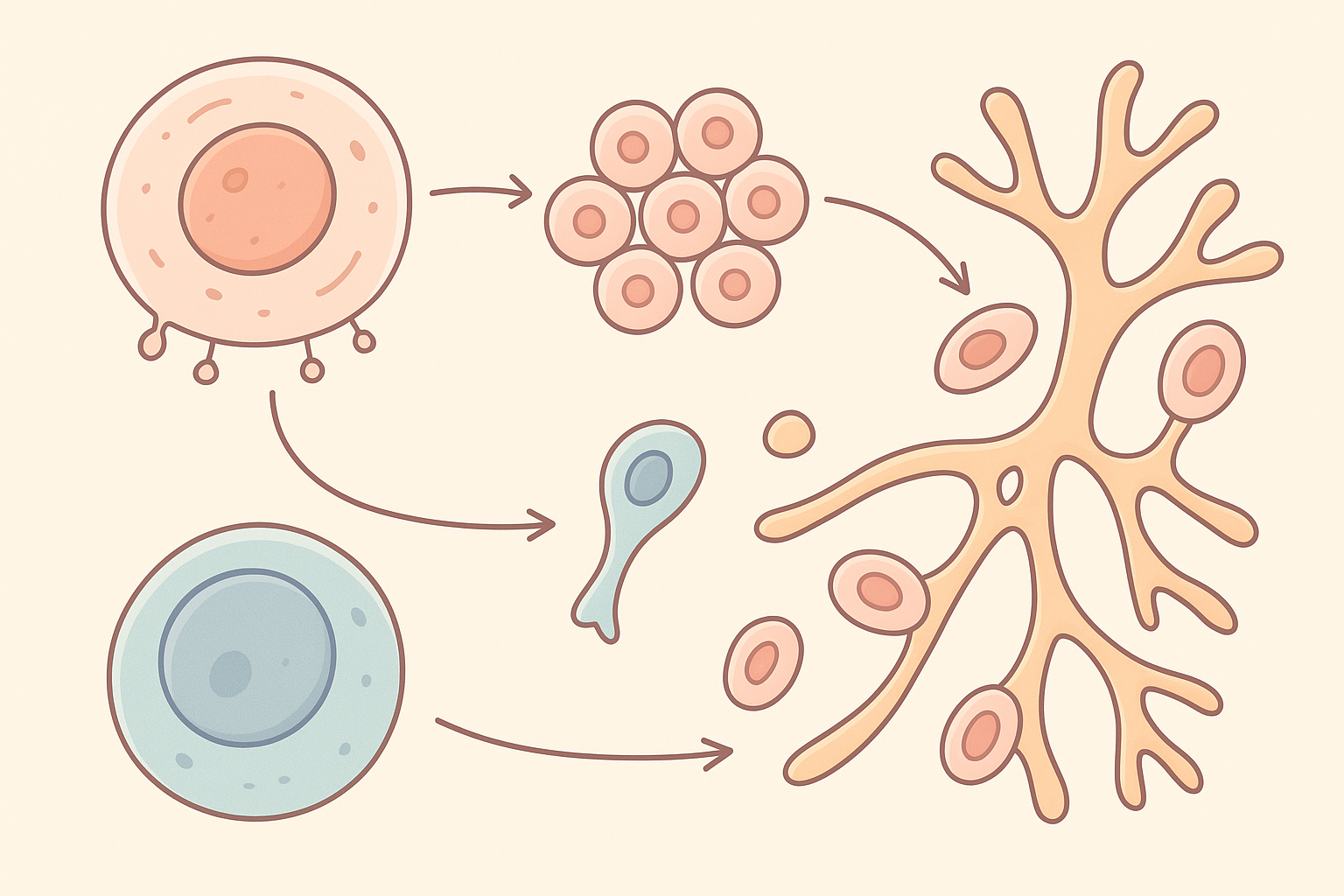
Understanding the IVF cycle step by step can alleviate much of the anxiety. It begins with ovarian stimulation, where you will take fertility medications to encourage your ovaries to produce multiple eggs instead of just one. This phase is closely monitored with blood tests and ultrasounds. Next comes egg retrieval, a minor surgical procedure performed under sedation, where mature eggs are collected from your ovaries.
Simultaneously, sperm is collected from your partner or a donor. The eggs and sperm are then combined in the lab for fertilisation to create embryos. Over the next few days, these embryos are carefully monitored for embryo development. Finally, the chosen embryo transfer takes place, where one or more embryos are gently placed into your uterus. A pregnancy test typically follows about two weeks later. This structured process is designed to maximise your chances, with each step meticulously handled by experts.
Fresh vs Frozen Embryo Transfer: Pros and Cons
When it comes to embryo transfer, you will often hear about two main types: fresh embryo transfer and frozen embryo transfer. In a fresh transfer, embryos are transferred to the uterus a few days after egg retrieval. The main advantage is that it happens quickly, without needing to freeze and thaw. However, the uterine environment might not always be ideal due to the stimulation medications.
A frozen embryo transfer (FET) involves embryos that were previously frozen and are thawed before transfer. Many specialists now prefer FET because it allows the woman's body to recover from ovarian stimulation, potentially creating a more receptive uterine lining. While there is an extra step of freezing and thawing, success rates with FET have become very comparable, and sometimes even higher, than fresh transfers. Your specialist will discuss which option is best for your body, considering factors like OHSS risk and uterine receptivity.
It is important to trust the process and the expertise of your fertility specialist. Their recommendations are always aimed at giving you the best possible chance of success while prioritising your health and well being.
Embryo Genetic Testing: Is It Right for You?
Preimplantation genetic testing (PGT) is an advanced technique that allows embryos to be screened for genetic abnormalities before transfer. There are different types, such as PGT A (aneuploidy) to check for chromosomal number errors, PGT M (monogenic) for specific genetic diseases, and PGT SR (structural rearrangement) for chromosomal structural issues. The primary benefit is to increase the chances of a successful pregnancy and reduce the risk of miscarriage by transferring only chromosomally normal embryos.
However, PGT is not without its considerations. It is an additional cost, involves a biopsy of the embryo (which carries a very small risk), and may sometimes yield inconclusive results. Your fertility specialist will discuss whether PGT is recommended for your situation, particularly if you have a history of recurrent miscarriages, advanced maternal age, or known genetic conditions in your family. This is a complex decision, and we are here to help you weigh the options with clear, evidence based information.
Single vs Multiple Embryo Transfer: Risks and Recommendations
The decision of whether to transfer one embryo (single embryo transfer) or multiple embryos (multiple embryo transfer) is a crucial one. While transferring more than one embryo might seem like it increases your chances, it also significantly raises the IVF risks of multiple pregnancies (twins, triplets), which carry higher risks for both the mother and the babies. These risks include premature birth, low birth weight, gestational diabetes, and preeclampsia.
Many fertility clinics, including those adopting best practices, now strongly advocate for single embryo transfer, especially when high quality embryos are available. This approach optimises the chance of a healthy singleton pregnancy, which is the safest outcome. Your fertility specialist will provide recommendations based on your age, embryo quality, previous IVF cycles, and overall health. Always lean towards the safest path for you and your future child, even if it feels like a longer route.
Potential Risks and Side Effects of IVF
Understanding Ovarian Hyperstimulation Syndrome (OHSS)
One of the more serious, though generally rare, risks associated with ovarian stimulation is Ovarian Hyperstimulation Syndrome (OHSS). This occurs when the ovaries overreact to the fertility medications, becoming swollen and painful. Symptoms can range from mild (bloating, nausea, abdominal discomfort) to severe (rapid weight gain, severe abdominal pain, vomiting, shortness of breath). While mild OHSS is common and manageable, severe OHSS requires immediate medical attention.
Your fertility specialist will monitor you closely during the stimulation phase to minimise the risk of OHSS. This includes regular ultrasounds and blood tests to track your hormone levels and follicle growth. If there is a high risk, your doctor may adjust medication doses or recommend a frozen embryo transfer to allow your ovaries to recover. Knowing the signs and symptoms of OHSS is important so you can report any concerns to your team immediately.
Emotional and Physical Considerations
Beyond the physical procedures, the emotional toll of IVF can be profound. The constant cycle of hope and waiting, the hormone fluctuations from fertility medications, and the financial stress can all contribute to significant emotional strain. It is common to experience anxiety, sadness, frustration, and even depression during this time. You are not alone in these feelings.
Physically, you might experience discomfort from injections, bloating, fatigue, and mood swings. It is vital to acknowledge these feelings and physical sensations without judgment. Allowing yourself space for rest, self care, and open communication with your partner and support network is crucial. Remember, this is a marathon, not a sprint, and nurturing your emotional well being is just as important as the physical steps.
Managing Risks During Treatment
Effective risk management during IVF hinges on clear communication and proactive monitoring. Your fertility clinic will schedule regular appointments for blood tests and ultrasounds to closely track your response to medications, assess embryo development, and identify any potential issues early. It is essential for you to follow all instructions diligently and report any unusual symptoms or concerns immediately to your team.
Do not hesitate to ask questions if something feels off or if you need clarification. Being an active participant in your care, informed and engaged, empowers you to navigate treatment with greater confidence and peace of mind. Your fertility specialist and their team are there to ensure your safety and optimise your chances of a healthy pregnancy.
What Happens If IVF Is Unsuccessful?
Diagnosing Reasons for IVF Failure
It is incredibly disheartening when an IVF cycle does not result in a pregnancy. We understand the profound grief and disappointment this can bring. However, it is important to remember that one unsuccessful cycle does not define your entire journey. Your fertility specialist will carefully review all aspects of the previous cycle to identify potential reasons for failure. This might involve re assessing egg quality, sperm quality (including male factor infertility), embryo development, uterine receptivity, and hormone levels.
Sometimes, further diagnostic tests may be recommended, such as endometrial receptivity analysis (ERA), hysteroscopy, or advanced genetic testing of embryos or parents. This investigative phase, though difficult, is a crucial step towards understanding what happened and adjusting the strategy for future attempts. It is about learning and refining, not giving up.
When to Consider Donor Eggs or Alternative Options
If recurrent IVF failures point to issues with egg quality or ovarian reserve, your fertility specialist might discuss alternative paths, such as using donor eggs. This can be a profound decision, and it is important to take the time to process the emotional implications. Donor eggs offer a high success rate, particularly for women with diminished ovarian reserve or those of advanced reproductive age. The process involves finding a suitable donor, and the IVF cycle proceeds using the donor's eggs with your partner's sperm.

Other alternatives might include donor sperm, donor embryos, or gestational surrogacy. For some, the path to parenthood might lead to adoption. These are deeply personal choices, and your fertility clinic, along with counseling support, can provide guidance and resources to help you explore every option with clarity and compassion. There are many ways to build a family, and we are here to support you in finding the right path for you.
Financial Considerations and Support
Understanding IVF Costs
The financial aspect of fertility treatment can be a significant source of stress. Understanding IVF costs is crucial from the outset. A typical IVF cycle involves fees for clinic services, fertility medications, laboratory procedures (egg retrieval, fertilisation, embryo development), embryo transfer, and sometimes embryo freezing and storage. These costs can vary widely between clinics and regions.
It is essential to ask your fertility clinic for a detailed breakdown of all potential expenses. Inquire about package deals, what is included versus what is extra, and the cost of follow up procedures if the first cycle is unsuccessful. Being prepared financially allows you to focus more on your emotional and physical well being during treatment.
Insurance, Financing, and Grants
Navigating the financial landscape of IVF requires proactive planning. In India, fertility financing and insurance coverage for IVF are becoming more accessible, but vary significantly. Check with your health insurance provider to understand what, if any, aspects of fertility diagnosis or treatment are covered. Some insurance plans may cover initial tests or specific medications, even if the full IVF cycle is not included.
Many clinics offer in house financing options or payment plans. Additionally, there are foundations and organisations that provide grants or financial assistance for fertility treatments. Researching these options can help alleviate some of the financial burden. Do not hesitate to discuss financial concerns openly with your fertility specialist and their administrative staff; they can often provide valuable resources and guidance.
Embryo Storage and Disposal Options
After a successful IVF cycle, or if you choose to freeze extra embryos for future use, you will need to consider embryo storage and embryo disposal options. Frozen embryos can be stored for many years, providing the opportunity for future pregnancies without undergoing another full IVF cycle. However, storage involves annual fees, and you will need to decide how long you wish to store them.
Disposal options typically include thawing and discarding them, donating them for scientific research, or donating them to another couple. These are deeply personal and ethical decisions. It is important to have clear discussions with your partner and your fertility specialist about these options well in advance, understanding the legal and emotional implications of each choice. Your clinic should provide comprehensive information and support for these important considerations.
Building Support and Self-Care During IVF
Emotional Support and Counseling Services
The emotional rollercoaster of fertility treatment is undeniable. Prioritising your mental health is paramount. Seek out emotional support in fertility treatment through various channels. Many fertility clinics offer or recommend access to professional counseling support specializing in reproductive grief, anxiety, and stress. A fertility counselor can provide invaluable tools to cope with the challenges and navigate the emotional ups and downs.
Connecting with support groups, either online or in person, can also provide a sense of community and reduce feelings of isolation. Sharing experiences with others who understand can be incredibly validating. Remember, asking for help is a sign of strength, not weakness. Allow yourself to lean on your support system, whether it is your partner, family, friends, or a professional.
Stress Management and Lifestyle Tips
Managing stress is crucial for overall well being and can indirectly support your fertility journey. Incorporate stress reduction techniques into your daily routine. This could include mindfulness meditation, gentle yoga, deep breathing exercises, or spending time in nature. Prioritise adequate sleep, as it significantly impacts hormonal balance and mood.
Engage in activities that bring you joy and help you relax, even if it is just for a few minutes each day. Maintain open and honest communication with your partner to share burdens and celebrate small victories together. Remember, self care is not selfish; it is essential for sustaining your physical and emotional reserves throughout this demanding process.
Staying Organized and Informed Throughout Treatment
The sheer volume of appointments, medications, and information during an IVF cycle can be overwhelming. Staying organised is key to feeling in control. Keep a dedicated folder or digital file for all your appointment schedules, medication instructions, test results, and financial documents. Use a calendar or app to track medication timings and appointments. This systematic approach can significantly reduce stress and minimise errors.
Continually educating yourself with reliable, evidence based information, like that provided by Izana, empowers you to ask informed questions and participate actively in your treatment decisions. Remember, knowledge is power on this journey. Being informed helps you feel less like a passive recipient and more like an active participant, challenging the status quo of confusion and isolation.
We understand that the journey to parenthood can be complex, but you do not have to walk it alone. At Izana, we are committed to providing you with the clarity, confidence, and compassion you deserve.
Improve your reproductive health with a personalised plan tailored to your body. When you join Izana, you are not just choosing a plan you are becoming part of a movement that challenges myths, empowers choices, and builds healthier futures. Join the Revolution.