- 1Recurrent Pregnancy Loss (RPL) affects 1% to 2% of couples, defined as two or more pregnancy losses before 20 weeks of gestation.
- 2Potential causes are diverse, including maternal age, genetic factors (chromosomal abnormalities), uterine anomalies, endocrine disorders like PCOS, thrombophilias (e.g., antiphospholipid syndrome), and certain immune factors.
- 3Diagnosis involves thorough investigation through genetic testing of parents and products of conception, imaging for uterine issues, screening for clotting disorders, and endocrine evaluations.
- 4Treatment options are tailored to specific causes, ranging from surgical correction for uterine anomalies to medical management with progesterone or anticoagulants like LMWH.
- 5Beyond physical treatments, psychological support and lifestyle modifications play a crucial role in managing the emotional impact and improving overall reproductive health.
Introduction to Recurrent Pregnancy Loss
Experiencing a pregnancy loss is incredibly difficult. When it happens repeatedly, it can feel like a profound and isolating journey, leaving you with countless questions and a sense of helplessness. At Izana, we understand the emotional weight of recurrent pregnancy loss (RPL) and want you to know that you are not alone. Our mission is to illuminate the path forward, providing clear, compassionate, and evidence based guidance to help you understand what might be happening and what steps you can take next. We believe in empowering you with knowledge, transforming confusion into confidence as you navigate your reproductive health journey.
This comprehensive guide aims to shed light on the complexities of RPL, offering clarity and support. Here is what we will cover:
- Understanding what recurrent pregnancy loss means and how it is defined by medical professionals.
- Exploring the wide array of potential causes, from genetic factors to lifestyle influences.
- Navigating the diagnostic process to pinpoint the underlying reasons for recurrent miscarriages.
- Discovering the available management and treatment options tailored to specific causes.
- Acknowledging and addressing the significant psychological impact of RPL, offering pathways for support.
Definitions and Terminology
When we talk about recurrent pregnancy loss, it is important to first establish a common understanding of the terms. A single miscarriage, also known as a spontaneous abortion, is unfortunately common, affecting about 10% to 20% of clinically recognized pregnancies. However, when these losses happen repeatedly, it moves into the realm of recurrent pregnancy loss or RPL (Practice Committee of the American Society for Reproductive Medicine, 2023).
Traditionally, RPL is defined as two or more consecutive or nonconsecutive pregnancy losses before 20 weeks of gestation. Some definitions specify three or more consecutive losses. While the medical community continues to refine these definitions, the core idea remains: experiencing multiple losses warrants thorough investigation. We use terms like recurrent miscarriage, recurrent spontaneous abortion, and recurrent pregnancy loss interchangeably, all referring to this challenging condition.
Epidemiology of Recurrent Pregnancy Loss
While a single miscarriage is common, RPL affects a smaller, yet significant, portion of couples trying to conceive. Approximately 1% to 2% of couples will experience recurrent pregnancy loss. This statistic, while seemingly small, represents thousands of individuals and couples who are grappling with profound heartbreak and uncertainty. It is a condition that requires careful and personalized attention, given the diverse range of potential underlying causes and the immense emotional toll it takes. Understanding its prevalence underscores the importance of seeking expert guidance and support.
Etiology and Risk Factors
Understanding the etiology, or the causes, of recurrent pregnancy loss is the first step towards finding solutions. RPL is often multifactorial, meaning several factors can contribute to it, and in some cases, a cause remains unexplained. Let us explore the known risk factors and their roles.
Maternal Age
As you get older, particularly after the age of 35, the risk of recurrent pregnancy loss tends to increase. This is primarily due to a higher incidence of chromosomal abnormalities in the eggs. Older eggs are more prone to errors during cell division, leading to embryos that are not genetically viable and thus more likely to result in miscarriage.
Genetic Factors
One of the most common identifiable causes of RPL involves genetic factors, particularly chromosomal abnormalities. These can be categorized in two ways:
- Sporadic Aneuploidy: This refers to random errors in chromosome number in the embryo, which are more common with advanced maternal age. These are typically not inherited.
- Parental Chromosomal Rearrangements: In about 2% to 5% of couples with RPL, one partner carries a balanced chromosomal translocation or inversion. While the parent is healthy, they can pass on an unbalanced set of chromosomes to the embryo, leading to recurrent miscarriage. Genetic testing of both partners is crucial to identify such rearrangements.
Uterine and Anatomical Factors
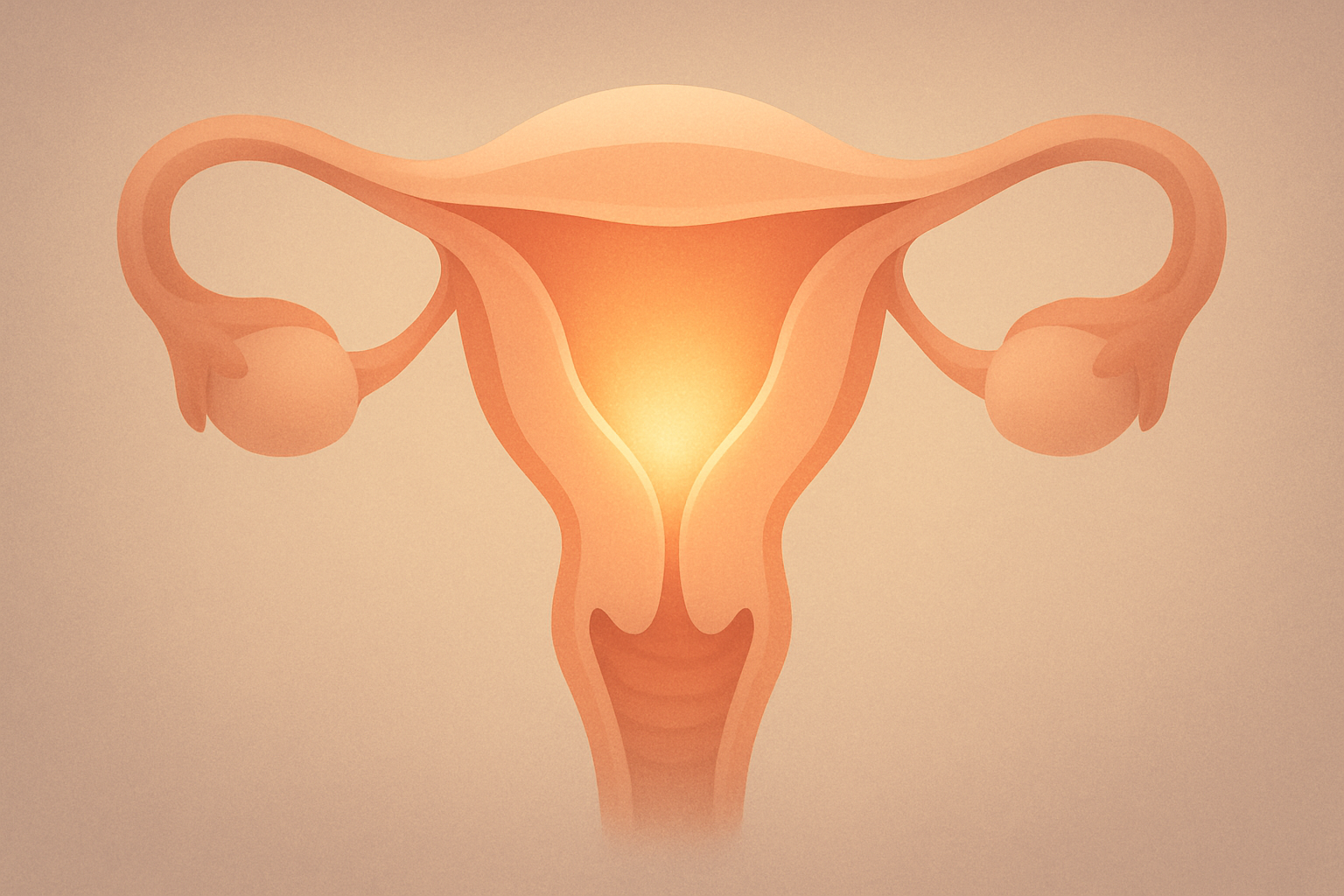
The uterus is where the embryo implants and grows, so any structural issues can affect pregnancy viability. Uterine anomalies like a septate uterus (where a wall divides the uterus), bicornuate uterus (heart shaped uterus), or Asherman's syndrome (scar tissue inside the uterus) can impede implantation or compromise the blood supply to the developing fetus, leading to recurrent spontaneous abortion. Fibroids or polyps, depending on their size and location, can also sometimes contribute to RPL.
Endocrine Disorders
Hormonal imbalances can significantly impact pregnancy health. Uncontrolled endocrine disorders such as:
- Polycystic Ovary Syndrome (PCOS): Often associated with insulin resistance and hormonal imbalances, PCOS can increase the risk of recurrent miscarriage. Managing insulin levels and hormonal balance is key.
- Thyroid Disorders: Both underactive (hypothyroidism) and overactive (hyperthyroidism) thyroid conditions, if not properly managed, can contribute to RPL.
- Diabetes: Poorly controlled diabetes can lead to a higher risk of miscarriage and birth defects.
- Luteal Phase Defect (LPD): This refers to insufficient progesterone production after ovulation, which is vital for maintaining the uterine lining for implantation.
Thrombophilia and Coagulation Disorders
Thrombophilia refers to a predisposition to blood clotting. Both inherited and acquired thrombophilias can lead to recurrent pregnancy loss by causing clots in the placenta's blood vessels, disrupting nutrient and oxygen supply to the fetus. The most well known acquired thrombophilia is antiphospholipid syndrome (APS), an autoimmune condition where the body produces antibodies that attack healthy tissues and contribute to blood clots. Screening for these conditions is a standard part of RPL investigation.
Immune and Autoimmune Factors
Beyond antiphospholipid syndrome, other immune factors or immunological factors can play a role. The maternal immune system needs to be finely tuned to accept the semi foreign fetus. Dysregulation can lead to the immune system attacking the pregnancy. Conditions like natural killer (NK) cell activation or certain HLA compatibility issues are areas of ongoing research, though their definitive role in RPL and specific treatments remain debated within the scientific community (Egerup, et al., 2013).
Infections and Microbiome
While less common as a direct cause of recurrent pregnancy loss, certain chronic infections or imbalances in the uterine microbiome (the community of microorganisms in the uterus) are being investigated. Infections such as bacterial vaginosis, if persistent, might potentially contribute to inflammation and adverse pregnancy outcomes. However, more research is needed to establish a clear causal link for recurrent losses.
Vitamin D and Nutritional Factors
Emerging research suggests a potential link between vitamin D deficiency and recurrent pregnancy loss. Vitamin D plays a crucial role in immune regulation and endometrial receptivity. Ensuring adequate vitamin D levels, alongside a balanced and nutrient rich diet, contributes to overall reproductive health. We empower you to consider holistic approaches, understanding that nutrition is a powerful tool in supporting your body's journey to parenthood.
Lifestyle and Environmental Factors
Your daily habits and environment can also influence pregnancy outcomes. Factors such as smoking, excessive alcohol consumption, high caffeine intake, obesity, and exposure to certain environmental toxins have been associated with an increased risk of miscarriage. Making positive lifestyle modifications can significantly improve your chances of a successful pregnancy.
Diagnostic Approach to Recurrent Pregnancy Loss
When facing recurrent pregnancy loss, a thorough and systematic diagnostic approach is essential. Our goal is to uncover the specific etiology so we can tailor the most effective management plan for you. This often involves a series of tests and evaluations.
Genetic Testing and Chromosomal Analysis
This is a cornerstone of RPL diagnosis. It typically includes:
- Karyotyping of both parents: To identify balanced chromosomal rearrangements.
- Karyotyping of products of conception (POC): If available from a previous loss, analyzing the fetal tissue can reveal if a chromosomal abnormality was the cause.
- Preimplantation Genetic Testing (PGT): For couples undergoing IVF, PGT can screen embryos for chromosomal abnormalities before transfer, increasing the chance of implanting a healthy embryo.
Imaging for Uterine Anomalies
To assess the structure of your uterus, imaging techniques are employed:
- Transvaginal Ultrasound: A common initial step.
- Saline Infusion Sonohysterography (SIS): Involves introducing saline into the uterus to get a clearer view of the uterine cavity.
- Hysteroscopy: A procedure where a thin, lighted scope is inserted into the uterus to visualize and sometimes correct abnormalities.
- MRI: Can provide detailed images of the uterine anatomy.
Thrombophilia and Autoimmune Screening
Blood tests are conducted to check for clotting disorders and autoimmune conditions:
- Antiphospholipid antibodies: To diagnose antiphospholipid syndrome.
- Other thrombophilia markers: Such as Factor V Leiden mutation, prothrombin gene mutation, and deficiencies in protein C, protein S, and antithrombin.
Endocrine Evaluation
Hormone levels are assessed to identify any imbalances:
- Thyroid function tests: TSH, free T4.
- Prolactin levels.
- Glucose and insulin levels: Especially for those with symptoms suggestive of PCOS or insulin resistance.
- Progesterone levels: To evaluate luteal phase adequacy.
Immune Testing
While some immune testing remains controversial and is not universally recommended, some specialists may investigate:
- Natural killer (NK) cells.
- Certain cytokine profiles.
It is important to discuss the evidence and implications of these tests with your specialist.
Psychological Assessment
We believe in a holistic approach. A psychological assessment, while not diagnosing a physical cause, acknowledges the profound emotional toll of RPL and helps identify needs for supportive care. This step is crucial for your overall well-being.

Management and Treatment Options
Once the potential causes of your recurrent pregnancy loss have been identified, we can embark on a tailored management and treatment plan. It is about addressing the specific issues in your unique situation.
Surgical Interventions
If uterine anomalies like a septate uterus or significant fibroids are identified, surgical correction can often improve pregnancy outcomes. Hysteroscopic septum resection, for example, can significantly reduce the risk of future miscarriages.
Medical Management (Progesterone, Anticoagulants)
- Progesterone Therapy: For individuals with a suspected luteal phase defect or a history of early pregnancy losses, supplemental progesterone may be prescribed to support the uterine lining and pregnancy.
- Low Molecular Weight Heparin (LMWH) and Aspirin: For those diagnosed with antiphospholipid syndrome or certain thrombophilias, LMWH (e.g., enoxaparin) and/or low dose aspirin are often prescribed during pregnancy to prevent blood clots and improve placental blood flow.
Treatment of Immune related RPL
Treatments for immune related RPL, beyond APS, are often debated. Options that might be discussed in specialized clinics include corticosteroids, intravenous immunoglobulin (IVIG), or intralipid infusions, but their effectiveness is not universally proven and should be considered with caution after thorough discussion with an expert (Egerup, et al., 2013).
Genetic Counseling and Assisted Reproductive Technologies
For couples with identified parental chromosomal rearrangements, genetic counseling is vital to understand the risks and options. Assisted Reproductive Technologies (ART) such as In Vitro Fertilization (IVF) with Preimplantation Genetic Testing (PGT) can be an effective solution. PGT allows for the screening of embryos for chromosomal abnormalities before transfer, selecting only genetically healthy embryos to increase the chances of a successful pregnancy.
Lifestyle Modifications
Never underestimate the power of lifestyle factors. Adopting a healthy lifestyle is a proactive step you can take. This includes:
- Maintaining a healthy weight.
- Eating a balanced, nutrient rich diet.
- Quitting smoking and limiting alcohol and caffeine intake.
- Managing stress effectively.
- Ensuring adequate vitamin D levels through sun exposure or supplementation after consulting your doctor.
Psychological Support and Counseling
The journey through recurrent pregnancy loss can be emotionally taxing, leading to anxiety, depression, and grief. Psychological support and counseling are not just beneficial; they are essential. Seeking help from therapists specializing in fertility or grief can provide a safe space to process emotions, develop coping strategies, and navigate the emotional impact. Remember, your mental well-being is paramount, and it is okay to ask for help.
Prognosis and Prediction Models
While recurrent pregnancy loss is profoundly challenging, it is important to know that many couples will eventually achieve a successful pregnancy. The prognosis for couples with RPL varies greatly depending on the identified cause and the effectiveness of treatment. Even when no specific cause is found (unexplained RPL), the chance of a live birth in a subsequent pregnancy can still be as high as 60% to 70% (Practice Committee of the American Society for Reproductive Medicine, 2023). Prediction models incorporating factors like maternal age, number of previous losses, and identified causes can offer a more personalized estimate of future success rates, providing a sense of hope and direction.
Psychological Impact and Supportive Care
The repeated experience of loss, hope, and despair can leave deep emotional scars. The psychological impact of recurrent pregnancy loss extends beyond grief, often encompassing anxiety, depression, guilt, and even post traumatic stress. It can strain relationships and affect daily life. At Izana, we recognize that healing is not just physical; it is deeply emotional. We encourage you to seek supportive care, whether through individual counseling, support groups, or connecting with trusted friends and family. Creating a community where experiences are shared and validated is crucial. You deserve compassion, understanding, and a safe space to heal and hope again.
Conclusions and Future Directions
Recurrent pregnancy loss is a complex and heart wrenching journey, but it is not a journey you have to walk alone. Through careful investigation, personalized diagnosis, and tailored management plans, many couples find their path to a successful pregnancy. The field of reproductive medicine continues to evolve, with ongoing research into immune factors, the role of the microbiome, and advanced genetic technologies offering new avenues for hope and treatment. We are committed to staying at the forefront of these advancements, translating complex science into clear, actionable insights for you.
We know how much courage it takes to keep trying, to hold onto hope. Let us be your trusted friend and guide. Improve your reproductive health with a personalised plan tailored to your body. When you join Izana, you’re not just choosing a plan. You’re becoming part of a movement that challenges myths, empowers choices, and builds healthier futures. Join the Revolution