- 1IVF involves multiple stages, beginning with hormonal stimulation to produce multiple eggs, followed by retrieval and laboratory fertilization.
- 2The process culminates in the transfer of embryos into the uterus, with a pregnancy test approximately two weeks later.
- 3IVF addresses various infertility challenges, including blocked fallopian tubes, male factor infertility, and unexplained infertility, offering a pathway to parenthood for many.
- 4Success rates are highly dependent on factors like maternal age, with younger individuals typically having higher per-cycle success rates.
- 5Advanced procedures like ICSI and PGT can be integrated to address specific issues, enhancing the chances of a successful pregnancy.
Embarking on an IVF journey can feel like navigating an intricate map with many unfamiliar landmarks. In vitro fertilization (IVF) is a fertility treatment where eggs are fertilized by sperm outside the body in a laboratory setting, creating embryos that are then transferred into the uterus. This assisted reproductive technology (ART) offers a path to parenthood for many who face infertility challenges, involving several distinct stages from ovarian stimulation to embryo transfer and ultimately, a pregnancy test. Understanding each step can help demystify the process and empower you with knowledge.
- IVF involves fertilizing eggs with sperm in a lab and transferring the resulting embryos to the uterus.
- The multi stage process begins with ovarian stimulation, followed by egg retrieval, fertilization, and embryo transfer.
- IVF is a common and effective assisted reproductive technology (ART) for various infertility causes.
- Success rates vary based on factors like age and the specific cause of infertility.
- Understanding each step helps in navigating the emotional and physical aspects of treatment.
What is IVF?
IVF, or In Vitro Fertilization, is a sophisticated fertility treatment where the fertilization of an egg by a sperm happens outside the body. This process takes place in a controlled laboratory environment. After fertilization, the resulting embryo is then carefully transferred into the woman's uterus with the aim of achieving a pregnancy.
It is one of the most widely used forms of assisted reproductive technology (ART), offering hope to couples who struggle with conception naturally. The term "in vitro" literally means "in glass," referring to the petri dish where fertilization occurs.
Why is IVF done?
IVF is recommended for a variety of infertility issues that may prevent natural conception. It is often considered after other fertility treatments have been unsuccessful or when specific conditions make other methods less viable. The decision to pursue IVF is a deeply personal one, made in consultation with fertility specialists.
Common reasons include blocked or damaged fallopian tubes, male factor infertility, ovulation disorders, endometriosis, uterine fibroids, unexplained infertility, or when using donor eggs or sperm. It provides a means to overcome these obstacles, offering a pathway to building a family.
The IVF Process Step-by-Step
The IVF journey is a methodical series of coordinated steps, each crucial to the overall success. While clinics may have slight variations, the core stages remain consistent. Understanding this progression can help couples prepare for what lies ahead.
Step 1: Initial Consultation & Preparation (Testing/Diagnosis)
The first step involves a comprehensive assessment of both partners. This includes reviewing medical history, conducting physical examinations, and performing a range of diagnostic tests. For women, tests may include blood work to check hormone levels, ovarian reserve (like AMH levels), and imaging studies such as ultrasounds to assess uterine and ovarian health.
For men, semen analysis is crucial to evaluate sperm count, motility, and morphology. This diagnostic phase helps the fertility specialist understand the underlying causes of infertility and tailor a personalized treatment plan.
Step 2: Ovarian Stimulation & Monitoring
Once the preliminary assessments are complete, the woman begins a course of fertility medications, typically injectable hormones. The goal of ovarian stimulation is to encourage the ovaries to produce multiple mature eggs, rather than the single egg released in a natural cycle. This increases the chances of retrieving several viable eggs for fertilization.
Throughout this phase, regular monitoring is essential. This involves frequent blood tests to check hormone levels (estrogen, progesterone) and transvaginal ultrasounds to track the growth and development of ovarian follicles. Follicles are small, fluid filled sacs in the ovaries that contain the eggs.
Step 3: Trigger Shot
When the follicles reach an optimal size and a sufficient number of mature eggs are anticipated, a "trigger shot" is administered. This injection, usually Human Chorionic Gonadotropin (hCG), mimics the natural surge of Luteinizing Hormone (LH) that triggers final egg maturation and release. The timing of this shot is critical, as egg retrieval is scheduled approximately 34 to 36 hours later, just before ovulation would naturally occur.
Step 4: Egg Retrieval
Egg retrieval is a minor surgical procedure performed under light sedation. Guided by ultrasound, a thin needle is inserted through the vaginal wall into each ovary to aspirate the fluid from the mature follicles. The fluid, containing the eggs, is immediately passed to an embryologist who identifies and collects the eggs under a microscope. This procedure usually takes about 20 to 30 minutes, and patients typically recover quickly.
Step 5: Fertilization & Embryo Culture
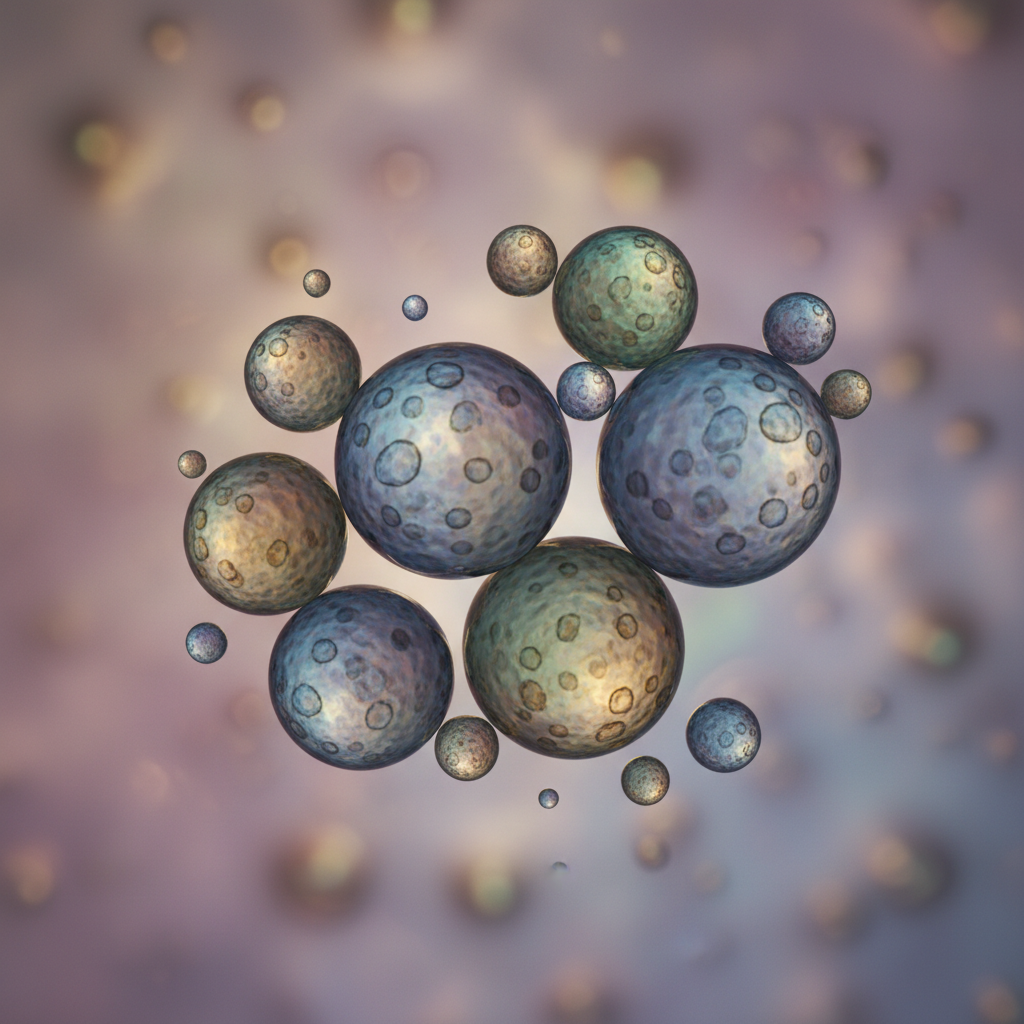
After retrieval, the collected eggs are brought together with sperm in a laboratory dish. Fertilization can occur through conventional insemination, where eggs and sperm are simply incubated together. Alternatively, in cases of male factor infertility, ICSI (Intracytoplasmic Sperm Injection) may be used. With ICSI, a single healthy sperm is directly injected into each mature egg to aid fertilization.
Once fertilized, the resulting embryos are cultured in specialized incubators, mimicking the conditions of the body. The embryologist closely monitors their development over several days.
Step 6: Embryo Development & Quality Assessment
Embryos are typically cultured for three to five days. On Day 3, they are often in the cleavage stage, showing 6 to 8 cells. By Day 5 or Day 6, well-developed embryos reach the blastocyst stage, which is characterized by a distinct inner cell mass and an outer layer (trophectoderm). The embryologist assesses the quality of the embryos based on their morphology and rate of development. This assessment helps in selecting the healthiest embryos for transfer.
Step 7: Embryo Transfer
Embryo transfer is a delicate and usually painless procedure. One or more selected embryos are carefully loaded into a thin, flexible catheter. Under ultrasound guidance, the catheter is gently passed through the cervix and into the uterus, where the embryos are released. This step does not require anesthesia, and many women describe it as similar to a routine pap smear. The goal is for the embryo to implant in the uterine lining, leading to pregnancy.
Step 8: Pregnancy Test & Results
Approximately 10 to 14 days after the embryo transfer, a pregnancy test is conducted, typically a blood test measuring hCG levels. A positive test indicates a successful implantation. If the test is positive, further monitoring through blood tests and ultrasounds will confirm the viability of the pregnancy. If the test is negative, the medical team will discuss the next steps, including reviewing the cycle and planning for future attempts if desired. This waiting period, often known as the 'two week wait,' can be emotionally challenging, and support during this time is crucial.
How long does the IVF process take?
The entire IVF process, from the initial consultation to the pregnancy test, typically spans about four to six weeks for a single cycle. This timeline can vary based on individual responses to medication, the need for additional testing, or if preimplantation genetic testing (PGT) is performed, which adds time for embryo biopsy and genetic analysis. Some couples may require multiple cycles to achieve pregnancy, extending the overall journey.
Who is a candidate for IVF? (Causes of infertility or reasons for IVF)
IVF is a versatile treatment option for various causes of infertility, making it suitable for a wide range of individuals and couples. Candidacy is determined after a thorough evaluation by a fertility specialist.
- Blocked or Damaged Fallopian Tubes: Conditions like hydrosalpinx or previous pelvic inflammatory disease can prevent eggs from meeting sperm.
- Male Factor Infertility: Low sperm count, poor sperm motility, or abnormal sperm morphology can be addressed, often with ICSI.
- Ovulation Disorders: Irregular or absent ovulation, common in conditions like Polycystic Ovary Syndrome (PCOS), can be bypassed.
- Endometriosis: When uterine tissue grows outside the uterus, it can affect fertility by causing inflammation and scarring.
- Uterine Fibroids: These non cancerous growths in the uterus can sometimes interfere with implantation.
- Unexplained Infertility: When no specific cause is identified after thorough investigation, IVF is often a viable option.
- Genetic Conditions: For couples at risk of passing on a genetic disorder, PGT during IVF allows for screening of embryos.
- Advanced Maternal Age: As women age, both egg quantity and quality decline, and IVF can help optimize chances.
- Premature Ovarian Failure: When ovaries stop functioning before age 40, donor eggs can be used with IVF.
- Same Sex Couples and Single Parents: IVF with donor sperm or eggs provides a path to parenthood.
Risks and Side Effects of IVF
Like any medical procedure, IVF carries potential risks and side effects, though most are mild and manageable. Understanding these can help you feel more prepared and informed during your treatment.
- Ovarian Hyperstimulation Syndrome (OHSS): This can occur when ovaries over react to fertility drugs, causing them to swell and become painful. Symptoms range from mild (bloating, nausea) to severe (rapid weight gain, shortness of breath), though severe OHSS is rare.
- Multiple Births: Transferring more than one embryo increases the chance of twin or higher order pregnancies, which carry higher risks for both mother and babies.
- Ectopic Pregnancy: This occurs when an embryo implants outside the uterus, usually in a fallopian tube. While still rare, the risk is slightly higher with IVF.
- Miscarriage: The risk of miscarriage in IVF pregnancies is similar to natural pregnancies, though it can be slightly higher in older women undergoing IVF due to underlying factors.
- Procedure Related Risks: Egg retrieval carries a small risk of bleeding, infection, and damage to surrounding organs, though these are uncommon.
- Emotional and Psychological Impact: The IVF journey can be emotionally taxing, involving stress, anxiety, and depression due to the intense hormonal fluctuations, financial burden, and uncertainty of outcomes. Seeking support is crucial.
What to expect during and after IVF treatment?
The IVF journey is a significant undertaking, both physically and emotionally. During treatment, you can expect frequent clinic visits for monitoring, injections, and procedures. Hormonal medications can lead to mood swings, bloating, and fatigue. It's vital to stay hydrated, maintain a healthy diet, and manage stress. Izana can provide a daily companion to help you navigate these emotional and physical challenges, offering resources and support between clinic visits.

After egg retrieval, you might experience mild cramping or spotting. Following embryo transfer, it's generally advised to resume light activities, avoiding strenuous exercise. The waiting period for the pregnancy test can be particularly stressful. Regardless of the outcome, emotional support from partners, friends, family, or support groups is invaluable. Research indicates that managing stress through mindfulness or other techniques can positively impact outcomes.
IVF success rates
IVF success rates vary significantly depending on multiple factors, with age being one of the most prominent. It's crucial to understand that success rates are often reported per cycle started or per embryo transfer, and cumulative success rates over multiple cycles tend to be higher. These statistics are general, and your individual prognosis will be discussed by your fertility specialist.
Here's a general overview of live birth rates per embryo transfer, stratified by maternal age:
| Maternal Age Group | Live Birth Rate per Embryo Transfer (approx.) | Source |
|---|---|---|
| Under 35 | 40% - 50% | National Data, vary by clinic |
| 35-37 | 30% - 40% | National Data, vary by clinic |
| 38-40 | 20% - 30% | National Data, vary by clinic |
| 41-42 | 10% - 15% | National Data, vary by clinic |
| Over 42 | Less than 10% | National Data, vary by clinic |
It's important to discuss these figures with your clinic, as their specific rates and your personal factors will influence your chances.
Cost of IVF
The cost of IVF treatment in India can vary significantly, ranging from approximately ₹1,00,000 to ₹3,00,000 or more per cycle. This wide range is influenced by several factors, including the clinic's location and reputation, the specific procedures required, and whether additional advanced techniques are utilized.
Factors contributing to the overall cost typically include:
- Medications for ovarian stimulation (can be a significant portion of the cost).
- Monitoring appointments (ultrasounds and blood tests).
- Egg retrieval procedure.
- Fertilization and embryo culture.
- Embryo transfer.
- Anaesthesia fees.
- Additional procedures like ICSI, embryo freezing, or preimplantation genetic testing (PGT).
It is crucial to have a detailed discussion with your clinic about the complete breakdown of costs, including any hidden fees. Many clinics offer package deals, and some insurance plans may cover a portion of fertility treatments, though this is less common in India for IVF. Financial planning and understanding the full scope of potential expenses, including the possibility of multiple cycles, is an important part of the journey.
Advanced IVF procedures (e.g., ICSI, assisted hatching, preimplantation genetic testing)
Beyond the basic IVF protocol, several advanced procedures can enhance success rates for specific situations:
- Intracytoplasmic Sperm Injection (ICSI): This is a specialized technique used primarily for male factor infertility. A single, healthy sperm is directly injected into each mature egg. It bypasses potential issues with sperm motility, count, or the ability to penetrate the egg.
- Assisted Hatching (AH): An embryo needs to "hatch" out of its outer shell (zona pellucida) to implant in the uterus. If the zona pellucida is thicker or harder than usual, a small opening can be made using a laser or chemical to aid in hatching, potentially improving implantation rates.
- Preimplantation Genetic Testing (PGT): PGT involves biopsying a few cells from the embryo (typically at the blastocyst stage) and analyzing them for genetic abnormalities.
- PGT-A (Aneuploidy): Screens for chromosomal abnormalities, like Down Syndrome, which are a common cause of miscarriage and implantation failure.
- PGT-M (Monogenic/Single Gene Defects): Screens for specific single gene disorders, like thalassemia or cystic fibrosis, in embryos from parents who are known carriers.
- PGT-SR (Structural Rearrangements): Screens for chromosomal structural rearrangements, such as translocations, if one parent carries such a rearrangement.
- Embryo Freezing (Cryopreservation): Any high quality embryos not transferred in the fresh cycle can be frozen for future use. This allows for subsequent frozen embryo transfers (FET) without the need for another full ovarian stimulation and egg retrieval, making future cycles less invasive and often more cost effective.
- Testicular Sperm Extraction (TESE) / MicroTESE: For men with very severe male factor infertility or obstructive azoospermia (no sperm in ejaculation), sperm can sometimes be surgically retrieved directly from the testicles.
Questions to ask your clinic
- What is your clinic's success rate for my age group and diagnosis?
- What specific tests do you recommend before starting an IVF cycle?
- What are the potential side effects of the medications I will be taking?
- How many embryos do you typically recommend transferring in a cycle for someone with my profile?
- What are the total estimated costs, including medication, and what payment plans are available?
- What support services are available for emotional well being during treatment?
- What happens to any excess embryos? What are the costs associated with freezing and storage?
- Under what circumstances would you recommend advanced procedures like ICSI or PGT?
Sources
- American Society for Reproductive Medicine (ASRM)
- Centers for Disease Control and Prevention (CDC) ART Report
- European Society of Human Reproduction and Embryology (ESHRE)
Improve your reproductive health with a personalised plan tailored to your body. When you join Izana, you’re not just choosing a plan — you’re becoming part of a movement that challenges myths, empowers choices, and builds healthier futures. Join the Revolution