- 1Identify primary ovulation signs like cervical mucus changes and BBT shifts to understand your body's signals.
- 2Understand that your 'fertile window' spans several days before and the day of ovulation, not just a single moment.
- 3Track ovulation effectively using methods such as calendar tracking, BBT charting, and Ovulation Predictor Kits for enhanced accuracy.
- 4Recognize that health conditions like Polycystic Ovary Syndrome (PCOS) and endometriosis can significantly impact ovulation patterns.
- 5Consult a healthcare professional if you experience irregular cycles, consistent anovulation, or difficulties conceiving after 6 to 12 months.
Understanding Ovulation: Signs, Symptoms, and Timing
Embarking on the journey to parenthood can feel like navigating a complex maze. We understand that finding clarity amidst conflicting information and a swirl of emotions can be overwhelming. You might be tracking your cycle, hoping for a sign, or perhaps you are just starting to understand the intricate dance of your body. At Izana, we believe in empowering you with accurate, compassionate, and actionable knowledge so you can feel confident and in control of your reproductive health.
Ovulation is the cornerstone of conception, yet for many, it remains a mystery. What exactly is happening? When is the right time? How do I even know if it is happening? These are questions we hear often, and we are here to demystify this crucial process for you. Think of us as your brilliant, trusted friend, ready to simplify the science and walk alongside you.
- Identify key physical changes and sensations that indicate ovulation, such as changes in cervical mucus and basal body temperature.
- Understand your unique “fertile window,” which includes several days leading up to and the day of ovulation, to optimise your chances of conception.
- Learn various reliable methods for tracking ovulation, from simple calendar charting to advanced fertility monitors and clinical tests.
- Recognise how common health conditions like PCOS and endometriosis can affect ovulation and impact your fertility journey.
- Empower yourself with knowledge and strategies to improve your ovulatory health and understand when professional medical guidance is most beneficial.
What is Ovulation?
At its heart, ovulation is your body's monthly grand event for fertility. Simply put, it is the release of a mature egg from your ovary, ready to be fertilised by sperm. This single event is absolutely central to the possibility of natural conception. Without ovulation, pregnancy cannot occur.
Let us break down what happens in your body. Every month, a fascinating hormonal symphony plays out. It begins with your brain releasing follicle stimulating hormone (FSH). Think of FSH as the gentle nudge that encourages several tiny sacs in your ovaries, called follicles, to grow. Inside each follicle is an immature egg. As one of these follicles matures and grows larger, it starts producing estrogen.
When estrogen levels reach a certain peak, it signals your brain to release a surge of luteinizing hormone (LH). This LH surge is the final trigger, the green light, causing the dominant follicle to rupture and release its mature egg. This egg then travels down the fallopian tube, where it awaits potential fertilisation. The remnants of the ruptured follicle transform into something called the corpus luteum, which then produces progesterone, preparing your uterus for a possible pregnancy. It is an incredibly precise and beautiful process.
When Does Ovulation Occur?
The timing of ovulation is not a one size fits all phenomenon, but there are general patterns we can look for. In a typical 28 day menstrual cycle, ovulation usually occurs around day 14. However, cycles can vary in length, ranging from 21 to 35 days, and ovulation will adjust accordingly.
Your menstrual cycle is broadly divided into two main phases:
- The Follicular Phase: This phase begins on the first day of your period and lasts until ovulation. During this time, follicles develop in your ovaries under the influence of FSH, and estrogen levels rise. The length of this phase can vary significantly from person to person and cycle to cycle.
- The Luteal Phase: This phase begins immediately after ovulation and lasts until your next period. It is typically more consistent in length, usually lasting between 12 to 16 days. During this phase, the corpus luteum produces progesterone, preparing the uterine lining for implantation.
Ovulation itself is a brief event, lasting only about 12 to 24 hours after the egg is released. Understanding these phases and your own cycle length is the first step in pinpointing your potential ovulation day.
Understanding the Fertile Window
This is perhaps one of the most crucial pieces of information for anyone trying to conceive: you do not need to have intercourse on the exact day of ovulation to get pregnant. Your body offers a "fertile window" a few days before ovulation and the day of ovulation itself, where intercourse can lead to conception. Think of it as a window of opportunity, not a single fleeting moment.
Sperm can survive inside your reproductive tract for up to 5 days, sometimes even longer, eagerly awaiting the egg's arrival. The egg, once released, is viable for only 12 to 24 hours. This means that if you have intercourse in the 2 to 3 days leading up to ovulation, there will likely be sperm present and waiting when the egg is released, significantly increasing your chances of conception. The most fertile days are typically the day of ovulation and the 1 or 2 days just before it.
Common Ovulation Symptoms
Your body is incredibly intelligent and often provides subtle, yet powerful, clues that ovulation is approaching or has just happened. Learning to listen to these signals can be incredibly empowering and helps you understand your unique cycle better. Let us explore some of the most common signs.
Changes in Cervical Mucus
This is one of the most reliable and observable signs of impending ovulation. Throughout your cycle, the consistency and amount of cervical mucus change due to fluctuating hormone levels. After your period, you might notice a dry period, followed by mucus that is sticky, then creamy, then wet, and finally, just before ovulation, it often becomes clear, stretchy, and slippery, resembling raw egg whites. This "egg white cervical mucus" (EWCM) is crucial because it provides a protective and nourishing environment for sperm, helping them travel through the cervix and survive long enough to meet the egg. We recommend observing this daily to recognise your unique pattern.
Basal Body Temperature Changes
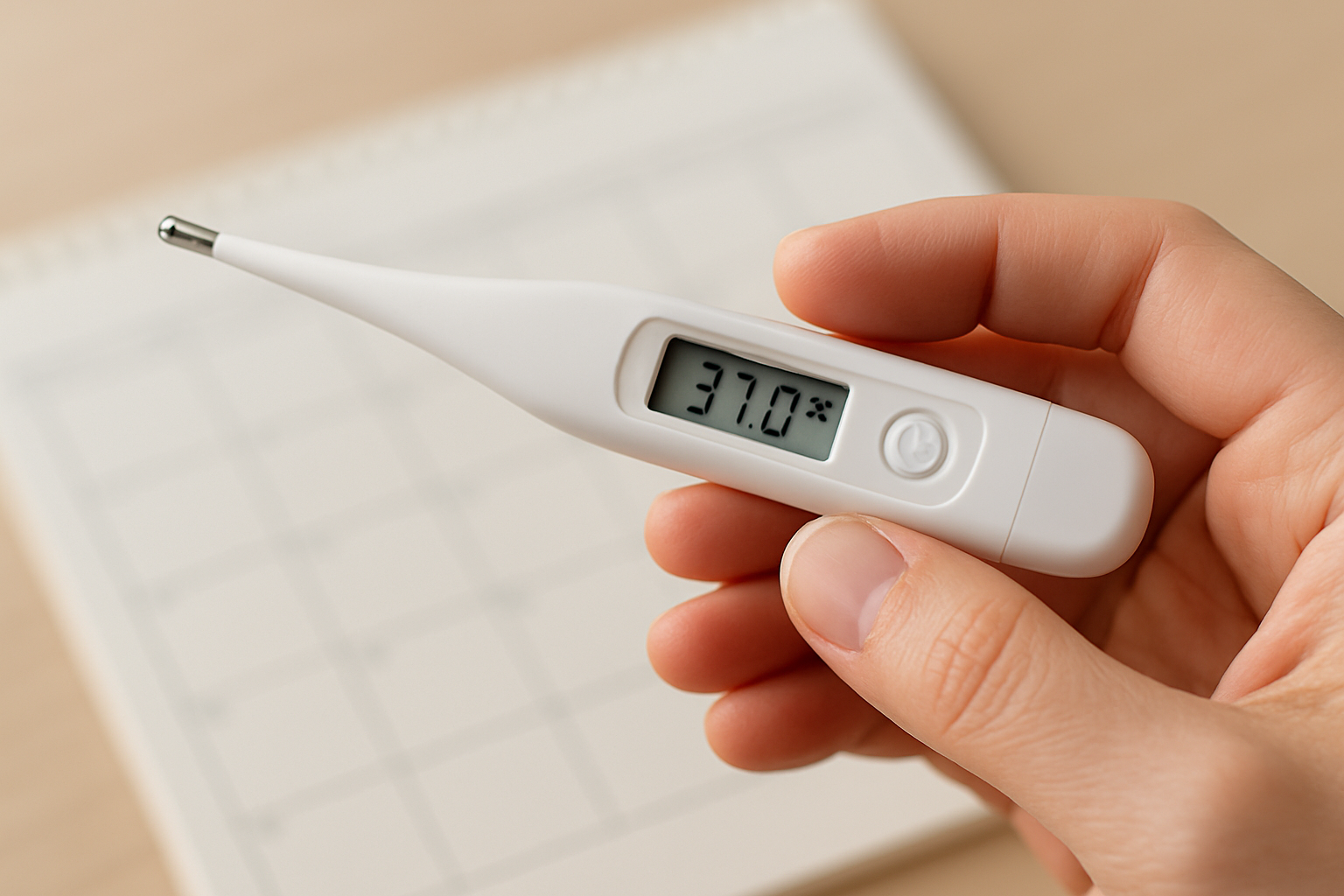
Your basal body temperature (BBT) is your lowest resting body temperature. It provides a fascinating, though retrospective, insight into ovulation. Here is how it works: before ovulation, your BBT will typically be lower. After ovulation, the rise in progesterone causes a slight but sustained increase in your BBT, usually by about 0.2 to 0.5 degrees Celsius (0.4 to 1.0 degrees Fahrenheit). This rise confirms that ovulation has occurred. While it cannot predict ovulation in advance, tracking your BBT over several cycles can help you identify your typical ovulation pattern and confirm that you are indeed ovulating.
Ovulation Pain (Mittelschmerz)
Have you ever felt a dull ache or a sharp, sudden pain on one side of your lower abdomen around the middle of your cycle? This is known as mittelschmerz, a German word meaning “middle pain.” It is quite common, affecting about 20 percent of women, and is directly related to ovulation. The pain can range from mild discomfort to a sharper twinge and typically lasts from a few minutes to a few hours, though some experience it for a day or two. The exact cause is not fully understood, but it is thought to be due to the swelling of the follicle before ovulation, or the irritation of the abdominal lining by the fluid or blood released when the follicle ruptures. If you experience this, know that it is often a normal and healthy sign that your body is ovulating.
Breast Tenderness and Bloating
As your body prepares for and goes through ovulation, you might notice other changes, including breast tenderness or sensitivity. This is often due to the fluctuating estrogen and progesterone levels. Some women also experience a feeling of bloating or abdominal fullness around this time. While these symptoms are also common in the premenstrual phase, their occurrence mid cycle can be an additional clue to your body's ovulatory rhythm.
Increased Libido and Heightened Senses
Nature has its ways of encouraging conception! Many women report an increased libido, or sex drive, around the time of ovulation. This is believed to be another hormonal signal, a subtle nudge from your body to engage in activity that could lead to pregnancy. You might also notice that your senses feel a little sharper. Some report a heightened sense of smell, taste, or even vision during their fertile window. While these are less direct indicators, they can be part of your body's unique ensemble of ovulation signs.
Light Spotting and Mood Changes
Occasionally, some individuals experience very light spotting around ovulation. This is usually due to the rapid shift in hormones, particularly the temporary dip in estrogen just before the LH surge, or the rupture of the follicle itself. It is typically brief and very light. In addition to physical changes, hormonal fluctuations can sometimes lead to mood changes. You might feel more energetic, irritable, or even experience slight emotional shifts. Acknowledging these changes can help you understand your body's full ovulatory picture.
How to Track Ovulation
Understanding your body's signals is a powerful step, and actively tracking them can provide even greater clarity. There are several methods you can use, ranging from simple to more advanced, to pinpoint your fertile window and confirm ovulation. Choosing the right method, or combination of methods, depends on your individual needs and cycle regularity.
Calendar Method
The calendar method is one of the simplest ways to start tracking. It involves noting the start and end dates of your menstrual cycles over several months to estimate your average cycle length. If you have a very regular 28 day cycle, for instance, you might estimate ovulation around day 14. However, this method is less accurate if your cycles are irregular or vary in length, as it does not account for individual biological variations. It is a good starting point but often needs to be combined with other methods for more precision.
Basal Body Temperature Tracking
As we discussed, tracking your basal body temperature (BBT) provides retrospective confirmation of ovulation. To do this accurately, you need a special basal thermometer. Take your temperature orally (or vaginally) at the same time every morning, immediately after waking and before getting out of bed, eating, or drinking. Plot your daily temperatures on a chart. After ovulation, you should see a sustained temperature rise. Consistently charting your BBT for a few months can help you identify your unique pattern and the length of your luteal phase. It is a commitment, but it offers valuable insights into your ovulatory health.
Ovulation Predictor Kits and Fertility Monitors
Ovulation predictor kits (OPKs) are like a crystal ball for your fertile window. They work by detecting the surge in luteinizing hormone (LH) in your urine, which typically occurs 24 to 36 hours before ovulation. This gives you an early warning that ovulation is approaching, allowing you to time intercourse optimally. OPKs are widely available and relatively easy to use. For an even more comprehensive approach, fertility monitors are electronic devices that track multiple hormones, often both LH and estrogen, providing a broader fertile window and a clear indication of peak fertility. They often come with accompanying apps that simplify tracking and interpretation, making them a popular choice for many trying to conceive.
Clinical Tests for Ovulation (Ultrasound, Blood Tests)
Sometimes, a healthcare professional may recommend clinical tests for more precise ovulation tracking or if there are concerns about fertility. These can include serial ultrasounds, which allow doctors to directly observe the growth of follicles in your ovaries and confirm the moment of rupture. Blood tests are also used to measure hormone levels, such as estrogen and progesterone. A progesterone test taken about 7 days after your expected ovulation can confirm if ovulation has occurred and if enough progesterone is being produced to support a potential pregnancy. These clinical methods offer the highest level of accuracy and are invaluable for diagnosing and managing fertility challenges.
Health Conditions Affecting Ovulation
While ovulation is a natural process, various health conditions can disrupt its regularity or prevent it entirely, a condition known as anovulation. Understanding these potential challenges is empowering, as it guides you towards appropriate support and treatment. We know how frustrating and disheartening it can be when your body does not follow the expected patterns, and we want you to know you are not alone in this experience.
Polycystic Ovary Syndrome (PCOS) is one of the most common causes of anovulation. It is a complex hormonal disorder characterised by an imbalance of reproductive hormones. Women with PCOS often have irregular or absent periods, excess androgen levels (which can lead to symptoms like acne and excess hair growth), and sometimes many small follicles on the ovaries that do not mature and release an egg. Insulin resistance is often an underlying factor in PCOS, further complicating hormonal balance. Managing PCOS often involves a holistic approach, including lifestyle changes, diet modifications, and sometimes medication, all of which Izana can help you navigate.
Endometriosis, a condition where tissue similar to the uterine lining grows outside the uterus, can also impact ovulation. While not directly preventing egg release, it can cause inflammation, scarring, and adhesions that may interfere with the fallopian tube's ability to pick up the egg, or potentially affect ovarian function. Other conditions like thyroid disorders (hypothyroidism or hyperthyroidism) can significantly disrupt the delicate hormonal balance required for regular ovulation. Chronic stress, extreme weight fluctuations (being significantly underweight or overweight), and excessive exercise can also put immense pressure on your endocrine system, leading to irregular or absent ovulation. It is crucial to address these underlying health factors for optimal reproductive health.
When to Consult a Doctor
Knowing when to seek professional medical advice is a vital part of your fertility journey. While trying to conceive can take time, there are specific signs and situations where consulting a doctor, preferably a fertility specialist or gynaecologist, is highly recommended. We believe in proactive care and informed decisions.

If you have been trying to conceive for 12 months or more without success, and you are under 35 years old, it is time to consult a doctor. If you are 35 or older, we recommend seeking help after 6 months of trying. Age significantly impacts fertility, and earlier intervention can be beneficial. Additionally, if you have known underlying conditions such as PCOS, endometriosis, thyroid disorders, or a history of irregular periods, it is wise to consult a doctor sooner, even before actively trying for an extended period. They can assess your overall reproductive health, perform necessary tests, and offer tailored guidance. Do not hesitate to advocate for your health and seek expert support.
Improving Your Chances of Ovulation
While some factors are beyond our control, there are many empowering steps you can take to support regular ovulation and enhance your overall reproductive health. These are not quick fixes, but sustainable lifestyle adjustments that can make a significant difference. We are here to guide you toward a holistic approach to wellness.
First, focus on a balanced, nutrient rich diet. This means incorporating plenty of whole grains, lean proteins, fruits, and vegetables, while limiting processed foods, excessive sugar, and unhealthy fats. For conditions like PCOS, a diet that helps manage insulin resistance can be particularly beneficial. Regular, moderate exercise is also important. Aim for activities that you enjoy, maintaining a healthy weight without overexerting yourself, as extreme exercise can sometimes disrupt ovulation. Stress management techniques, such as yoga, meditation, deep breathing, or simply spending time in nature, can help regulate your hormones and support a healthy ovulatory cycle. Adequate sleep is another foundational pillar; aim for 7 to 9 hours of quality sleep each night. Lastly, maintaining a healthy body weight, neither significantly underweight nor overweight, is crucial, as both extremes can interfere with hormonal balance and ovulation.
Ovulation and Pregnancy: Timing for Conception
Armed with the knowledge of your fertile window and ovulation signs, you are now better equipped to time intercourse for conception. Remember, the goal is to have sperm waiting in the fallopian tubes when the egg is released. This means focusing on the 2 to 3 days leading up to ovulation, as well as the day of ovulation itself. Having intercourse every 1 to 2 days during this fertile window is generally recommended to maximise your chances.
It is important to approach this with a sense of partnership and connection, rather than just a task. While timing is important, stress and pressure can sometimes be counterproductive. Continue to listen to your body, track your signs, and maintain open communication with your partner. Patience is also key; even with perfect timing, conception can take time. Trust in the process, empower yourself with knowledge, and celebrate each step of your journey.
Frequently Asked Questions
Q: Can I ovulate without having a period?
A: Yes, it is possible, though less common. This can happen in conditions like PCOS where hormonal imbalances prevent a regular menstrual bleed, even if some ovulatory activity might occur. However, a regular period is generally a good indicator of regular ovulation.
Q: How accurate are ovulation predictor kits?
A: Ovulation predictor kits (OPKs) are generally very accurate (around 97%) in detecting the LH surge, which typically precedes ovulation by 24 to 36 hours. However, they do not confirm that ovulation actually occurred, only that your body prepared for it.
Q: Is it normal to feel pain during ovulation?
A: Yes, experiencing mild to moderate pain or discomfort on one side of your lower abdomen during ovulation, known as mittelschmerz, is quite common and usually harmless. It is often a sign of healthy ovulation.
Q: Can stress affect ovulation?
A: Absolutely. Chronic or significant stress can disrupt the delicate hormonal balance controlled by your brain, potentially delaying or even preventing ovulation. Managing stress is an important part of supporting regular cycles.
Q: What is the best time to have intercourse for conception?
A: The optimal time to have intercourse for conception is during your fertile window, specifically in the 2 to 3 days leading up to and including the day of ovulation. This ensures sperm are present when the egg is released.
Understanding ovulation is a profound step in knowing your body and empowering your reproductive journey. We know this path can be filled with questions, hopes, and sometimes, challenges. But with accurate information and unwavering support, you can approach your fertility journey with confidence and clarity.
Improve your reproductive health with a personalised plan tailored to your body. When you join Izana, you are not just choosing a plan. You are becoming part of a movement that challenges myths, empowers choices, and builds healthier futures, bringing clear and confident parenthood within reach. Join the Revolution.